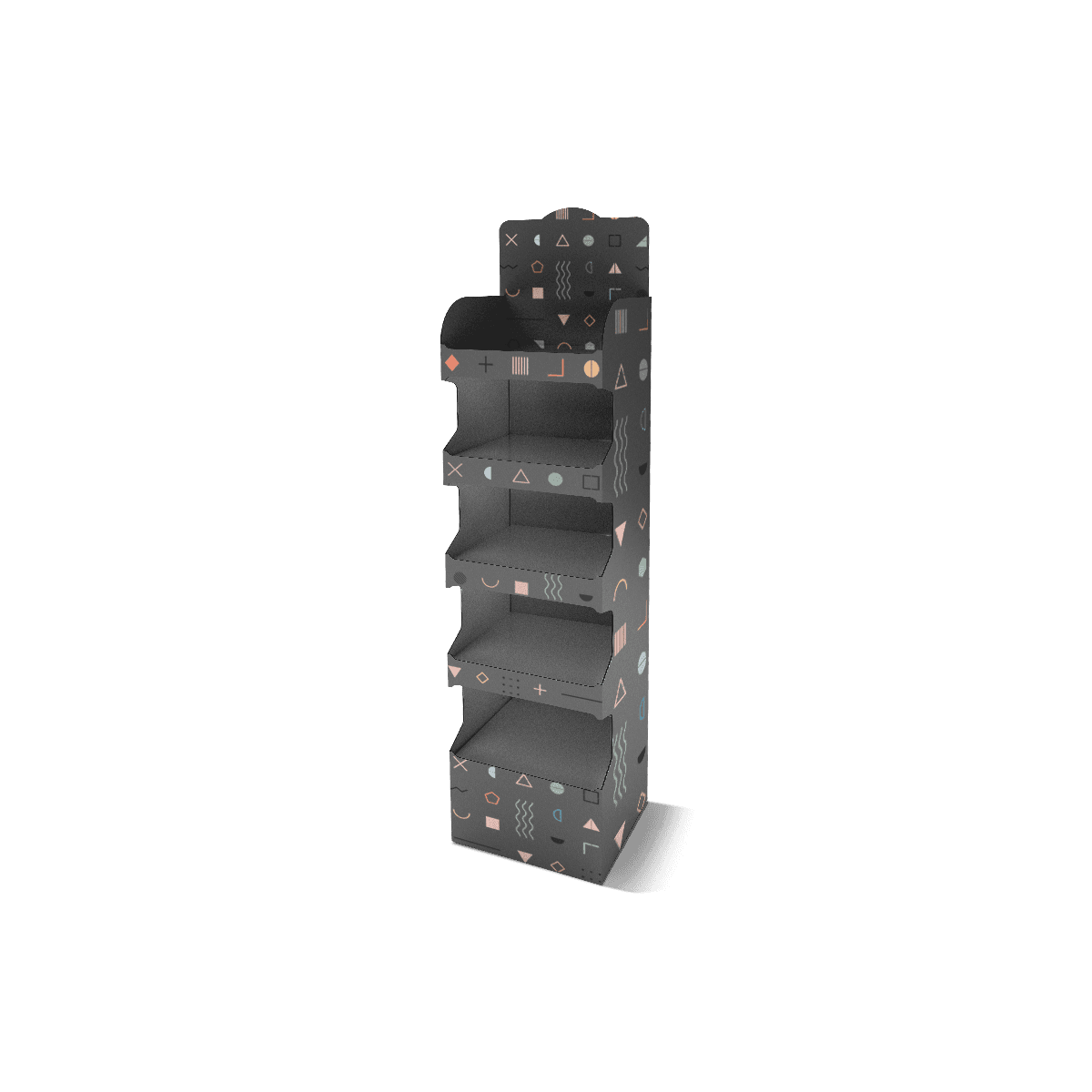
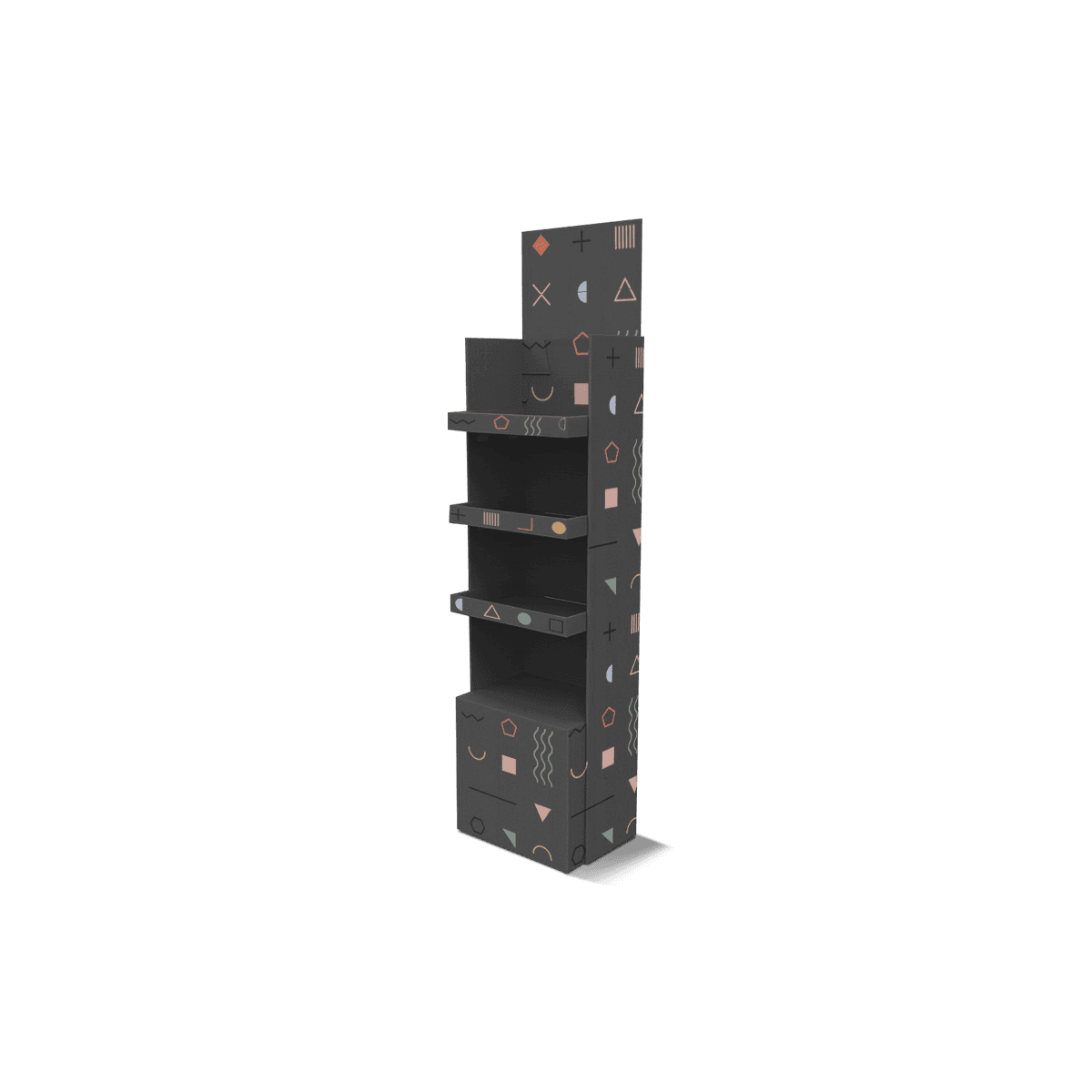
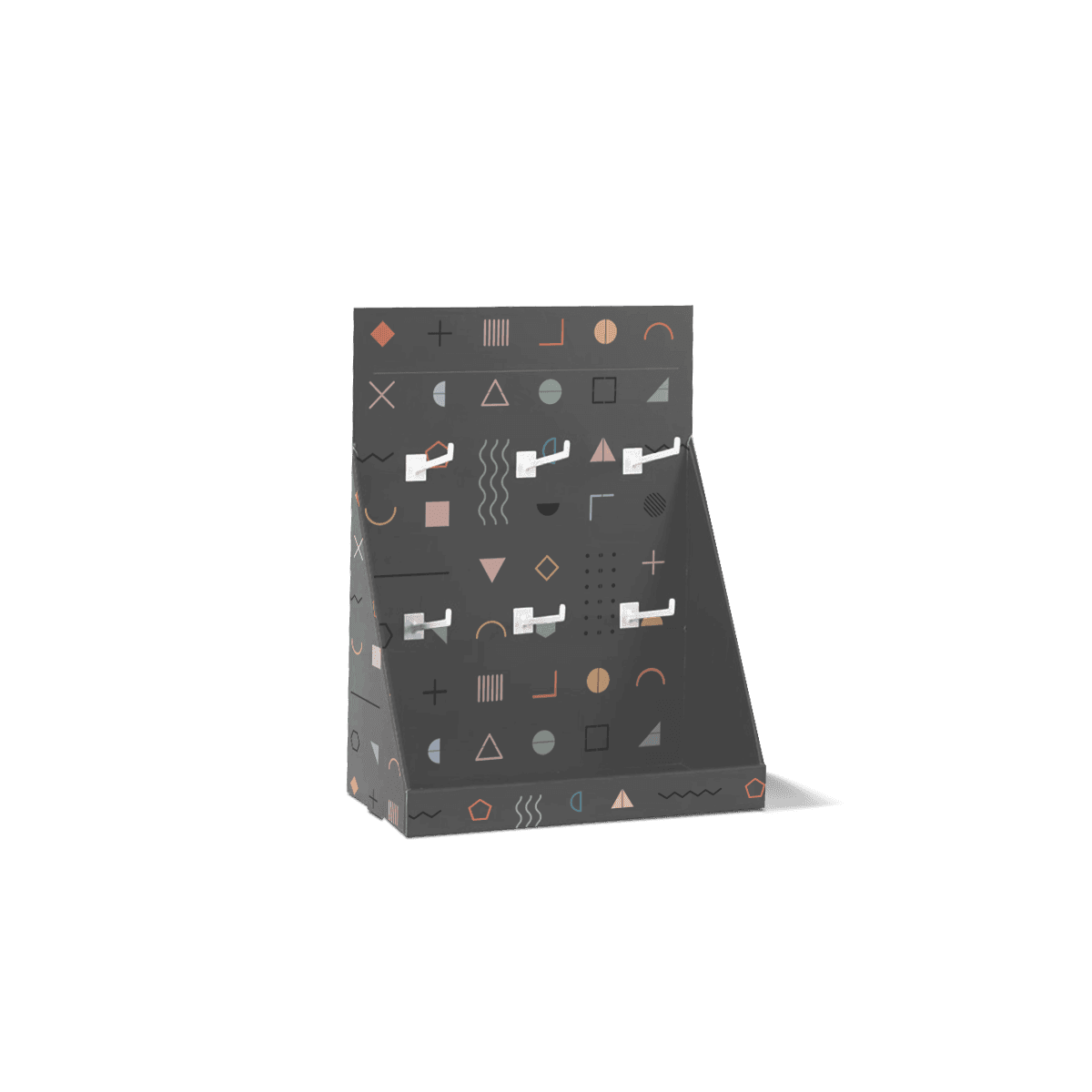
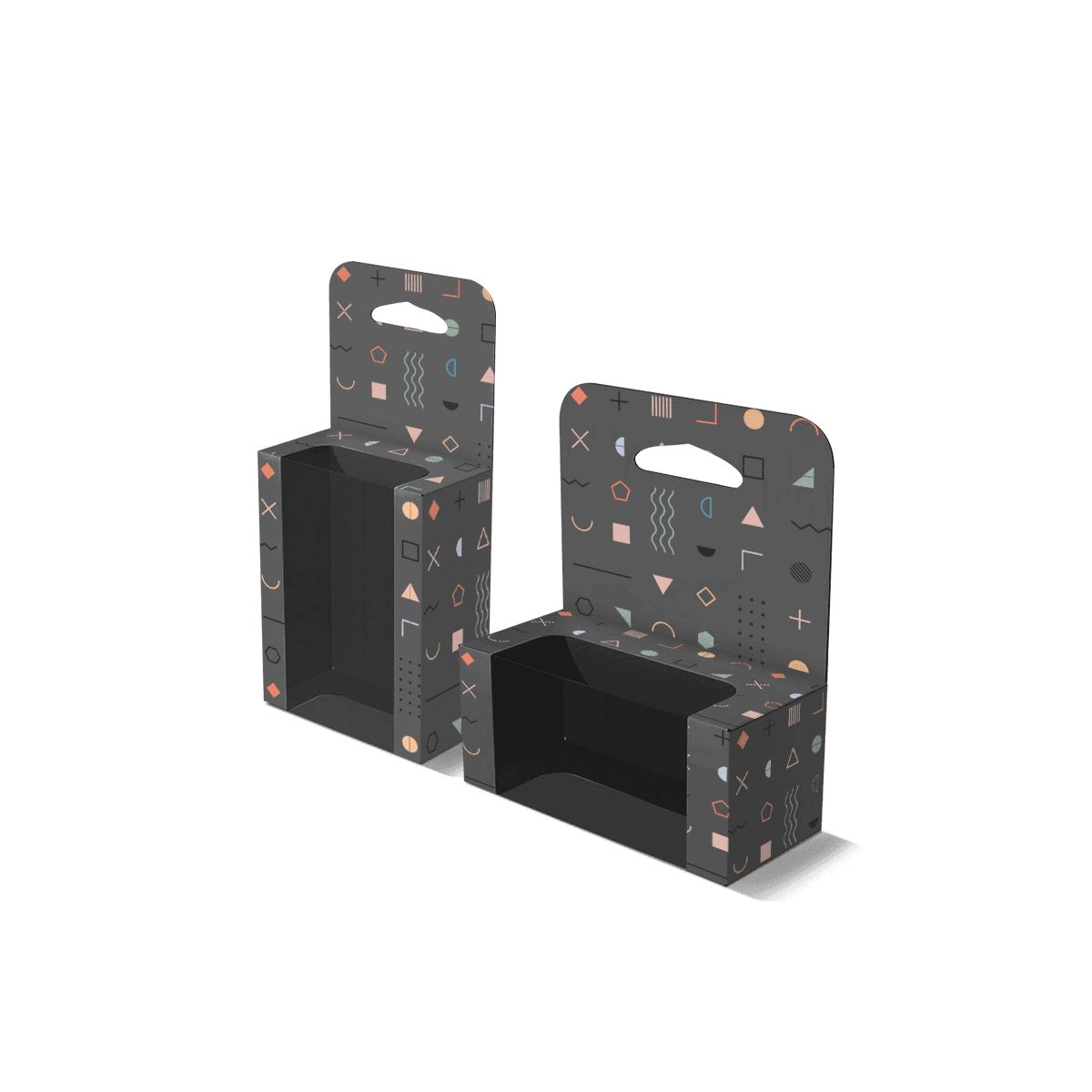
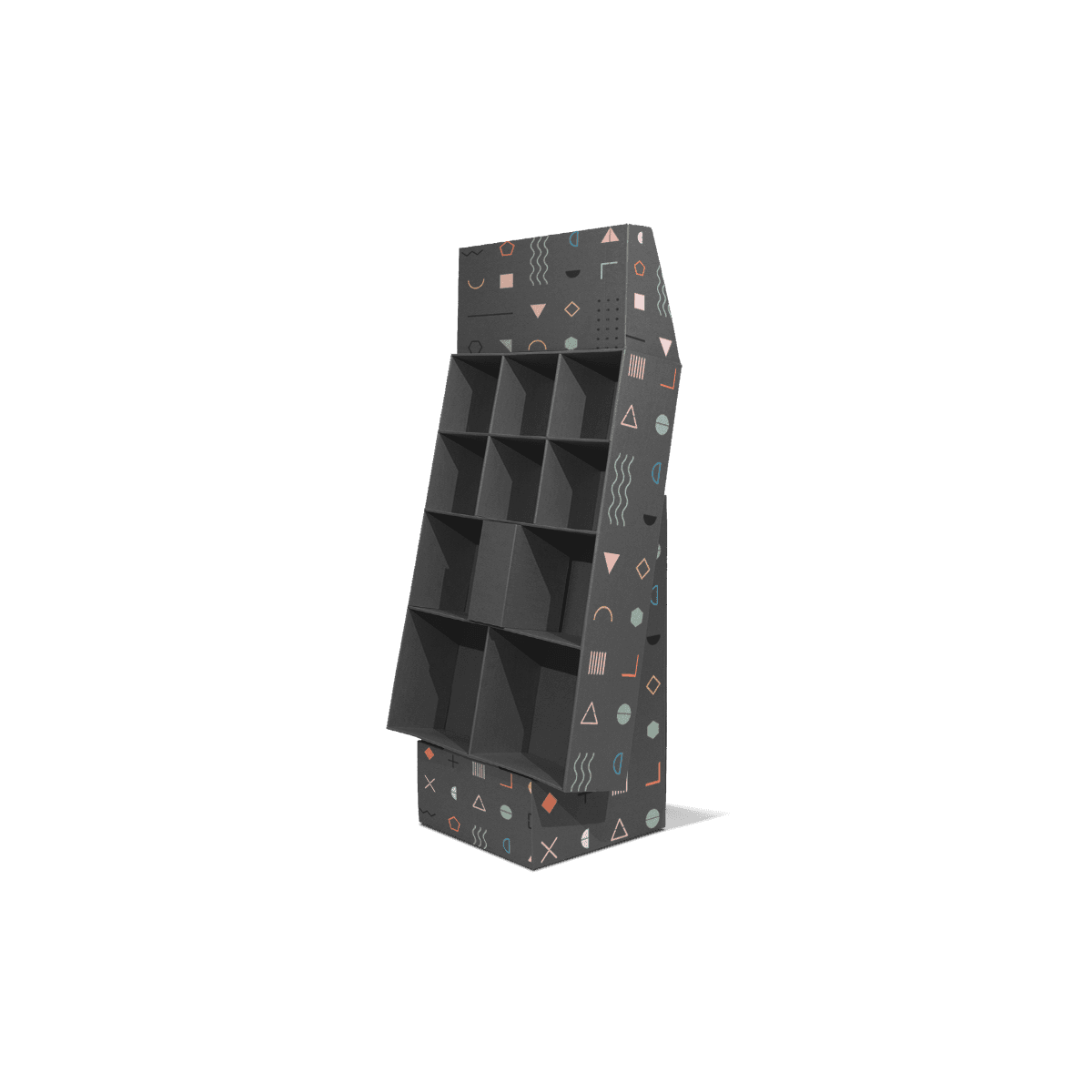
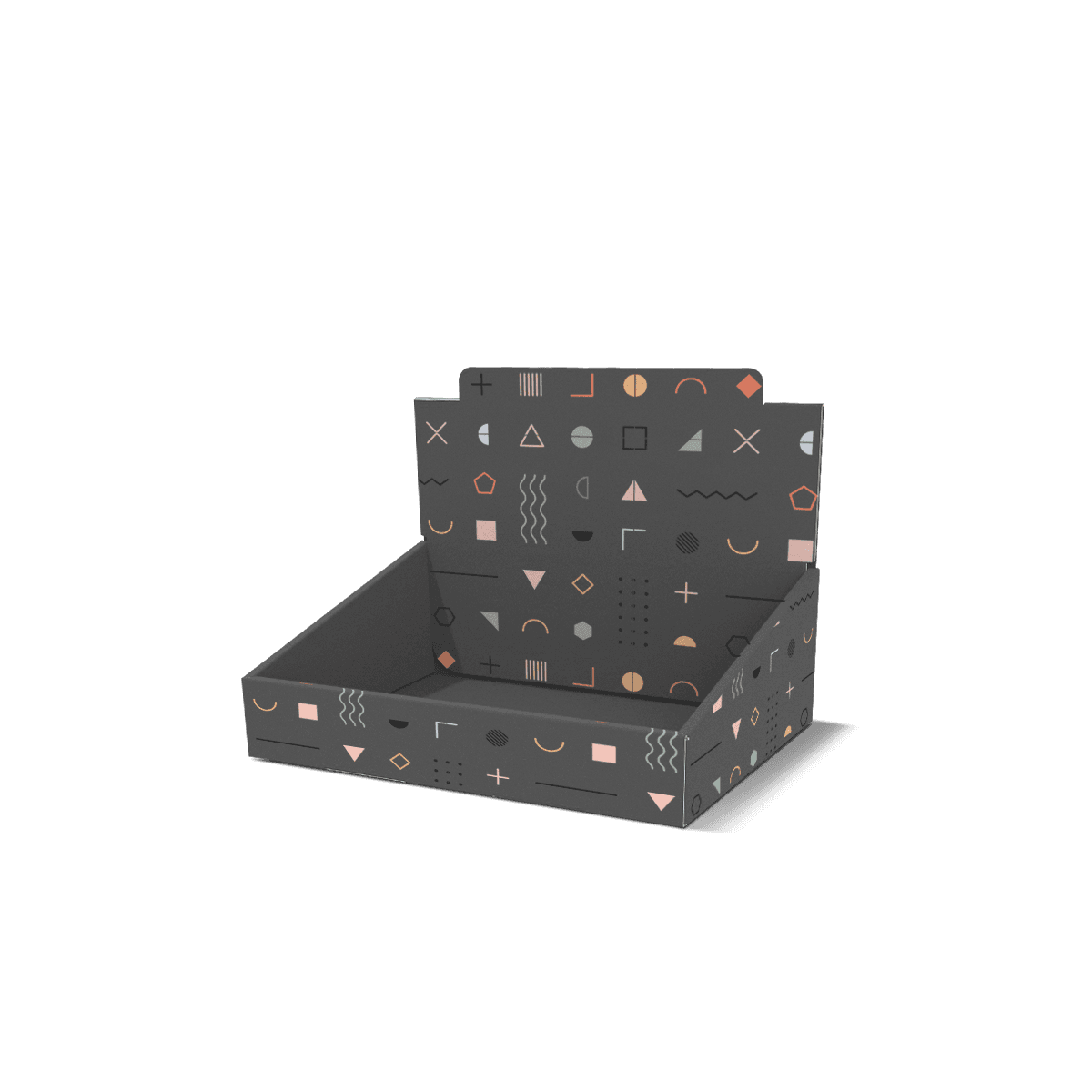
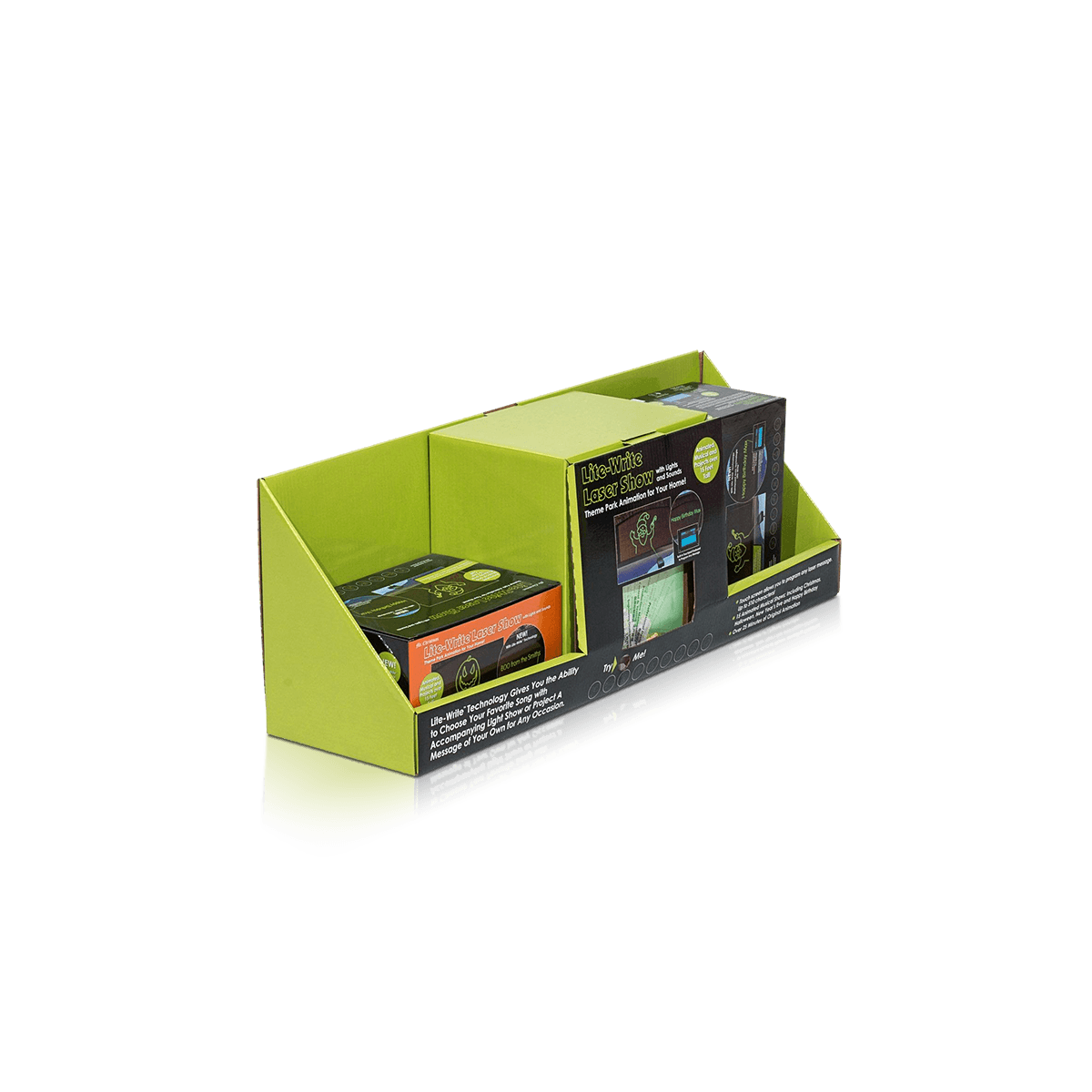
The mounting connection is the defining structural feature of a power wing display.
A cardboard body may be strong enough to hold the merchandise but still be unsuitable if its attachment points cannot transfer that weight into the supporting fixture.
The hardware, mounting position and retailer's fixture requirements must be established before the structure is finalized.
Mounting Hardware
Power wings can use compatible hooks, brackets, hangers, clips or other retailer-approved attachment systems.
The correct hardware depends on the fixture.
A wire-grid mounting arrangement may require different attachment components from a slotted metal upright. A display intended for a dedicated sidekick bracket needs to match that bracket's geometry.
The mounting specification should establish the attachment spacing, engagement depth, orientation and method of securing the display.
Do not assume that a hook or bracket suitable for one retailer will fit another retailer's fixtures.
For a store-specific promotion, the retailer's fixture drawings, approved hardware specifications or an actual mounting sample provide the appropriate starting point.
Reinforced Attachment Points
A simple hole cut into a cardboard back panel may not be sufficient for a loaded display.
Concentrated weight at the attachment can deform the opening or cause the surrounding material to tear.
Depending on the display's construction, reinforcement may involve doubled corrugated panels, folded structural flaps, additional backing pieces or separate mounting components.
The attachment must also account for the board's thickness and the direction in which the weight acts.
For a display suspended from two mounting points, both connections should be positioned to maintain the intended orientation.
If the connections are uneven or the body lacks sufficient stiffness, the display may tilt or twist.
The Outward Load
Merchandise positioned away from the mounting surface creates leverage on the attachment.
This matters especially for displays using long projecting hooks or deep shelves.
The combined weight of the merchandise is important, but so is its distance from the fixture.
A compact display holding products close to its back panel may impose a different bending load from one carrying the same weight farther outward.
As merchandise is removed, the distribution of the remaining weight can also change.
The fixture's permitted load, the attachment rating and the complete display construction must therefore be considered together.
For a custom configuration, a physical mounting assessment using the intended products and approved fixture is appropriate before a large retail rollout.
Previous-work sample examples can help establish material and construction expectations. When the exact attachment geometry needs validation, a fully custom physical sample can be arranged as a paid sample.