Skip to content
Details

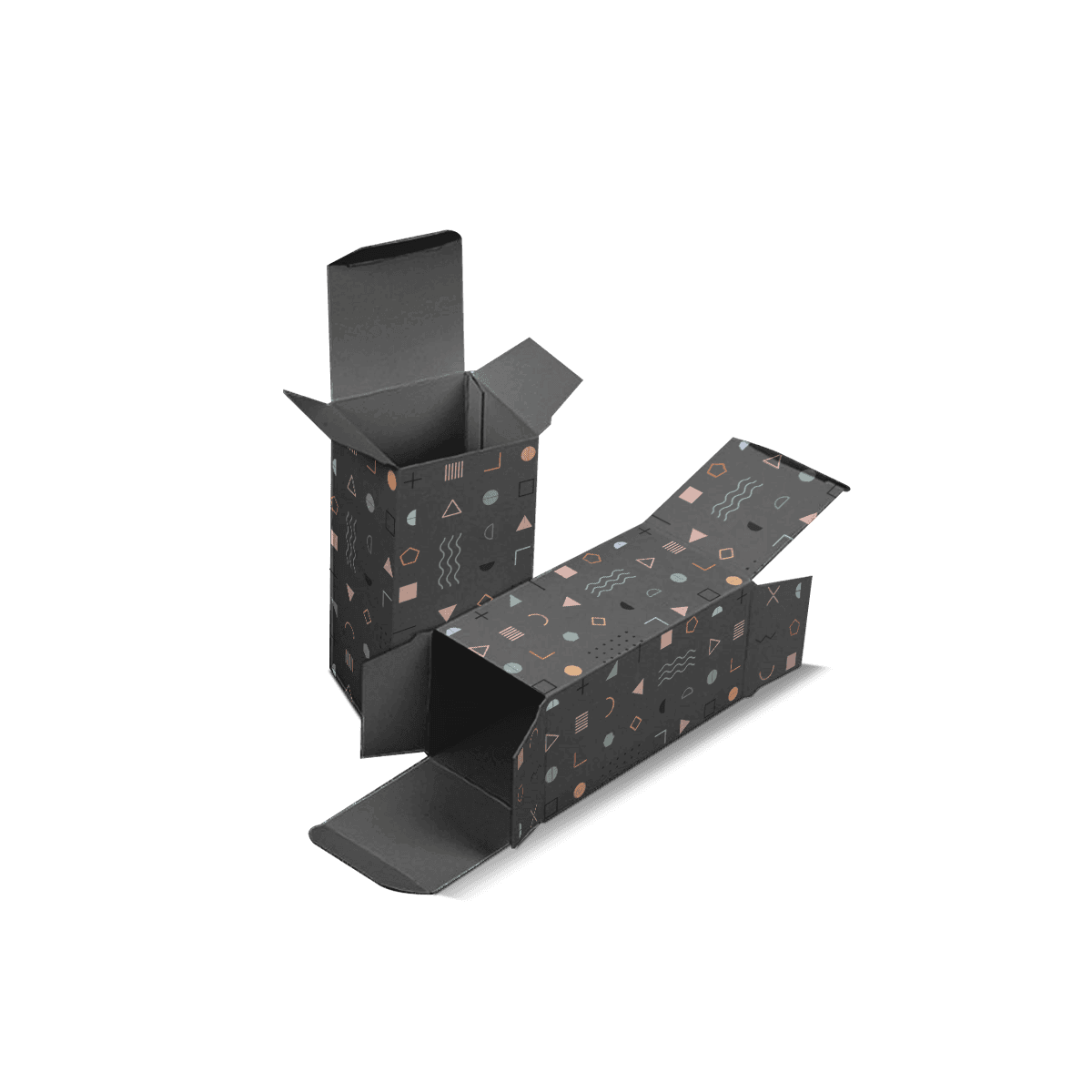
Custom French Reverse Tuck Boxes

A defined French reverse tuck carton for buyers who need a specific top-and-bottom flap orientation, cleaner visible edges and controlled retail presentation.

French Reverse Tuck Is a Specific Flap Arrangement

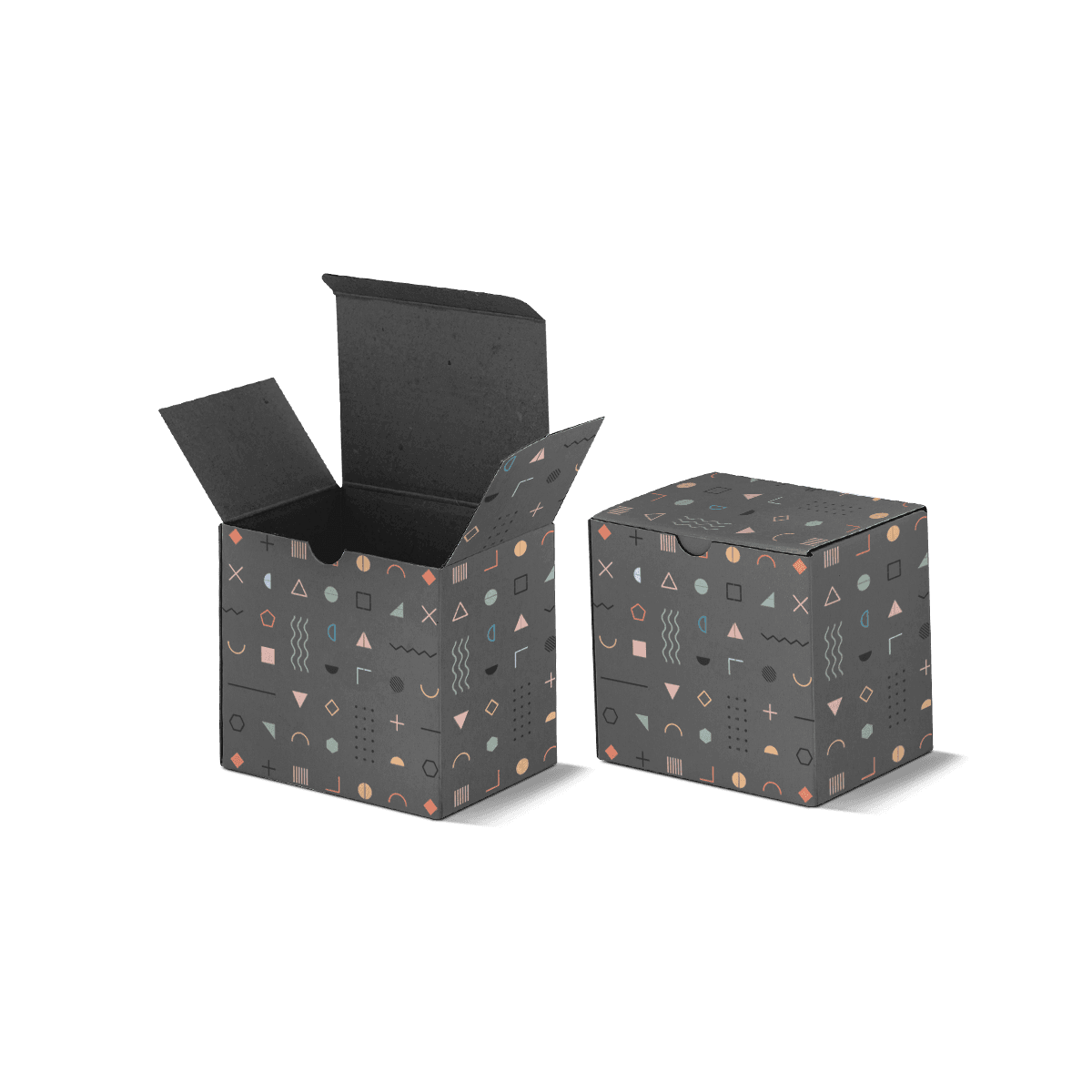
Custom French Reverse Tuck Boxes should be specified by the flat blank, not by styling language. In this construction, the top and bottom closures use a defined orientation that differs from the standard reverse tuck arrangement.

Industry references commonly identify French Reverse Tuck as its own folding-carton pattern because the closures originate and tuck in a different front-to-back sequence. That changes where raw cut edges appear and how the main display panels meet the ends.

The point of the structure is therefore panel presentation and closing geometry. If the dieline is identical to a standard reverse tuck, the French label has not created a different carton.
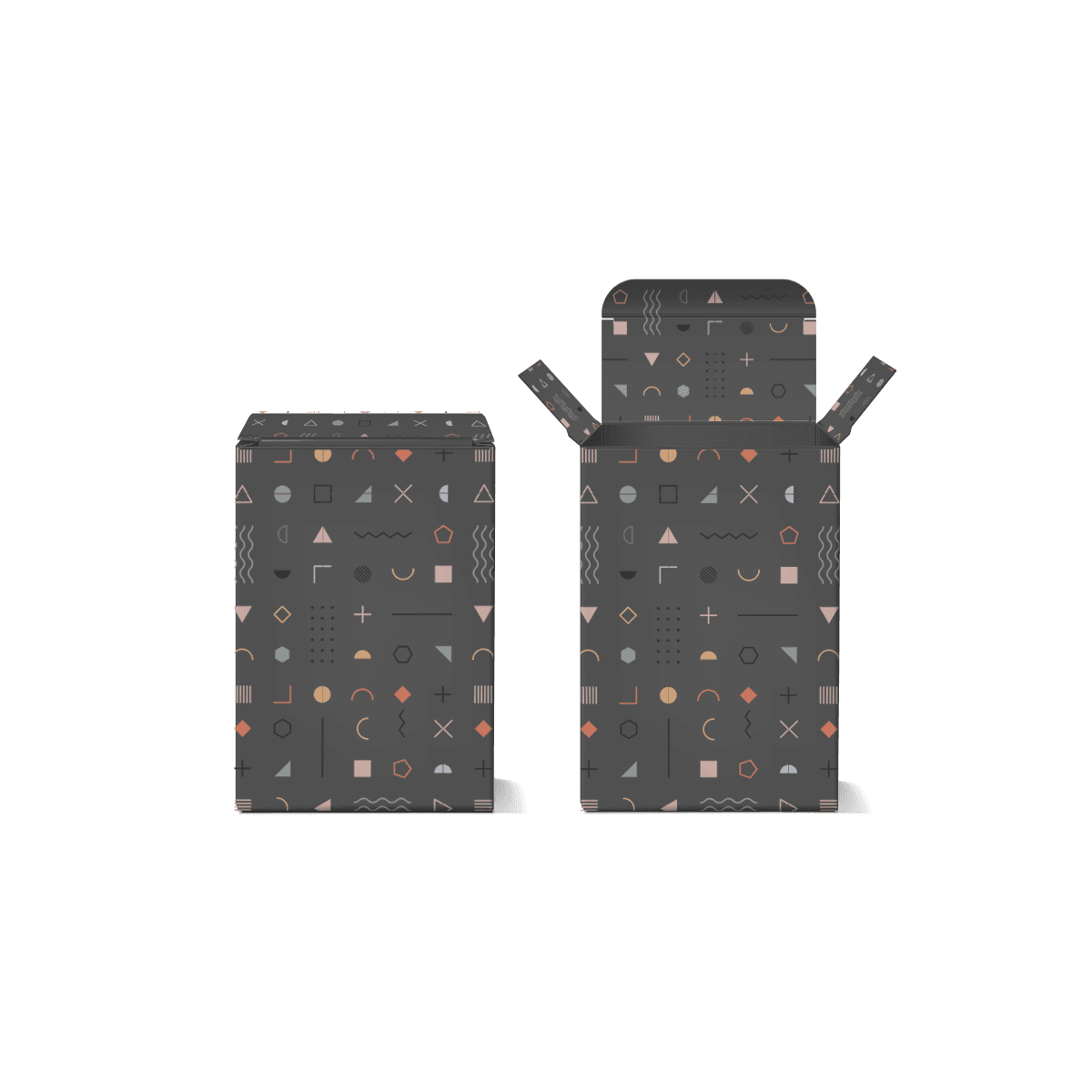
Move the Visible Edge on Purpose

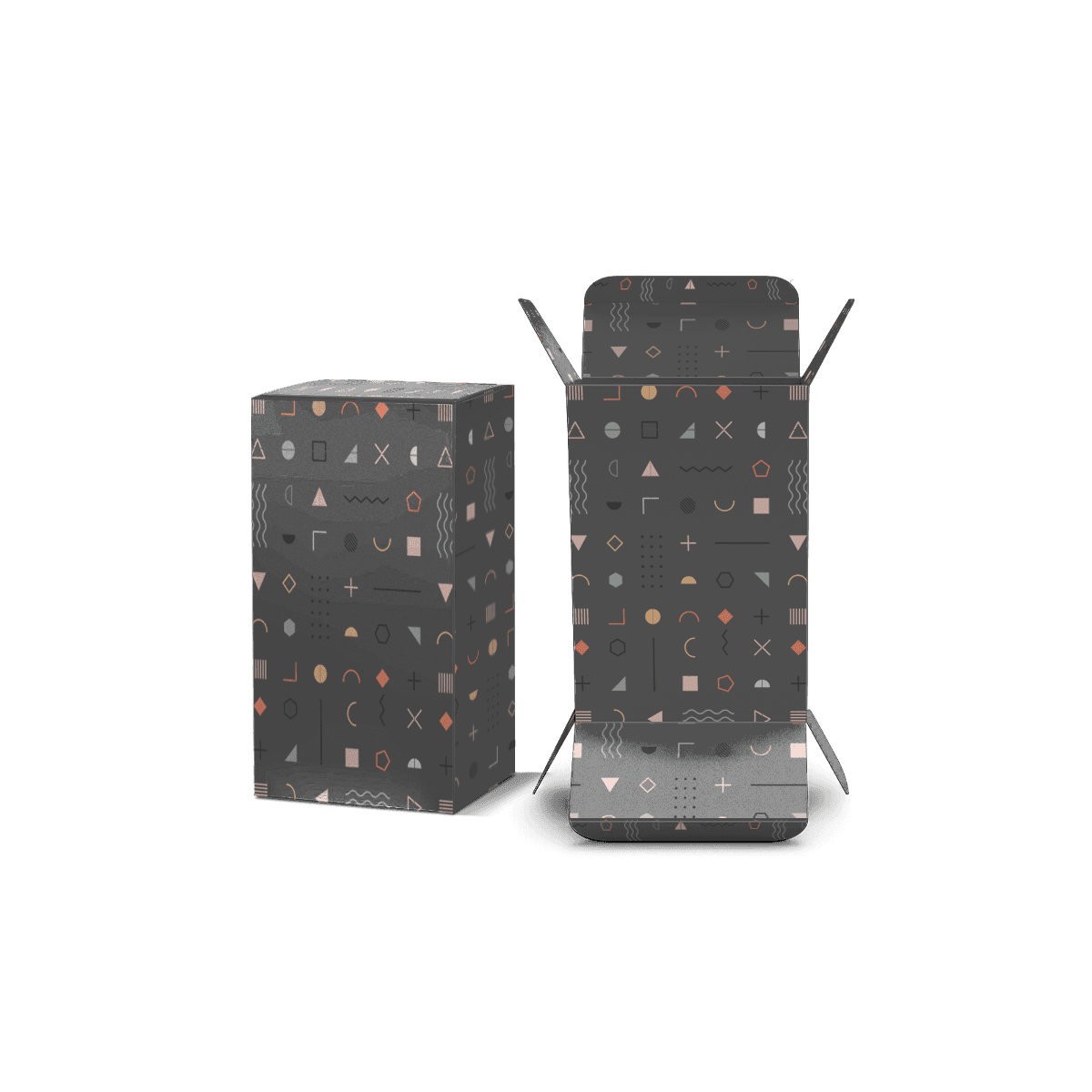
One reason to select this format is to control which lower edge is most noticeable on the finished carton. Moving the closure relationship can make a chosen face look cleaner for shelf display or photography.

That is a small structural change with a real visual effect. It matters most on minimal artwork, strong color fields or cartons where a raw white edge would interrupt a dark printed panel.

The decision should be made on an assembled sample because a flat PDF does not show which edge catches the eye once the box is closed.

Raw Edge Color Matters on Dark Artwork

A white paperboard core can create a visible line at a cut edge when the exterior is printed black, navy or another deep color. French reverse tuck becomes more valuable when its flap orientation moves that edge away from the main viewing face.

That does not remove every exposed edge. It lets the dieline place the most noticeable closure relationship where it does less visual damage.

For natural kraft or light artwork the difference may be less important, so the structure should still earn its place through the actual presentation and packing need.

Map Top and Bottom Before Artwork

The artwork file should clearly identify front, back, top and bottom before design begins. French reverse tuck geometry can be easy to misread when a designer starts from a generic reverse-tuck template.

Put product names, hero graphics and key claims on the intended display face only after the closure direction has been verified. Keep small copy, barcodes and finish boundaries away from creases and lock features.

A correct dieline is the control document, and packaging dielines show how crease, cut, bleed and safe areas carry into production.

Locks Can Change the Closing Feel

Depending on the dieline, friction-fit or slit-lock details may be used to improve closure retention. Those features should be chosen around how often the carton will be opened and whether the product is packed by hand or on equipment.

A stronger lock is not automatically better. It can slow packing or make opening feel harsh if the product only needs a light retail closure.

Confirm the lock geometry on the actual board because caliper and crease quality change how firmly the tuck engages.

Small Cartons Make Edge Alignment More Obvious

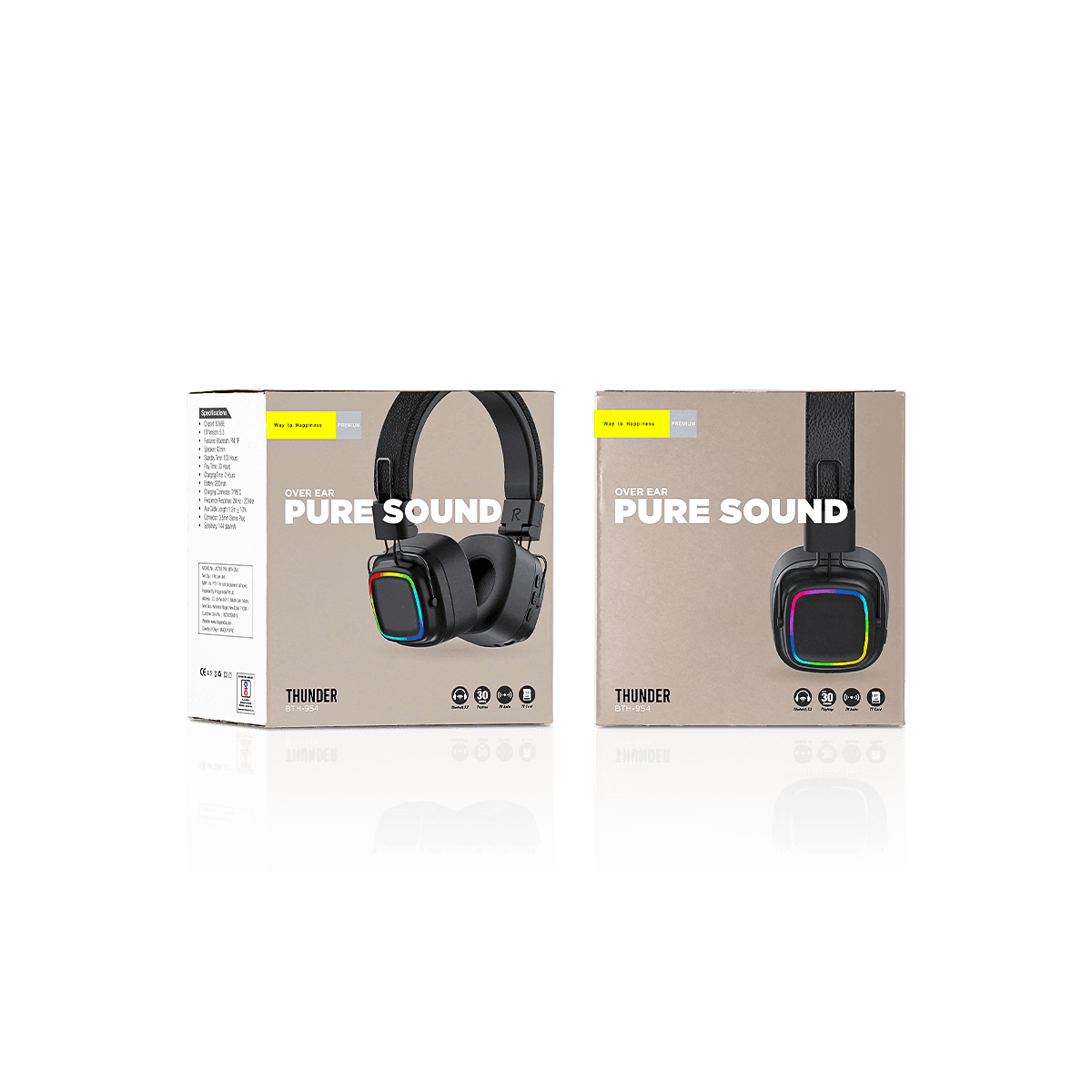
On compact cosmetic, wellness or accessory cartons, there is little visual distance between the logo, corner and closure. A millimeter-scale shift can therefore look more noticeable than it would on a large box.

Keep borders and narrow frames away from the exact cut edge unless the converter's registration tolerance has been allowed for in the artwork. Solid color can be more forgiving than a fine line intended to meet the corner perfectly.

The assembled proof should be viewed at normal retail distance and in close-up because small premium cartons are often handled only inches from the customer's eyes.

Product Weight Still Limits the Structure

French reverse tuck remains a folding-carton solution for relatively light products. The refined edge arrangement does not turn a tucked base into a heavy-duty bottom.

For bottles, jars or dense components, check whether the bottom closure stays flat and seated under load. If the product pushes the tuck outward, move to a stronger base instead of relying on thicker paperboard alone.

Custom Auto-Lock Bottom Boxes suit projects where a pre-glued base and faster erection matter more than reverse-tuck panel presentation.

Windows Need a Stable Frame

A die-cut window can work when enough board remains around the cutout and the closure does not force stress into the opening. The window position should follow the product reveal and structural panel, not simply the largest blank area.

If an insert holds the product behind the window, set that geometry before exterior depth is approved. Otherwise the product can sit too far back, rotate or press against the film.

For insert decisions, foam, cardboard and molded-pulp inserts can help separate retention from cushioning.

Carton Erection Should Stay Intuitive

A structurally distinct tuck arrangement should not create an unnecessarily confusing packing routine. Mark the opening end and product orientation clearly in internal work instructions when staff handle several similar cartons.

If packers repeatedly close the wrong end first or rotate the carton to understand the flap sequence, the theoretical presentation benefit may be costing labor at the bench.

Run a short packing trial with people who did not design the box. Their mistakes often reveal whether the structure is self-explanatory enough for routine production.

Standard Reverse Tuck Is the Direct Alternative

The closest structural alternative is Custom Reverse Tuck-End Boxes. Both use opposing closure logic, but the flap orientation and visible-edge outcome should be checked on their actual dielines.

Choose French reverse tuck only when its specific panel relationship improves the finished pack or production requirement. Do not use it as a premium-sounding synonym.

This keeps both structures technically meaningful and gives buyers a reason to choose between them.

Printing Should Reinforce the Edge Decision

Once the cleaner display face is chosen, artwork can use that advantage. Large color fields, fine type or foil near the front edge should be reviewed in assembled form so the closing edge does not interrupt the intended effect.

CMYK suits full-color art while Pantone can help with a key brand color. Matte, gloss, soft-touch, foil, embossing, debossing or spot UV should stay clear of folds and areas that receive repeated finger pressure during closing.

When finish selection is still open, packaging finishes such as foil and spot UV can help match decoration to the actual carton surface.

A Premium Look Still Depends on Board Conversion

French reverse tuck can give a cleaner edge relationship, but it does not create premium quality by itself. Accurate creasing, square erection, controlled glue and clean trimming are what make the carton look precise.

Board should be thick enough for the panel span and product weight without becoming difficult to fold. Surface choice should follow the print and finish, while the grain and score setup support the actual closing motion.

Use structure and converting quality together. Decorative language cannot compensate for crushed corners or a tuck that refuses to sit flat.

Packing Method Decides How Much the Detail Matters

At low to moderate hand-packing volumes, operators can orient the carton deliberately and benefit from a closure that presents the chosen face cleanly. At higher speeds, the blank must also feed, erect and close consistently.

If the carton is going onto equipment, share the machine requirements before tooling. A visually cleaner edge has no value if the closure sequence does not match the line.

For manual work, test repeated close-open cycles and watch for crushed corners, awkward finger access or tabs that catch.

Approve the Assembled Edge

The final approval should compare the assembled carton from the shopper's viewing angle, not only the flat proof. Check the visible raw edges, closure alignment, panel squareness, product fit and opening action.

Custom Packly supports custom sizes, design and dieline help and 3D mockups. MOQ starts from 100 in the USA, with US production, free shipping and standard 4–6 day turnaround after final approval.

For pricing, send product dimensions and weight, quantity, board preference, print, finishes, opening direction and any window or insert requirement.

Repeat Production Needs the Named Dieline

Because French reverse tuck is easy to confuse with other reverse-tuck descriptions, repeat orders should reference the approved dieline rather than relying on the product name alone.

Keep the structural file, material, print orientation, lock detail and assembled reference with the SKU record. If a supplier change or tooling refresh occurs, compare the new blank against that approved master before volume production.

The repeat standard should make the physical distinction visible enough that a different reverse-tuck blank cannot be substituted accidentally.

FAQs

Because it keeps the carton lightweight, easy to assemble, and visually tidy. That makes it a strong fit for products that need shelf presence without the cost or bulk of a heavier box style.

French Reverse Tuck Boxes are usually chosen when brands want a slightly more refined front-facing presentation and a closure layout that feels cleaner for certain carton proportions. Standard Reverse Tuck Boxes are still highly practical, but this version can be the better pick when panel appearance and opening flow matter more.

Yes. They are commonly used for hand packing, but the structure can also support production efficiency when the dieline, board thickness, and glue setup are matched to the filling process.

SBS paperboard is a popular option for crisp graphics, while kraft and recycled paperboard suit brands that want a more natural or eco-focused look. Aqueous coating, soft-touch lamination, foil stamping, or spot UV can be added based on the product’s shelf position.

That is possible. A die-cut window, insert, or light divider can be added when the product needs extra display value, better retention, or more controlled presentation.

Process

How it works

Your Packaging Journey, From Idea to Production and Delivery

01

Tell Us Your Specs

Custom packaging boxes

Tell Us Your Specs

Provide size, quantity, printing, and finishes.

02

Get a Fast Quote

Custom packaging boxes

Get a Fast Quote

Instant transparent pricing, no hidden fees.

03

Design and Approval

Custom packaging boxes

Design and Approval

Artwork checks, revisions, and final sign-off.

04

Produce

Custom packaging boxes

Produce

Expert manufacturing to meet deadlines.

05

Ship to Your Door

Custom packaging boxes

Ship to Your Door

Hassle-free, flexible delivery options.

Get Your Quote for Custom French Reverse Tuck Boxes

Share your product details, size, quantity and artwork needs. We’ll help choose the right packaging style and send a clear quote.