Skip to content
Details

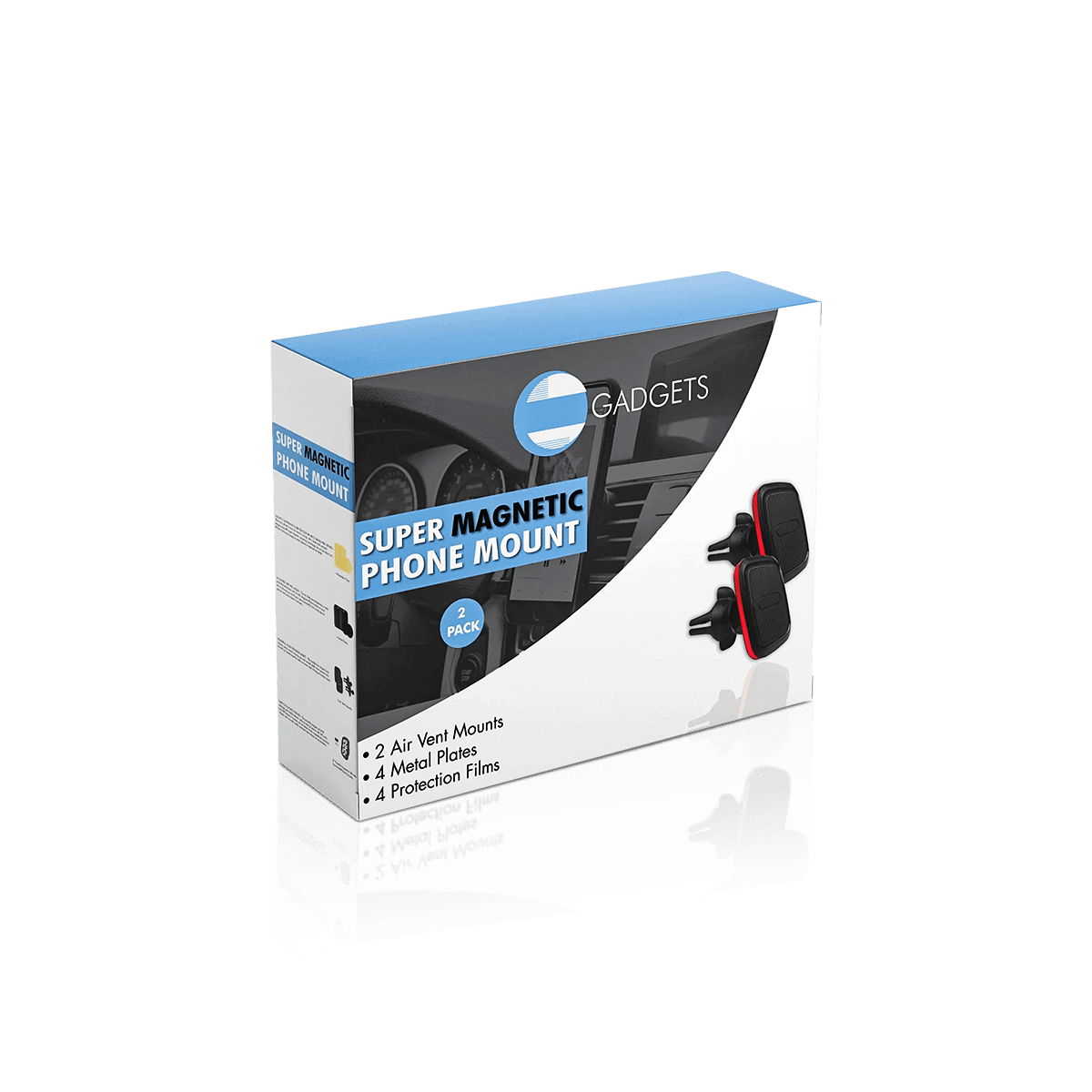
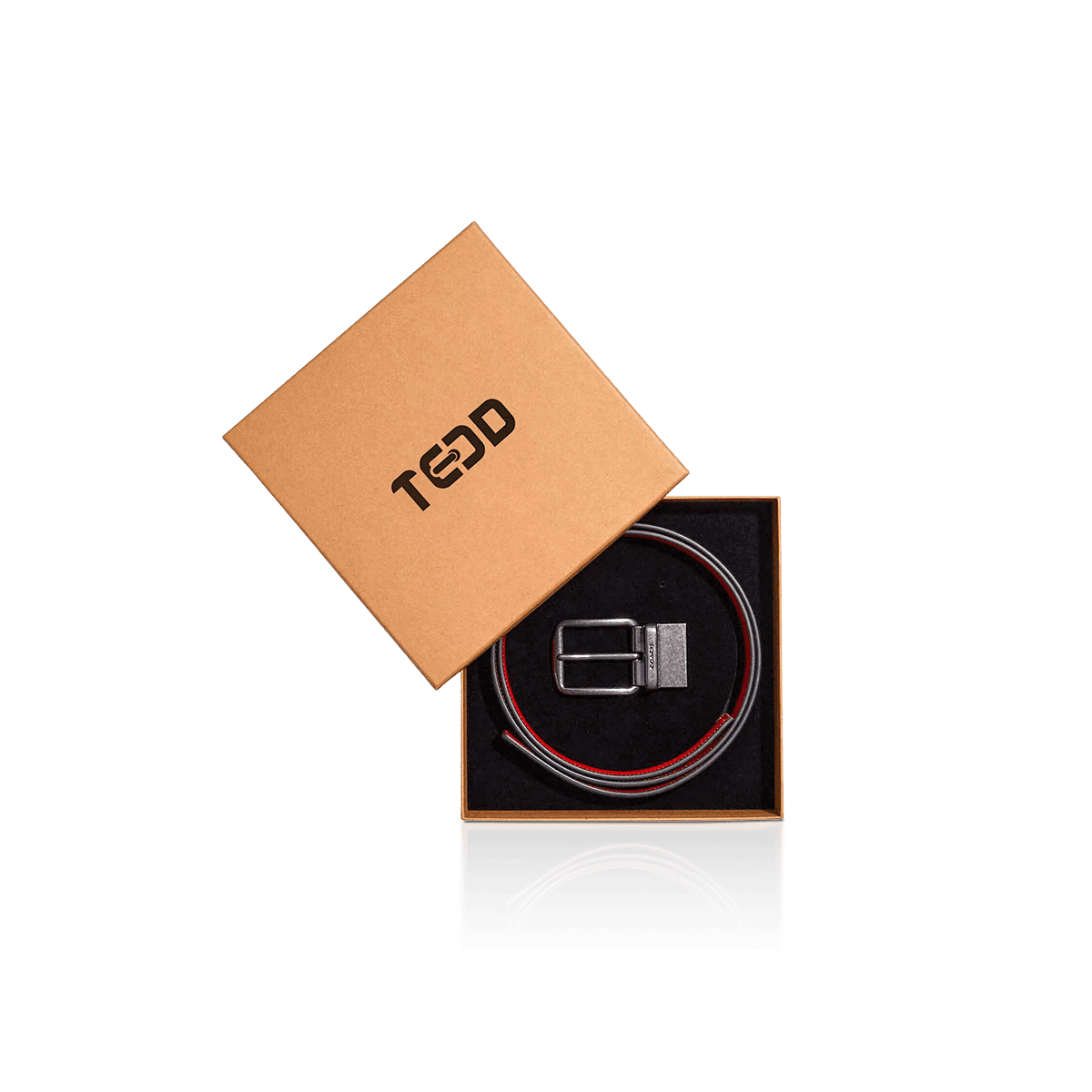
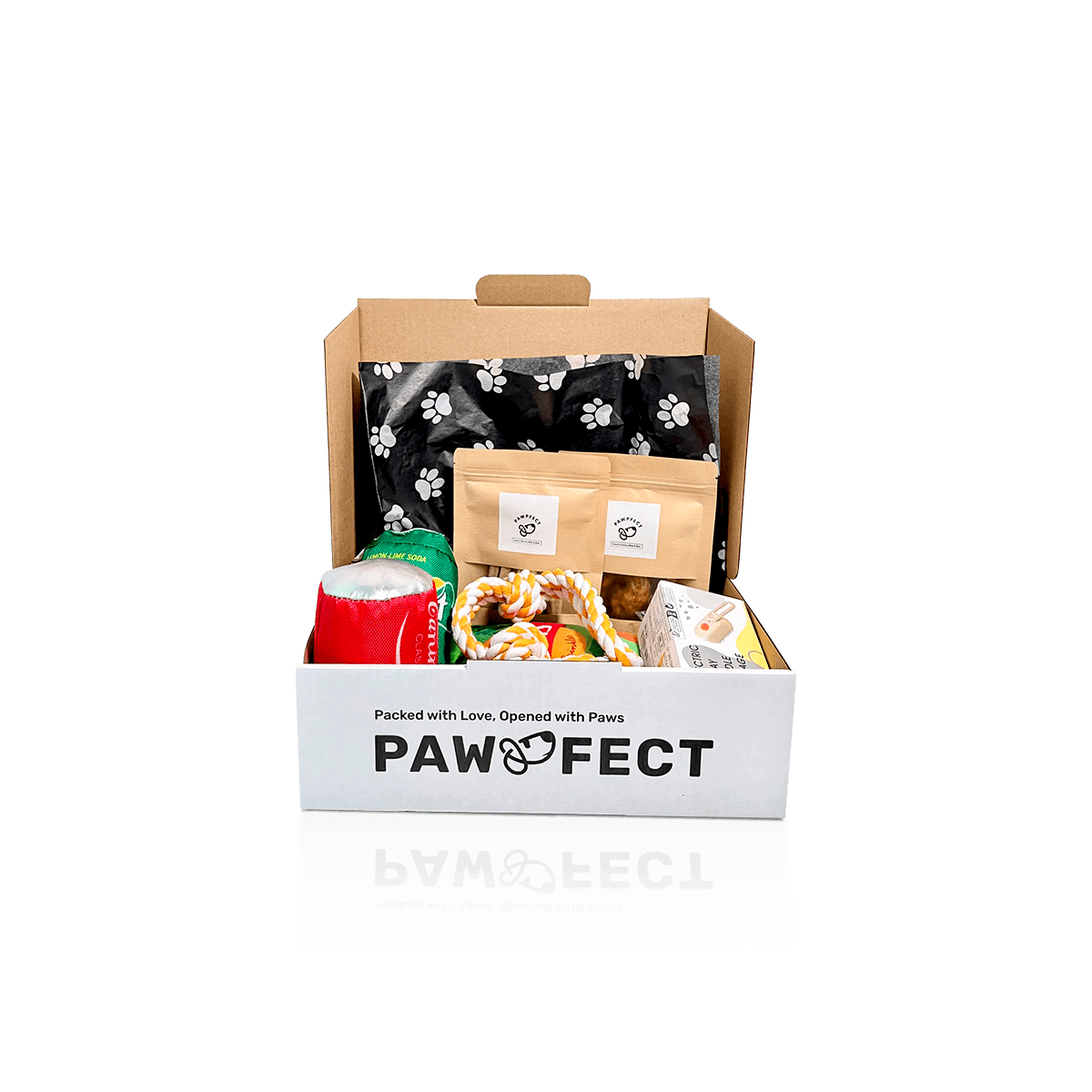
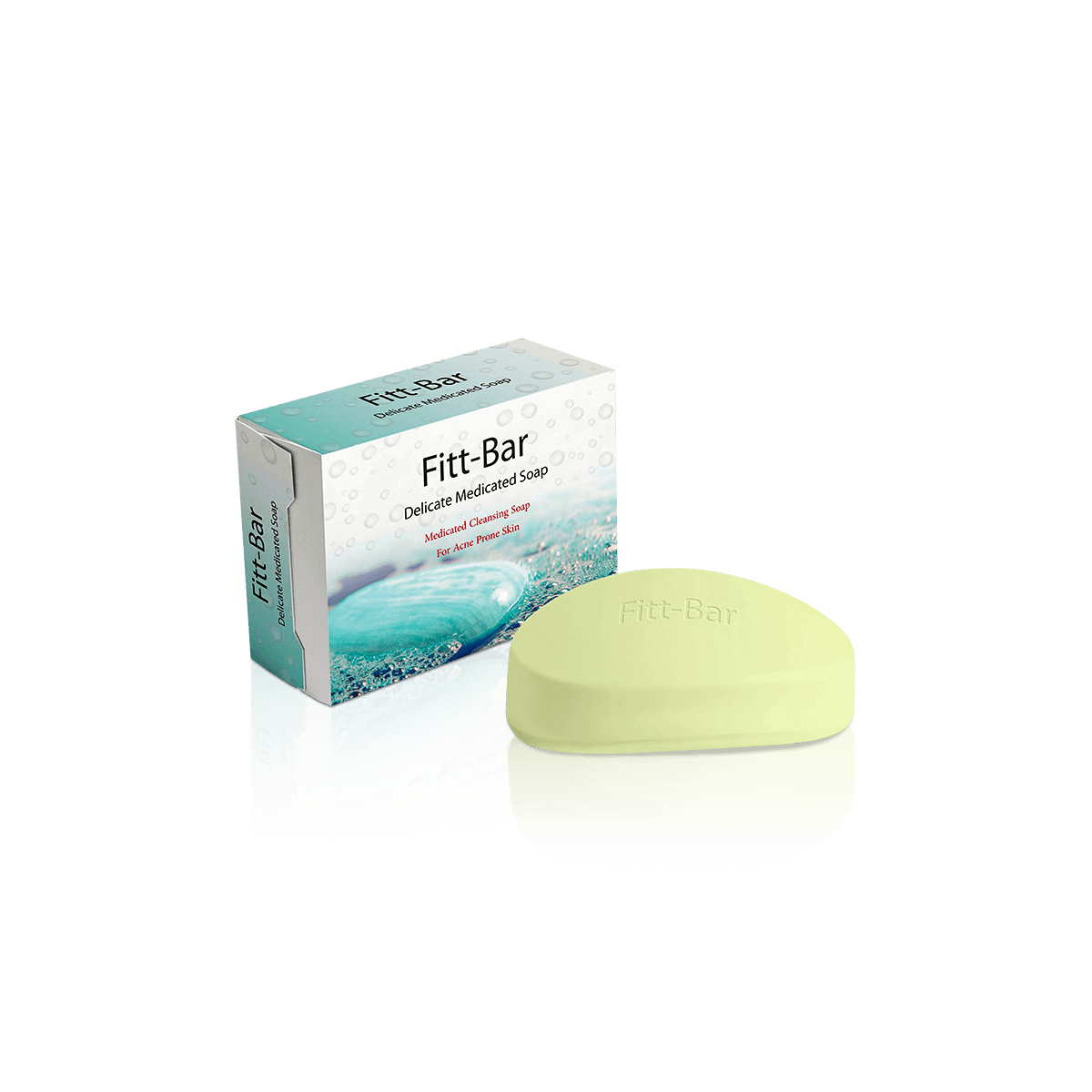
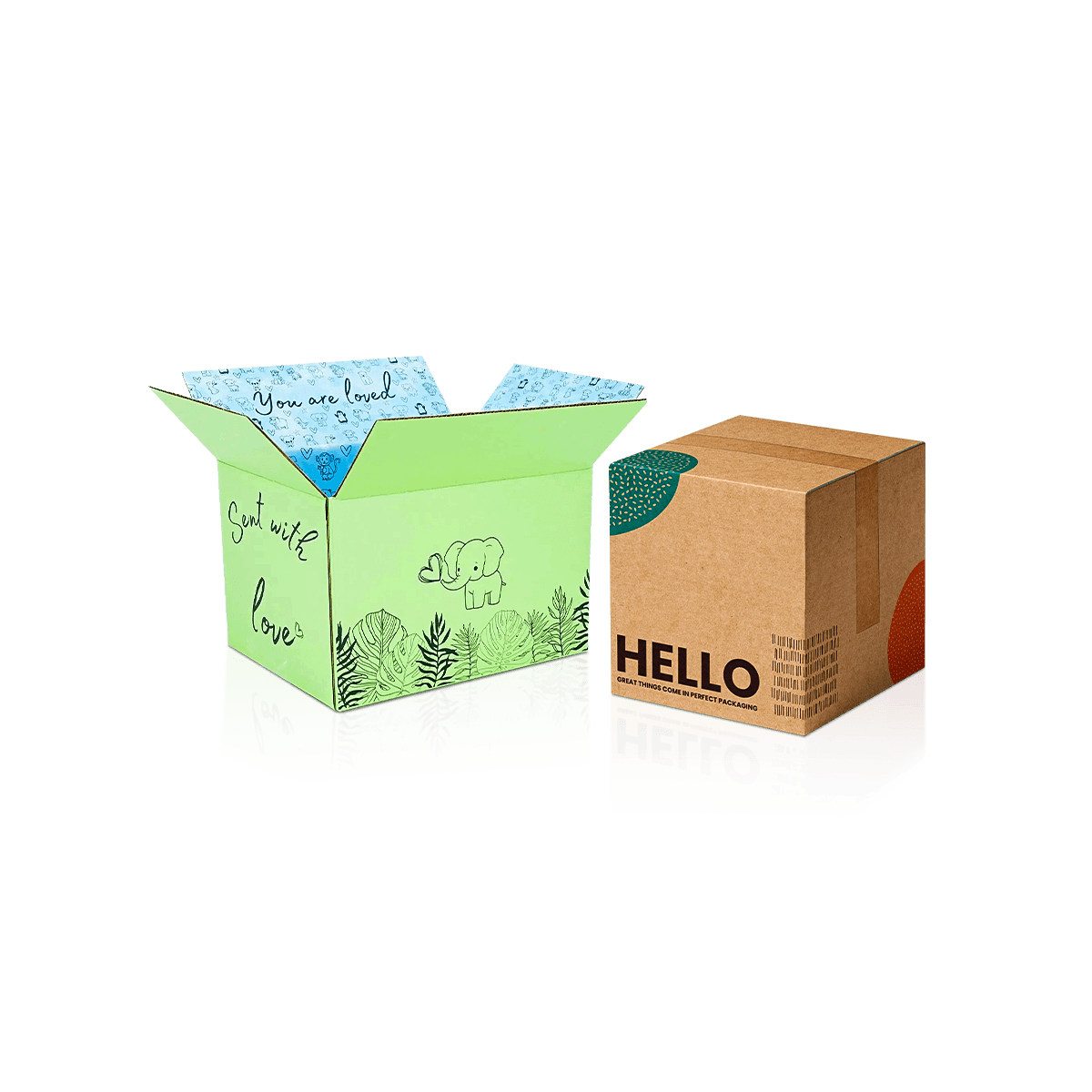
Custom Product Boxes

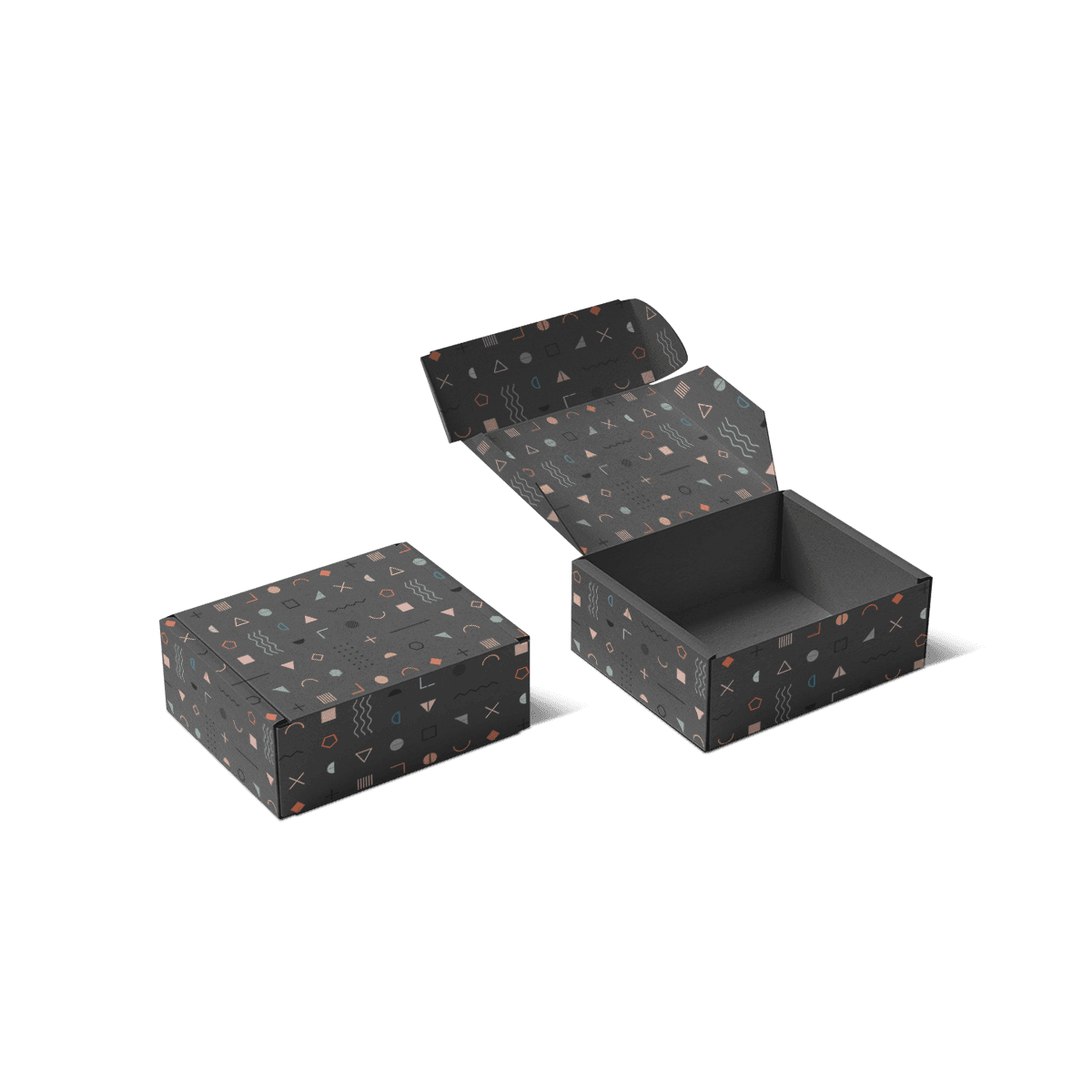
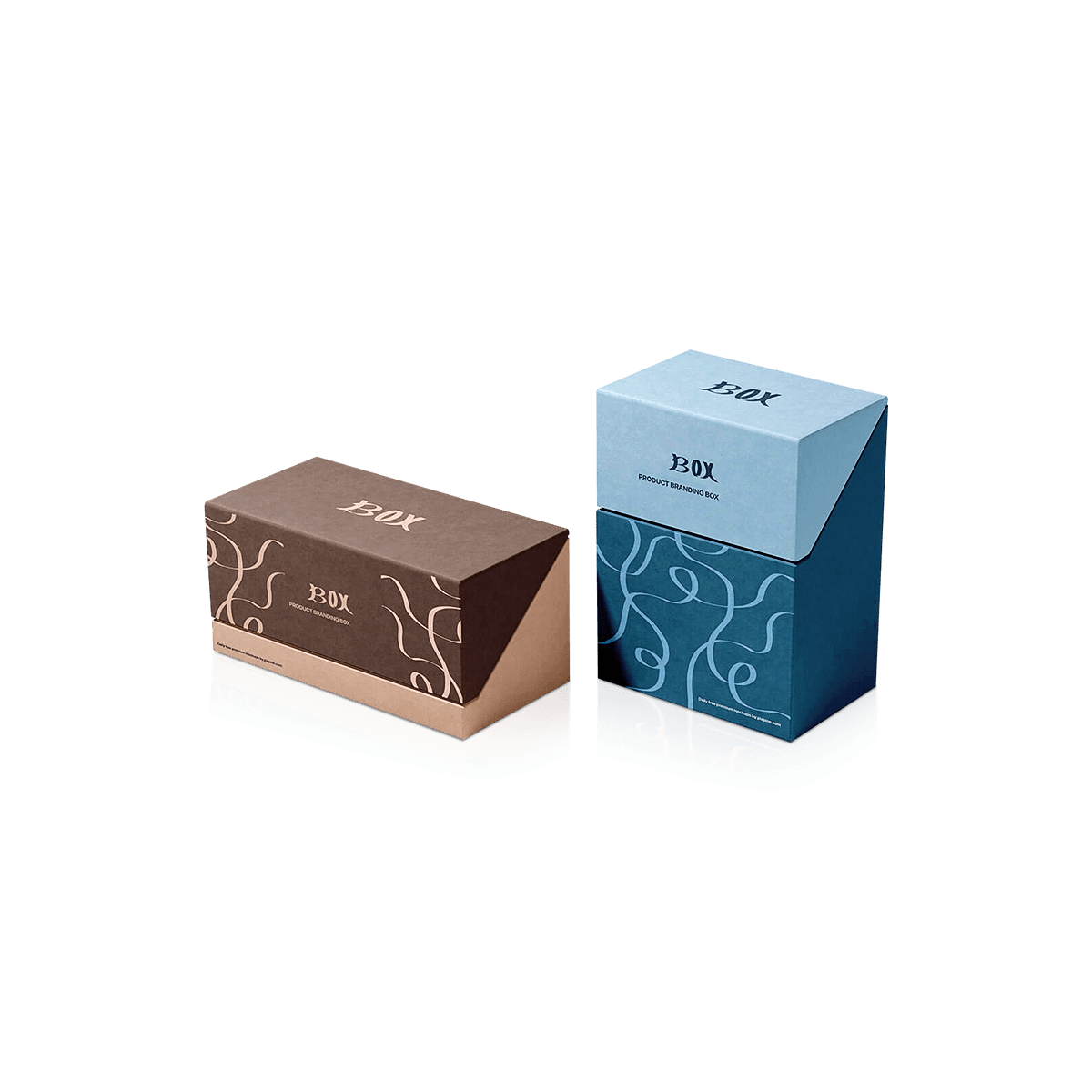
Primary packaging for individual e-commerce SKUs, built around the product’s selling unit, physical risks, brand identity and the outer package that carries it to the customer.

The Box Defines the Selling Unit

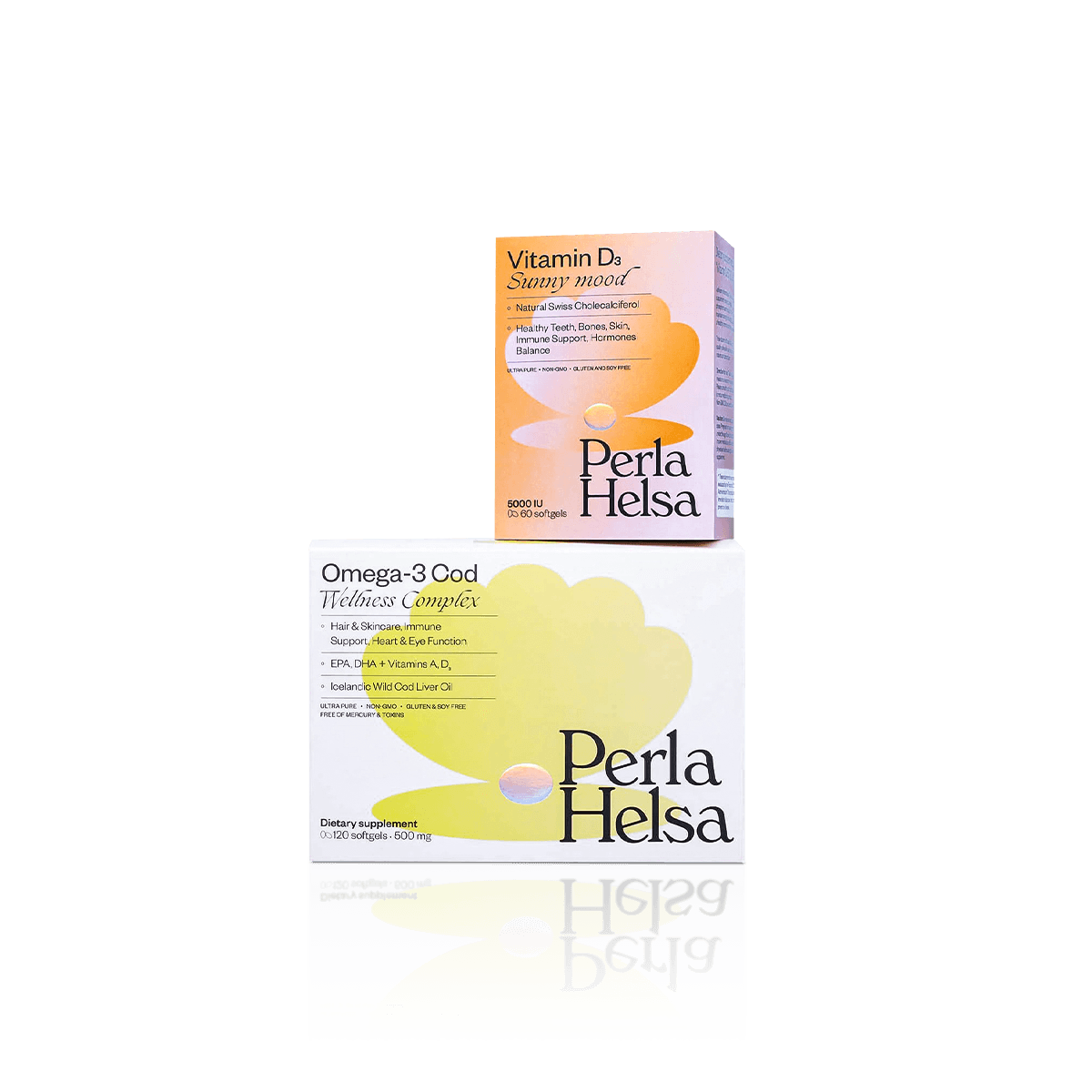
Before an e-commerce product enters a mailer or shipping carton, it often needs a package that makes the item complete as a sellable unit.

That is the role of a Product Box.

It may hold one skincare bottle, a grooming tool with accessories, a supplement container, a small electronics product or a boxed apparel accessory. The structure changes, but the job stays consistent: identify the SKU, contain the complete purchase and present it in a controlled form that can move through inventory, fulfillment and customer delivery.

That gives Custom Product Boxes a different role from parcel packaging.

Across e-commerce retail packaging, a product box can sit inside a mailer or shipping carton rather than being expected to perform every shipping task itself.

It also separates this packaging from a structure-first decision. The customer may know the product needs its own box without yet knowing whether that box should be paperboard, corrugated or rigid.

For projects that begin with the item rather than a known box type, custom product packaging can frame size, weight, fragility and route to customer before the structure is chosen.

The first question is therefore not “Which box style looks best?”

It is “What exactly counts as one finished product unit?”
Establish What Goes in One Unit

Product packaging becomes much easier to specify once the selling unit is fixed.

A bottle alone creates one requirement. The same bottle sold with a pump, applicator and instruction card creates another. A device with a charging cable is not the same packed object as the device by itself.

Everything the customer receives as part of that SKU should be considered before the box dimensions are approved.

That includes:

  • the primary product
  • permanent accessories
  • instruction cards or booklets
  • protective sleeves or wraps
  • inserts or dividers
  • promotional components that ship in every unit

Temporary warehouse documents or parcel paperwork usually belong outside that primary pack.

This distinction prevents the box from being approved around an incomplete product.

A brand may measure the main item, order cartons and later discover that the accessory bag has nowhere to sit except on top of the product. The carton technically closes, but the complete selling unit was never designed.

Orientation Is a Packaging Decision

The same product can require different box proportions depending on how it sits.

An upright bottle may create a tall narrow carton. Laying it horizontally can shorten the pack but increase its footprint. A device shown face-up may need support underneath. Turning it on edge might reduce width but create pressure on a control, connector or decorative surface.

The best orientation balances protection, presentation, packing and total package size.

It should not be chosen from product photography alone.

Structure Follows the Product’s Job

Product Boxes are deliberately broader than one construction.

The right material and opening system depend on what the primary package has to accomplish before the parcel layer is considered.

Paperboard Keeps the Unit Lean

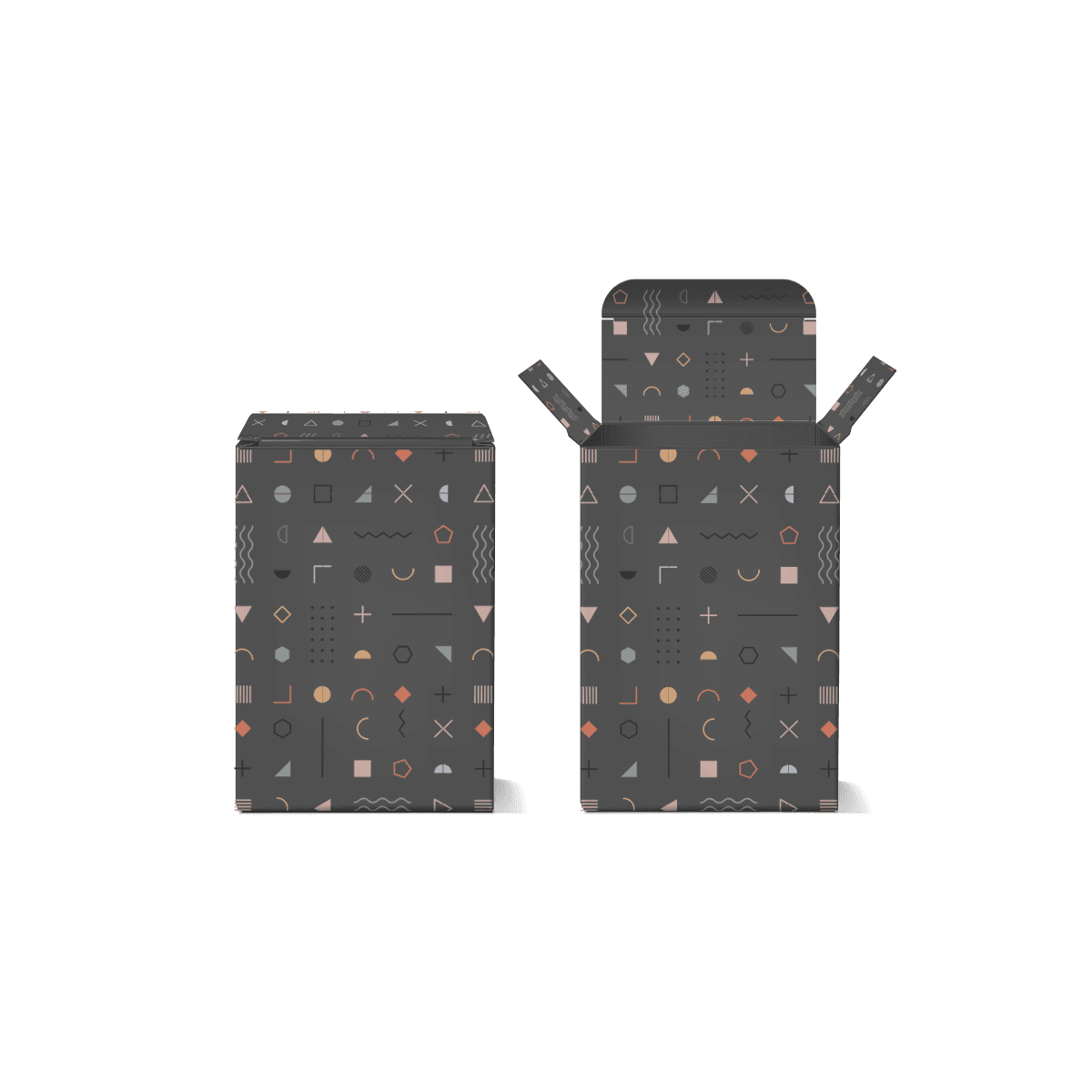
For lighter products, Custom Folding Cartons keep the primary pack compact, printable and efficient to store before assembly.

They suit products that need clean panels for branding, instructions, variants or barcodes without the bulk of corrugated board.

Paperboard makes less sense when the product weight, dimensions or vulnerability place too much load on the carton walls or bottom.

Corrugated Adds More Physical Structure

Corrugated construction becomes more relevant as products become larger, heavier or harder to control.

A compact device set, dense household item or multi-component product may need the extra thickness and edge strength even if the box itself is still treated as the product package rather than the final parcel.

The flute and board should reflect the actual load. Adding corrugated material solely because the product is sold online can create unnecessary thickness around a light item.

Rigid Board Changes the Positioning

For higher-value products where the package is meant to remain part of the experience, E-commerce Rigid Boxes shift the emphasis toward presentation, retention and a more substantial opening.

That comes with greater material, assembly and storage demands.

Rigid construction should therefore solve a value or presentation requirement rather than become the automatic upgrade for every premium-priced SKU.

Internal Fit Should Control Behavior

A product does not have to be clamped tightly to be well fitted.

It needs enough working clearance to enter and leave the box without abrasion while avoiding enough free space to build movement during handling.

The exact approach depends on shape.

A rectangular inner carton may naturally restrain a rectangular product. A round jar inside a square box creates corner space. A pump bottle introduces a vulnerable projection. A kit introduces several independent masses that can move differently.

These conditions determine whether the outer walls alone are enough.

An Insert Needs a Defined Assignment

An insert should solve an identifiable interior problem.

It can hold orientation, separate components, support a fragile area, raise the product for presentation or prevent hard surfaces from contacting one another.

The differences among foam, paperboard and molded pulp inserts matter when the primary pack needs more than simple containment.

Do not add an insert merely because premium packaging often contains one.

For a single durable product that already fits cleanly, an extra tray may add material and packing work without changing performance.

Removal Matters as Much as Retention

A cavity can hold a product so securely that the customer struggles to remove it.

That is still a fit problem.

Finger access, pull tabs, exposed edges or controlled clearance can make removal deliberate without leaving the product loose. The correct mechanism depends on what the customer can safely grip.

This is particularly important for smooth bottles, compact devices and products that sit deeply inside a tray.

Product Identity Has to Survive the Warehouse

The primary box serves the customer, but fulfillment teams interact with it first.

Two products can look deliberately consistent as a brand system and still need obvious operational differences.

If several variants share nearly identical artwork, the identifying element should be visible from the direction in which inventory is picked. A flavor name hidden on the front panel is little help if cartons are stored with an end panel facing outward.

This does not require turning the packaging into a warehouse label.

It means deciding where SKU name, size, color, version, barcode or another distinguishing mark belongs before artwork is finalized.

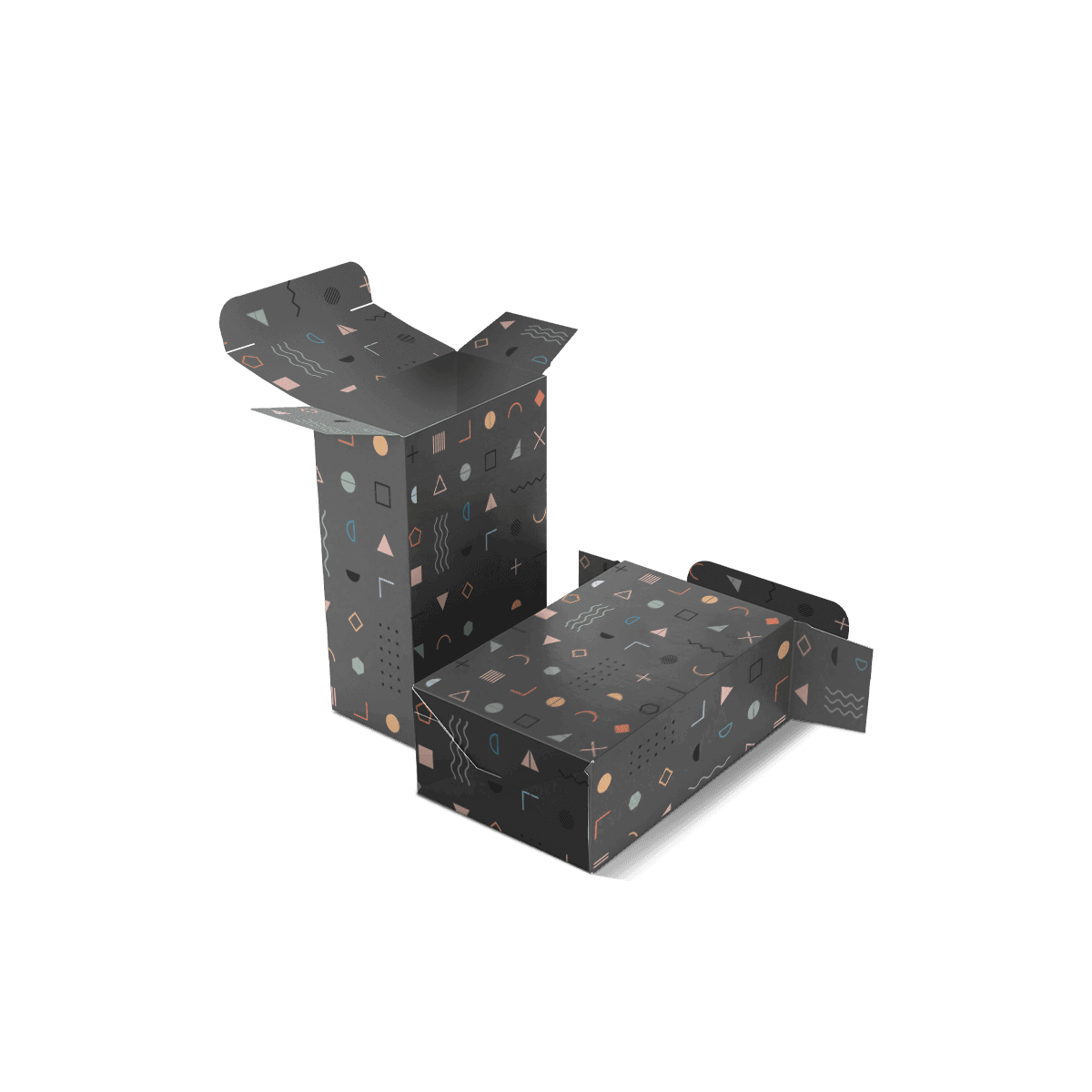
Custom printed boxes can carry outside and inside artwork around the panels that matter to the product and packing workflow.

A strong print system separates three jobs:

  • brand recognition
  • customer-facing product communication
  • operational SKU identification

Trying to make one tiny panel perform all three usually creates clutter.

One Box Can Serve Two Channels, Sometimes

A Product Box does not automatically need separate retail and e-commerce versions.

Some products can use one primary pack in both channels, then gain an outer shipping layer only when ordered online.

That works particularly well when the product box is compact, durable enough for normal handling and already carries the required customer-facing copy.

The choice between retail and e-commerce packaging becomes more important when one channel starts forcing compromises onto the other.

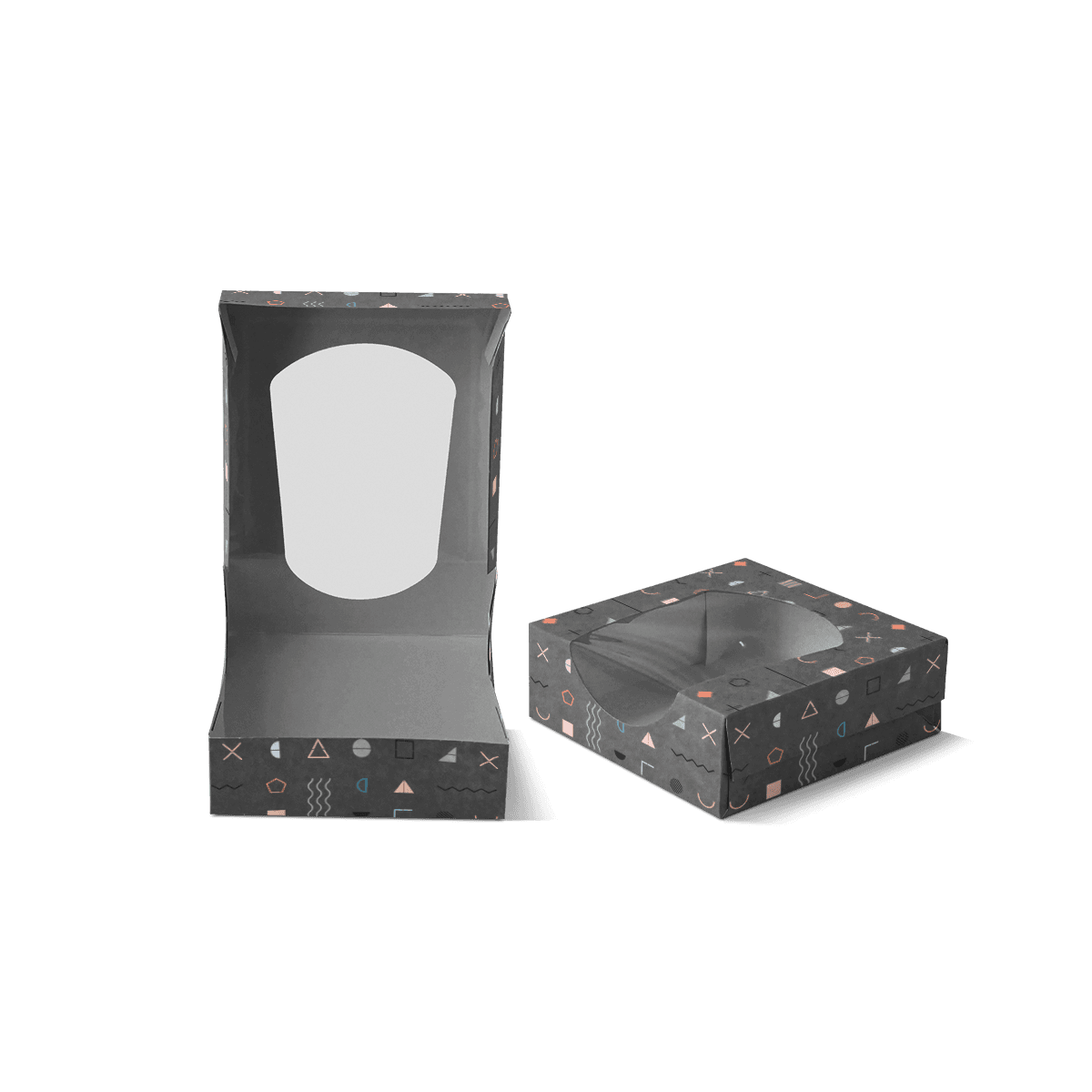
A large retail window, for example, may improve store visibility but leave a product surface more exposed during fulfillment. An oversized shelf carton may create needless parcel volume online. A minimal e-commerce pack may lack the merchandising space expected in a store.

The answer is not automatically two completely different packages.

Sometimes the same product box can stay constant while only the outer transport package changes. In other cases, the selling environments are different enough to justify distinct primary packs.

The decision should be based on total handling rather than visual consistency alone.

Do Not Size by Product Weight Alone

Two products weighing exactly the same can need very different boxes.

Consider a compact metal grooming tool and a lightweight glass bottle filled to the same total weight.

The metal tool may tolerate contact but concentrate load into a small area. The bottle may have a larger footprint but a vulnerable pump and a surface that can scuff. Matching them to one box merely because the shipping system records the same weight ignores how they behave.

Shape, center of mass, fragile points and allowable orientation matter.

A similar problem occurs when several versions of a product are forced into one box because their listed dimensions appear close.

One version may have a raised cap. Another may include an accessory. A third may fit cleanly without support.

If the shared box requires different improvised filler for every SKU, standardization is not actually simplifying the packing system.

The correction may be a revised common insert, two box sizes or one dedicated pack for the outlier.

Finishes Should Follow Contact

Product Boxes are often handled more than once before reaching the customer.

They may move from manufacturing to storage, from shelving to a picking bin, across a packing station and finally out of the parcel.

That handling matters when choosing surface treatments.

A deep matte finish can create a strong visual effect but may make rubbing or fingerprints more noticeable on some designs. Foil near a fold or exposed edge needs thoughtful placement. Embossing changes both the appearance and the local paper surface.

The practical differences among matte, gloss, foil, spot UV and embossing should be judged against the actual artwork and handling route.

The strongest finish is often one that reinforces a focal element rather than covering every surface.

Premium offset printing can support detailed artwork and repeat color control across commercial product-box runs. CMYK suits full-color graphics, while Pantone can be considered when a particular brand color needs tighter control.

A free 3D mockup can help check composition, logo position and panel hierarchy before production.

Validate the Complete Selling Unit

A product box should be checked with every permanent component inside it.

That means the finished product at normal weight, its accessories, insert, booklet and any wrapping that forms part of the standard pack.

Close the box completely.

Check whether the top panel bows. Turn the pack sideways. See whether heavy components shift. Remove the product as a customer would. Confirm that nothing catches against the opening or damages the printed surface.

Packaging testing becomes relevant when product fit, structure or the full shipping unit needs physical validation before scale.

A paid fully custom pre-production sample can be arranged when exact fit or construction needs approval. Free sample examples of previous work can help assess material and production quality at a more general level.

Testing belongs here because the selling unit is now complete. Waiting until artwork, outer shipping dimensions and production quantity have all been finalized makes a fit correction much more disruptive.

The Outer Box Should Protect the Product Box

The product package and the shipping package do not need to be the same object.

A customer may care about the condition of the primary box almost as much as the item inside it. Torn corners, abrasion, tape or a carrier label across branded artwork can weaken the presentation even if the product remains undamaged.

For compact D2C orders, custom mailer boxes can carry the branded product unit while taking the direct parcel contact.

For heavier orders, shipping boxes should take responsibility for stacking, courier handling and larger loads.

The product box should also fit the outer pack deliberately.

Excessive clearance lets it slide. A parcel packed too tightly can transmit impact directly through its outer walls. Multi-item orders need enough organization to stop one product box from damaging another.

The principles behind reducing shipping damage still apply even when each item already has its own printed box.

Primary packaging is not a substitute for a planned parcel system.

Cost Depends on the Job You Assign

A Product Box can be inexpensive or highly developed because the term describes its role more than one manufacturing method.

A light paperboard carton, printed corrugated box and rigid setup box sit at very different cost points.

The price also changes with:

  • finished dimensions
  • board and material
  • structure
  • printing
  • inserts
  • quantity
  • finishes
  • assembly requirements

The right cost target should start with what the box needs to do.

Paying for a rigid construction that the product does not benefit from is unnecessary. Cutting board strength until a heavy product distorts the pack is false economy. An elaborate insert can be wasteful for one item and essential for another.

Custom Packly's USA MOQ starts from 100 boxes, which can suit a new SKU before demand is fully established.

Design and dieline support are particularly useful here because the finished selling unit may still be moving between paperboard, corrugated and rigid directions.

If the product, quantity and packaging direction are already defined, an instant custom packaging quote can price the structure around the actual selling unit.

Give Every Packaging Layer One Job

The clearest Product Box specification is one where nothing is being asked to do two incompatible things.

The primary box should contain and identify the SKU. Its material should suit the product weight and value. Its interior should control the product where control is needed. Its panels should make customer and fulfillment identification straightforward.

The parcel layer should handle the delivery environment when a second layer is required.

Once those responsibilities are separated, many packaging decisions become simpler.

A lightweight SKU may end up in a compact printed carton inside a mailer. A denser product may use corrugated primary packaging inside a shipping box. A premium launch may place a rigid presentation box inside a protective outer shipper.

All three are Product Box systems, but they solve the product-level job differently.

That is the useful starting point for Custom Product Boxes: define the finished selling unit first, then give each packaging layer only the work it actually needs to perform.

FAQs

Paperboard usually fits lighter retail items where print clarity and lower bulk matter most. Corrugated is the better choice for heavier products, larger dimensions or multi-item packs that need more durability.

Product Boxes are usually the better starting point when you need scalable packaging across multiple SKUs and price points. Rigid Boxes make more sense when presentation is the priority and the pack is meant to feel more premium or reusable.

They matter most when the product can shift, scratch or arrive as a kit. Inserts help secure components, literature and samples while making the opening sequence more organized.

Leave enough room to pack and unpack without forcing the product into the carton. A practical starting point is to measure the grouped item and add a small amount of space on the sides instead of building excessive void into the box.

Yes, especially for a new SKU or a first production run. Samples help check dimensions, print layout and product fit before you commit to larger quantities.

Process

How it works

Your Packaging Journey, From Idea to Production and Delivery

01

Tell Us Your Specs

Custom packaging boxes

Tell Us Your Specs

Provide size, quantity, printing, and finishes.

02

Get a Fast Quote

Custom packaging boxes

Get a Fast Quote

Instant transparent pricing, no hidden fees.

03

Design and Approval

Custom packaging boxes

Design and Approval

Artwork checks, revisions, and final sign-off.

04

Produce

Custom packaging boxes

Produce

Expert manufacturing to meet deadlines.

05

Ship to Your Door

Custom packaging boxes

Ship to Your Door

Hassle-free, flexible delivery options.

Get Your Quote for Custom Product Boxes

Share your product details, size, quantity and artwork needs. We’ll help choose the right packaging style and send a clear quote.