Skip to content
Details

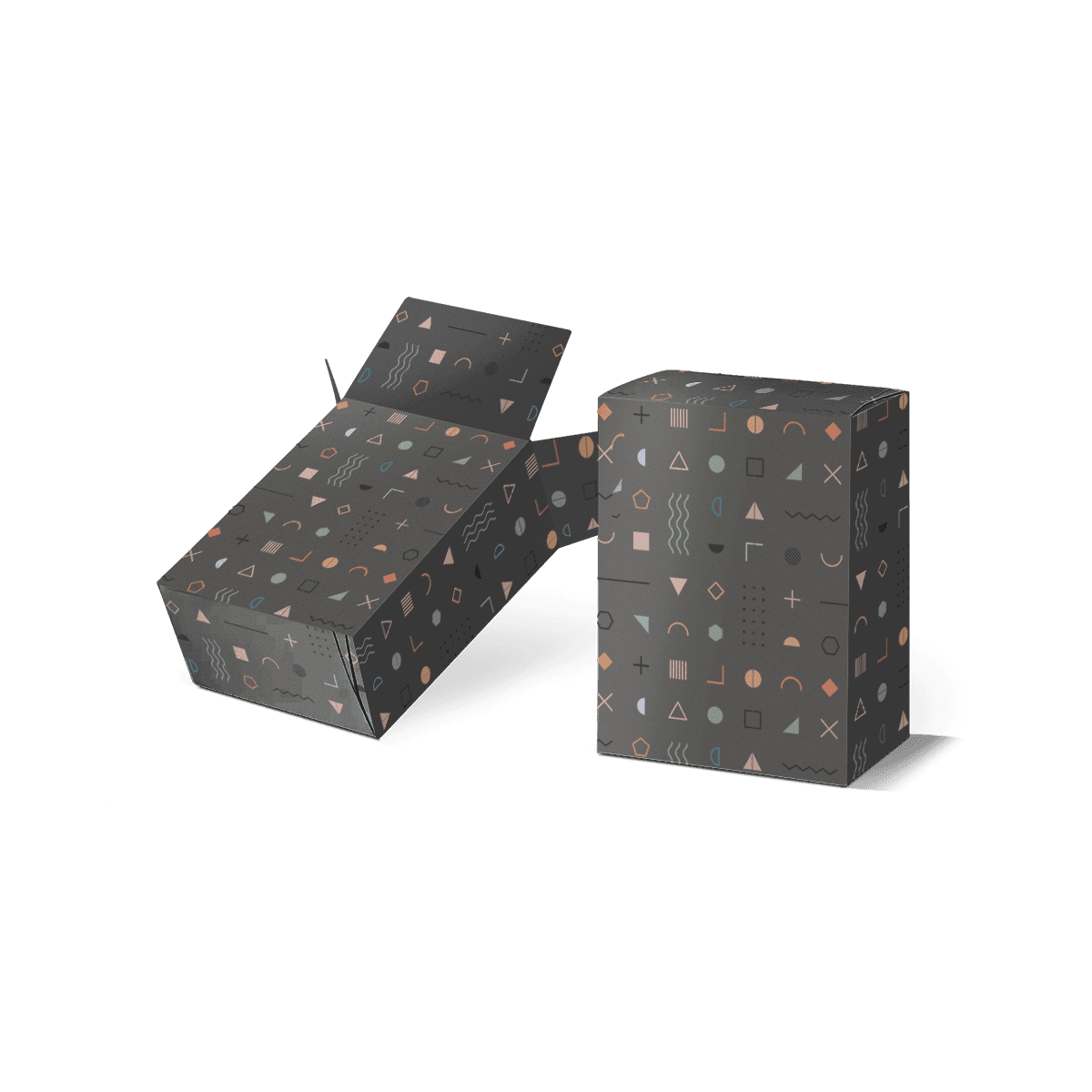
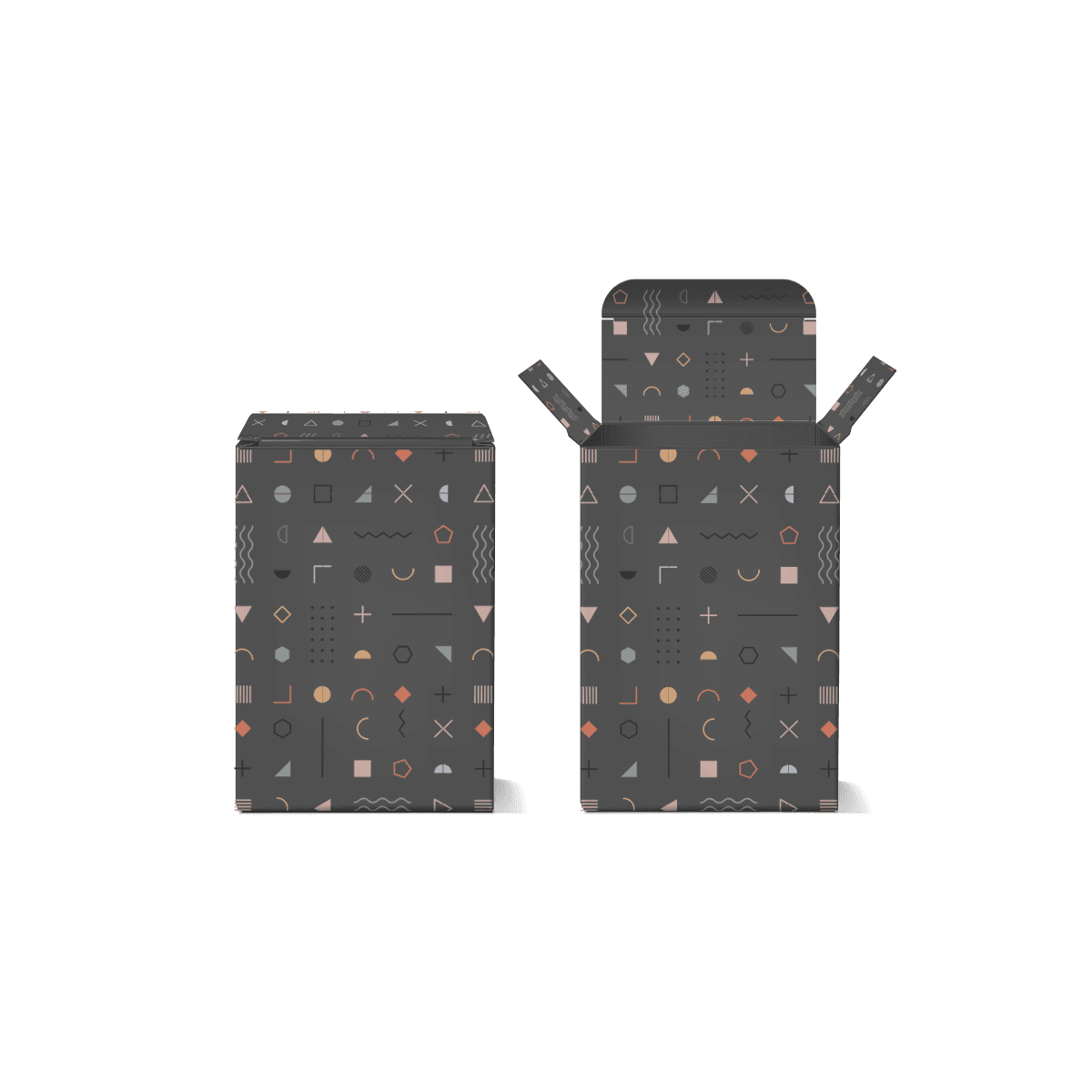
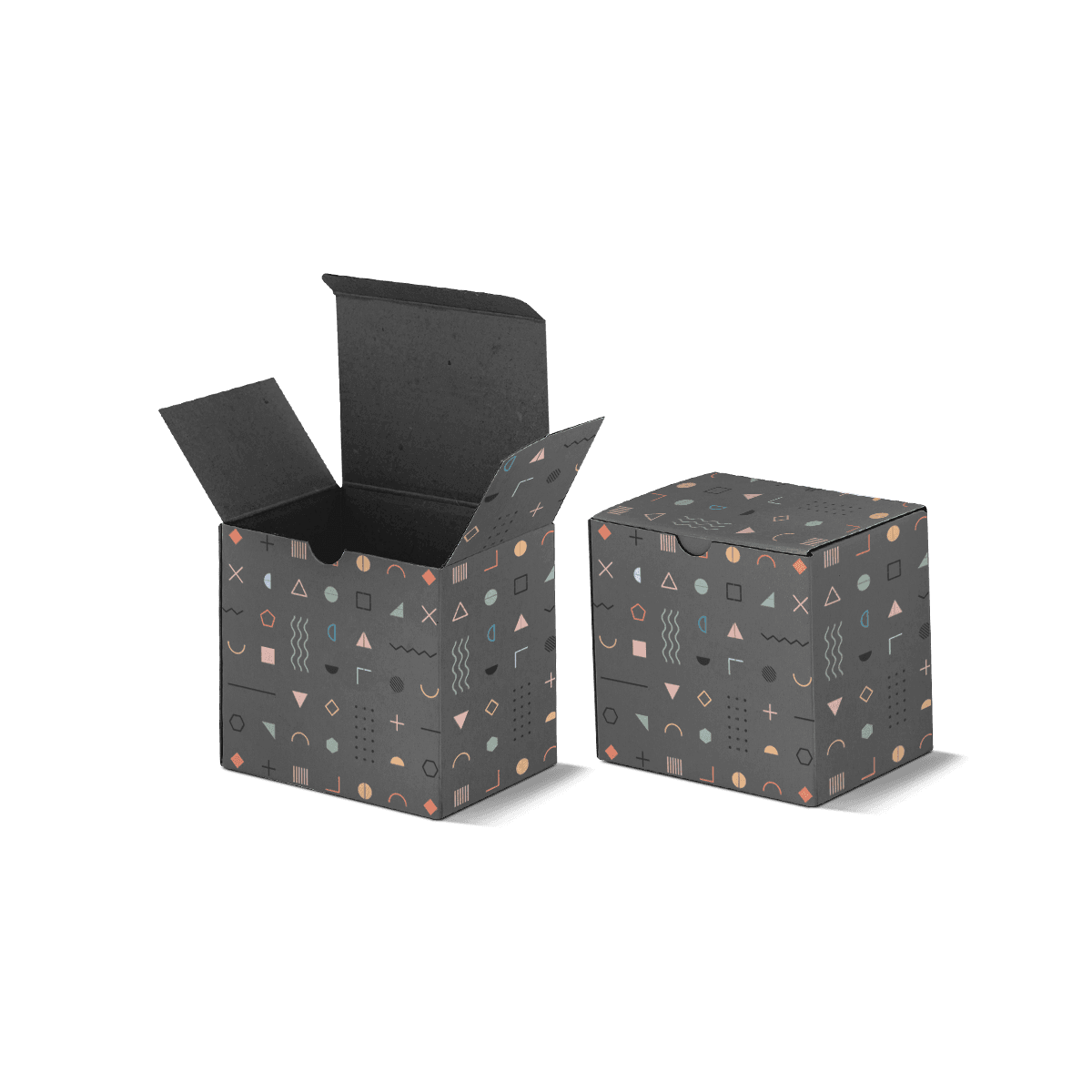
Custom Automatic Bottom Cartons

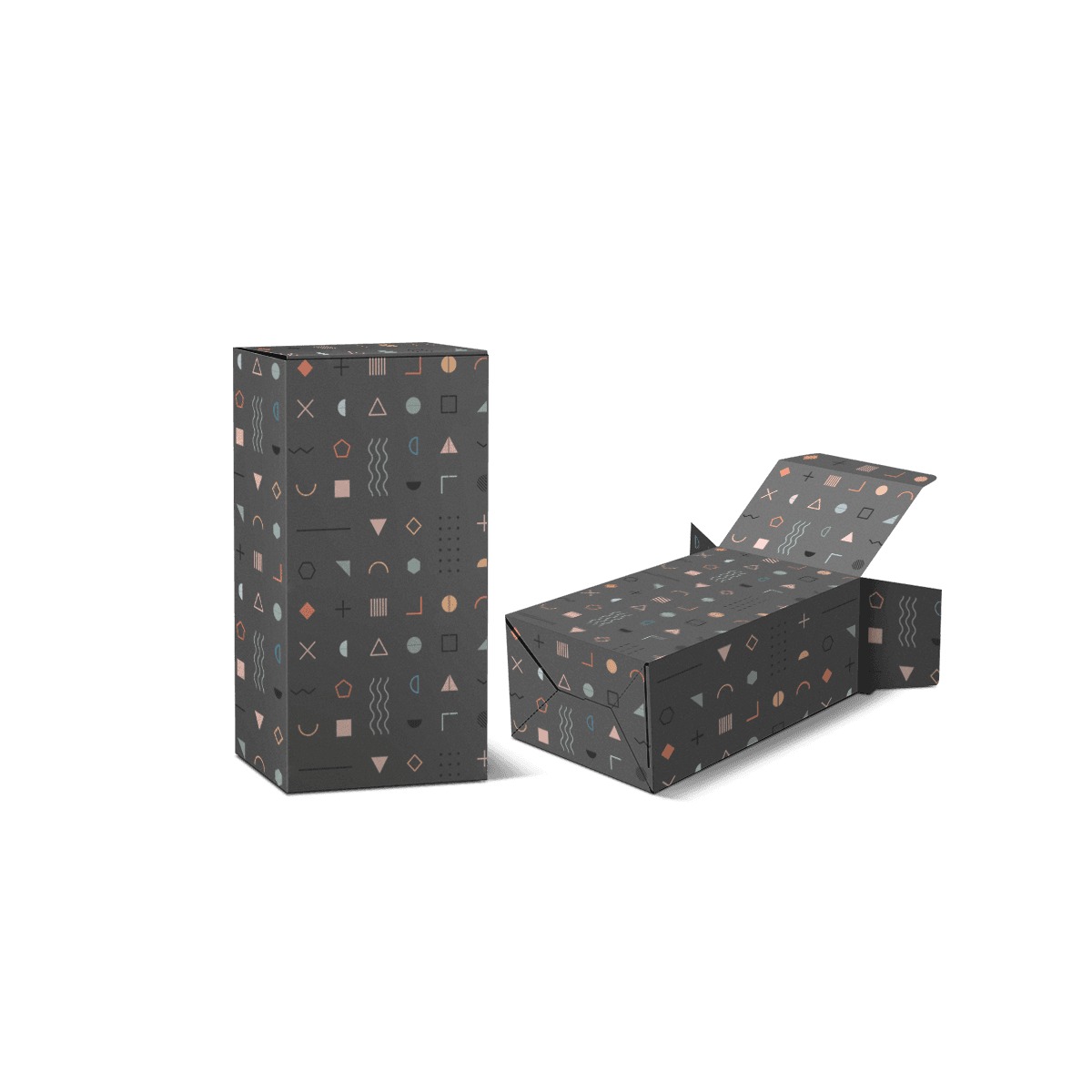
Pre-glued folding cartons specified for repeatable erection, stable loading and consistent base behavior across semi-automatic and automated packing runs.

Consistency Matters at Line Speed

Automatic bottom cartons use a pre-glued base that forms as the flat carton is squared. The mechanism is valuable on repeat production runs because every blank needs to open into the same load-ready shape with minimal correction.

At slow hand-packing speed, an operator can compensate for a reluctant fold. On a semi-automatic or automated line, that inconsistency becomes a stoppage risk.

This is where the automatic-bottom decision becomes distinct: not in claiming a different physical mechanism from an auto-lock or crash-lock base, but in specifying that mechanism for repeatable line behavior.

The folding carton structure must therefore be judged as part of the complete erection, filling and closing process.

Erection Has to Repeat

A carton should open to the same square geometry cycle after cycle.

If some blanks need a twist, push or manual corner correction, the base is no longer performing automatically in the way the packing line expects.

Crease accuracy, side-seam position, glue placement and board behavior all contribute to repeatability.

Line Stops Cost More Than Folds

The value of the structure increases when interruptions matter.

One awkward blank in a hand-packing batch may cost a few seconds. The same behavior on a production line can stop feeding, cause rejected packs or require an operator to intervene.

Automatic bottom cartons should therefore be assessed by consistency across many cycles, not by how easily one sample pops open.
The Base Is Pre-Connected

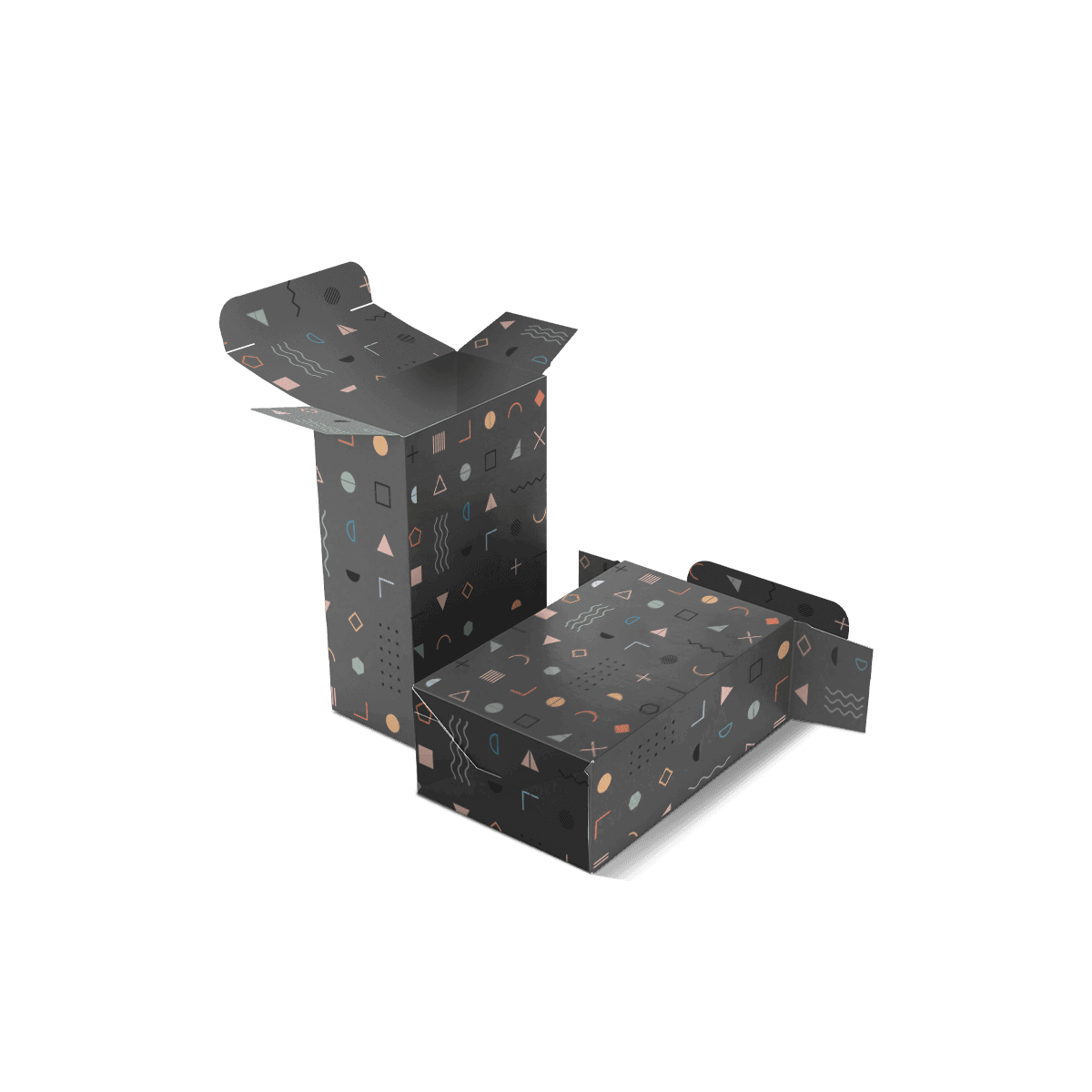
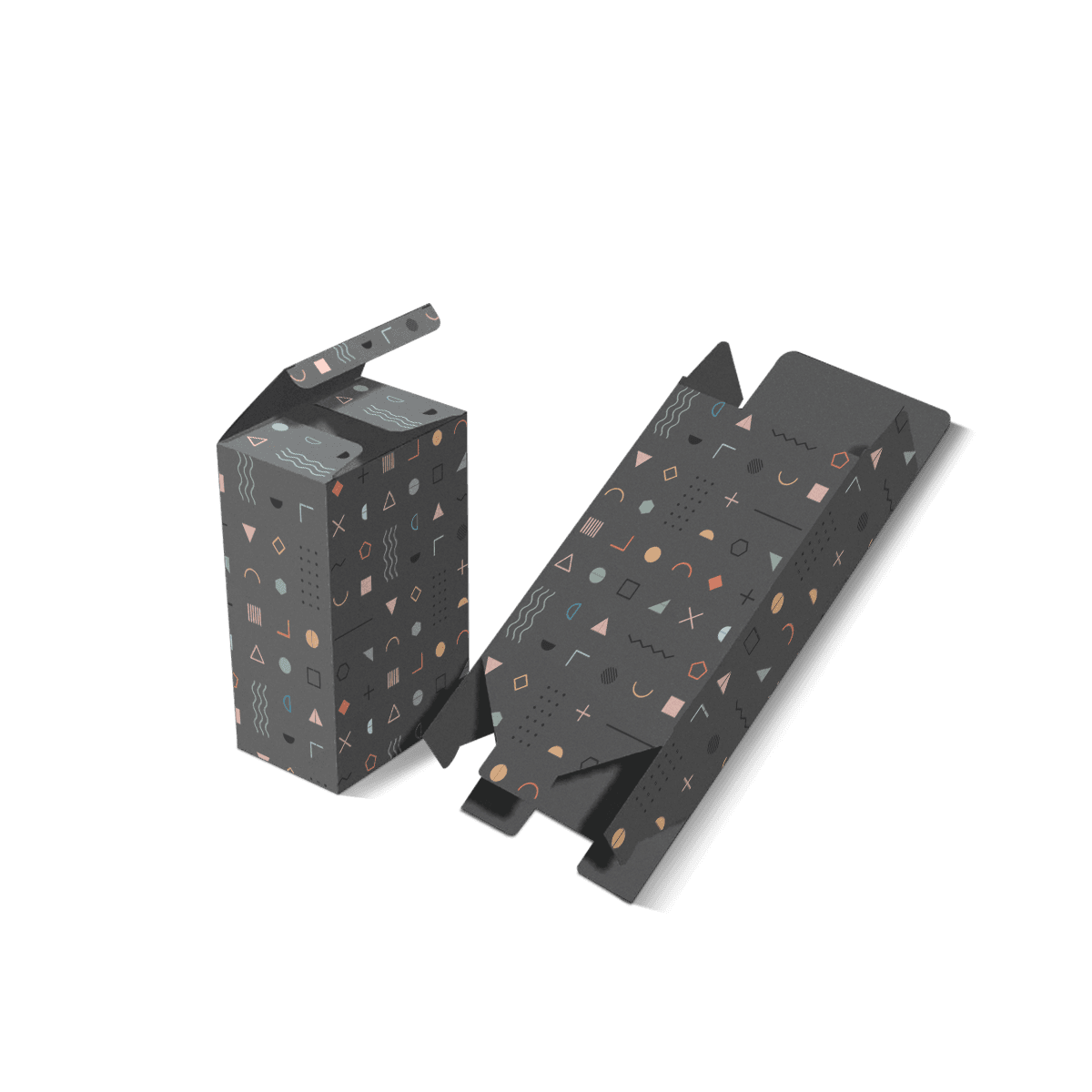
The lower panels are folded and glued during converting so they remain mechanically linked in the flat carton.

When the body opens, those panels rotate into position together and create the floor. The operator or machine does not build the bottom from separate flaps.

That pre-connected geometry is the foundation of the style.

Glue Placement Is Structural

The adhesive is not a finishing detail.

Its position controls how the bottom panels move during erection and how securely they remain connected after the carton is loaded.

Too much glue in the wrong place can restrict movement. Too little bonding area can weaken the connected base.

Scores Control the Motion

Each panel has to fold on the intended crease.

If a board bends beside the score or resists rotation, the base may stop short of its final geometry. That affects squareness and can create inconsistent loading height on equipment.

Board and scoring need to be specified as one system.

Machine Feeding Changes Tolerances

Production equipment handles cartons differently from people.

A person can rotate a blank slightly, open it from a different corner or pause when resistance appears. Machinery expects predictable dimensions, opening force and panel positions.

That makes tolerance control more important as automation increases.

Side Seams Need Accuracy

The body seam influences how square the carton becomes when opened.

If the seam drifts, the carton can reach the filling station with a twisted body even when the bottom itself is securely glued.

The package may then resist insertion or present the top closure at the wrong angle.

Opening Force Must Stay Stable

A line should not encounter some cartons that spring open and others that resist strongly.

Consistent opening force helps feeding and erection equipment perform the same movement repeatedly.

Material caliper, humidity, scoring and converting accuracy can all affect that force.

Load the Base Where It Works

The automatic bottom still has a finite load capacity determined by board, carton size and product footprint.

A compact jar distributes its mass differently from a tall bottle. A multi-part kit can put most of its weight into one corner unless the internal layout spreads it.

The base should be specified around the actual load pattern.

Product Footprint Matters

A broad product can transfer weight across several bottom panels.

A narrow heavy item can concentrate force over a smaller area and create more leverage if it leans.

Do not rely on total product weight alone when deciding whether the carton will stand well.

Inserts Can Spread Load

A paperboard insert can stabilize the product and distribute pressure over more of the floor.

Its support surfaces should land after the automatic base has fully formed and must not obstruct the moving panels during erection.

If the product requires substantial transit protection, a shipping box should handle carrier duty rather than asking the retail carton to absorb that job.

Top Closure Follows the Line

Automatic bottom describes the base only.

The top has to suit the filling equipment, product insertion and closing process. A tuck top can work well for manual or semi-automatic closing. Other operations may need a more controlled sealing step.

The upper end should be chosen after the line sequence is mapped.

Tuck Tops Keep Closing Simple

A tuck closure can reduce equipment complexity when permanent sealing is not required.

After filling, the flap can be folded and inserted with familiar carton machinery or by hand.

That can suit retail products where the customer should reopen the carton without destroying the top.

Seal Ends Change the Process

Seal end boxes put adhesive closure after filling at the center of the operation.

That makes sense when the production line already applies and compresses glue consistently.

The decision is not which closure sounds stronger. It is which closing action belongs in the actual line.

Keep Inserts Clear of Erection

Automatic-bottom movement happens inside the lower part of the carton.

An insert that extends into that working space can prevent the base from settling flat or make the carton harder to open.

Internal support should therefore be designed with the base mechanism visible.

Support Starts After the Floor Forms

Insert legs, tabs and platforms should rest on the finished floor rather than pinning moving flaps.

That keeps erection behavior separate from product restraint.

A stable insert can then support bottles, jars, electronics or component kits without interfering with the base.

Loading Direction Affects the Insert

Vertical insertion may need a different support shape from horizontal loading.

The insert should position the product cleanly without requiring staff or machinery to force it past a tight edge. On repeat runs, that clearance also helps keep insertion depth and carton orientation consistent from cycle to cycle.

The carton and fitment should be tested as one packing system.

Board Must Survive Repetition

Automatic erection asks the same fold lines to behave predictably across the full run.

A board that performs well in one hand-made sample can still create problems if its scoring is inconsistent or its stiffness varies enough to affect opening force.

Material selection therefore has a production-line role as well as a load-bearing role.

Caliper Changes Erection

Heavier board can improve rigidity, but it also changes crease resistance.

If the material becomes too stiff for the scoring setup, the base may need more force to reach its final position.

The strongest board is not automatically the most reliable board on the line.

Micro-Flute Needs a New Setup

Light corrugated construction can add stiffness for heavier retail products, but its thickness changes fold geometry and feeding behavior.

A micro-flute carton should be developed specifically for that substrate rather than produced from a paperboard dieline with only minor adjustments.

The line should be tested with the actual material.

Test a Run, Not One Carton

Automatic-bottom validation should reproduce the repeat production condition.

Erecting one carton manually proves little about line consistency. Use a sequence of samples and the intended equipment or closest practical setup.

The goal is to see whether variation accumulates.

Track Repeated Corrections

Look for patterns such as:

  • cartons failing to square
  • one lower corner lifting
  • inconsistent opening force
  • product insertion catching
  • insert interference
  • base sag after loading
  • top closures arriving misaligned

A repeated small correction can matter more than one dramatic failure because it affects every cycle.

Test the Loaded Condition

Once erection is consistent, load the real product or a representative equivalent.

The carton should remain square and stable after filling, not merely while empty.

A paid fully custom physical sample can be arranged when the exact base action, fit or line behavior needs confirmation. Free sample examples of previous work can help assess board and print quality.

Artwork Must Survive Automation

Production efficiency does not reduce the need for accurate print.

The body panels still carry branding, instructions, barcodes and product data. What changes is the need to keep variable coding and machine-contact areas practical for the line.

Artwork should follow the final dieline and production method.

Protect Coding Zones

Lot numbers, dates or other variable data may be added during packing.

Reserve a stable panel where the chosen coding method can print clearly without crossing folds, glue seams or heavily textured finishes.

That area should be planned before decorative treatments are locked.

Keep Glue Areas Functional

Dense coatings, foil or laminate should not invade bonding surfaces unless the adhesive system has been tested for that exact construction.

Custom Packly includes free design and dieline support, artwork and prepress review and a digital proof before production.

A free 3D mockup can help confirm panel relationships, but line compatibility still needs the structural carton itself.

Repeat SKUs Need Control

Automatic-bottom cartons often make the most sense in repeat programs where the same structure runs again.

That increases the importance of preserving the approved board, crease geometry, glue areas, dimensions and product orientation.

An artwork revision should not quietly change the physical pack.

Shared Structures Need Shared Geometry

Several SKUs can use one carton structure when their product envelopes, loads and loading directions genuinely match.

A color or label change may be harmless. A different cap, accessory bundle or product height may not be.

Structural consolidation should follow physical equivalence.

Replenishment Follows the Run Plan

Larger repeat quantities can create storage pressure at the packing facility.

Warehousing and scheduled deliveries can support stable programs when an efficient production quantity is larger than the amount needed on-site at one time.

That becomes relevant after demand and the approved structure are established.

Specify the Production Line

The commercial brief should describe the way the carton will be erected, filled and closed.

Record product dimensions and weight, expected run quantity, manual or machine erection, loading direction, insert requirements, board, top closure, print and finishing.

MOQ starts from 100 boxes in the USA.

The cost of custom tuck boxes changes with structure, board, print, quantity and converting. For automatic bottom cartons, the line behavior is part of that structural decision.

Standard turnaround is 4–6 days after final artwork and specifications are approved, while specialty materials, complex structures or advanced finishing can require additional time.

Use Automatic Bottom for Repeatability

Automatic bottom cartons earn their place when the pre-glued base has to open the same way repeatedly across a production run.

The physical mechanism overlaps with auto-lock and crash-lock terminology. The operating decision here is line consistency: predictable erection, stable filling position and fewer manual corrections as volume rises.

If the cartons are packed occasionally by hand, the value may lie more in labor reduction than line repeatability. If the run depends on equipment or repeated semi-automatic cycles, consistency becomes the stronger reason to specify the structure.

The right automatic-bottom carton is therefore the one that behaves predictably across the entire packing process, not merely the one that opens quickly once.

FAQs

Yes. The bottom is pre-glued, so opening the carton forms the base without the same hand-folding steps required by manual bottom styles.

They perform best where products are packed by hand or in semi-manual workflows and need a carton that stands firmly during filling.

Choose Automatic Bottom Cartons when faster setup and easier loading matter most. Seal-End Cartons are often better when the pack format calls for stronger permanent closure and more controlled sealing on both ends.

Yes. They are commonly used for upright items because the formed base gives better support during filling, transport, and shelf display.

Yes. Folding carton board in this format can carry high-resolution graphics, Pantone matching, product messaging, and a wide range of surface finishes.

Process

How it works

Your Packaging Journey, From Idea to Production and Delivery

01

Tell Us Your Specs

Custom packaging boxes

Tell Us Your Specs

Provide size, quantity, printing, and finishes.

02

Get a Fast Quote

Custom packaging boxes

Get a Fast Quote

Instant transparent pricing, no hidden fees.

03

Design and Approval

Custom packaging boxes

Design and Approval

Artwork checks, revisions, and final sign-off.

04

Produce

Custom packaging boxes

Produce

Expert manufacturing to meet deadlines.

05

Ship to Your Door

Custom packaging boxes

Ship to Your Door

Hassle-free, flexible delivery options.

Get Your Quote for Custom Automatic Bottom Cartons

Share your product details, size, quantity and artwork needs. We’ll help choose the right packaging style and send a clear quote.