Skip to content
Details

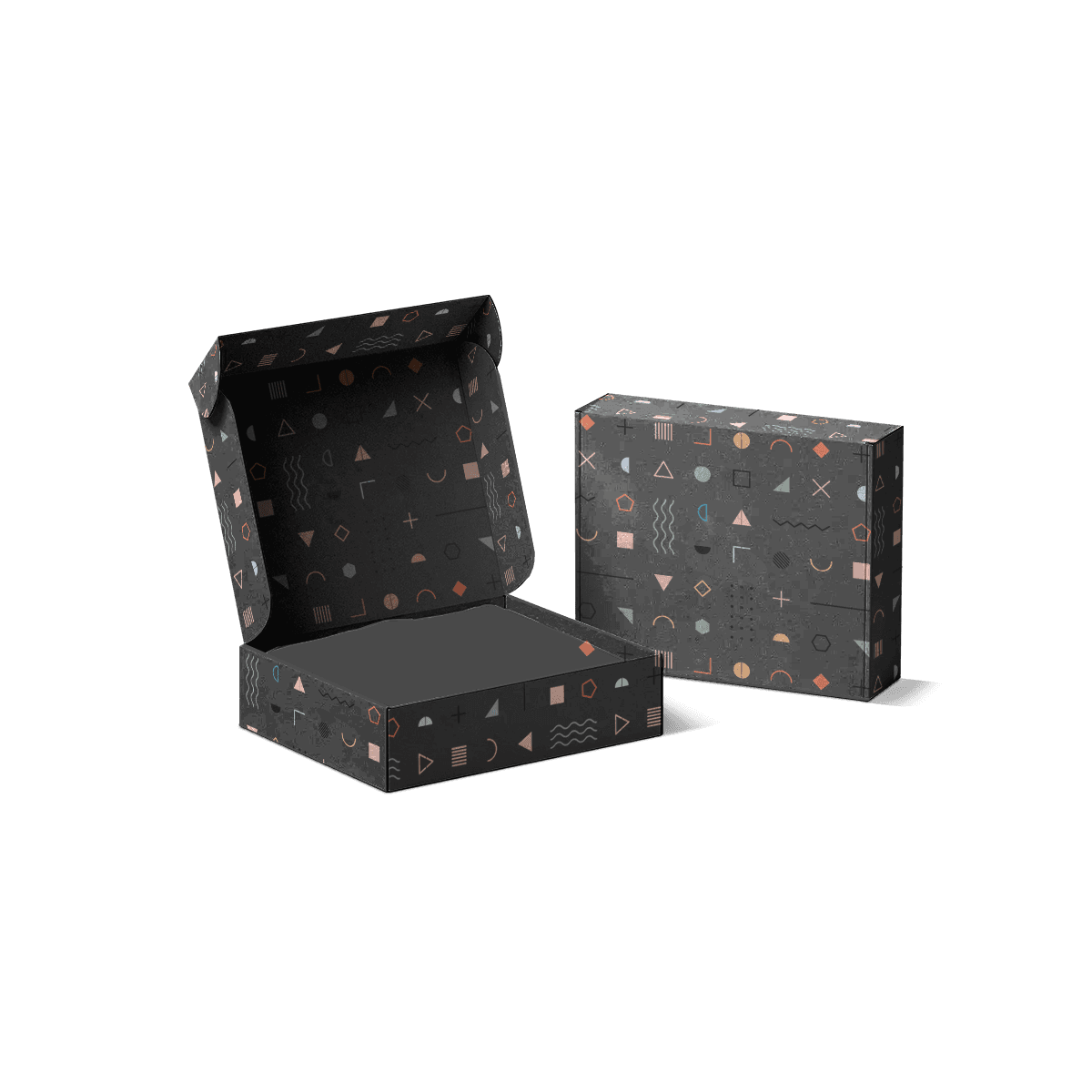
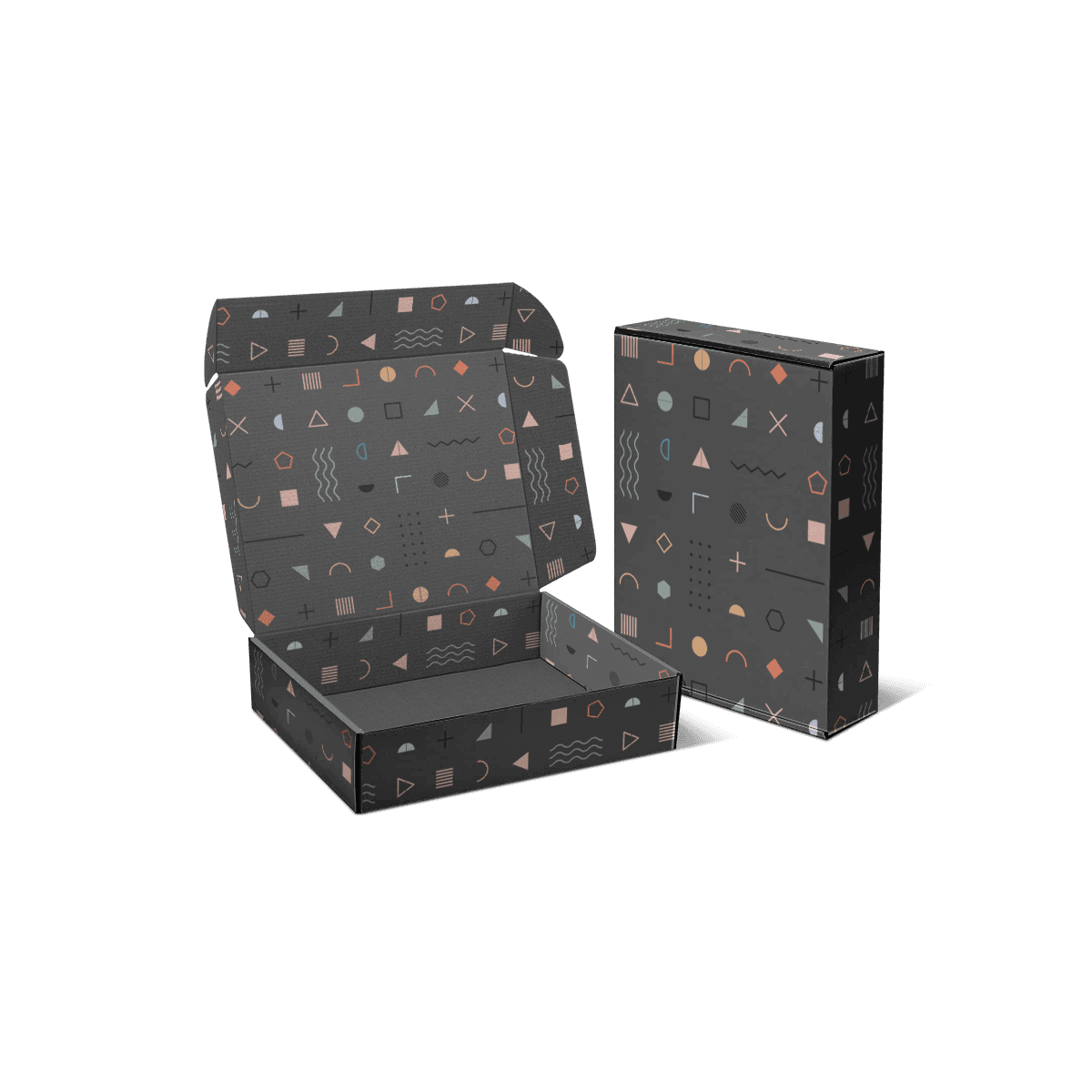
Custom Product Mailer Boxes

Right-sized corrugated mailers for e-commerce orders that need dependable shipping, faster packout and a customer-ready unboxing experience.

The Order Profile Sets the Mailer

A product mailer works best when it is specified around the order that actually leaves the packing table. The important questions are not only product length, width and height. You also need to know how many items normally ship together, how much those combinations vary and whether the mailer will travel through the parcel network as the outer shipping container.

That makes Custom Product Mailer Boxes different from a generic stock carton. The box has to manage product fit, packout speed, transit handling and presentation in one piece of packaging. For brands selling through direct-to-consumer channels, that balance is central to e-commerce retail packaging.

Single-SKU Orders

A single product gives you the most control over fit. Start with the packed product dimensions, not the dimensions printed on a bottle, jar, device or retail carton. Caps, pumps, handles, protective wraps and protruding components can change the real footprint.

Close sizing reduces unnecessary movement and keeps the unboxing neat. It can also reduce the amount of tissue, paper fill or other loose material needed inside the box.

Kits and Multi-Item Orders

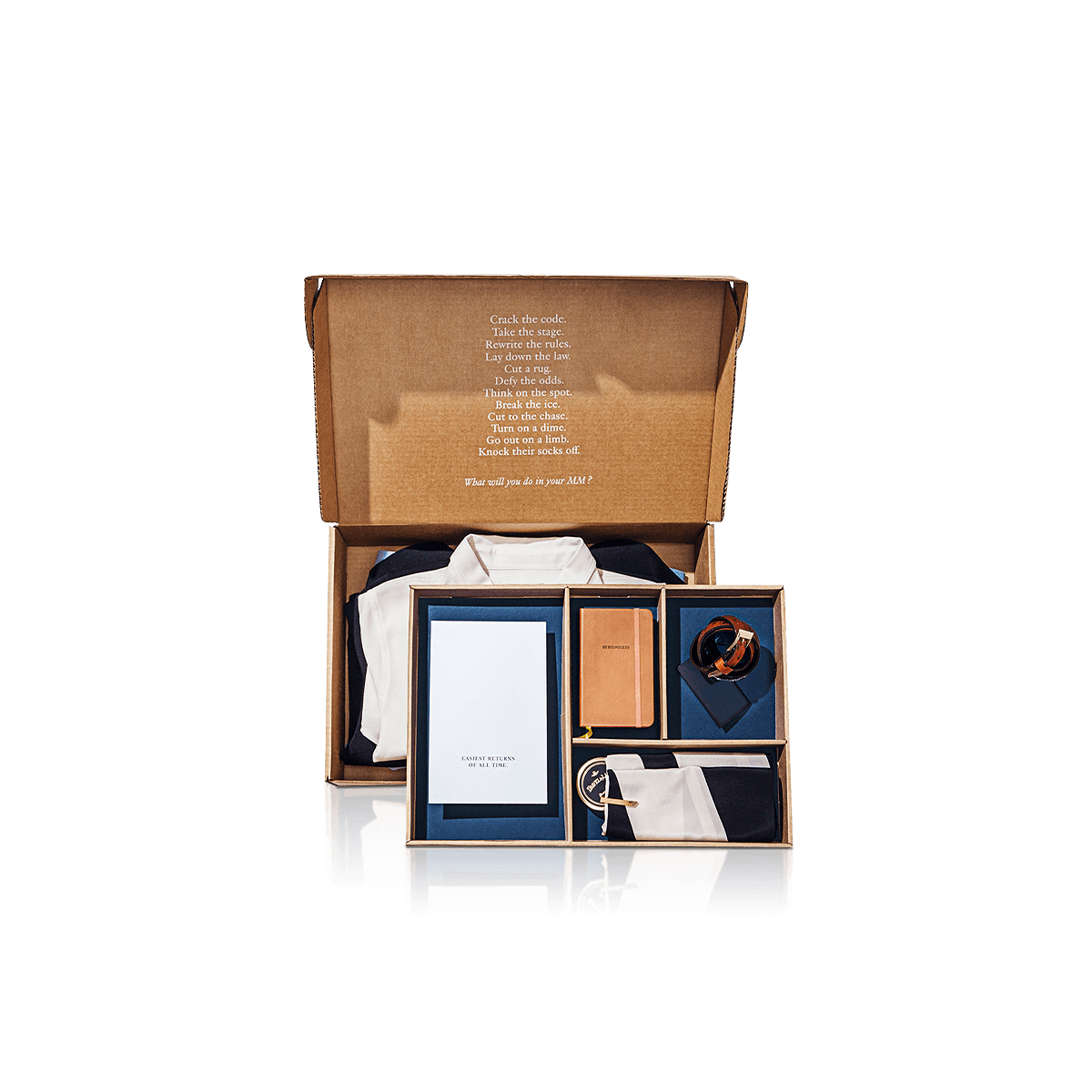
Kits need a layout before they need a box size. Arrange the products in the order you want the customer to see them, then determine which items must be separated, which can share space and which need support.

A shallow mailer with a controlled layout often works better than a deeper box where products can stack unpredictably. If the contents include several shapes or fragile points, custom product packaging can be planned around the actual product geometry instead of forcing every item into the same cavity.

Variable Carts

A store with highly variable cart sizes should be cautious about using one mailer for everything. A box that fits a two-item order may be wasteful for one item and too tight for four.

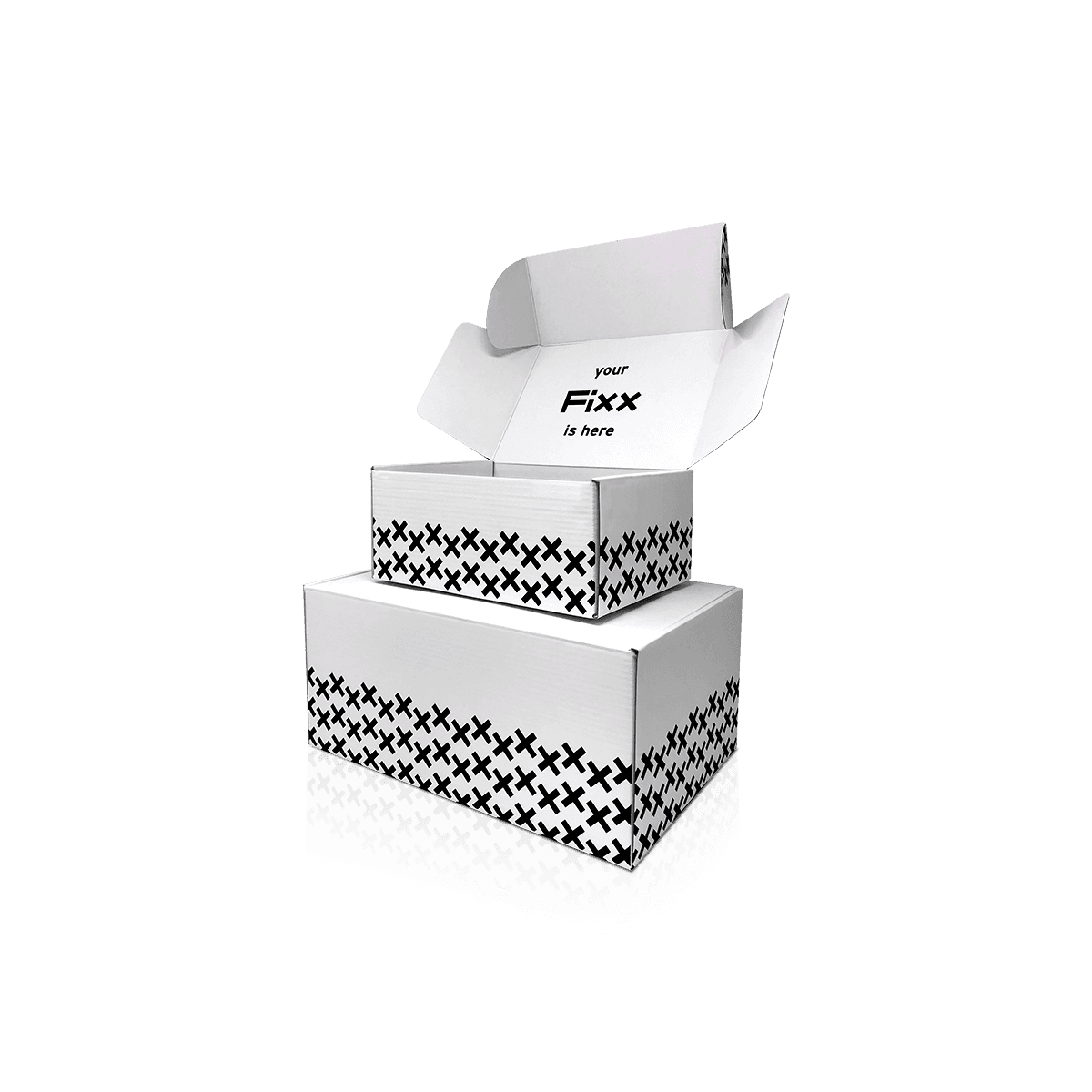
Two or three mailer sizes can be more practical than one universal size. The goal is not maximum standardization. It is a controlled set of sizes that covers the real order mix without creating excessive empty space or slowing the packing team with constant improvisation.
Ship in One Layer or Two?

A product mailer can serve as the shipping container when its corrugated structure, closure and internal fit are appropriate for the packed weight and handling route. That is one of its main advantages: the same box can carry the order and create the branded opening experience.

The boundary matters. A mailer should not be asked to perform like a heavy transit carton simply because both are made from corrugated board.

For lightweight and moderate DTC orders, custom mailer boxes can combine parcel protection with printed presentation. Heavier products, high-fragility items, dense multi-item shipments and orders likely to face greater stacking pressure may belong in custom shipping boxes instead.

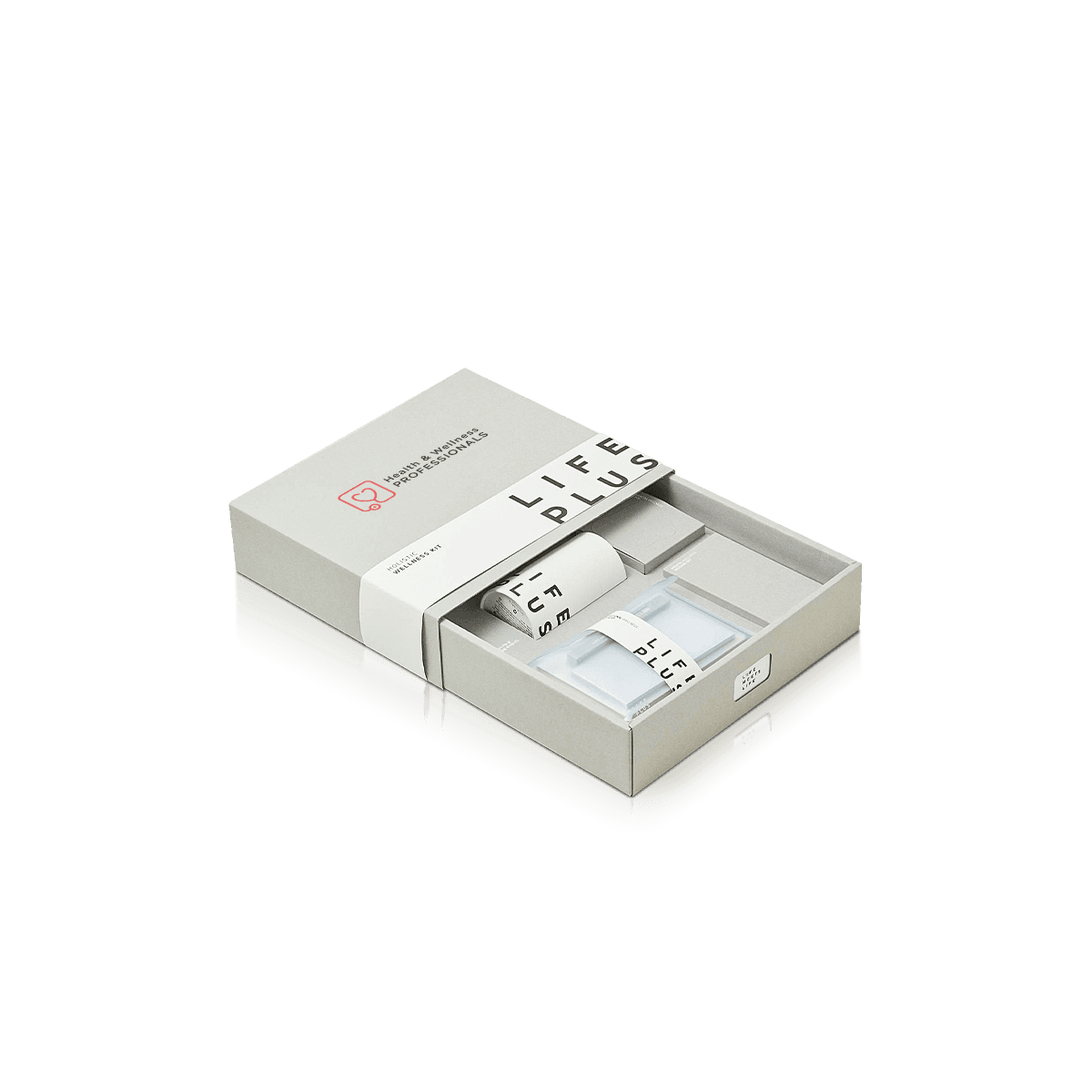
A premium inner pack can also sit inside a separate shipper when the customer-facing box must remain visually clean. This is often the better route for rigid gift packs, delicate finishes or products whose presentation packaging is not meant to absorb courier scuffs.

The practical test is simple: decide whether the mailer is the shipping layer, the presentation layer or both. That decision affects board strength, closure, print coverage, inserts and the amount of cosmetic wear the outer surface should be expected to tolerate.

Interior Space Has a Job

Empty space is not automatically protective. In a product mailer, every gap should exist for a reason: clearance for an insert, cushioning around a fragile area, room for tissue or enough tolerance for fast hand packing.

Side-to-side fit gets most of the attention, but vertical clearance can cause just as many problems. A product that sits tightly across the base can still bounce under the lid if the box is unnecessarily deep.

If a 2.5-inch-tall jar sits in a 4-inch-deep mailer, the extra headroom can let the jar lift and strike the top panel during handling. Adding more loose fill may hide the problem without controlling it. Reducing the box depth or adding a properly fitted paperboard or corrugated cradle addresses the movement at its source.

For fragile SKUs, the principles in reducing shipping damage through structure and fit are especially relevant before increasing board thickness.

Inserts Should Control the Product

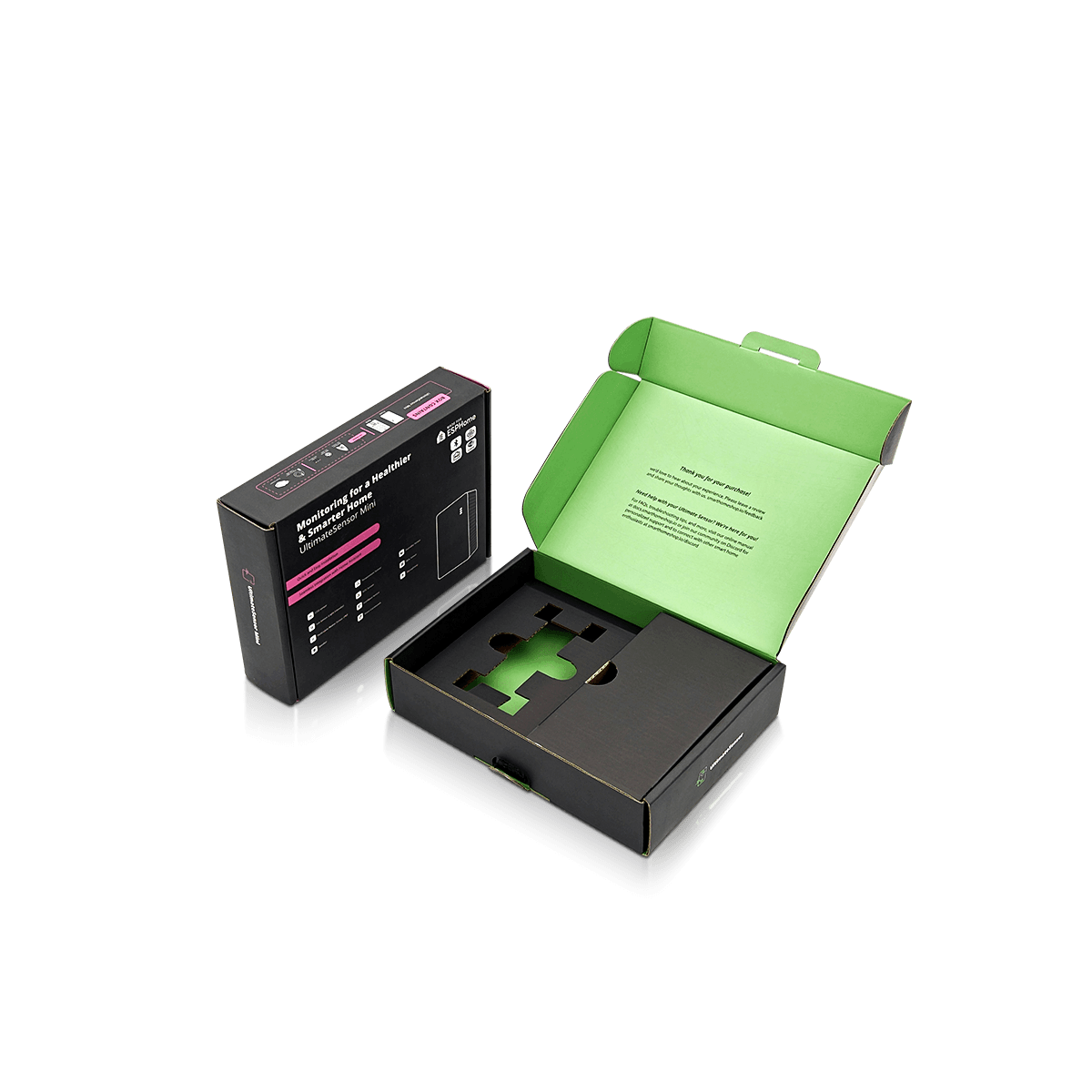
An insert should restrain movement at the points that matter. A bottle may need neck and base control. A device kit may need separate cavities for the main unit, cable and charger. A skincare set may need a tray that stops glass components from contacting one another.

The insert also changes the required box dimensions. Size the mailer around the product-plus-insert assembly, not around the product first and the insert later.

If movement is the main risk, foam, cardboard and molded pulp inserts can be assessed by cushioning need, presentation and cavity geometry.

Do Not Over-Cushion Soft Goods

Folded apparel, textiles and other compressible goods usually need different treatment. Heavy internal fitments can add cost and assembly work without solving a real problem. A close mailer depth, tissue wrap, belly band or simple card may be enough to keep the presentation controlled.

The interior should match how the product behaves, not how premium the packaging is supposed to look.

Closure Choice Changes Packout

Closure is an operational decision as much as a structural one. The same product can feel easy or irritating to pack depending on how the front panel, tabs and side walls behave during assembly.

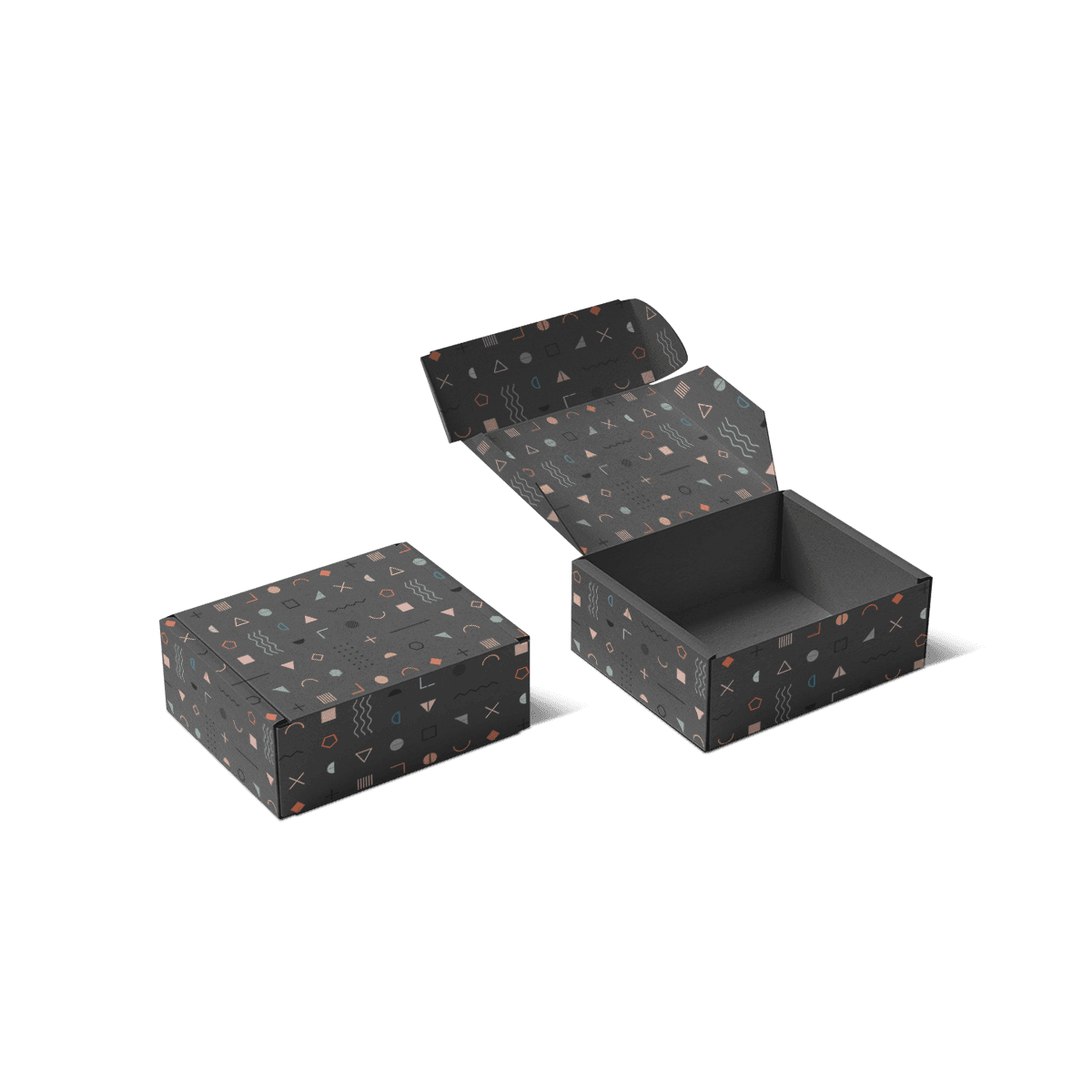
A roll end tuck-front mailer suits teams that want a familiar corrugated construction with a clean front close and strong side walls.

A tab-locking mailer makes more sense when the front closure needs a more positive mechanical lock during handling.

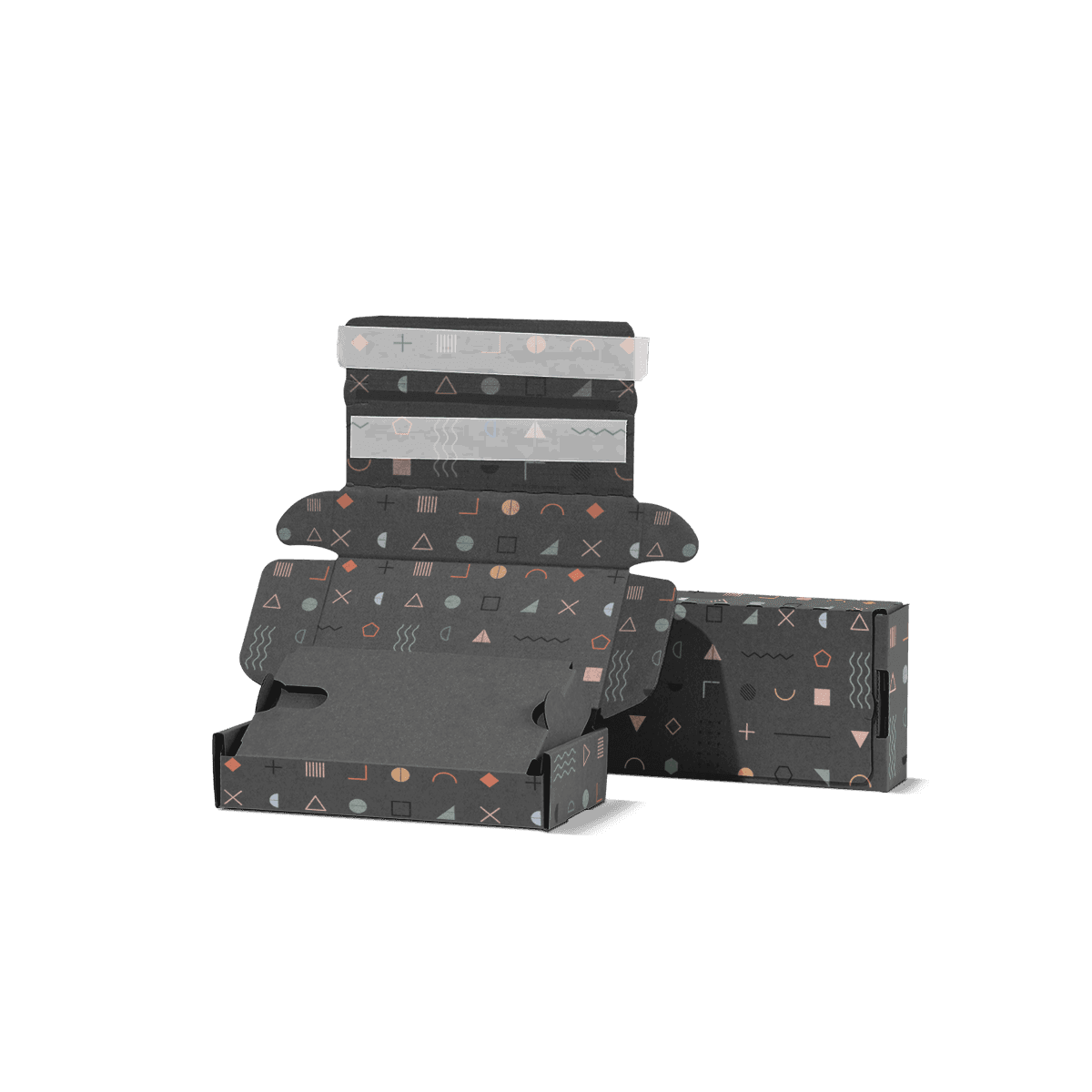
A self-sealing mailer can remove a taping step when throughput and a cleaner packing station matter.

Those choices should follow the fulfillment workflow. A closure that saves a few seconds per order can matter at volume, but it should not compromise product fit or the opening experience just to make assembly faster.

For a new mailer, test the real packing sequence with the actual contents. Check how quickly the box squares up, whether staff naturally fold the panels in the right order, whether inserts snag during loading and whether the closure remains consistent after repeated handling.

Corrugated Board Must Match Parcel Duty

Corrugated board is normally the practical base for product mailers because it combines stiffness, low weight and printable surfaces. The important decision is not simply “corrugated or not.” It is how much structure the packed order needs and what print result you expect from the liner.

E-flute is often chosen for compact printed mailers because its thinner profile can create a cleaner surface and tighter folds. B-flute is thicker and can add cushioning and stacking support where the order is larger or heavier. The final board choice should consider box dimensions, packed weight, unsupported spans, stacking and carrier handling together.

White outer liners suit bright graphics, fine typography and color-heavy artwork. Kraft liners create a different visual character and can work well when the print design is developed for a brown base rather than treated like white stock.

Board strength should be increased for a reason. A thicker flute cannot fix a box that is badly oversized or an insert that allows the product to move. Structural efficiency comes from matching the board, dimensions and internal restraint as one system.

For products with corners, glass components or concentrated weight, physical validation belongs here. A fully custom pre-production sample can be arranged as a paid sample when exact fit and handling need to be checked before a larger run. Free sample examples of previous work can also help teams review print and construction quality without implying that they match the final custom specification.

Print Around the Opening Sequence

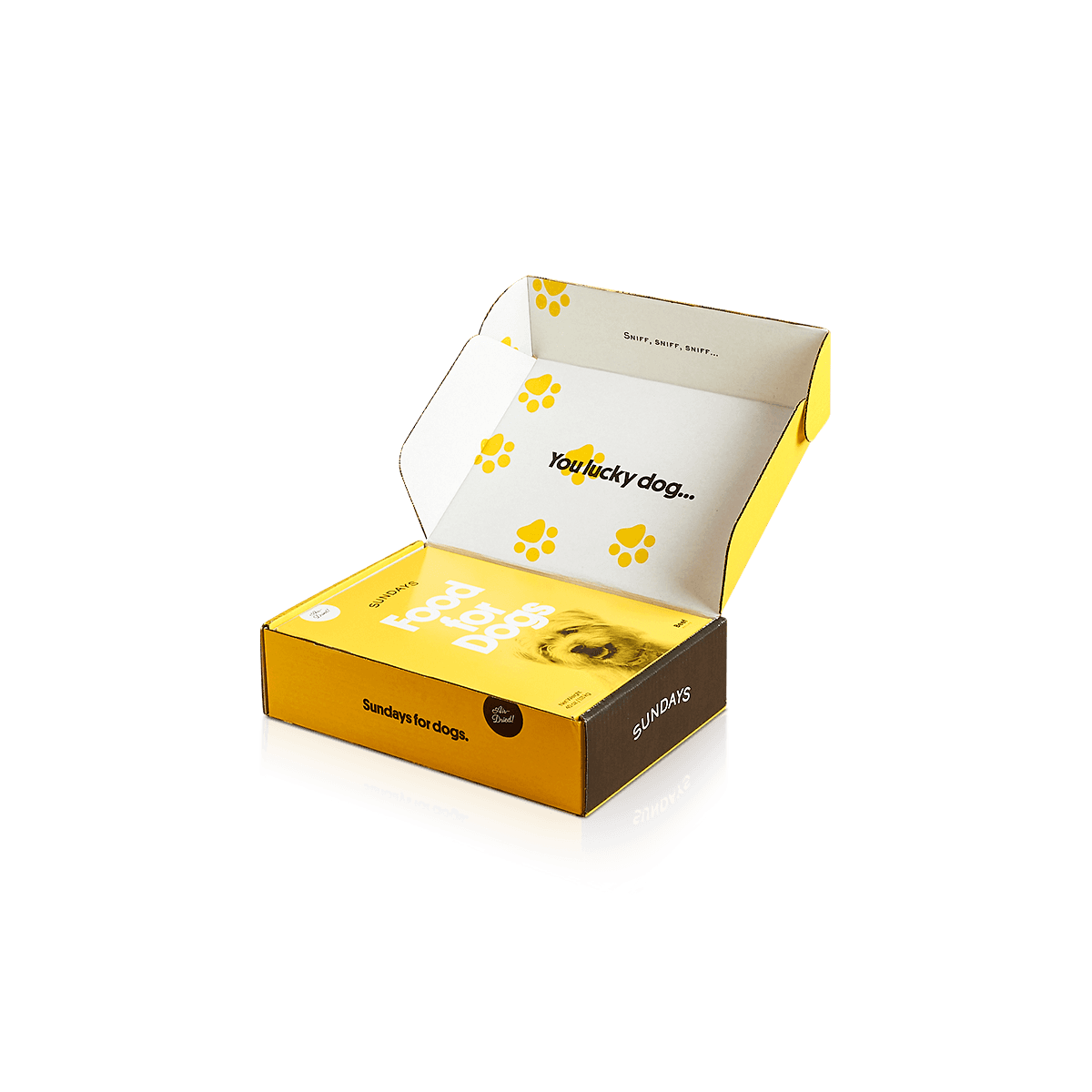
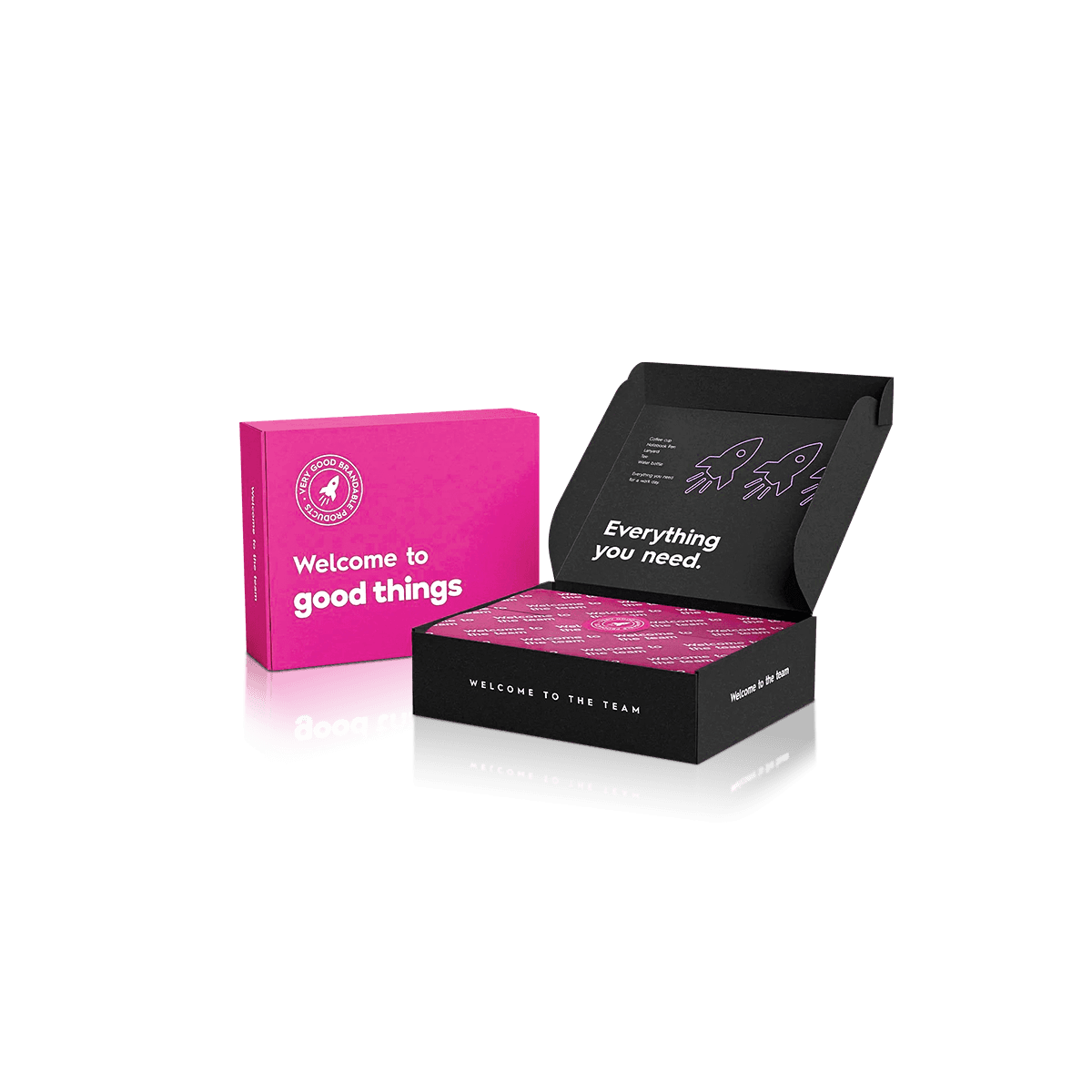
Mailer artwork is read in stages. The customer sees the shipping face first, then the lid, then the inside panel and finally the product arrangement. Treating every panel as equal can make the design noisy and waste the strongest visual moments.

Use the exterior for recognition and shipping-facing communication. Reserve the inside lid for the message that should appear at the first open. Keep the base and side panels quieter when the product and insert need visual space.

Premium offset printing can support sharp brand graphics and controlled color on suitable mailer constructions. CMYK is a strong fit for artwork with multiple colors, illustrations or image-led graphics. Pantone can matter when one brand shade needs tighter control. The practical differences between CMYK and Pantone printing are worth settling before color-critical artwork is approved.

Artwork Must Follow the Dieline

A mailer has fold lines, front tucks, dust flaps, side walls and panels that change orientation when assembled. Important copy or logos should not be placed as though the dieline were a flat poster.

Use the custom dieline generator once dimensions and structure are defined, then set artwork with the correct bleed, safe zones and panel direction.

A free 3D mockup can help confirm visual hierarchy before production, but it does not replace a physical fit check when the product, insert or closure has tight tolerances. Design and dieline support are especially valuable when inside and outside artwork must align through the opening sequence.

Price the Mailer After Packout Is Clear

Pricing becomes more meaningful after the product arrangement, box size, board direction and print coverage are reasonably defined. Quoting too early can create a false low number that changes once an insert, stronger board or inside print is added.

Custom Packly starts US orders from 100 boxes and supports larger production runs as volume grows. Production is in the US, free shipping is included and standard turnaround is 4–6 days after final artwork and specifications are approved. Complex structures, specialty materials or advanced finishes may require additional time.

Once the structure is narrowed, use the instant packaging quote to price the actual mailer rather than a generic box assumption.

For a first run, it can make sense to keep the structure straightforward while confirming product fit and customer response. More expensive finishes should earn their place. A matte or gloss surface may be enough for many DTC programs, while foil, embossing, debossing, spot UV or soft-touch treatments are stronger choices when a specific visual or tactile effect supports the brand.

Custom Packly is an established US packaging company with extensive customization, design support and 24/7 packaging expert access, so teams can resolve structural and artwork questions without splitting the project across several suppliers.

Scale Without Changing the Pack

Growth creates a different mailer problem: not how to make the first box, but how to keep the approved box consistent while order volume, artwork versions and SKU counts increase.

A useful production record should keep the approved dimensions, board construction, print files, color targets and insert geometry tied to the correct SKU. That matters when the same outer mailer serves several products or campaign versions.

For high-volume programs, bulk custom boxes can support larger runs, warehousing and scheduled deliveries without forcing all finished stock into your facility at once.

The practical caution is version control. Seasonal graphics, QR codes, regulatory copy and promotional messages can change faster than the box structure. Separating permanent artwork from campaign-specific elements reduces the chance that an old file is accidentally carried into a new run.

This is also where a small mailer size system becomes valuable. If three sizes cover most orders, name and track those sizes consistently rather than letting teams request slightly different dimensions each time.

Plan the Return Journey

The outbound unboxing is only half of the e-commerce trip when returns are common. A box that opens beautifully but cannot be closed securely for the return path may create extra tape, extra instructions or a second packaging requirement.

Decide before production whether the original mailer is expected to travel twice. If returns are uncommon, a standard front-tuck structure may be enough. If returns are routine, the closure strategy deserves more attention, and an adhesive or return-ready construction may simplify the second trip.

The box also has to survive the first opening. Tear features, perforations and seals should make the intended behavior obvious without damaging the panels needed for a return. Return instructions can sit inside the lid or on a card so the customer does not have to search for them after unpacking.

This decision is easy to miss because it happens after the sale, yet it changes closure choice, artwork placement and the amount of wear the box must tolerate. The strongest Product Mailer Box is therefore not the one with the most decoration. It is the one that fits the normal order, moves through fulfillment cleanly, protects the product and still behaves the way the customer needs it to after delivery.

FAQs

It makes the most sense for small to medium products where presentation still matters at delivery. Subscription items, apparel, accessories and giftable D2C orders are common fits for mailer boxes.

Not usually. Common mailer constructions use interlocking tabs and dust flaps so the box can assemble and close without tape or glue in normal packing workflows.

Choose Mailer Boxes when the order is lighter, the unboxing matters and fulfillment speed is important. Move to Shipping Boxes when the item is heavier, more fragile or needs more space for added protection during rougher transit.

Yes. Inside printing is commonly available on corrugated mailer styles, which makes this format useful for welcome messaging, campaign graphics and more polished brand reveals.

Start with the product footprint and only add the room needed for wrap, inserts or literature. Right-sizing helps control material use, avoid obvious dead space and keep the shipment looking more efficient to the customer.

Process

How it works

Your Packaging Journey, From Idea to Production and Delivery

01

Tell Us Your Specs

Custom packaging boxes

Tell Us Your Specs

Provide size, quantity, printing, and finishes.

02

Get a Fast Quote

Custom packaging boxes

Get a Fast Quote

Instant transparent pricing, no hidden fees.

03

Design and Approval

Custom packaging boxes

Design and Approval

Artwork checks, revisions, and final sign-off.

04

Produce

Custom packaging boxes

Produce

Expert manufacturing to meet deadlines.

05

Ship to Your Door

Custom packaging boxes

Ship to Your Door

Hassle-free, flexible delivery options.

Get Your Quote for Custom Product Mailer Boxes

Share your product details, size, quantity and artwork needs. We’ll help choose the right packaging style and send a clear quote.