The Strength Is Folded Into the Walls
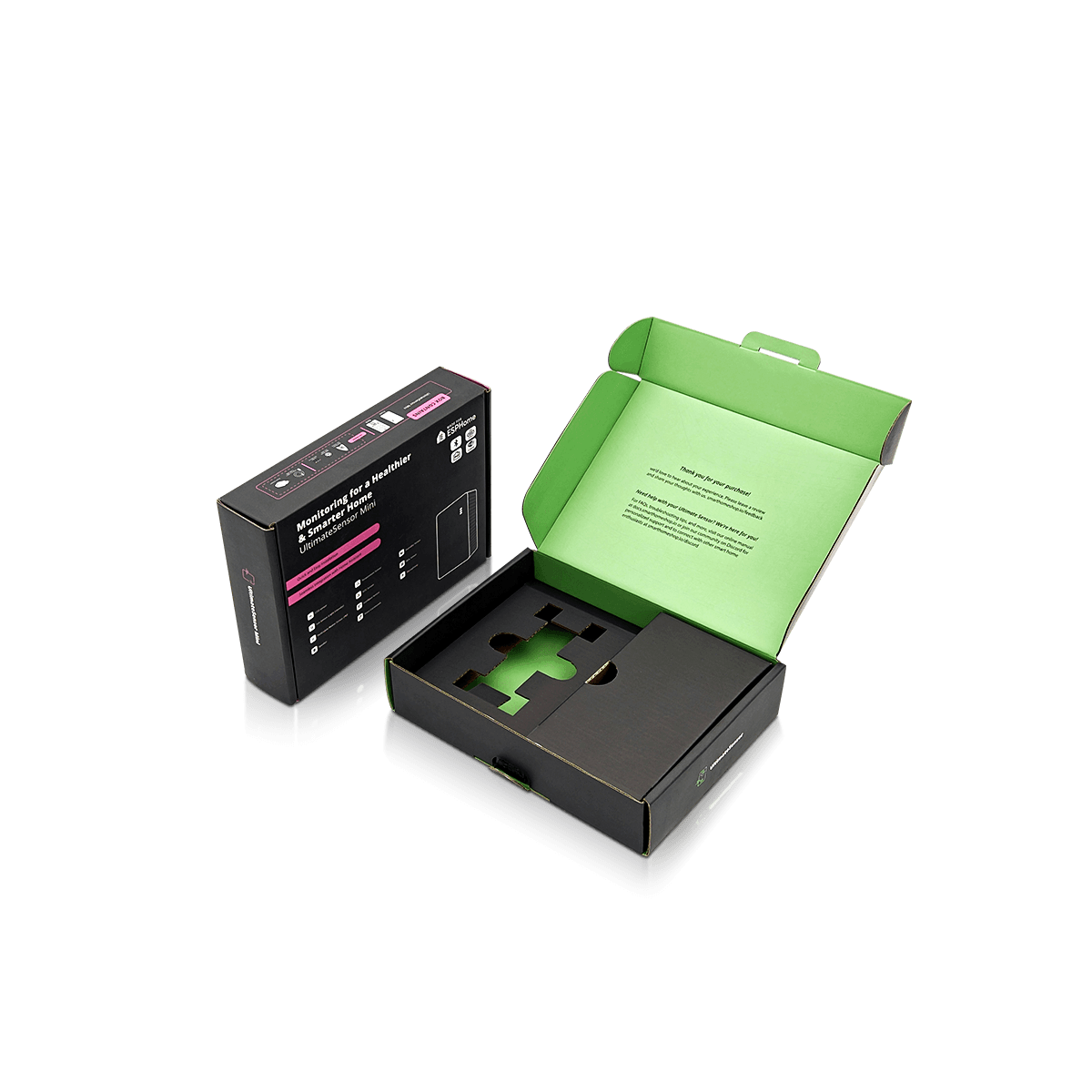
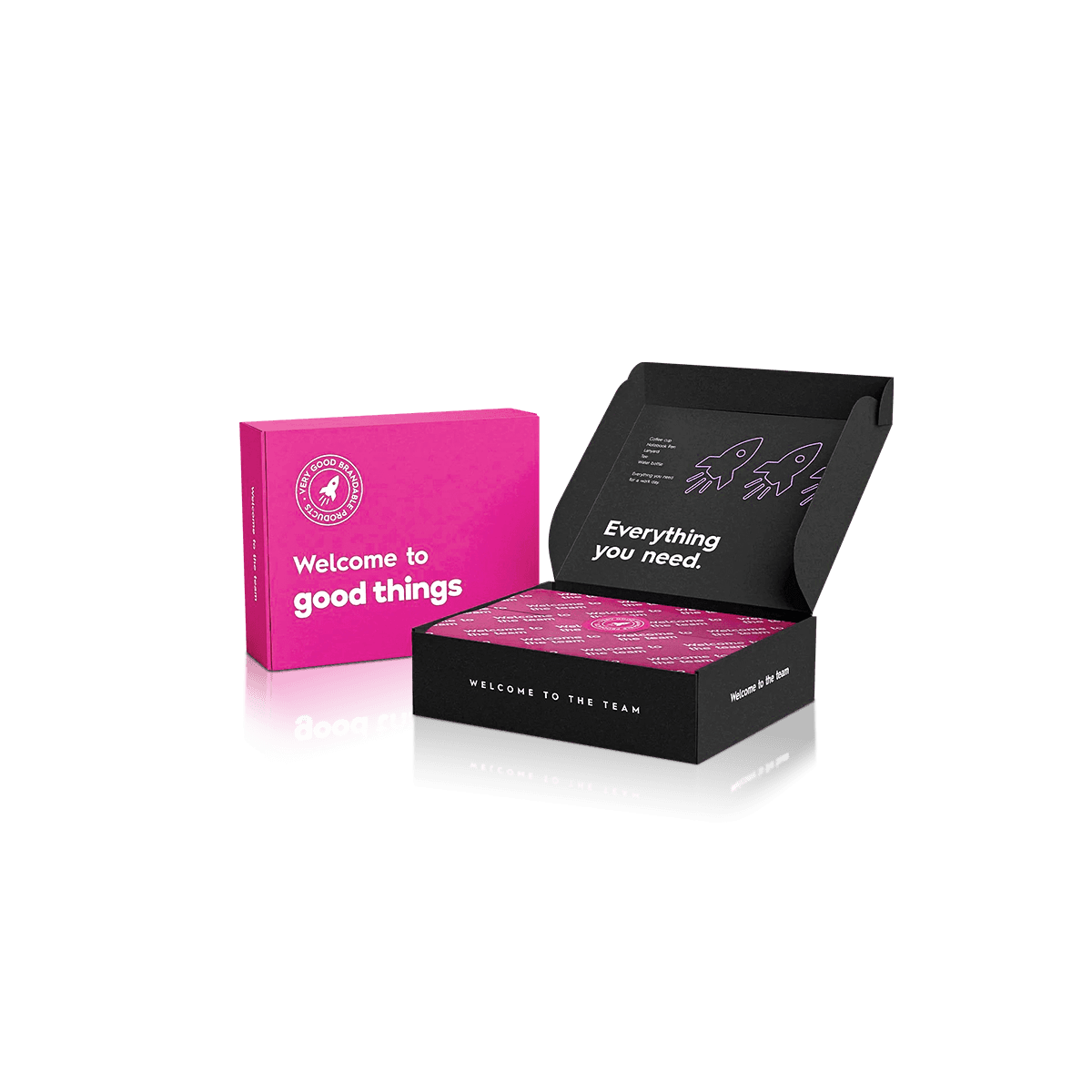
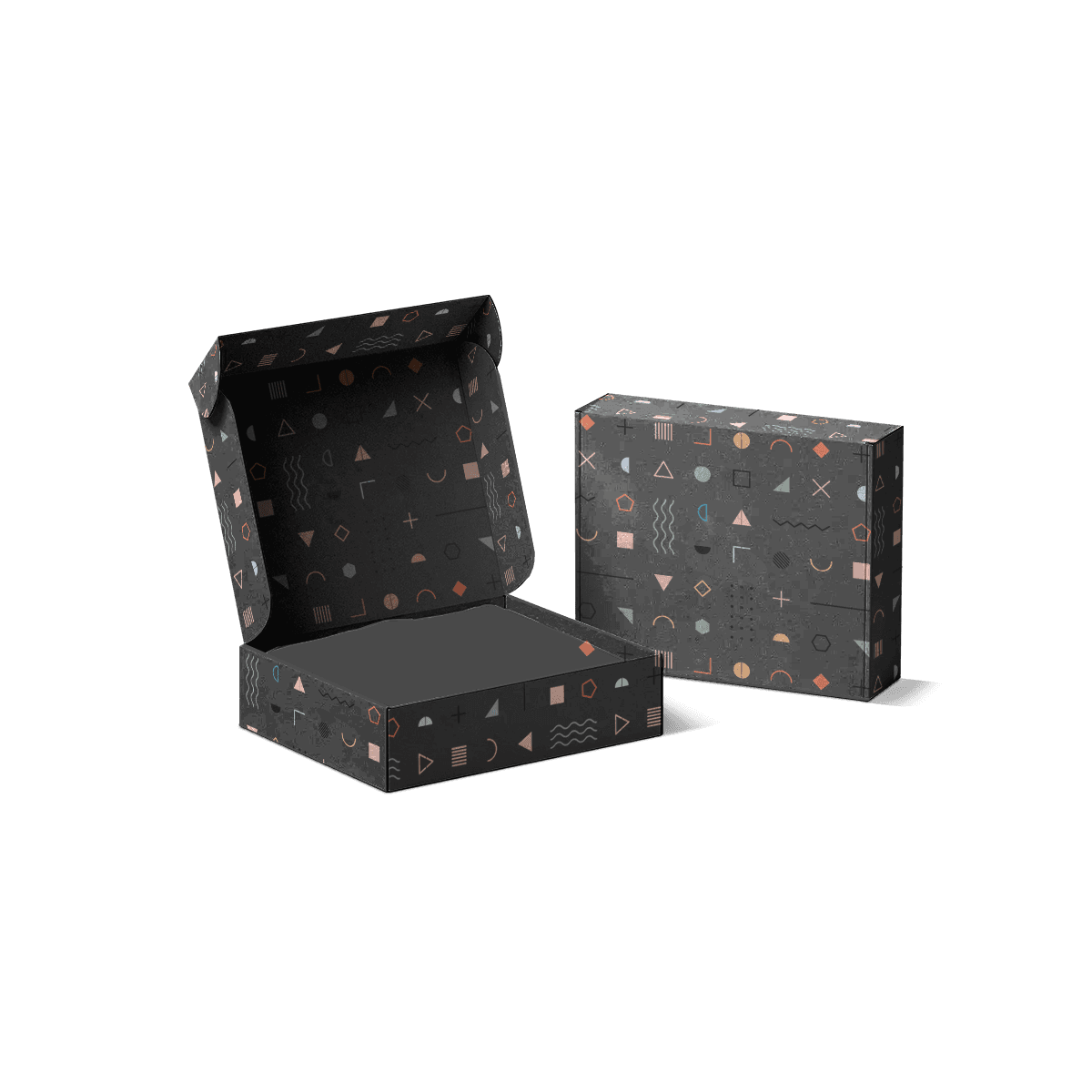
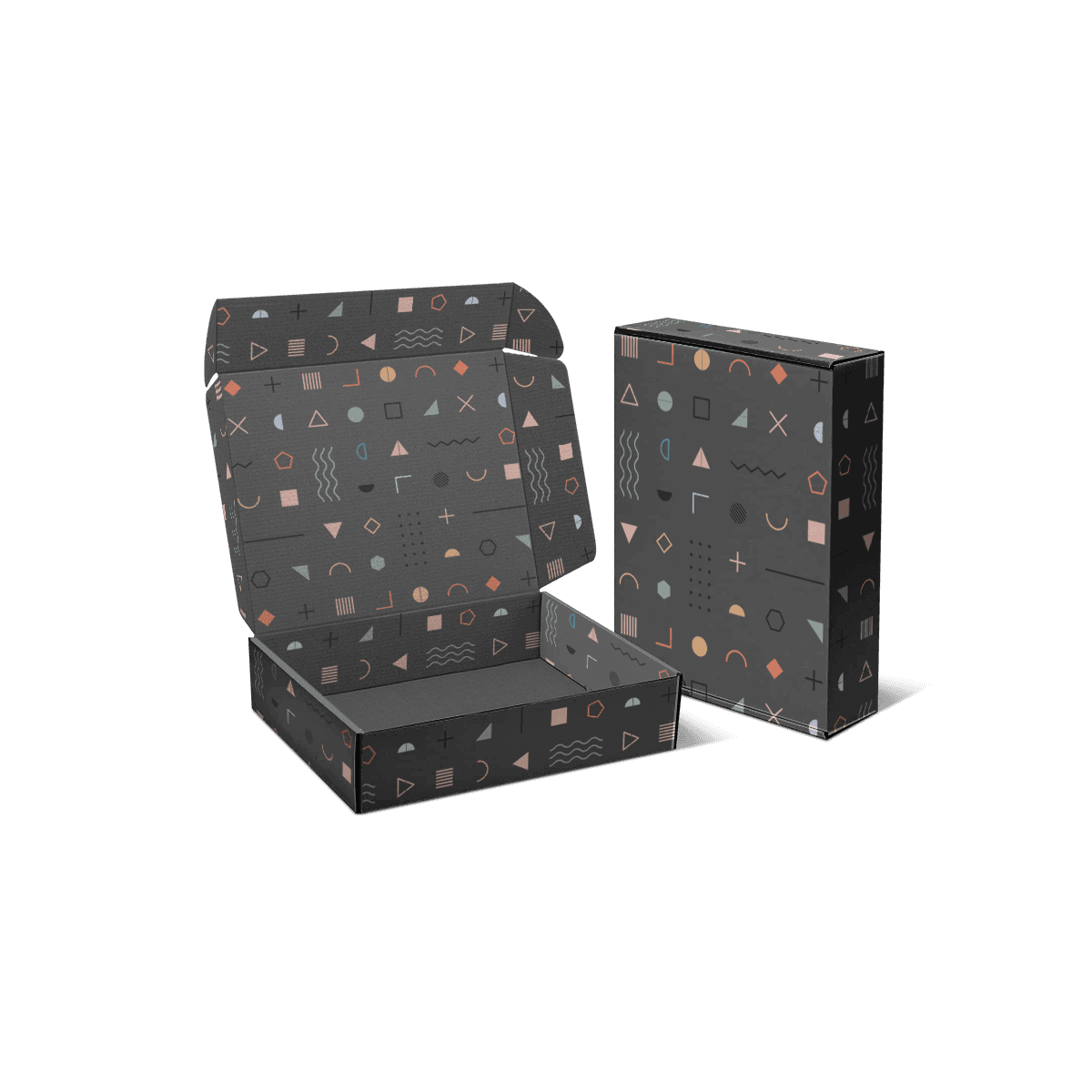
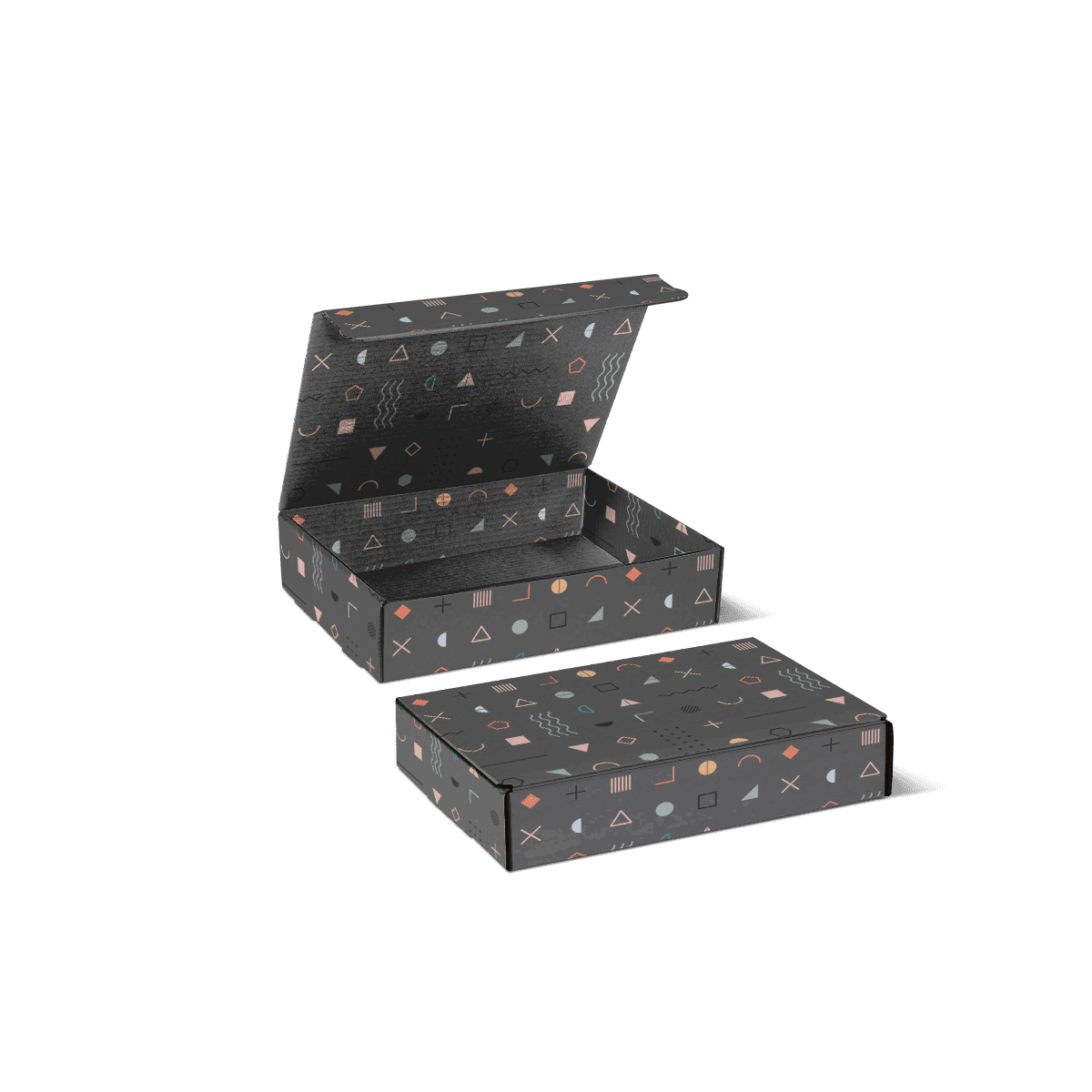
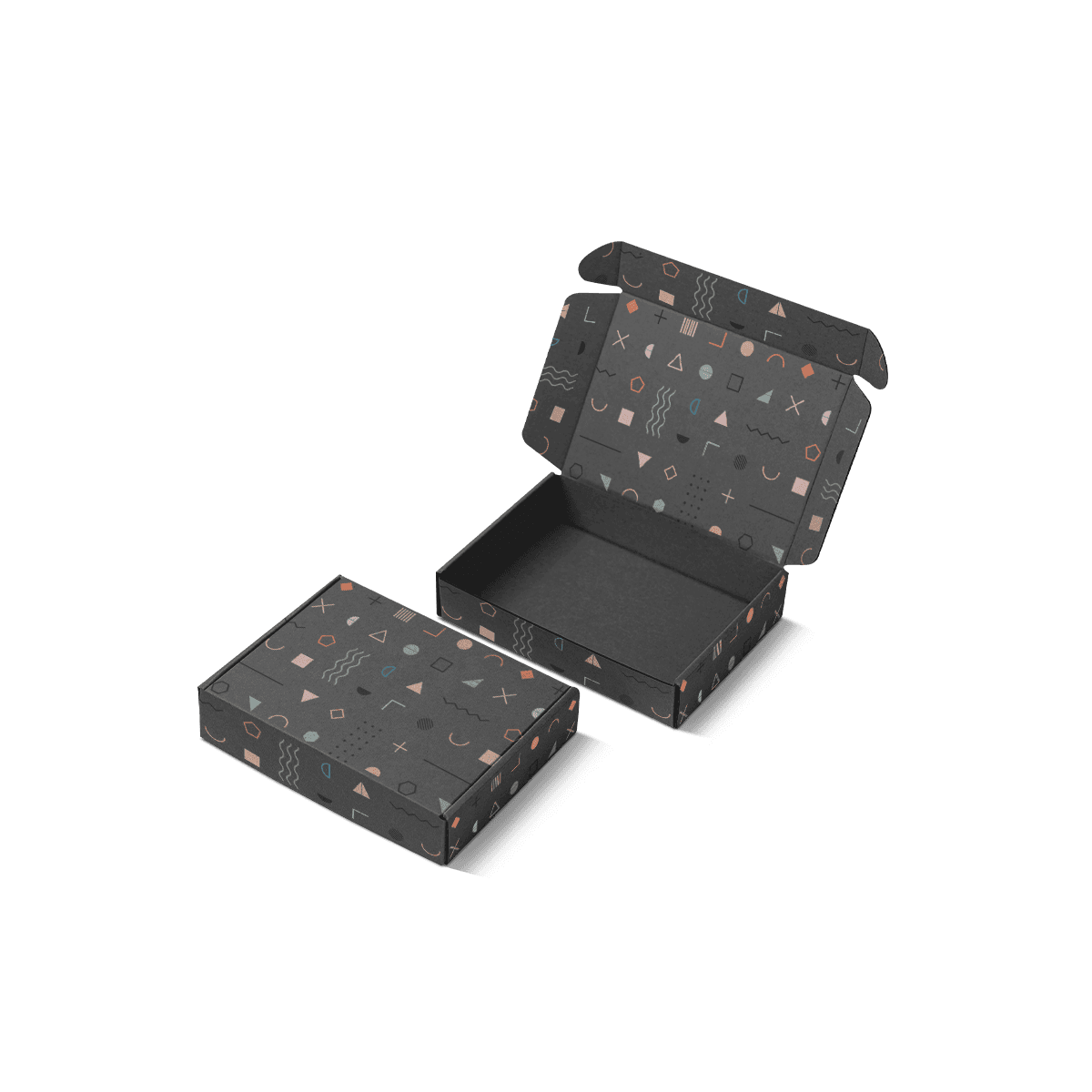
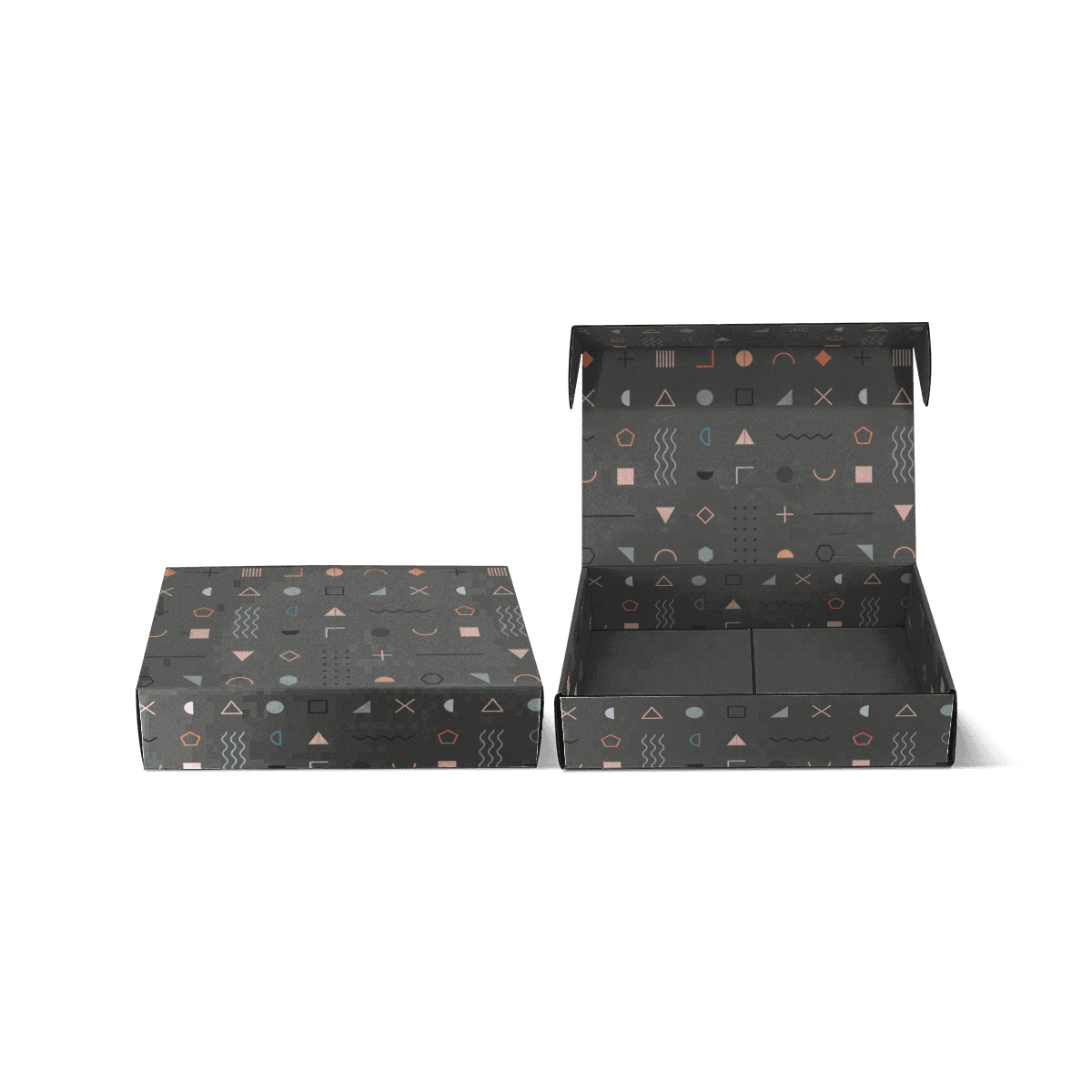
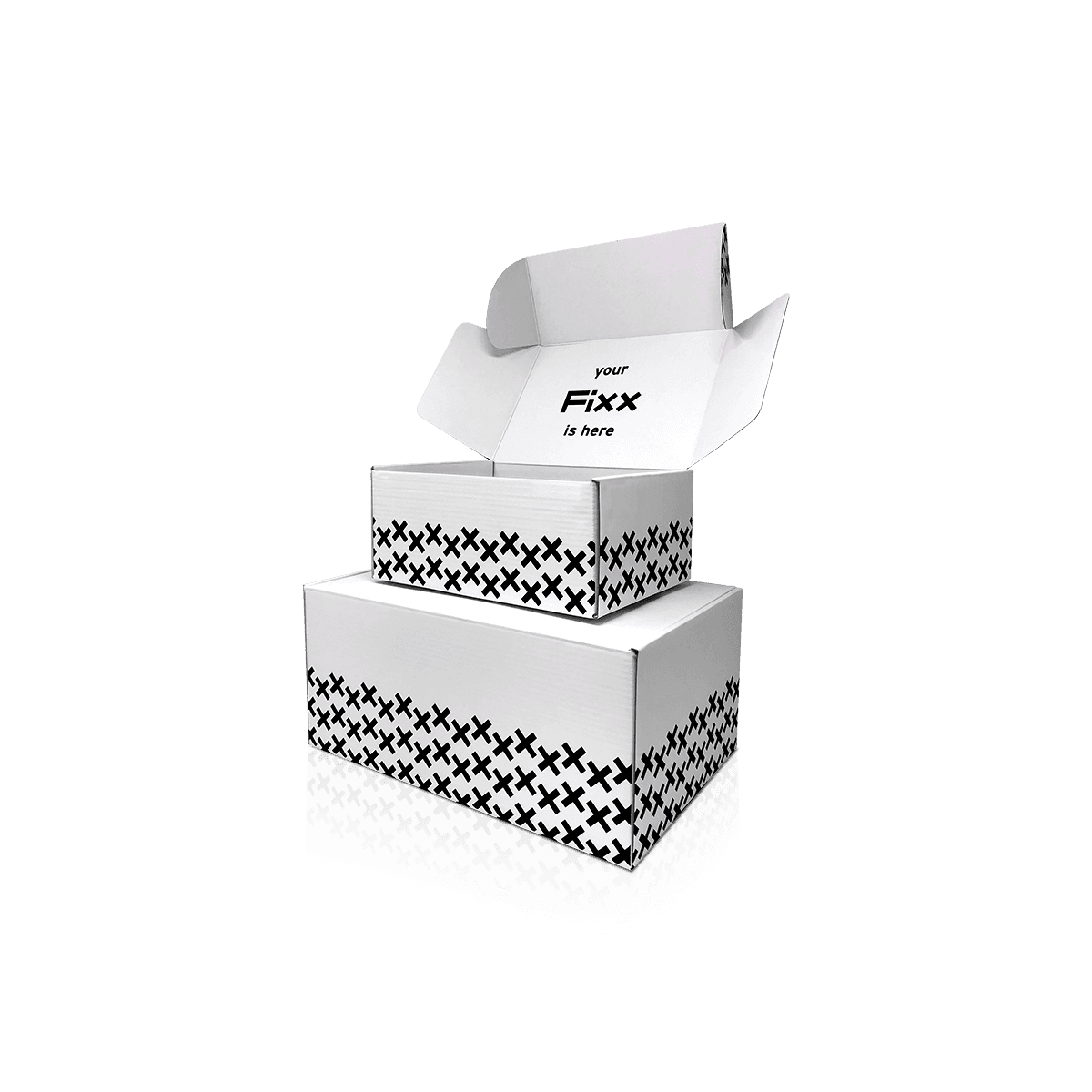
A Roll End Tuck Box gains much of its structure during assembly.
The blank arrives flat. Its side panels fold inward and roll over themselves to form thicker side walls. The hinged lid then closes toward the front, where the tuck secures the opening.
That construction changes how the box behaves compared with a simple folding carton.
The side walls contain multiple layers of corrugated board once assembled, which can make the finished box feel substantially more structured without requiring a separate glued side wall. The base, walls and lid also come from one connected blank.
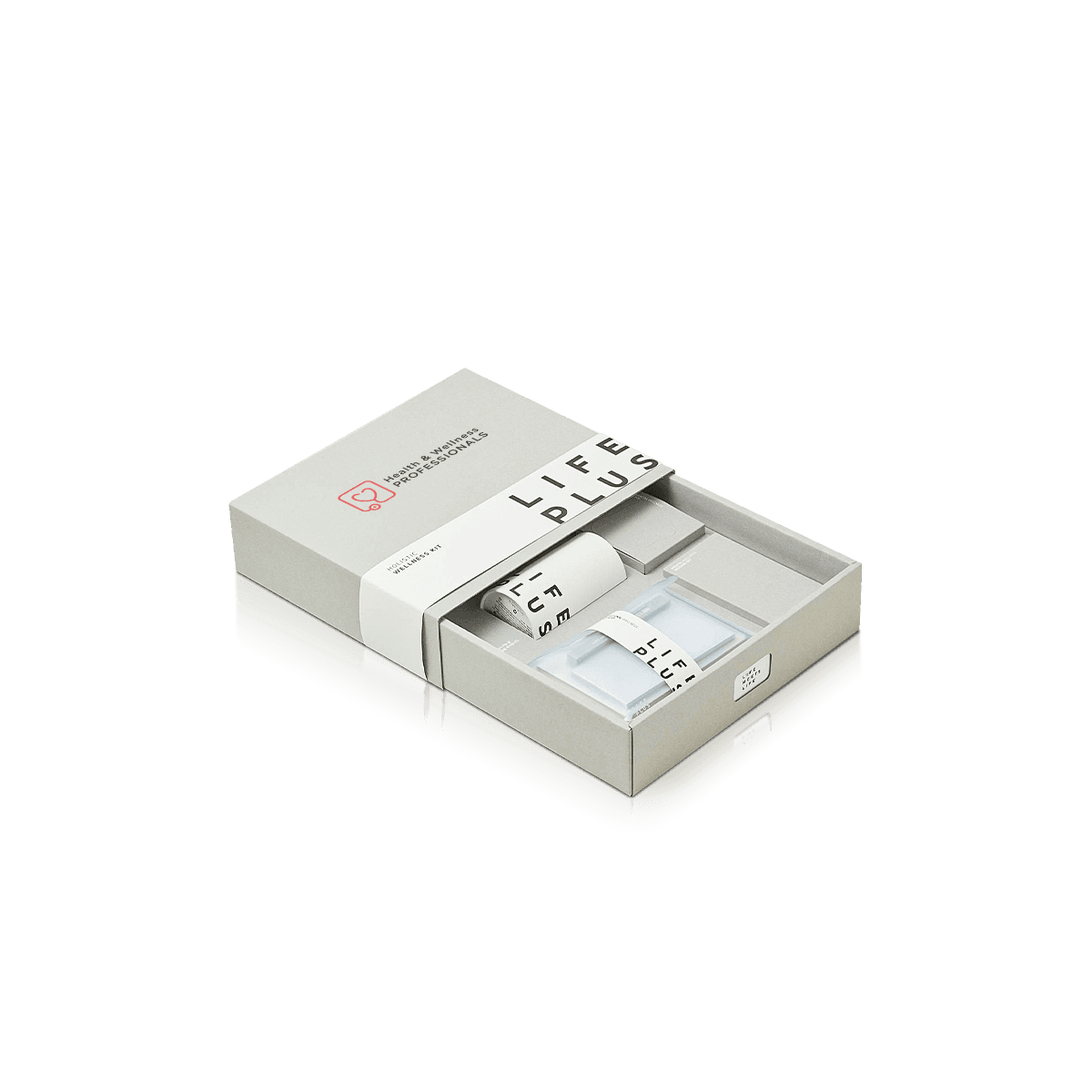
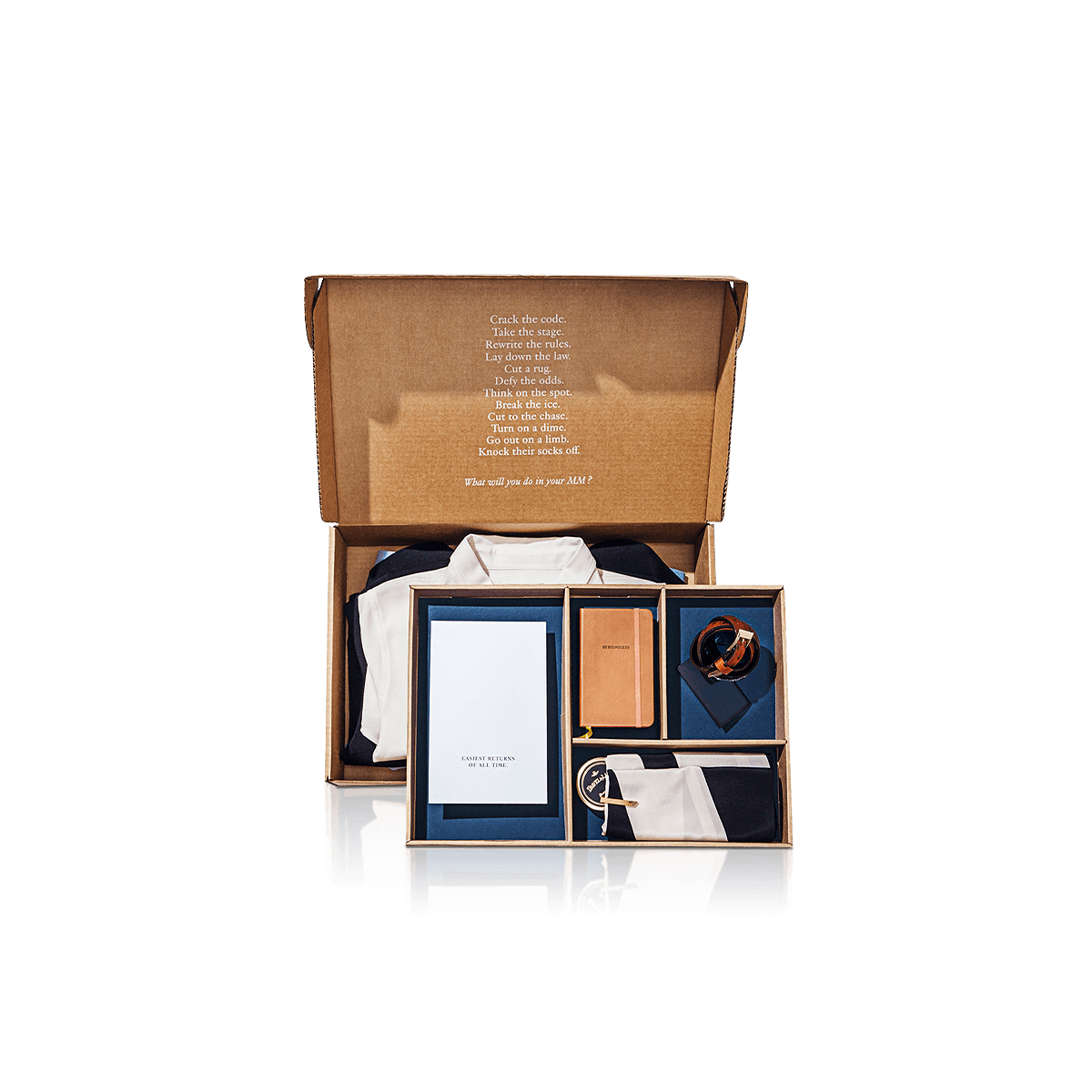
For e-commerce retail packaging, this format is particularly suited to orders where several products need to arrive together in one organized box rather than each item being treated as an unrelated parcel component.
Custom Roll End Tuck Boxes can work for subscription assortments, launch kits, sample sets, folded accessories, tech kits, promotional sends and other relatively compact e-commerce orders.
The important distinction is that the rolled walls are doing real structural work. They are not decorative folds.
The Flat Blank Is Only Half the Structure
Looking at the unassembled dieline can make the box appear more complicated than it feels once formed.
That complexity has a reason.
The extra side-panel material becomes wall reinforcement after folding. Slots and locking tabs hold the rolled sections in position. The front and lid then complete the perimeter.
If one fold is skipped or reversed, the box may still look roughly rectangular but lose the stiffness the construction was meant to create.
Assembly accuracy is therefore part of performance.