Skip to content
Details

Custom Pet Boxes

Custom printed retail boxes for pet brands selling treats, toys, accessories and care products. Coordinate packaging across different products without compromising individual fit, shelf presentation or manufacturing efficiency.

One Brand, Different Retail Boxes

A pet brand selling treats, grooming products and toys needs a recognizable identity across its product line. Those products, however, rarely share the same physical packaging requirements.

The treat pack may need a sealed inner pouch. A grooming bottle requires clearance around its cap or pump. A toy may need an opening that reveals its texture and shape.

Custom Pet Boxes allow brands to coordinate the appearance of these products while giving each selling unit an appropriate structure.

The objective is not to force every product into an identical carton. It is to establish a consistent retail presentation using compatible proportions, recognizable artwork and appropriately specified construction.

For example, a pet care brand might use shallow cartons for small accessories, taller boxes for grooming bottles and compact multipack cartons for sealed treats. The products can still share a consistent logo position, typography and visual identity.

Custom Packly supports made-to-order dimensions, custom printing, structural design and internal packaging features for these requirements.

A coordinated box program can be particularly valuable when a pet brand is expanding from one product into several retail lines. It creates consistency without treating physically different products as interchangeable.
Which Products Need an Outer Box?

A printed carton is most valuable when it performs a specific job that the primary product container cannot perform as effectively.

Some pet products need an outer box for protection or presentation. Others need additional printed space, retail organization or a practical way to group several selling units.

The distinction affects packaging cost, materials and the customer experience.

Boxed Pet Treats

An outer carton can organize sealed treat packs, portioned products or multipacks intended for retail sale.

The primary package remains responsible for appropriate food containment and any required moisture or aroma barrier.

A carton can then establish the selling unit, improve stacking and carry the approved product identification.

For a brand selling several smaller pouches as one purchase, treat boxes can accommodate the actual packed arrangement without requiring the carton itself to perform the primary barrier function.

The internal dimensions should follow the filled and sealed pouches rather than their empty dimensions.

Boxed Toys and Accessories

Individual toys and accessories may benefit from a defined retail footprint, a printed exterior or a structure that retains awkward shapes.

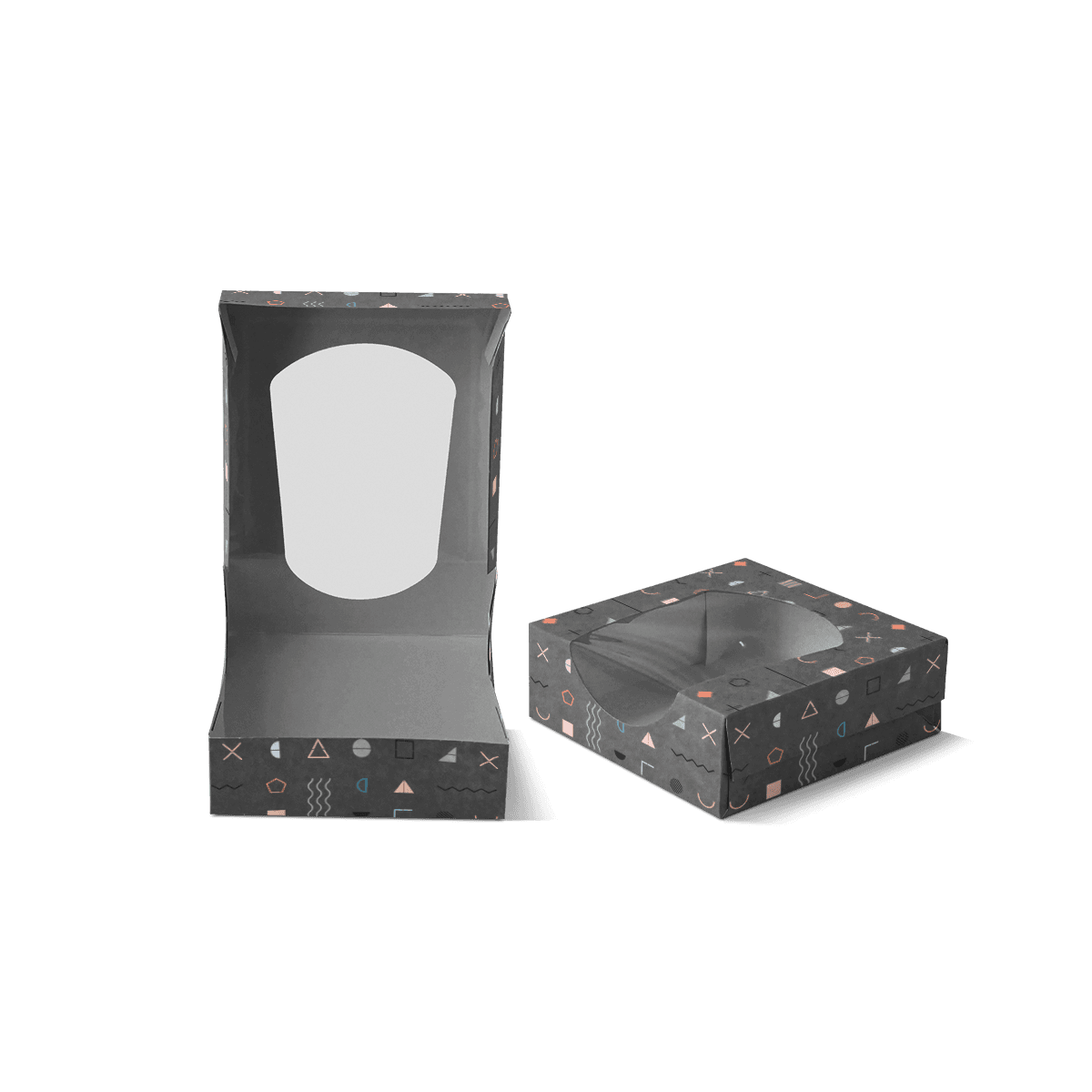
A soft toy might need a shallow carton with a carefully positioned opening. A rigid accessory could require a compact box that prevents movement.

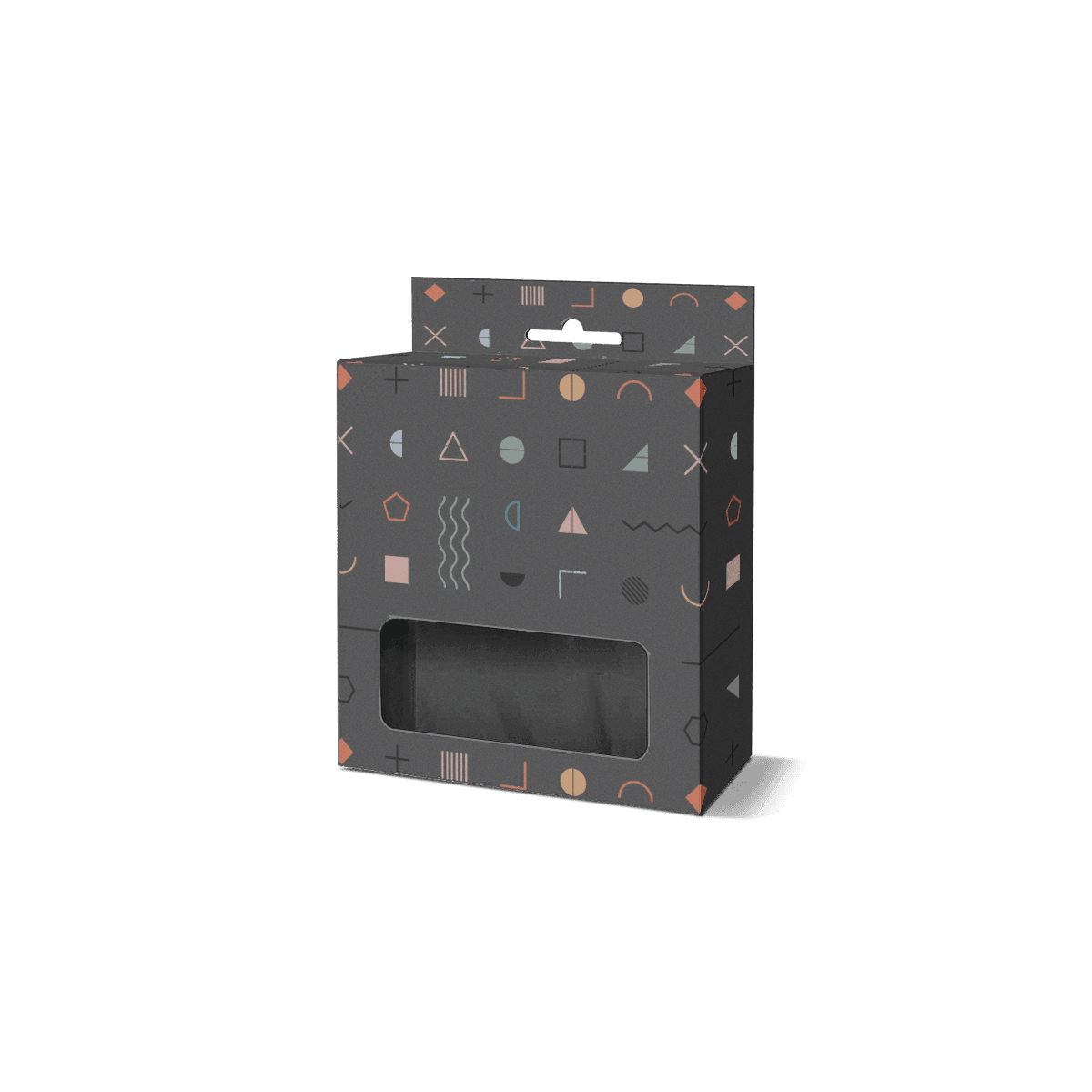
An outer box should not conceal the features that influence the purchase unless the printed presentation communicates them adequately.

For lightweight products that already carry their own retail labels, the value of adding a carton should be assessed before manufacturing.

Pet Care Products

Shampoos, balms, grooming tools and care accessories may need secondary cartons for additional printed copy, retail presentation or product organization.

The outer box should support the primary container without pressing against dispensing components.

For a care set containing several products, the carton may also need internal dividers or individual compartments.

A well-planned outer box should make the products easier to organize without creating unnecessary packing steps.

Retail Footprints That Work Together

A coordinated pet product line does not necessarily need one box size.

It needs carton proportions that work with the products and the space in which they will be sold.

A group of cartons with completely different heights, depths and front-panel arrangements can appear disorganized when displayed together.

However, forcing unlike products into one standard dimension may create excess empty space, unstable product positioning or unnecessary material consumption.

The practical approach is to establish a limited number of suitable carton footprints.

Shared Front-Panel Widths

Several cartons can share a common front-panel width while retaining different depths or heights.

This can create a consistent retail appearance without requiring identical internal dimensions.

A compact balm jar and a small accessory, for example, may work with the same front-panel width but need different internal arrangements.

The carton should still fit its contents closely enough to prevent excessive movement.

Shelf Depth and Stability

The carton depth must accommodate the product and allow the package to remain stable in its intended retail position.

A tall grooming carton may need a different footprint from a shallow box containing a flexible accessory.

The filled product's weight distribution should be considered before committing to a shared exterior profile.

A consistent front panel is not worth creating a package that falls forward or requires unnecessary internal material to stay upright.

Display and Case-Packing Dimensions

Individual cartons should also fit the retail display and wholesale case.

A small change to the carton width can affect how many units fit across a shelf or inside a master carton.

When several products share the same retail fixture, their finished dimensions should be assessed together.

Custom Packly's free 3D mockups can help evaluate proposed carton proportions and their appearance as a coordinated group.

For products that need a fixed shelf arrangement, custom retail packaging can account for the intended facing, barcode position and retailer handling requirements.

Three Products, Two Box Structures

Consider a hypothetical pet brand introducing three retail products: a sealed treat multipack, a grooming brush and a compact paw balm.

The brand initially proposes using one carton structure for all three products to simplify purchasing.

The treat multipack fits comfortably, but the grooming brush requires a longer cavity. The balm jar occupies only a small portion of the same box.

Using the proposed structure unchanged would create unnecessary space around the jar while failing to accommodate the brush efficiently.

The more practical arrangement is to establish two carton structures.

A compact carton can accommodate the balm and treat multipack, provided each receives an appropriate internal arrangement. The brush can use a longer carton suited to its actual dimensions.

The outside artwork can still share common brand elements.

This distinction matters because standardization should reduce unnecessary complexity rather than introduce packaging that performs poorly.

A shared dieline is valuable when products genuinely fit it. It is less valuable when additional inserts, filler or oversized cartons are needed to compensate for an unsuitable common structure.

For the shared compact carton, the brand could use different artwork versions while maintaining the same external dimensions.

The longer brush carton would require its own structural specification.

The resulting packaging program has a coherent retail identity without depending on one universal box.

Construction Across the Product Line

Different carton structures can belong to one packaging program when their materials and manufacturing methods are selected deliberately.

The construction should reflect the product's weight, required protection and intended use.

Folding Retail Cartons

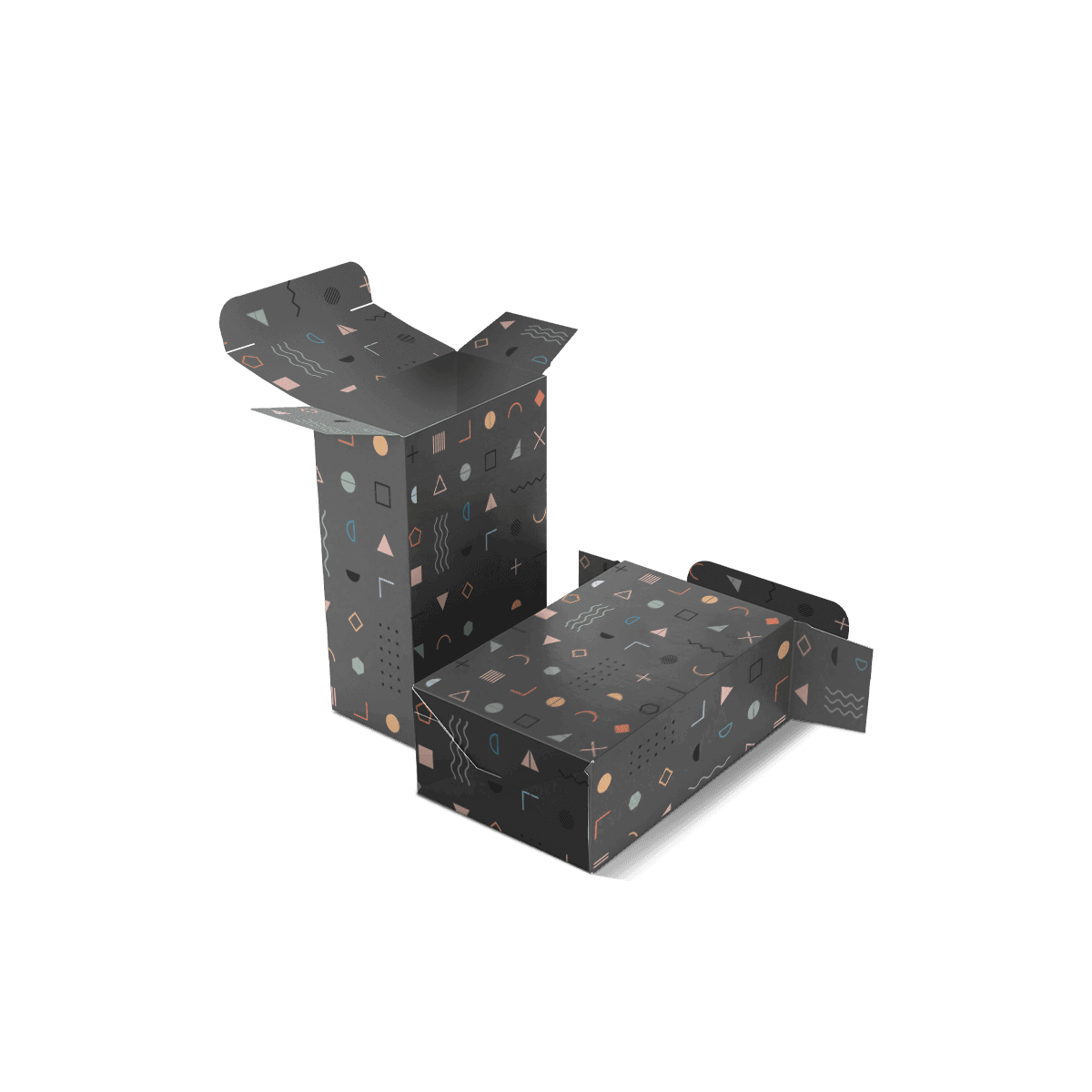
Paperboard folding cartons are suitable for many individual retail products that need printed surfaces and efficient flat storage.

They can accommodate standard tuck closures, suitable bottom-lock constructions and custom die-cut openings.

Their relatively compact construction can make them practical for smaller pet care products, accessories and individually packaged retail goods.

The correct board specification depends on the finished product and the selected structure.

Corrugated Construction

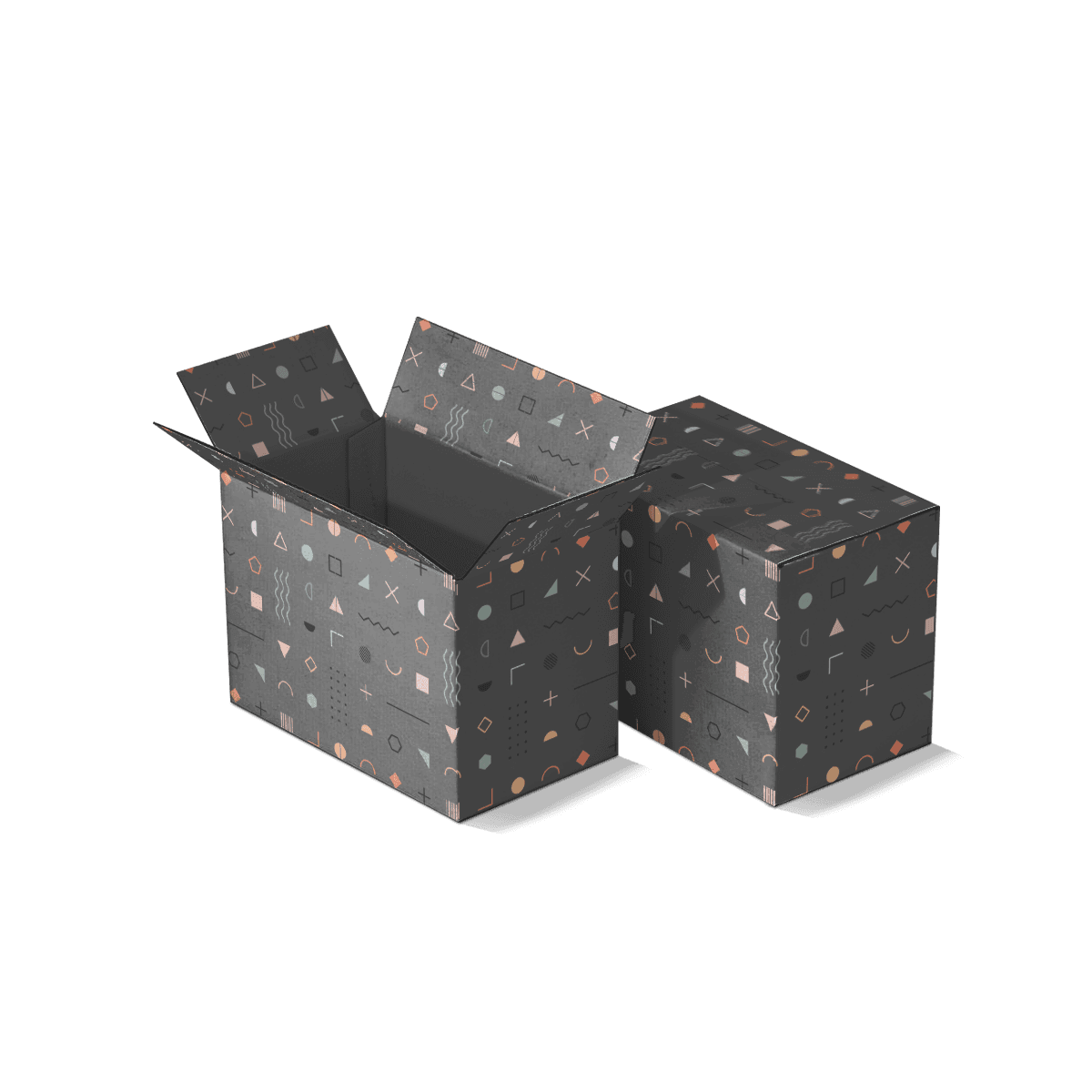
Corrugated board becomes relevant when greater structural strength or protection is required.

It can be suitable for heavier retail units, multipacks and products whose distribution requirements exceed those of a lightweight folding carton.

The board grade and flute should follow the actual load and handling conditions.

A corrugated carton does not automatically need a bulky exterior. Its dimensions can be developed around the packed product and required protective space.

The choice between different packaging materials affects material consumption, printing, structural performance and storage.

Premium Presentation

Some products justify a more substantial structure because the packaging is part of the purchase.

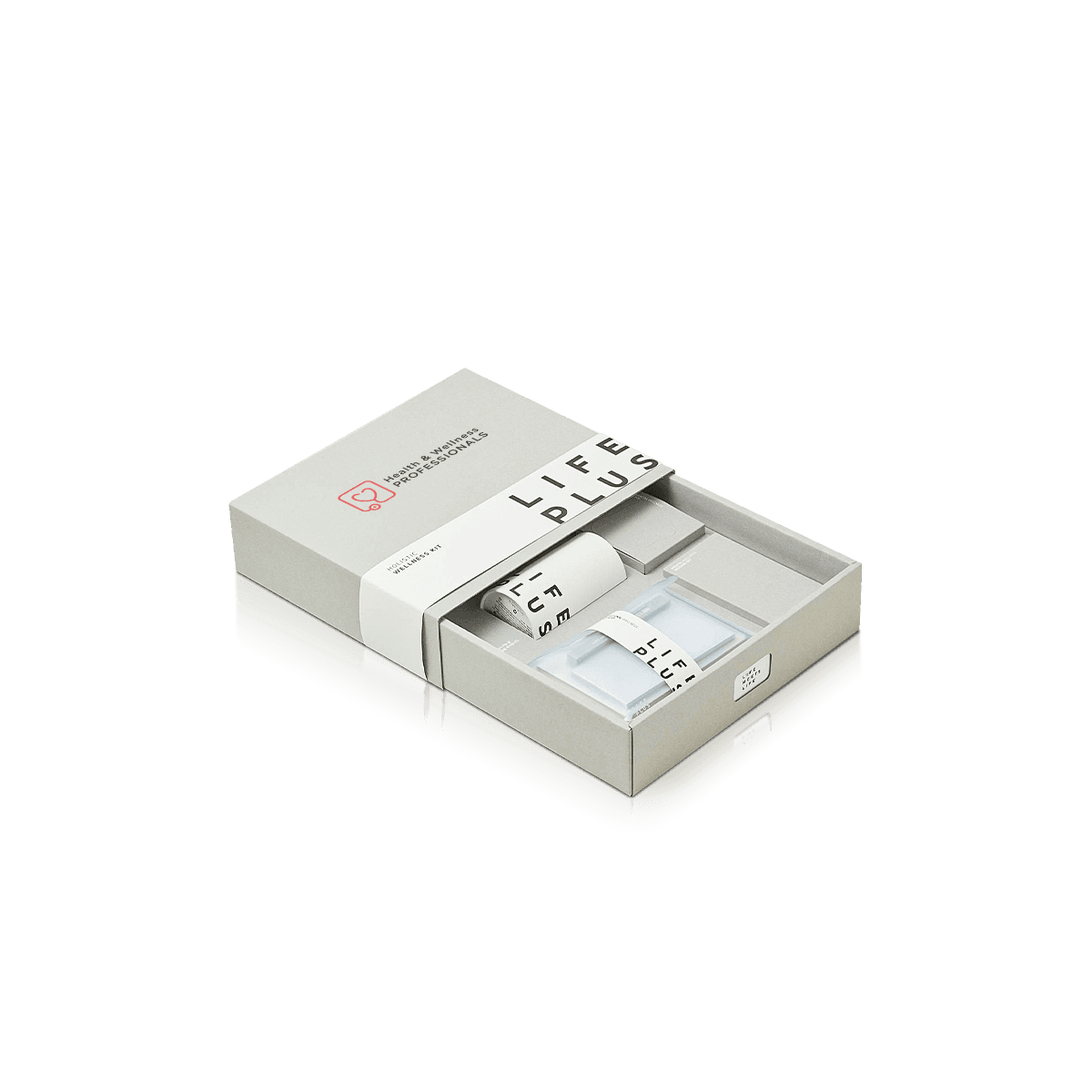
Premium pet gifts and higher-value care assortments may benefit from rigid pet product boxes with a fitted interior.

Rigid board can support a different opening experience and a more substantial presentation than a conventional folding carton.

That construction should be selected because it serves the product and its intended commercial position, not simply because it is more expensive.

The manufacturing specification for a premium gift set should remain distinct from an ordinary individual retail carton.

Pricing a Coordinated Box Program

The quantity of each carton design matters as much as the total number of boxes across the product line.

An order containing 5,000 boxes in one structure and one artwork design is different from an order of 5,000 boxes divided among several structures and printed versions.

Each structural variation can affect tooling, material consumption and production setup.

Different artwork versions can also influence printing and approval requirements.

For a new pet brand, the aim should be to avoid unnecessary structural variations while retaining the differences that genuinely matter.

An existing dieline may accommodate several products when their dimensions and structural requirements are compatible. A new product with substantially different dimensions may justify a separate structure.

A product requiring a specialty window or internal support may also need its own manufacturing specification.

Custom Packly's USA minimum order quantity starts from 100 boxes.

For a defined packaging program, the instant custom packaging quote can account for the individual box structures, artwork versions and quantities.

The most accurate cost assessment treats each distinct manufacturing requirement separately rather than assuming every box in the program carries the same production cost.

Branding Across Different Products

A coordinated pet packaging identity should make products recognizable without making them difficult to distinguish.

A treat carton and a grooming carton may share typography and logo placement, but customers still need to identify the contents and intended use quickly.

The graphic system should establish which elements remain consistent and which change with the product.

Stable Brand Elements

Consistent logo placement, typography and visual proportions can help customers recognize the brand across different carton sizes.

A shared graphic element may carry across the front and side panels.

However, the artwork must account for structural differences. A small carton may not have enough space for the same arrangement used on a larger product.

The identity should remain recognizable when individual elements are repositioned to suit the package.

Product Identification

Species, product type, size, flavor and intended use can all affect how customers distinguish pet products.

The relevant identifiers depend on the actual item.

For pet treats, approved product and feeding information may be necessary. An accessory carton may need clear sizing and fitting information.

The printed hierarchy should reflect those differences.

Color can support product identification, but it should not replace clear text where customers need to distinguish between similar products.

Printing and Artwork Versions

Custom Packly supports premium offset printing for cartons requiring sharp graphics and consistent brand presentation.

CMYK artwork can accommodate illustrations and multicolor designs, while Pantone specifications may be considered for tighter control of particular brand colors.

The quantity of each printed design should influence the production decision.

The distinction between digital, offset and flexographic printing becomes particularly important when a brand has several artwork versions with different order quantities.

The finished artwork must follow the approved structural dieline.

Primary Packaging Still Has Its Own Job

Custom Pet Boxes can organize and present a product, but the outer carton should not be expected to replace the functional requirements of its contents.

This is especially important for consumables and liquid care products.

A sealed treat pouch may need a specified barrier to protect its contents. A shampoo bottle needs an appropriate closure and container construction.

Placing either product inside a printed carton does not automatically establish those properties.

For pet brands selling both boxed and unboxed products, the outer packaging should be selected according to the role it actually performs.

A treat pouch may need no individual carton when its printing, closure and retail presentation are already sufficient.

A grooming bottle may benefit from an outer carton if additional printed space or a coordinated retail presentation is required.

The Pet Products assortment can therefore include cartons alongside pouches, tubes and other structures, with each package performing a distinct job.

Food and Treat Containment

For food and treat products, confirm the primary packaging specification before developing a secondary carton.

Any material that contacts the product must be appropriate for the intended application.

The product manufacturer remains responsible for confirming the applicable food-contact requirements, product claims and labeling obligations.

A printed carton should not be described as food-safe merely because it surrounds a sealed food product.

Care Product Containment

Liquid products need suitable primary containers and dispensing closures.

An outer carton can support the container and reduce movement, but it cannot compensate for an unsuitable seal.

The internal structure should avoid placing unnecessary pressure on pumps, caps or other vulnerable components.

Material and Disposal Claims

Material claims need to reflect the actual packaging construction.

A paperboard exterior does not establish that the complete package is recyclable when it also contains films, coatings or other components.

Where material selection and end-of-life considerations are central to the project, eco-friendly pet boxes require an assessment of the complete construction rather than the exterior appearance alone.

Retail Cases and Product Replenishment

Individual retail cartons are often produced and distributed in larger shipping cases.

For a coordinated product line, the relationship between the selling unit and its master carton can affect storage, replenishment and handling.

A retail box that fits its product efficiently may still create avoidable case-packing problems when its outside dimensions are not considered.

Case Quantities

Determine the intended number of retail units per shipping case.

The case dimensions should accommodate those units without leaving unnecessary space for movement.

For heavier products, the combined packed weight must inform the outer construction.

The individual retail boxes should also tolerate the expected case-packing arrangement.

Barcode Placement

Retail barcodes and shipping-case identifiers serve different operational purposes.

The appropriate markings should follow the retailer's requirements and the product's approved identification system.

Avoid positioning essential markings where a fold, closure or structural feature interferes with scanning.

For multiple product variants, the retail unit and its corresponding master carton need accurate identification.

Replenishment

A product line may contain several carton structures with different sales volumes.

Packaging procurement should reflect the actual quantities required for each structure and artwork version.

For appropriate larger programs, Custom Packly supports bulk custom boxes, warehousing and scheduled deliveries.

This can help coordinate packaging supply with production and retail replenishment.

Standard USA production turnaround is 4–6 days after final artwork and specifications are approved. Complex structures, specialty materials and advanced finishes may require additional time.

Retail Boxes and Ecommerce Orders

An individual retail carton does not automatically need to perform the job of a parcel shipping box.

A lightweight printed carton may be appropriate for a pet store shelf while requiring an additional protective layer during ecommerce delivery.

The decision depends on the product, the retail carton and the expected distribution conditions.

Individual Retail Units

A product sold through a physical store may primarily need a stable footprint, readable printing and sufficient protection for normal store handling.

The carton should remain practical for retail staff and customers.

Unnecessarily strengthening every individual box for parcel shipping may increase cost and material consumption without improving its normal retail function.

Direct-to-Consumer Orders

Ecommerce orders may combine several retail products inside one parcel.

The outer package needs to accommodate their combined weight and prevent unwanted movement.

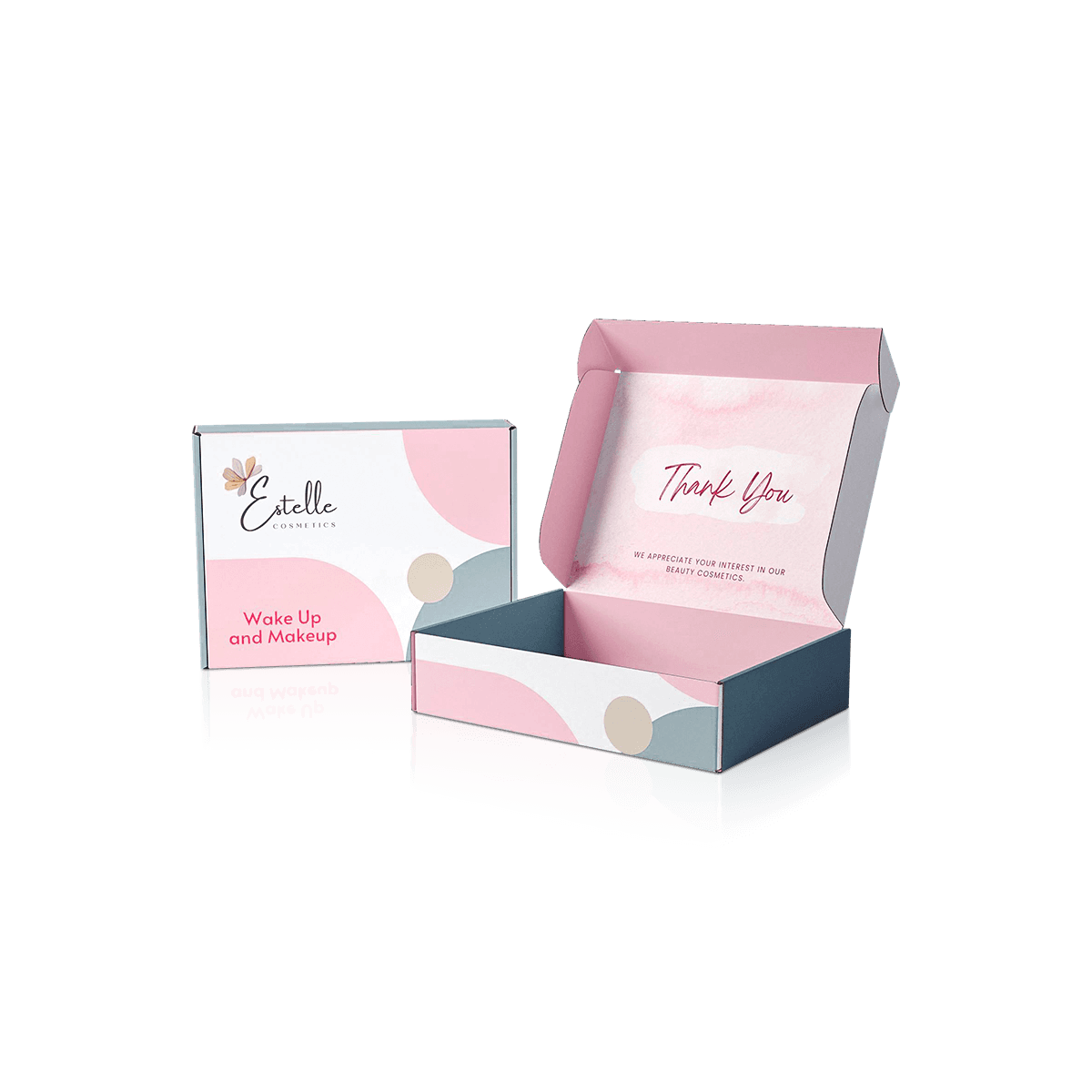
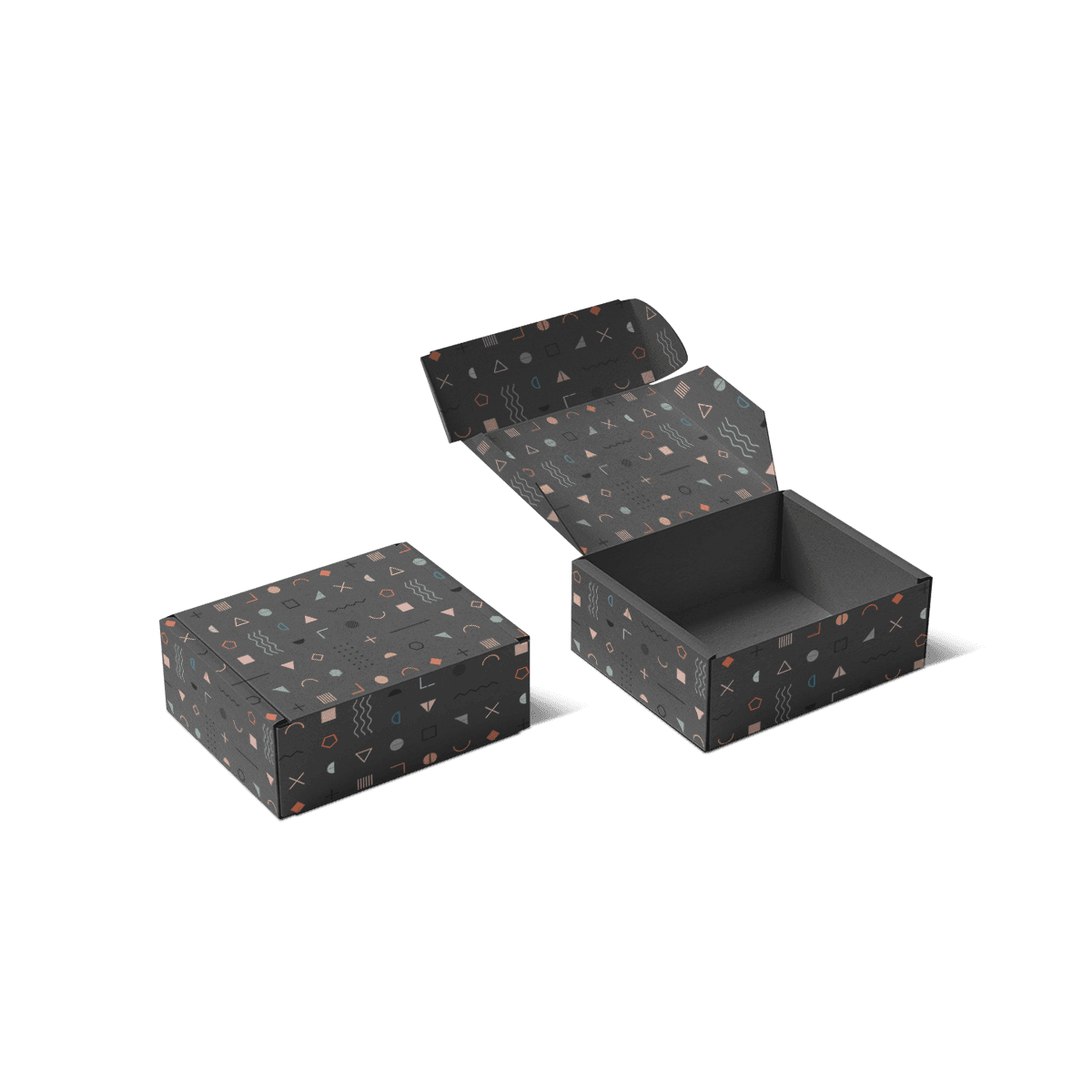
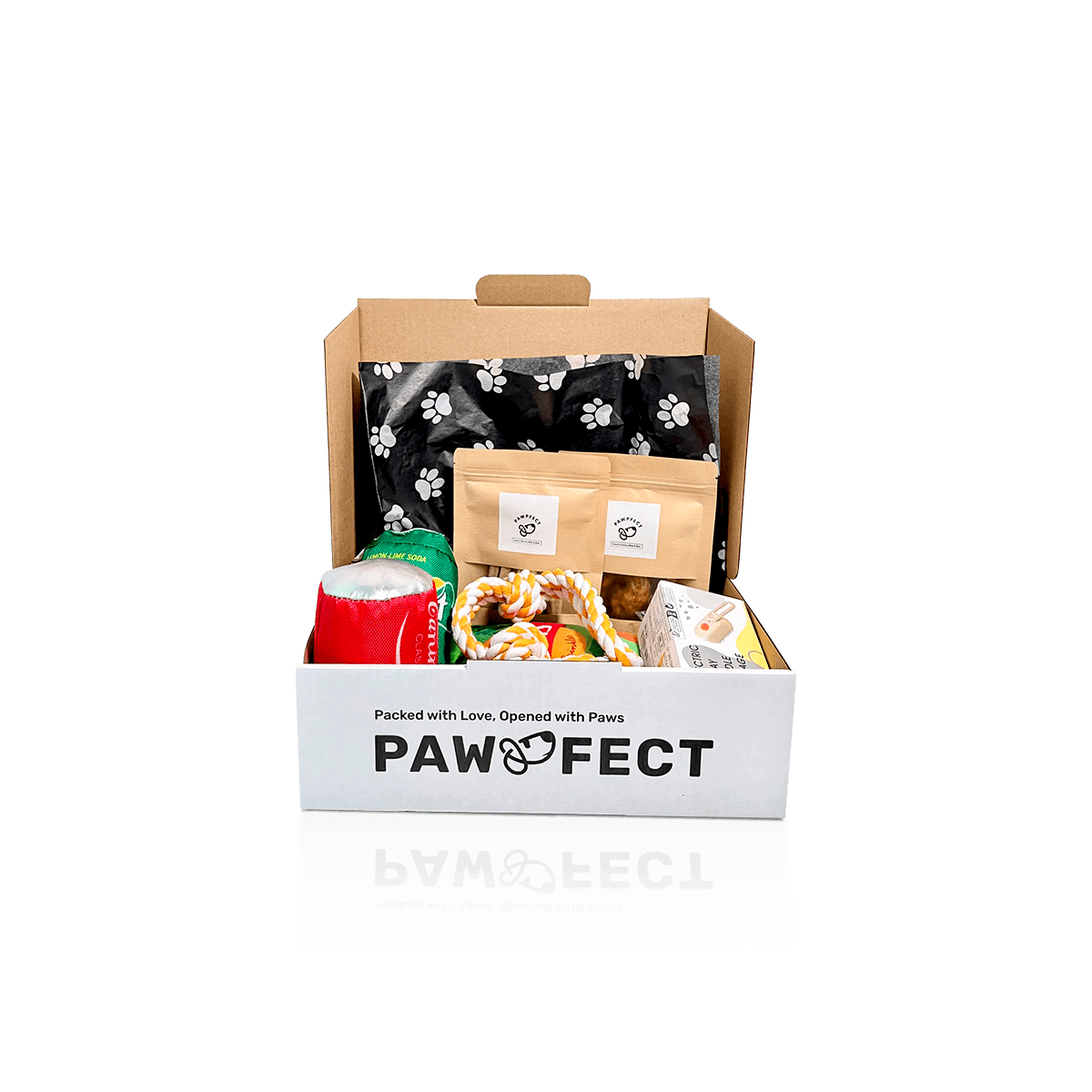
For lighter assortments, custom mailer boxes can carry retail products inside a branded outer shipper.

Heavier or more demanding shipments may require an appropriate corrugated shipping carton.

The retail box and shipping package should be specified as complementary components rather than assuming either one can perform every job.

Subscription Shipments

A recurring pet subscription has different requirements from a permanent retail carton program.

The assortment may change while the outer shipping structure remains consistent.

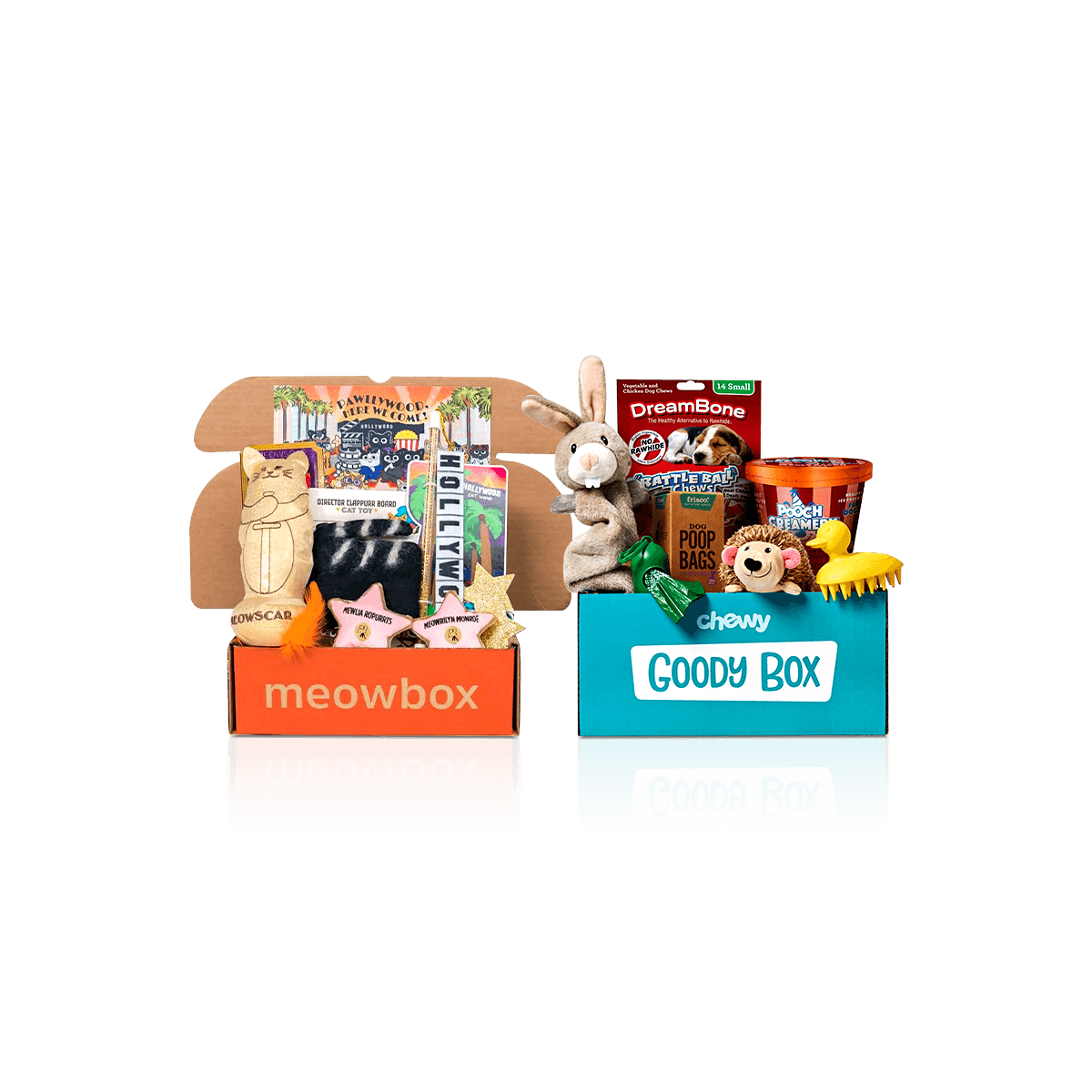
For this purchasing model, subscription pet boxes can accommodate the changing mix of products and the recurring fulfillment process.

Individual retail cartons can still be included where appropriate, but they should not introduce unnecessary packaging around every subscription item.

The Box That Does Not Need to Exist

A coordinated retail identity does not require every product to have an individual carton.

Some pet products already have suitable primary packaging with sufficient branding, product information and structural performance.

Adding a box to those products can increase material consumption, packing labor and storage requirements without creating a meaningful benefit.

The commercial decision is whether the secondary carton improves the product's presentation, organization, protection or retail handling.

A sealed pouch with a stable retail footprint may need no additional box. A grooming bottle with clear labeling may already communicate everything the customer needs.

Other products benefit from the defined shape, additional printing space or internal organization that a custom carton can provide.

Custom Packly's free design and dieline support can help establish the appropriate construction where a box is justified. Free sample examples of previous work are also available, with paid fully custom pre-production samples where applicable.

As an established custom packaging company, Custom Packly supports extensive customization, US production and 24/7 packaging expert assistance.

The finished pet product line should have a consistent brand identity, but each individual box must earn its place through the job it performs.

FAQs

Start with the product behavior first. Lightweight toys, bottles, accessories and multipacks usually need different board strength, closure styles and insert support, so one structure rarely fits every pet SKU well.

Yes. A shared print system with controlled color coding, repeat panel layout and consistent branding can keep varied products connected without making every carton identical.

SBS paperboard works well for lighter retail cartons, while corrugated board is often the smarter option for larger kits, heavier items and shipping-ready formats.

Often yes. Grooming items, wellness products and accessory kits usually benefit from added panel space for use directions, caution statements, ingredients, contents lists or age guidance.

Custom Pet Boxes work better for broader retail and wholesale ranges, while Subscription Pet Boxes are the better choice when the program is built around curated monthly shipments and unboxing flow.

Process

How it works

Your Packaging Journey, From Idea to Production and Delivery

01

Tell Us Your Specs

Custom packaging boxes

Tell Us Your Specs

Provide size, quantity, printing, and finishes.

02

Get a Fast Quote

Custom packaging boxes

Get a Fast Quote

Instant transparent pricing, no hidden fees.

03

Design and Approval

Custom packaging boxes

Design and Approval

Artwork checks, revisions, and final sign-off.

04

Produce

Custom packaging boxes

Produce

Expert manufacturing to meet deadlines.

05

Ship to Your Door

Custom packaging boxes

Ship to Your Door

Hassle-free, flexible delivery options.

Get Your Quote for Custom Pet Boxes

Share your product details, size, quantity and artwork needs. We’ll help choose the right packaging style and send a clear quote.