Skip to content
Details

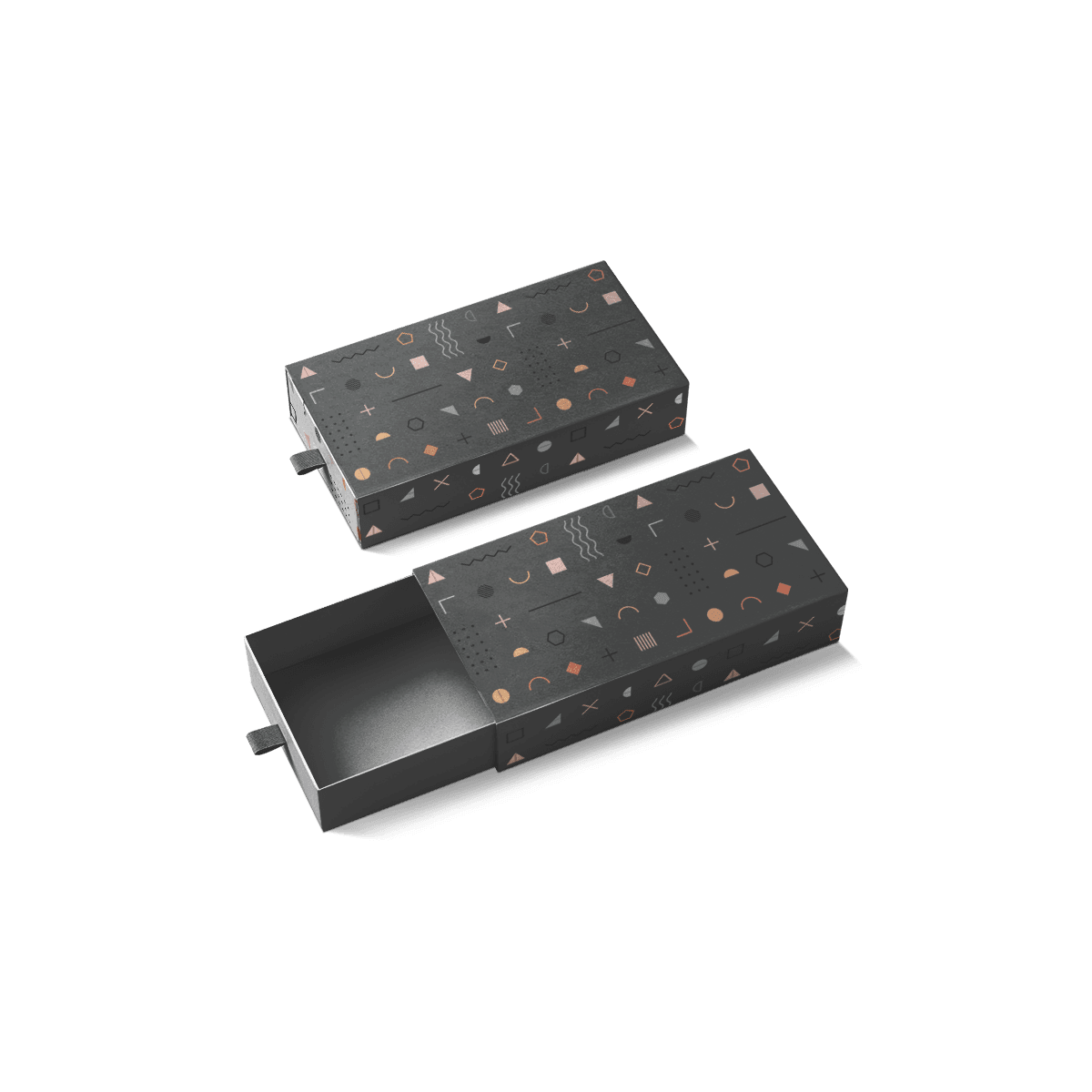
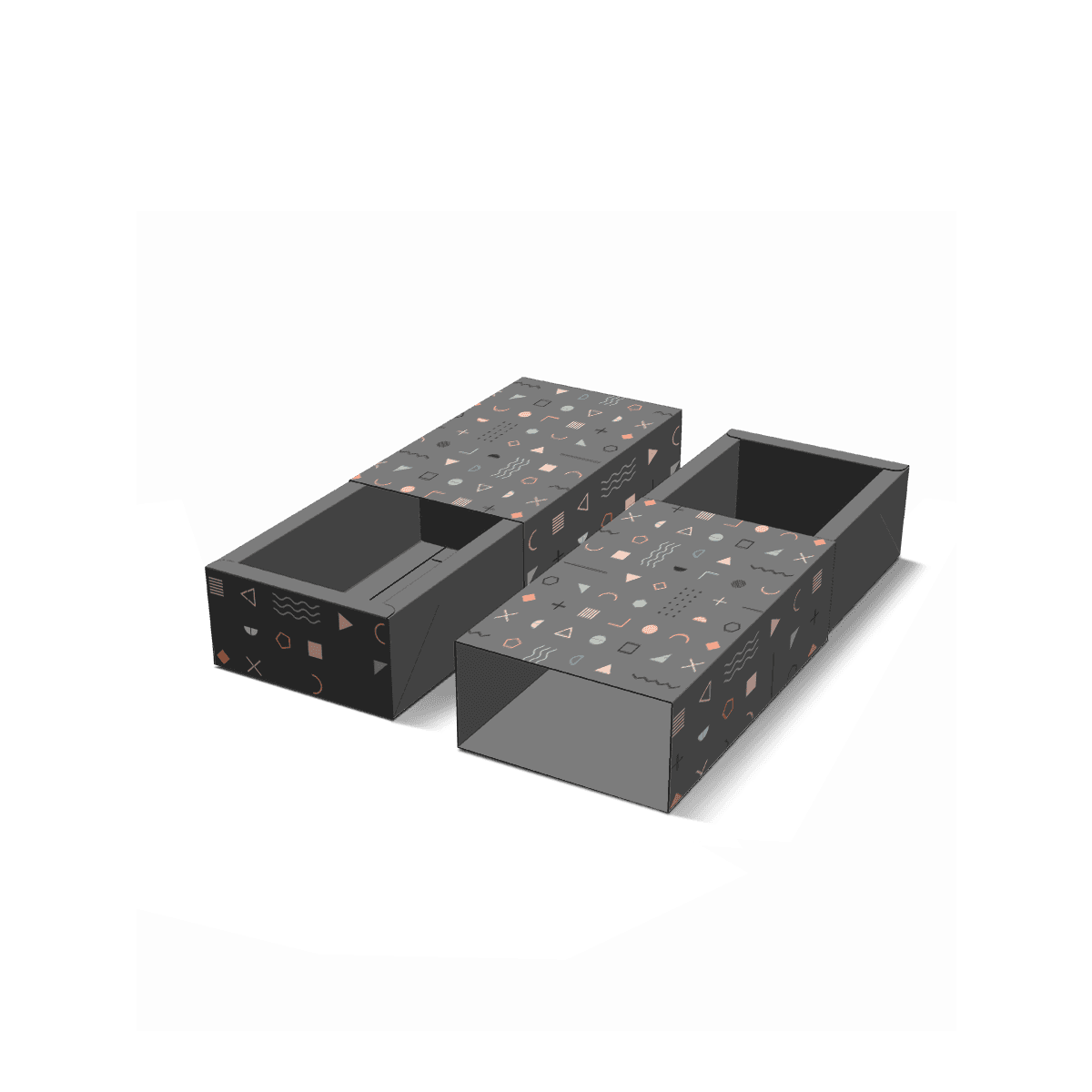
Custom Partial Finish Rigid Boxes

Premium rigid presentation with a wrapped exterior and intentionally exposed interior board, giving brands tighter control over appearance, material use and cost.

The Exposed Interior Is the Design Decision

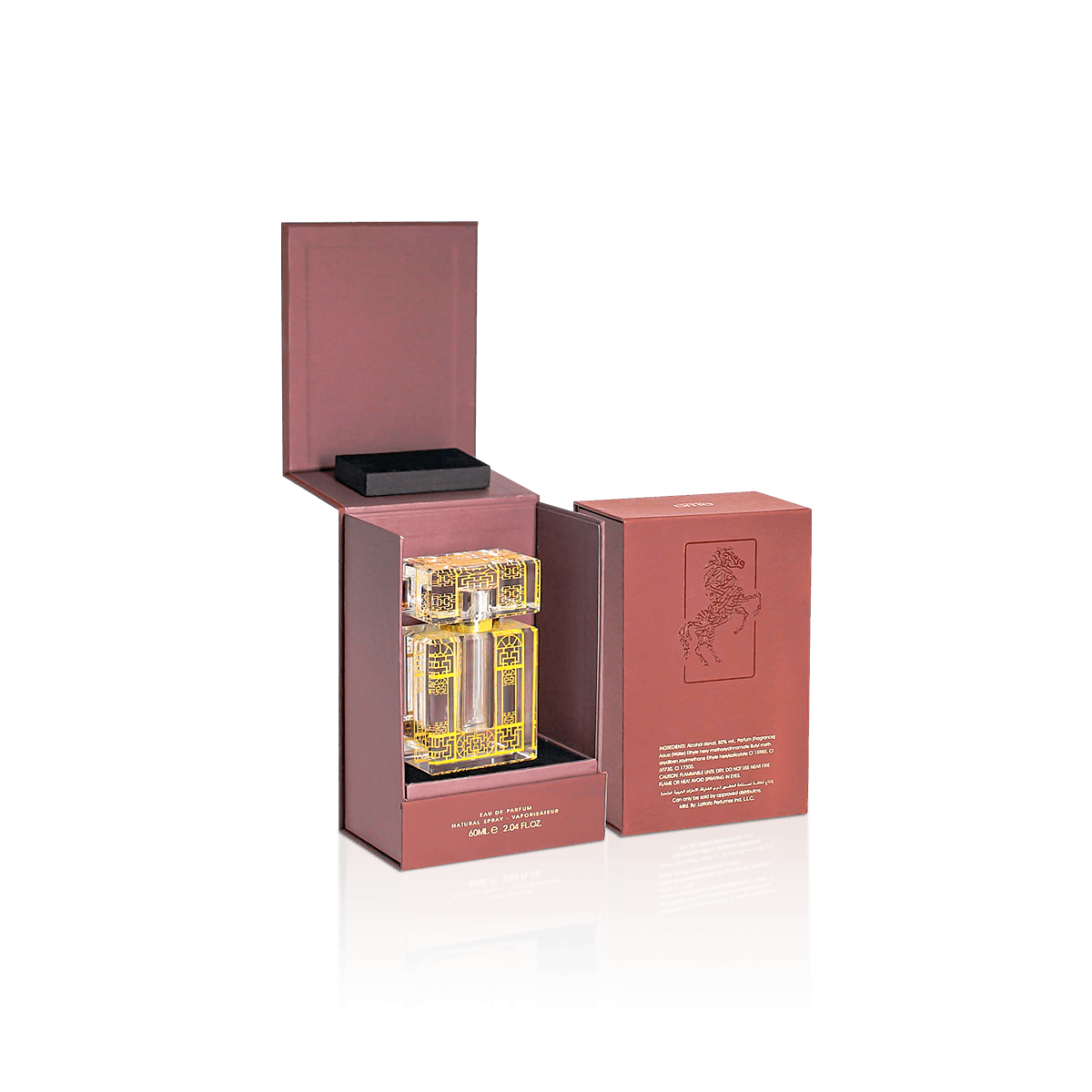
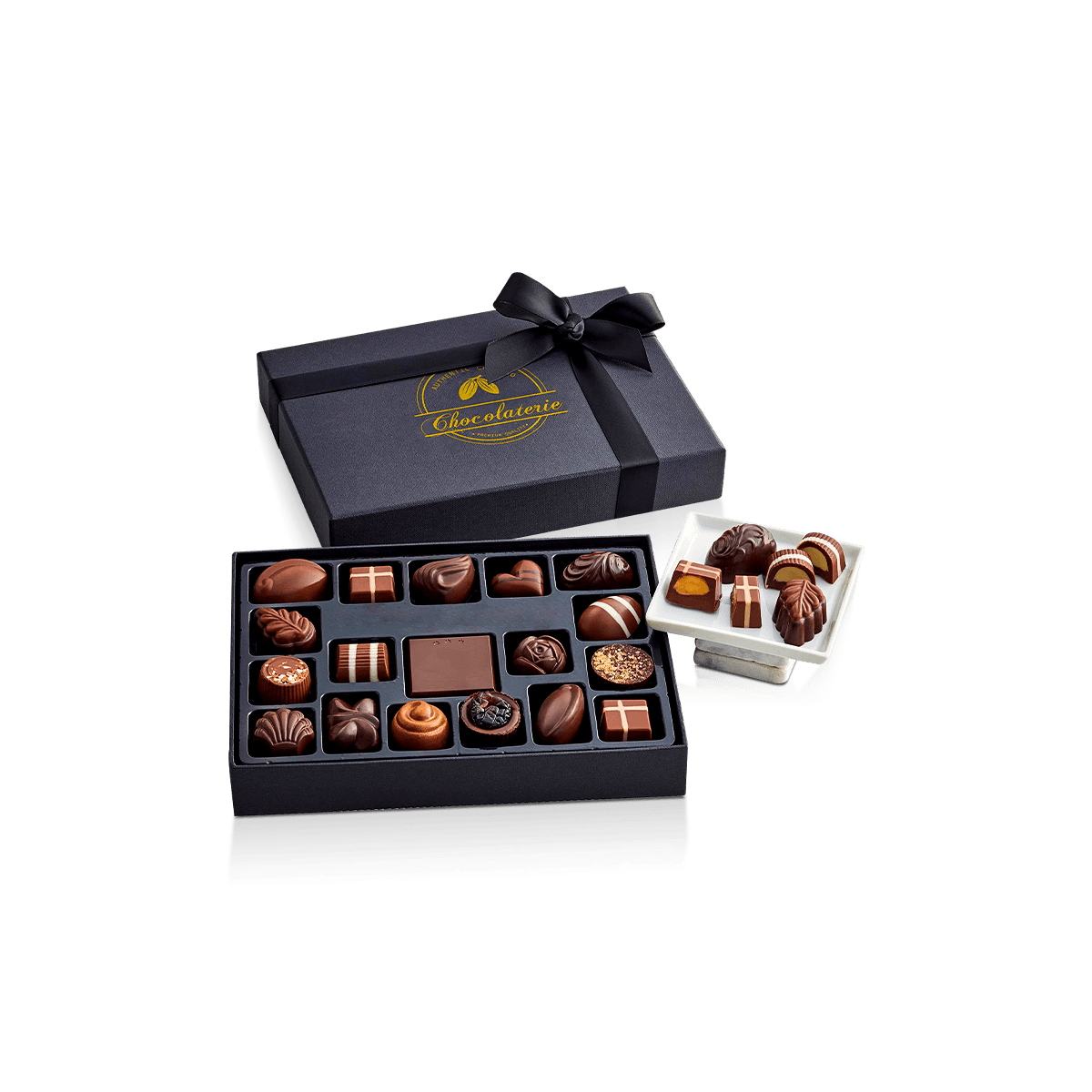
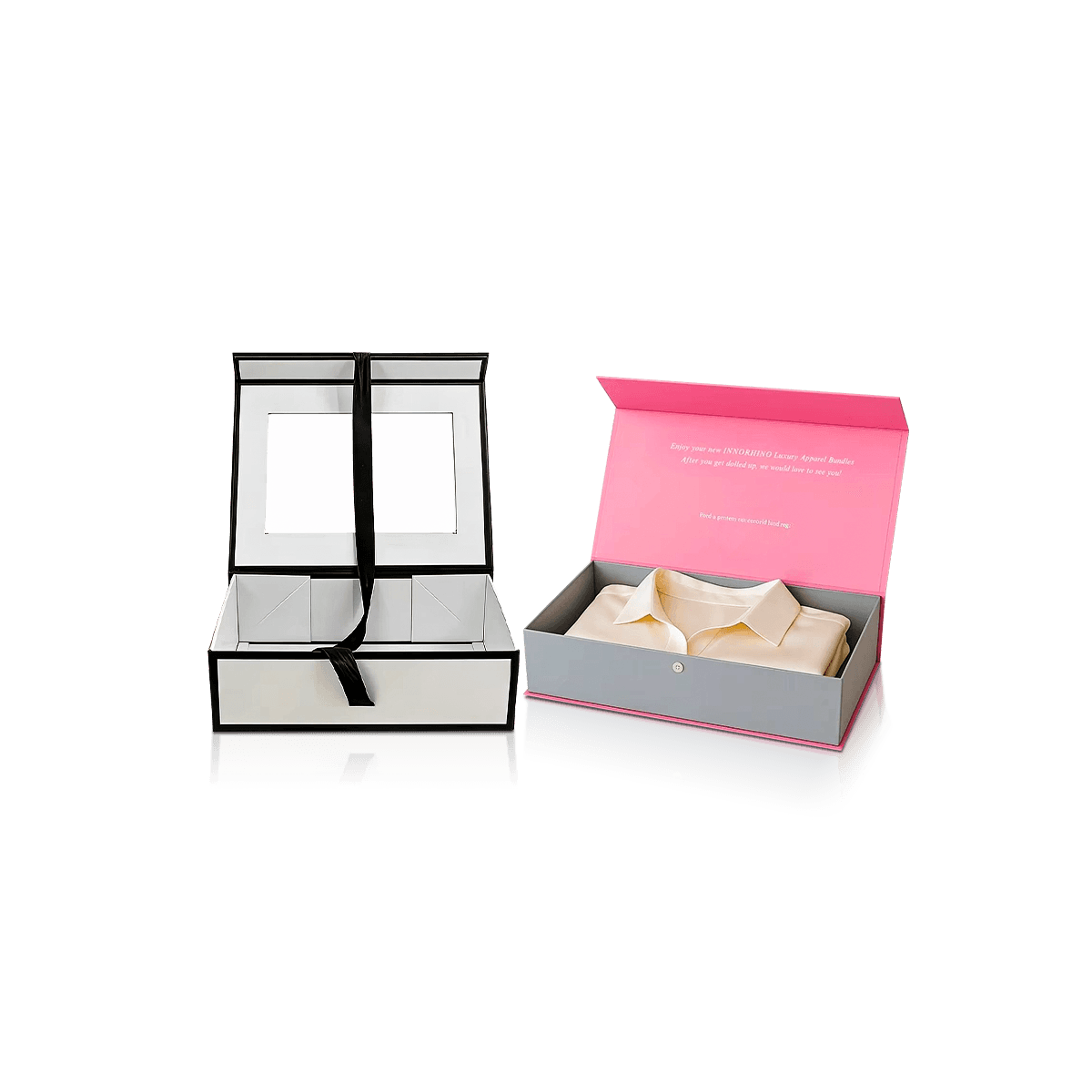
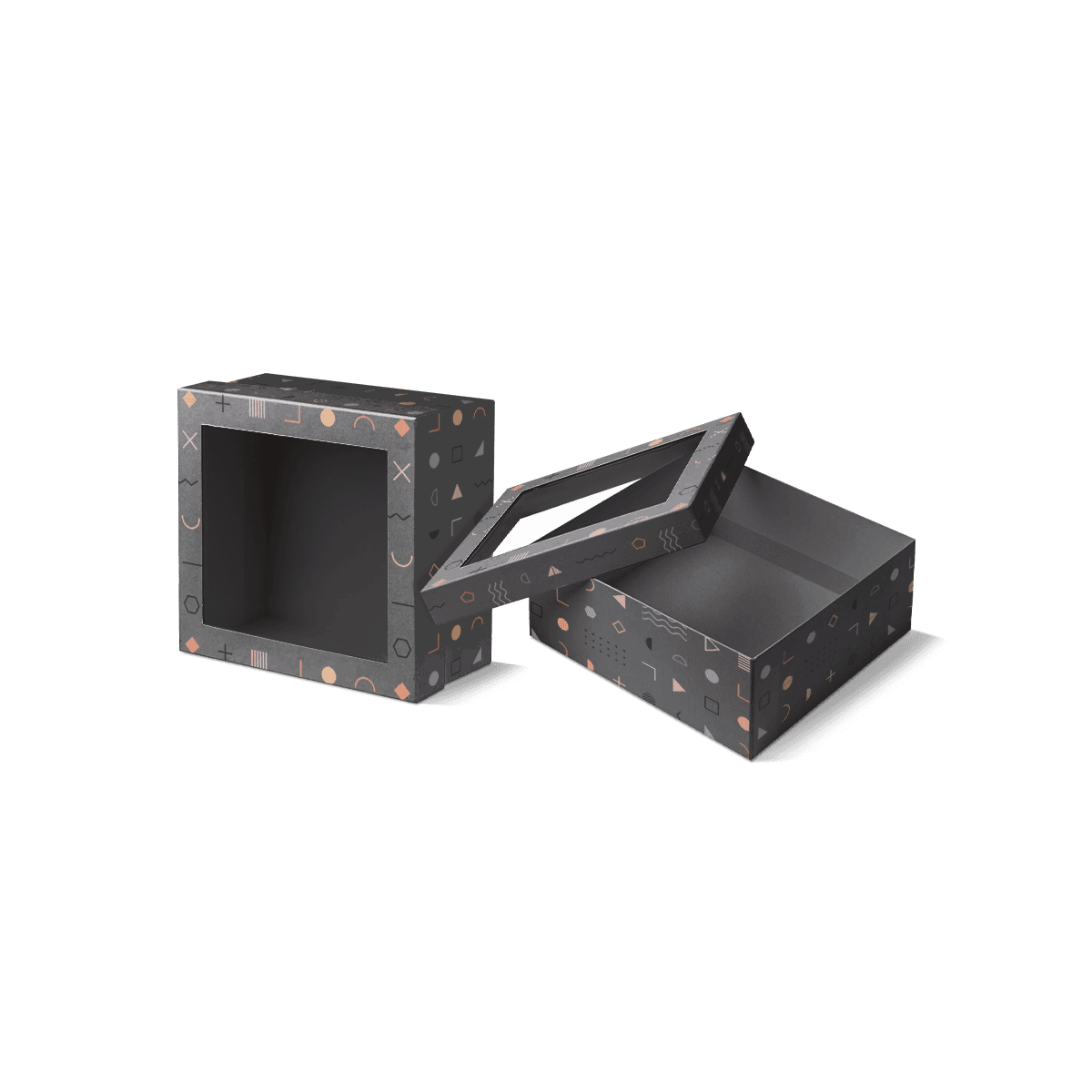
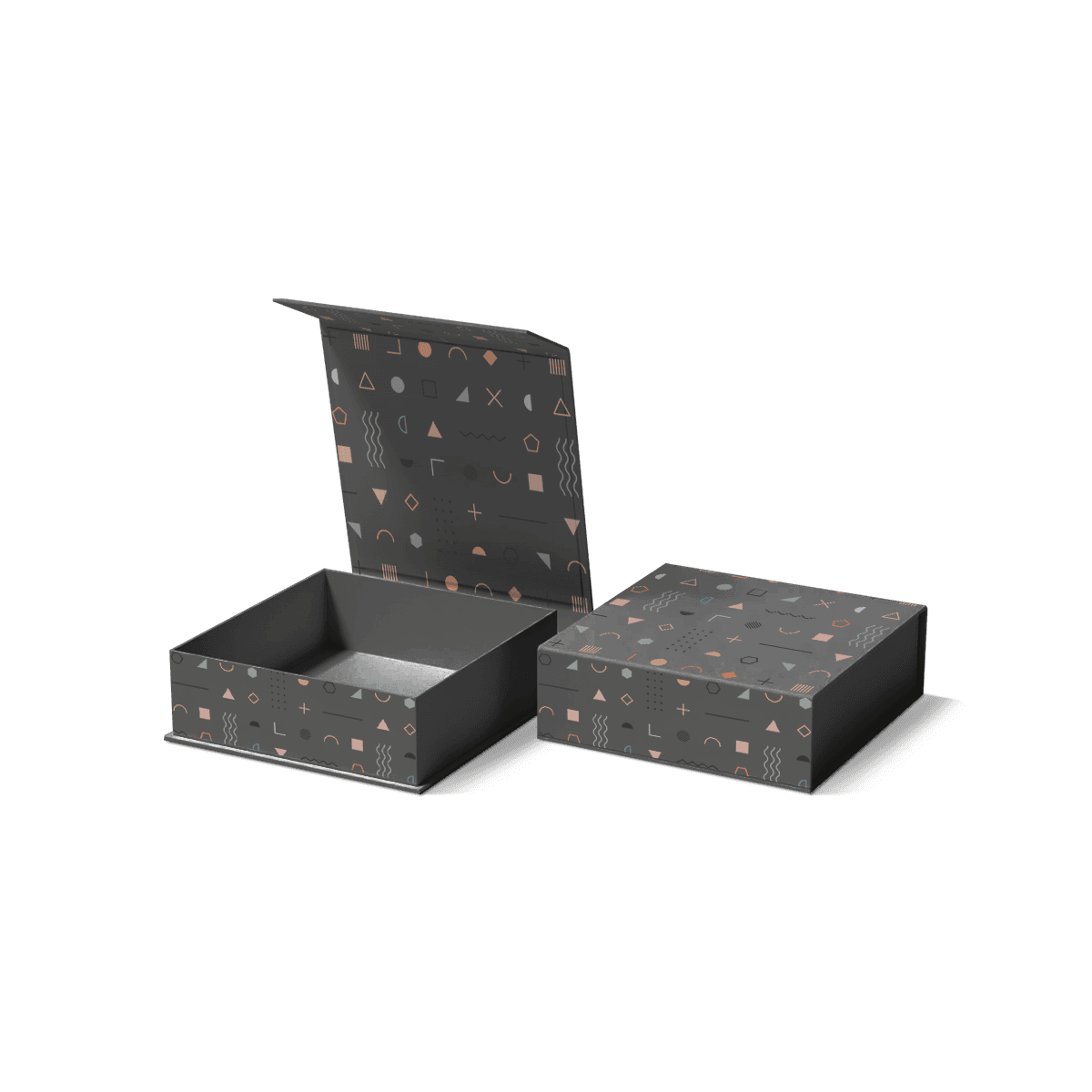
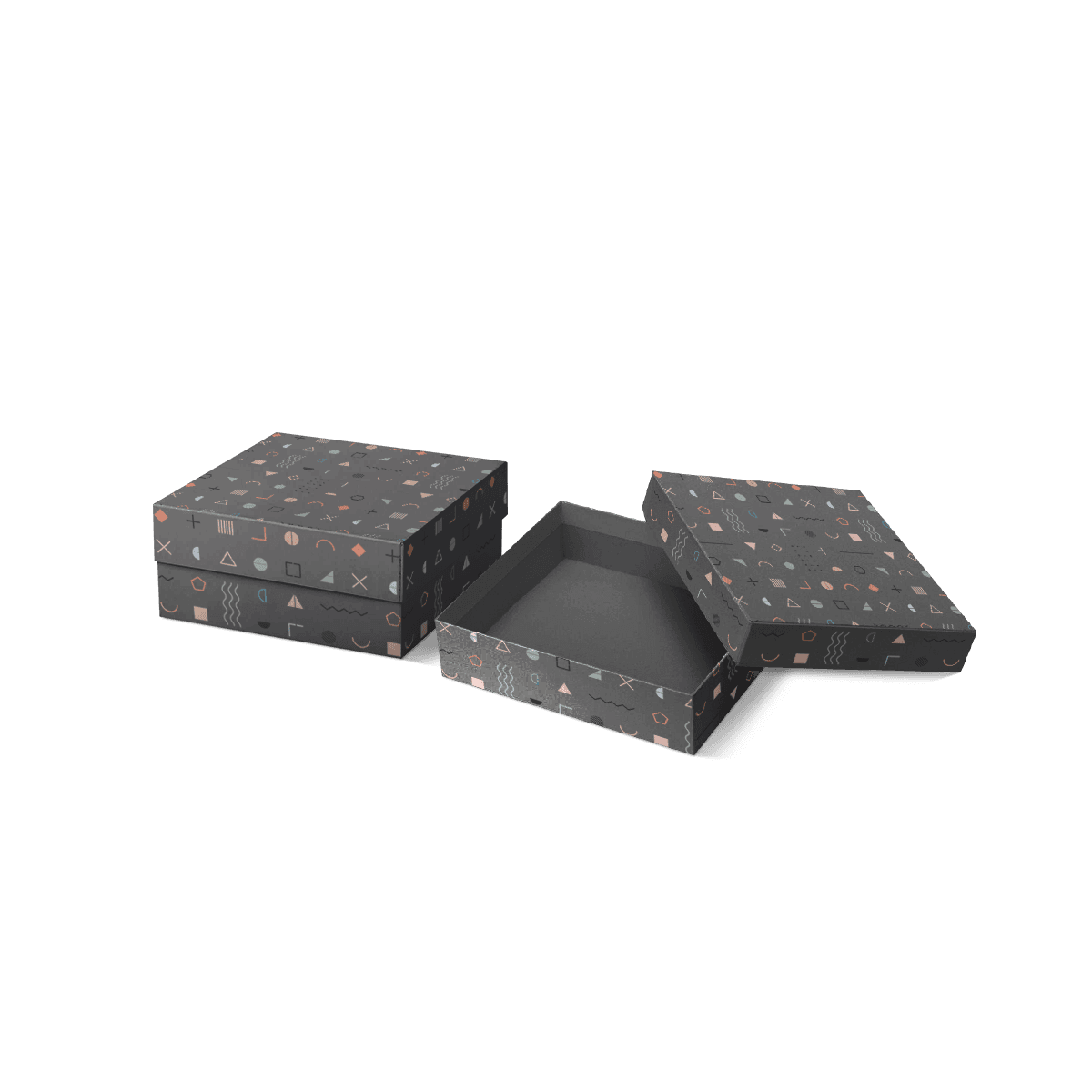
Partial finish rigid boxes leave selected interior rigid board visible rather than covering every internal surface with wrapping paper. The exterior still carries the main printed or specialty wrap, but the inside becomes a deliberate combination of finished paper and exposed board.

That distinction matters because “partial finish” describes how much of the rigid board is wrapped. It does not mean the exterior receives only part of a coating, foil treatment or decorative effect.

A partial finish can still look highly refined. The difference is that the exposed board, wrap turn-in and transition between the two materials are visible when the box opens. Those elements need to look intentional rather than like an unfinished manufacturing shortcut.

Brands considering several rigid constructions can compare custom rigid boxes by opening behavior, storage needs and presentation before deciding how much interior wrapping the final box needs.
What Partial Finish Actually Changes

The main change is not the outside appearance. It is what the customer sees after the lid, flap or other rigid structure opens.

Exterior Wrap, Visible Interior

Wrapping paper normally covers the exterior faces and turns over the upper edges into the box. Much of the internal rigid board remains uncovered.

That creates three visual layers:

  • the printed or specialty outer wrap
  • the wrapped inner edge or turn-in
  • the exposed rigid board surface

Those three elements meet in a small area, so inaccuracies become easy to notice. Uneven turn-ins, rough board edges, adhesive marks or inconsistent corners can make an otherwise attractive box look unfinished.

A common partial-finish construction can also use a creased rigid-board piece that folds into shape rather than separately wrapping every interior panel. The exact construction depends on the box structure, dimensions and production method.

Full Finish Covers the Interior

Full Finish Rigid Boxes take the opposite approach: the visible interior rigid board receives wrap as well, producing a more continuous finished surface.

That extra coverage makes sense when interior presentation carries as much visual weight as the exterior. Partial finish makes more sense when exposed board can become an intentional part of the design or when full interior wrapping adds cost without adding enough value to the product experience.

Neither treatment determines whether the box uses a lift-off lid, drawer, magnetic flap or another opening. Finish coverage and box structure are separate decisions.

Exposed Board Has to Look Intentional

Once rigid board remains visible, it stops being merely a hidden structural component. Its tone, cleanliness and contrast affect the presentation.

Natural gray board creates an industrial, restrained appearance. Kraft-toned surfaces can complement brands using warmer paper textures. A light or white-faced interior can work better when the exterior artwork depends on bright, clean color.

The important point is consistency. An expensive-looking outer wrap paired with an interior board color that clashes with the brand can make the packaging feel incomplete.

The transition is especially visible around the upper walls. The wrap should turn inward evenly, corners should remain clean and the amount of visible board should feel consistent around the box.

If exact exterior color matters, custom printed boxes can help frame decisions around CMYK, Pantone color control, inside-versus-outside artwork and repeat print consistency.

Treat the Wrap Boundary as Part of the Artwork

Artwork should account for where the wrapped surface stops.

A border, color block or pattern positioned too close to the turn-in can look visually uneven after the paper wraps around an edge. Foil or embossed details can create the same problem if their placement ignores the final folded position.

Strong partial-finish artwork usually gives edge areas enough breathing room. The exterior can still carry detailed branding, but the transition into the exposed interior should not depend on tiny registration tolerances.

The Interior Can Stay Simple Without Feeling Bare

Partial finish does not require an empty gray interior.

A fitted tray, paperboard insert, card, liner panel or other internal component can control how much board remains visible. This gives brands another way to shape the reveal without wrapping every interior wall.

For example, a deep insert can cover much of the bottom while leaving only the side walls exposed. A contrasting insert can turn the visible board into a neutral frame around the product. A printed top card can introduce branded messaging before the item is removed.

A fitted packaging insert can control product movement while also changing how much of the exposed interior remains visible.

Insert Height Changes the Reveal

An insert sitting close to the top edge can hide most of the unfinished interior. A low insert exposes considerably more wall area.

That means insert height is partly a visual decision, not only a protection decision.

The product also needs enough finger clearance for removal. Raising an insert purely to conceal exposed board can make a small bottle, jar, jewelry piece or device harder to lift out.

Product dimensions, insert depth and removal clearance should therefore be resolved together. custom product packaging is relevant when product weight, vulnerable areas or component positioning need to drive the internal specification.

Partial Finish or Full Finish?

Partial finish normally makes more sense when the exterior carries most of the visual work and the visible board can support the intended aesthetic.

Full finish becomes stronger when the entire inside needs the same controlled presentation as the outside.

Consider partial finish when:

  • the exposed board complements the brand
  • an insert covers much of the base
  • interior printing is limited
  • unnecessary internal wrapping would add little value
  • the product needs a premium rigid structure without maximum surface coverage
  • natural or restrained material contrast fits the design

A full finish deserves stronger consideration when:

  • interior walls must carry continuous brand color
  • the customer sees large areas of the inside
  • an ultra-clean gift presentation is central to the product
  • exposed board would conflict with the brand identity
  • the interior needs several printed or decorative surfaces
  • the product positioning depends on a fully finished reveal

The choice should be made before artwork is finalized. Converting from partial to full finish later can change materials, manufacturing steps, artwork areas and the final quote.

Decorative Finishes Are a Separate Layer

Foil stamping, embossing, debossing, spot UV, matte lamination, gloss and soft-touch treatments can all affect the wrapped surface, but they do not determine whether a rigid box is partial finish or full finish.

That distinction is easy to miss.

A partial finish rigid box can have a highly decorated exterior with premium offset printing, foil and embossing while still leaving rigid board visible inside. A full finish box can be visually restrained even though every internal panel is wrapped.

The better decision is to first determine where paper wrapping is needed, then decide what should happen on that paper.

packaging finishes such as matte, foil, spot UV and embossing affect surface appearance, tactile feel and production complexity.

Custom Packly can also help compare rigid board, wrapping papers, premium offset printing, color systems and finishing through its packaging capabilities.

One Strong Detail Can Be Enough

Partial finish often works well with restrained exterior decoration because the material contrast already contributes to the visual character.

A textured wrap with a small foil mark may need little else. A clean printed wrap paired with a contrasting exposed interior can create a stronger result than stacking foil, embossing, spot UV and several coatings onto the same box.

The finish should have a job. It might emphasize the logo, establish texture, protect a dark wrap from handling or create contrast at the first touch.

A Common Interior Mismatch

Consider a skincare gift set using a warm ivory exterior wrap, restrained typography and a light paperboard insert.

If standard gray rigid board remains heavily visible around the inside walls, the box may suddenly shift from warm and refined outside to noticeably industrial inside. Nothing is structurally wrong, but the material transition feels accidental.

The problem is not partial finish itself. The exposed board was simply treated as though nobody would notice it.

One adjustment is to select an interior-facing board treatment whose tone sits more naturally beside the outer wrap. Another is to let the insert or liner cover the most visible base area while retaining partial-finish construction around less prominent surfaces.

The improvement comes from controlling the contrast rather than automatically adding more decoration.

This is particularly relevant for cosmetics and personal care packaging, where jars, bottles, palettes and gift sets often place the inside of the box directly in the customer’s line of sight.

Small Products Expose More Detail

Compact rigid boxes deserve particularly careful partial-finish planning.

With jewelry, watches, cosmetics and accessories, the customer views the package from close range. The interior walls, corner joints and insert edges can sit only inches from the product.

A rough transition that would barely register inside a large gift box can become obvious in a small ring, pendant or beauty box.

For jewelry and accessories packaging, the visible rigid board should work with the insert, lining and product color rather than competing with them.

The same applies to metallic products. Silver jewelry against cool gray board may create a completely different impression from gold jewelry against warm kraft or a clean light interior.

Partial finish therefore rewards restraint and material awareness. The smaller the box, the less space there is for sloppy transitions to disappear.

Cost Depends on More Than Inner Wrapping

Partial finish can use less wrapping material and fewer interior wrapping operations than a comparable fully wrapped rigid box, but that does not make every partial-finish specification inexpensive.

Size, quantity, rigid-board requirements, outer paper, print coverage, specialty effects, inserts and assembly can all move the price.

An elaborate partial-finish box with a specialty wrap, multiple foil areas and a complex insert may cost more than a simpler fully wrapped design.

rigid box cost factors include dimensions, structure, quantity, wrapping material, inserts and decorative treatments.

For USA orders, Custom Packly’s MOQ starts from 100 boxes.

Once dimensions, visible board direction, wrap paper and quantity are settled, an instant custom packaging quote can price the actual specification rather than a generic rigid-box estimate.

Protect the Finished Exterior

A partial interior does not make the exterior less presentation-sensitive.

Printed wrap, soft-touch surfaces, foil and dark paper can still pick up scratches, rubbing or compression marks during fulfillment and shipping. For direct-to-consumer orders, the rigid presentation box often benefits from an outer mailer or shipping carton rather than being treated as the transport package itself.

Product fit matters here as well. If a heavy jar or device moves inside the box, an insert can transmit pressure into the rigid walls or damage the exposed internal surface.

Physical validation should happen beside these decisions. A free 3D mockup can help review artwork and overall presentation. Free sample examples of previous work can help compare materials and finish quality, while a fully custom pre-production sample can be arranged as a paid option when the exact wrap transition, insert fit and exposed interior need physical approval.

Repeat Orders Need an Interior Specification

The visible board is part of the approved appearance, so repeat production should record it just as carefully as exterior artwork.

A useful production specification can identify:

  • rigid-board construction
  • visible interior color or facing
  • outer wrap paper
  • wrap turn-in depth
  • exterior print method
  • Pantone references where needed
  • foil or embossed positions
  • insert material and height
  • liner or base-card details
  • approved physical sample where applicable

This matters when one SKU becomes several. Two boxes using the same exterior artwork can look noticeably different if one has a cool gray interior and another has a warm kraft-facing board.

For recurring orders, Custom Packly can support bulk production, warehousing and scheduled deliveries so the approved combination can be carried into future runs without redefining the packaging from scratch.

Approve the Boundary, Not Just the Artwork

The defining detail of a partial finish rigid box is the point where the polished wrap ends and the exposed board begins.

That boundary should be reviewed deliberately.

Look at the box open, not only closed. Check whether the board tone belongs beside the exterior artwork. Check all four sides for even turn-in. Look closely at corners, glue areas and the points where an insert meets the exposed walls.

Then handle the box as the customer will. Remove the product, replace it and view the interior from normal opening distance.

Custom Packly is an established US packaging company with extensive customization and 24/7 packaging expert support. For partial finish rigid boxes, that support can focus on a very specific goal: keeping the simpler interior treatment intentional, consistent and appropriate for the product instead of disguising it as a fully wrapped box.

FAQs

The difference is most visible after opening. The exterior and inner edge are wrapped, while selected interior rigid board remains exposed, so board tone, clean turn-ins and the wrap boundary become part of the presentation.

Partial Finish Rigid Boxes leave selected interior rigid board exposed while the exterior and inner edge are wrapped. Full Finish Rigid Boxes wrap the visible interior board as well, creating a more continuous finished surface.

Yes. The result can still feel premium when the exposed board tone, wrap turn-in, corners and insert are deliberately coordinated rather than treated as unfinished surfaces.

Yes. Foam, paperboard, divider, or molded fitments can be added for organized presentation and product retention, especially for multi-part or fragile items.

It can be. Partial finish can use less interior wrapping material and fewer wrapping operations than a comparable full-finish build while keeping a wrapped exterior and rigid presentation.

Process

How it works

Your Packaging Journey, From Idea to Production and Delivery

01

Tell Us Your Specs

Custom packaging boxes

Tell Us Your Specs

Provide size, quantity, printing, and finishes.

02

Get a Fast Quote

Custom packaging boxes

Get a Fast Quote

Instant transparent pricing, no hidden fees.

03

Design and Approval

Custom packaging boxes

Design and Approval

Artwork checks, revisions, and final sign-off.

04

Produce

Custom packaging boxes

Produce

Expert manufacturing to meet deadlines.

05

Ship to Your Door

Custom packaging boxes

Ship to Your Door

Hassle-free, flexible delivery options.

Get Your Quote for Custom Partial Finish Rigid Boxes

Share your product details, size, quantity and artwork needs. We’ll help choose the right packaging style and send a clear quote.