Skip to content
Details

Custom 1-2-3 Bottom Folding Cartons

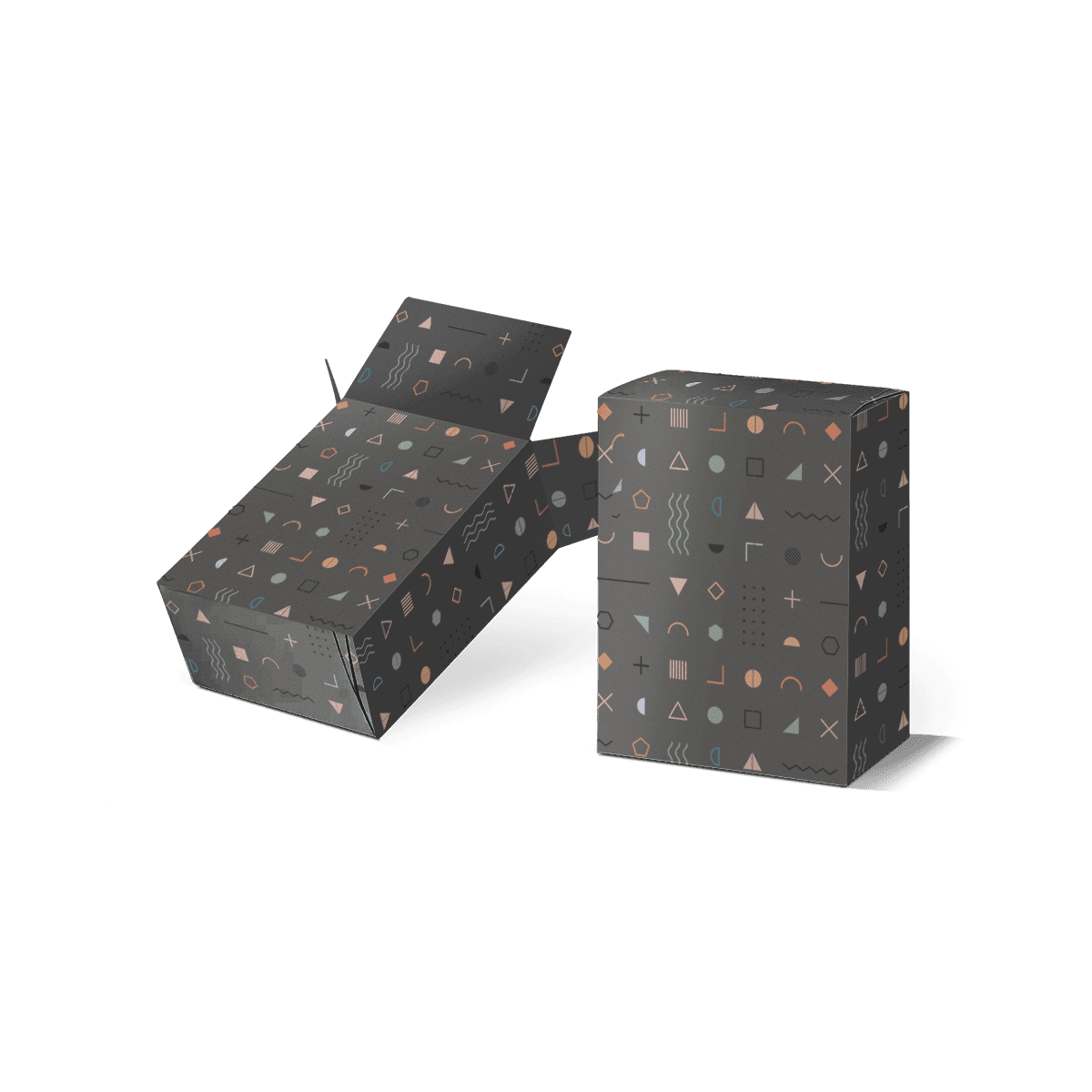
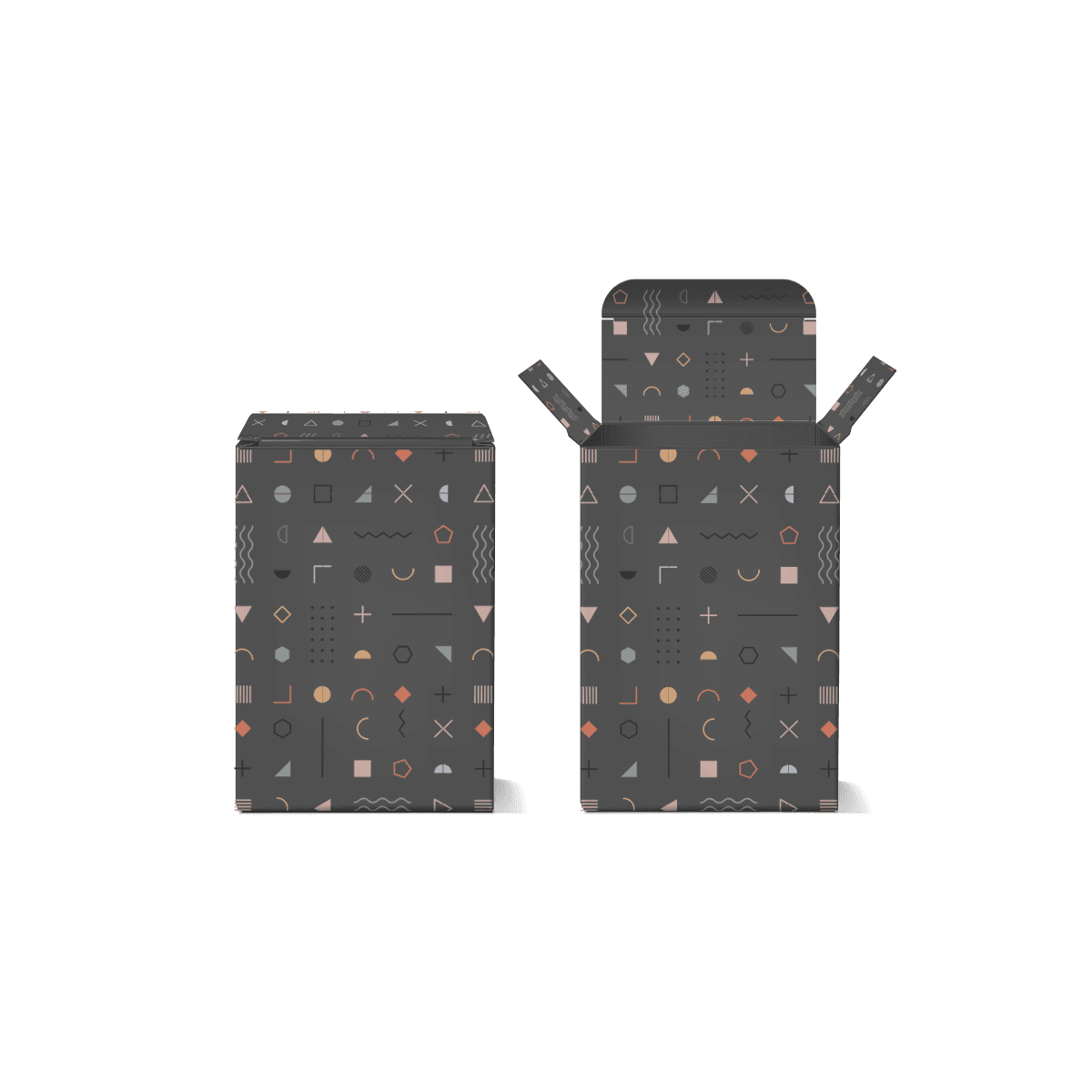
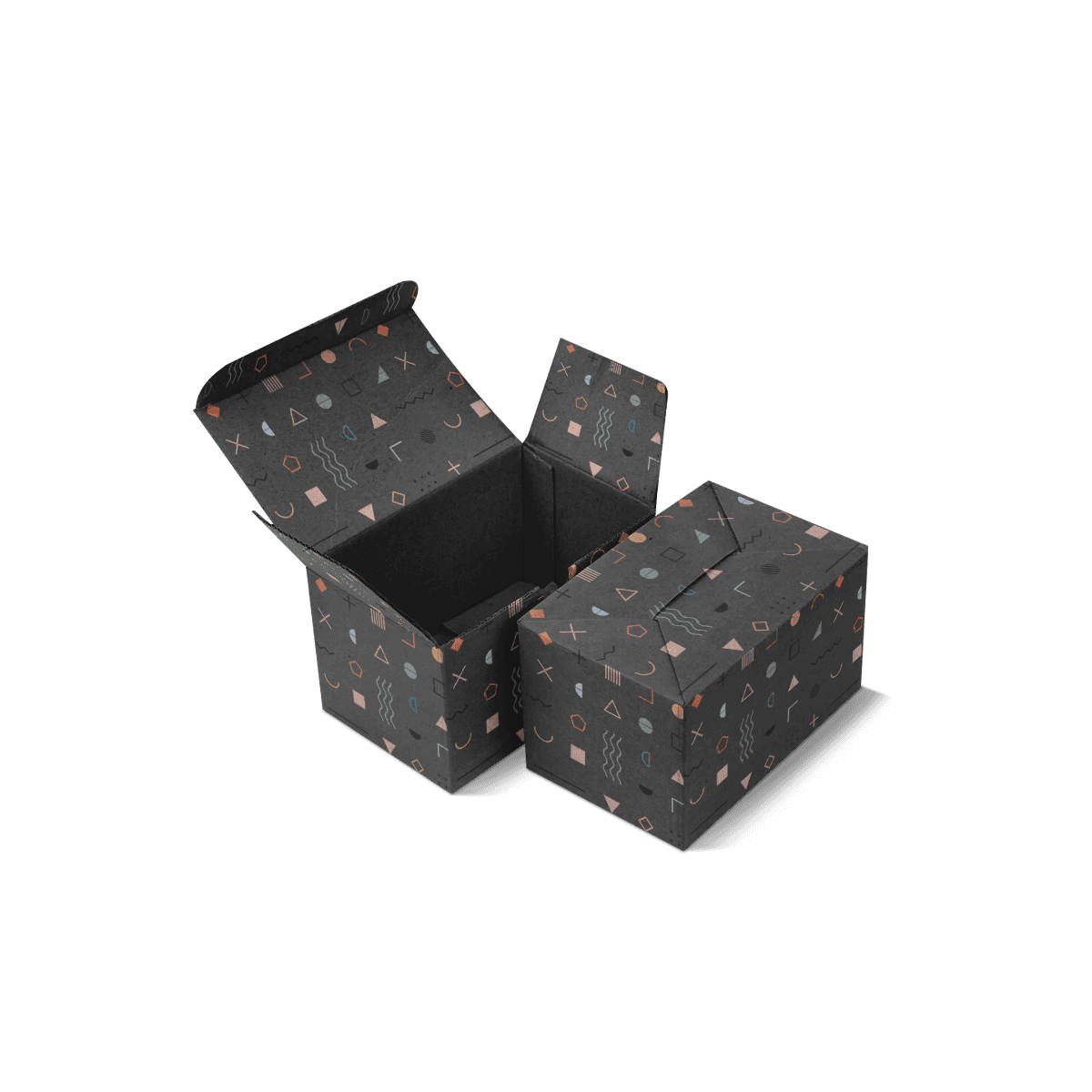
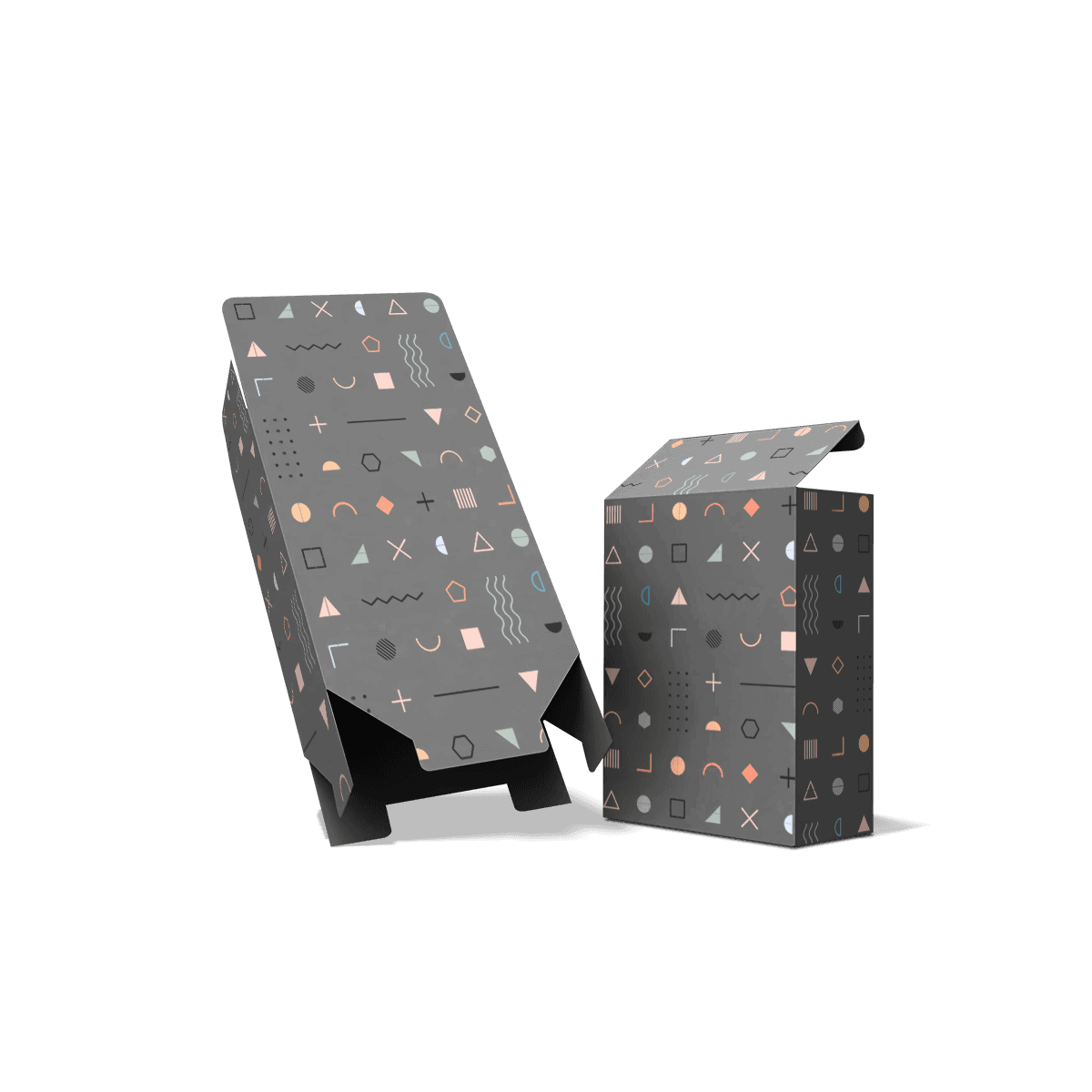
Flat-packed paperboard cartons whose manually interlocking base follows a clear three-stage routine for consistent hand assembly and loading.

Three Moves Set the Routine

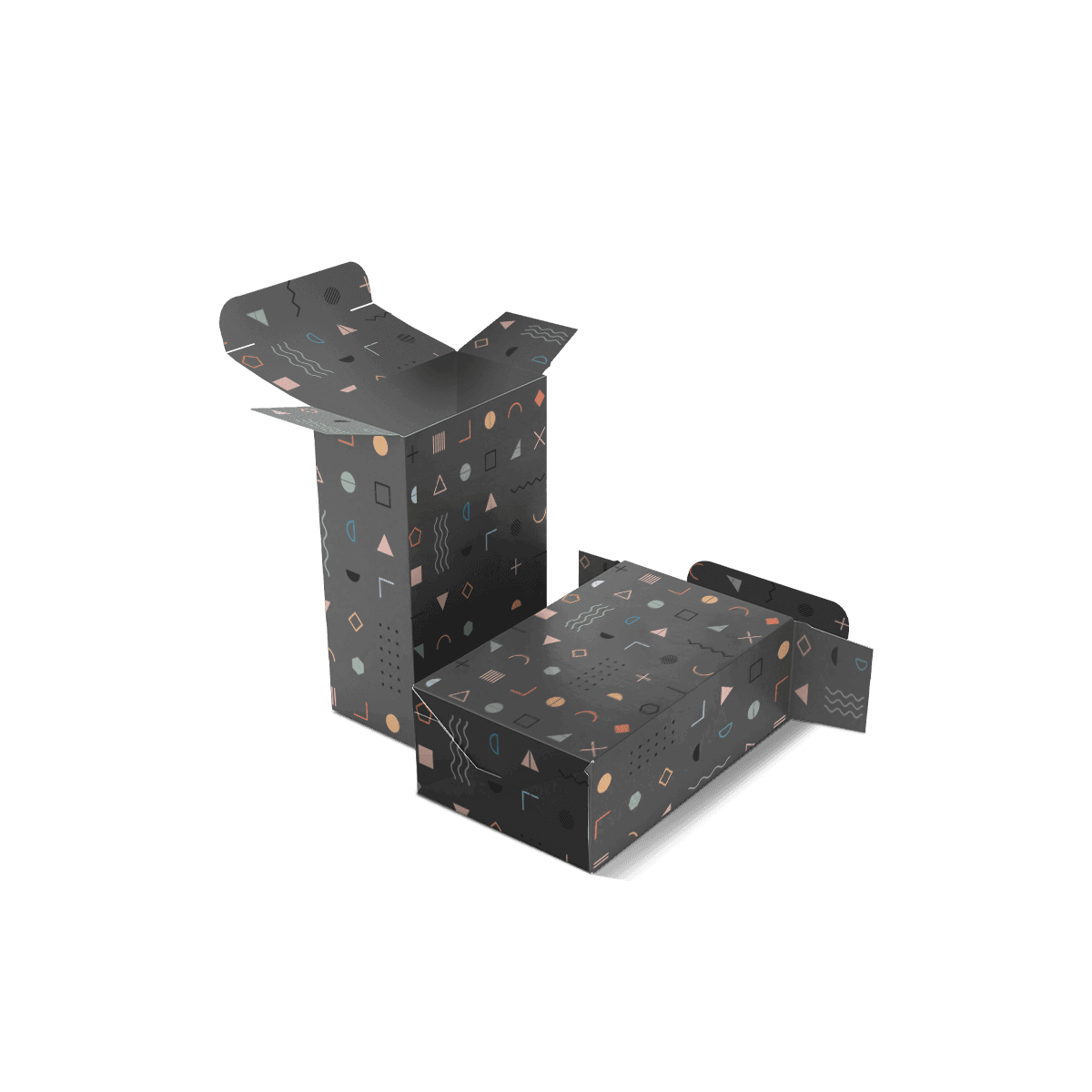
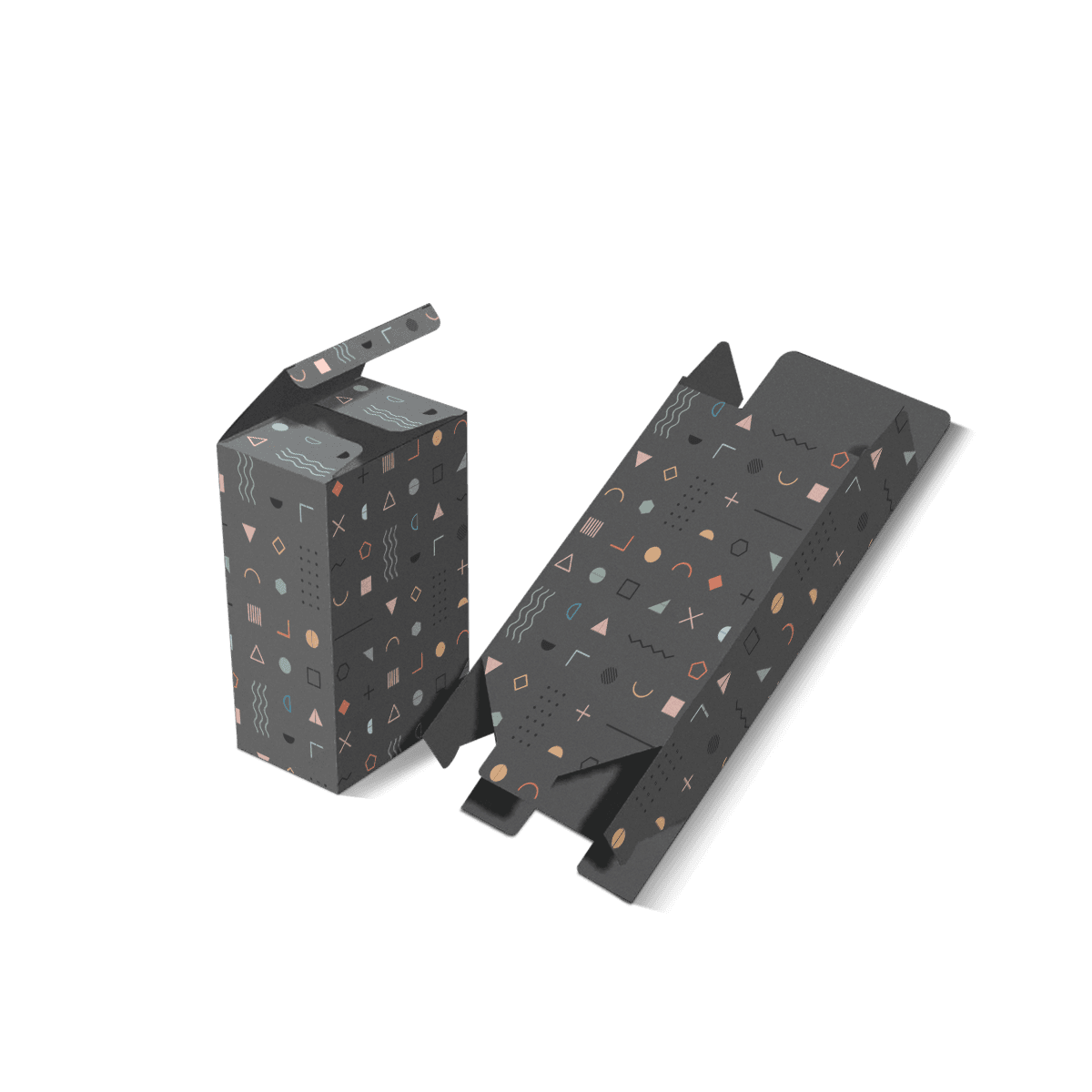
A 1-2-3 bottom is most useful as a packing instruction: the lower panels are folded in a defined sequence until the last movement creates the interlocking floor.

That named sequence gives teams a simple way to standardize manual carton setup.

The physical mechanism is the same type commonly called snap-lock or lock bottom. The value of the 1-2-3 terminology is operational. It turns a manual interlock into a repeatable training routine for staff who need to form the carton correctly before loading.

Among folding carton structures, this style keeps the blank flat until the packing station while giving the finished carton a mechanically locked base.

First Fold Starts the Floor

The first lower panel establishes the position for the folds that follow.

It should move cleanly on its crease without twisting the carton body. If the body is not square at this point, the remaining steps can become harder even when the final lock still closes.

Staff should learn to square the carton before starting the sequence.

Second Fold Builds Support

The next panel overlaps the first and begins distributing load across the base.

Its position should feel obvious rather than requiring the operator to search for the correct angle.

A training sample can show exactly where the flap should sit before the final movement.

Third Fold Completes the Lock

The last panel captures the others and creates the finished floor.

Once engaged, the bottom should remain closed without tape or a separate adhesive step at the packing station.

The third movement should give a clear visual and tactile indication that the carton is ready for loading.
Standardize the Packing Motion

Manual assembly becomes more efficient when every operator performs the same movement in the same order.

A carton that one experienced employee can assemble quickly may still create errors when new staff or temporary packers approach it differently.

The structure should therefore be judged partly by how easy it is to teach.

Keep an Erected Standard

An approved sample at the packing bench can show the correct final base.

Staff can compare flap order, corner position and the square shape of the finished carton without relying only on written instructions.

That becomes especially valuable when several carton styles are used in one facility.

Avoid Hidden Workarounds

Watch for operators adding tape, pressing one corner repeatedly or reversing the flap sequence because it feels easier.

Those habits may indicate unclear training, poor crease behavior or a structural issue.

A workaround that appears harmless on one carton becomes a recurring labor cost across the run.

Train the Sequence at Launch

When a new SKU begins, show the bottom sequence before the first full packing shift.

A brief setup standard can prevent inconsistent bases from becoming normal practice.

The goal is not speed on the first carton. It is repeatability across the quantity.

Product Load Tests the Routine

The sequence is only useful if the finished floor suits the product.

Weight, footprint and center of gravity still determine how the carton behaves after the third fold is complete.

A compact product can spread load across more of the base. A narrow product may concentrate pressure and lean if interior clearance is excessive.

Broad Loads Sit Differently

Candles, jars and compact accessory kits can place their mass over a relatively broad area.

That may help the interlocked floor remain stable, but board caliper and carton span still matter.

Do not assume the named three-step sequence creates a fixed weight capacity.

Tall Loads Need Side Control

A bottle with a high center of gravity can lean against the walls even while the base stays locked.

Measure the finished product envelope, including pumps, caps and collars, so side clearance remains controlled.

If product geometry drives the entire specification, custom product packaging should begin with the finished item rather than a nominal container size.

The Snap-Lock Name Overlaps

Snap-lock, lock bottom and 1-2-3 bottom are commonly used for the same manually interlocking folding-carton base.

The difference in naming should not be turned into a false structural distinction.

For a 1-2-3 bottom, the practical emphasis is the assembly sequence and how clearly that sequence can be trained and repeated.

Structure Still Needs Exact Geometry

The flap lengths, slots, locking edges and crease positions determine whether the three movements work cleanly.

A vague instruction cannot rescue poor geometry.

The carton should be easy to assemble because the dieline works, not because staff learn to force it.

Snap-Lock Emphasizes Security

Snap-lock bottom boxes can be specified around the security of the manual interlock and the way the loaded floor behaves.

The 1-2-3 specification puts more attention on repeatable manual assembly and operator training.

Both still rely on the same class of interlocking bottom construction.

Automatic Bottom Removes the Sequence

A pre-glued automatic bottom changes the packing routine more fundamentally.

Instead of teaching staff to form the lower flaps in sequence, the linked base opens as the carton body is squared.

That moves more preparation into manufacturing.

Compare Labor Honestly

An auto-lock bottom box can reduce manual setup when packing volume or line speed makes the three-stage fold too expensive in labor.

The 1-2-3 structure can remain sensible when hand assembly is acceptable and flat inventory matters.

The choice should follow the actual packing cycle, not a belief that one named structure is universally better.

Count the Full Cycle

Measure opening, bottom formation, product insertion and top closing.

A three-step bottom may be only a small part of the total packing time. If product placement or insert loading dominates the cycle, changing the base may produce little real benefit.

Make the structure solve the slow operation that actually exists.

Fit Keeps Assembly Separate

The bottom should be completely locked before the product or insert starts loading it.

A very tight product fit can tempt staff to insert the item while the last flap is still moving. That risks incomplete engagement and inconsistent floors.

The internal dimensions should support a clean two-stage process: form the base, then load the product.

Leave Working Clearance

A fitted carton still needs enough space for repeatable insertion.

The correct clearance depends on product geometry and orientation. A smooth rectangular item may load with little extra room, while a bottle with a pump or a multi-part kit may need more.

The target is reliable insertion without avoidable internal movement.

Keep Inserts Off the Lock

Paperboard inserts and dividers should sit on the finished floor rather than interfering with moving bottom flaps.

If an insert requires pressure against the base to stay in place, check whether the support method is loading the interlock incorrectly.

Interior components should reinforce the packed arrangement, not become part of the locking sequence.

Board Must Fold Predictably

Manual training only works when the paperboard responds consistently.

A board that springs back strongly or bends beside its score makes the sequence feel different from carton to carton. That increases errors and slows new operators.

Material and creasing therefore affect the simplicity of the routine.

Creases Direct the Sequence

Each panel should rotate on a clean score with enough definition that the next movement is obvious.

If a fold line is weak or misaligned, staff may compensate by bending the board where it was not intended to move.

That can weaken the base and create inconsistent final geometry.

Caliper Follows the Product

White SBS, kraft and other paperboard stocks can suit different print and structural needs.

Heavier caliper can increase stiffness, but it should not make the three-step lock unnecessarily difficult.

The board should be strong enough for the product and cooperative enough for the manual sequence.

Validate With New Operators

The best assembly test is not performed only by the person who helped develop the carton.

Give the flat blank to staff who have not formed it before and observe the first few cycles.

That reveals whether the sequence is intuitive or depends on hidden knowledge.

Record Repeated Errors

Look for:

  • panels folded in the wrong order
  • final flap resistance
  • raised lower corners
  • carton twisting
  • tape added unnecessarily
  • lock opening after loading
  • staff turning the carton repeatedly

If the same mistake appears across several operators, improve the structure or the training cue rather than blaming individual packing technique.

Add the Product After Training

Once the sequence is stable, test with the real product or a representative load.

The carton should remain square and the base should stay engaged after lifting, setting down and normal handling.

Fully custom physical samples can be arranged as paid samples when the exact manual assembly or loaded behavior needs confirmation. Free sample examples of previous work can help assess board and print quality.

Artwork Stays Out of the Routine

The three-step base should remain visually and operationally simple.

Branding belongs primarily on the stable body panels and top closure, while the lower flaps focus on movement and lock geometry.

That separation prevents decoration from complicating the part staff need to understand quickly.

Keep Instructions Practical

If assembly instructions are needed, a small diagram or numbered cue can be placed where packers will see it before forming the base.

Do not crowd customer-facing panels with operational markings that are irrelevant after packing.

The packing cue and the retail design should each serve their own audience.

Approve the Erected Result

Custom Packly includes free design and dieline support plus artwork and prepress review before production.

A digital proof can check panel orientation, copy and bleed. A free 3D mockup can show the assembled retail appearance.

Premium offset printing can support detailed branding when it suits the artwork and order quantity.

Flat Storage Supports Variable Demand

1-2-3 bottom cartons stay flat until staff form them for packing.

That can suit seasonal, promotional or variable-volume programs where large stacks of erected empty cartons would waste storage space.

The trade is manual labor at the moment of use.

Erect What the Shift Needs

Packing teams can stage flat bundles near the work area and form cartons as demand requires.

That keeps empty packaging compact and avoids creating more erected cartons than the shift will use.

The benefit is strongest when the cartons themselves are relatively large or several SKUs share the same storage area.

Shared Sizes Need Shared Products

One carton size can support several printed SKUs only when their physical envelopes and loads remain compatible.

A flavor or color change may need different artwork without changing the structure. A new cap, accessory count or product weight may require another fit.

Standardization should follow the actual packed product.

Price the Training Trade

A 1-2-3 bottom avoids the extra factory gluing of a pre-glued automatic base but keeps manual setup in the packing operation.

The commercial decision should therefore consider both converting cost and the staff time needed to repeat the sequence.

MOQ starts from 100 boxes in the USA.

Prepare the inside dimensions, product weight, board preference, top closure, insert requirement, print treatment, expected packing method and order quantity.

Standard turnaround is 4–6 days after final artwork and specifications are approved, while specialty materials, more complex structures or advanced finishing can require additional time.

Use the Name as an Instruction

The strongest reason to specify a 1-2-3 bottom is not that it is mechanically different from a snap-lock base.

It is that the three-stage name can support a clear manual packing routine: square the carton, fold the lower panels in order, confirm the interlock and then load the product.

That makes the structure especially relevant when teams need a simple, repeatable method for hand assembly while retaining flat storage.

If the sequence is easy to teach and the loaded base performs correctly, the carton is doing its job. If staff volume grows to the point where those three movements become a bottleneck, the next decision is whether a pre-glued automatic bottom is justified.

FAQs

It makes sense when the product needs more bottom support. This structure gives better base strength while still shipping flat and staying cost-conscious.

1-2-3 bottom cartons need manual bottom assembly, while Auto-Lock Bottom Cartons pop open faster during packing. Choose 1-2-3 bottoms when you want flat shipping efficiency and controlled setup, and choose auto-lock when pack speed matters more.

It is well suited to cartons holding supplements, chargers, grooming items, accessory packs, light hardware, and similar products that need a reliable standing base without heavy-duty board.

Yes. Paperboard inserts, divider layouts, thumb notches, and window cutouts can all be added when the product or presentation calls for a more tailored pack.

They work best as retail packaging or as part of a secondary shipping setup. For direct parcel handling or heavier products, corrugated formats are usually the better choice.

Process

How it works

Your Packaging Journey, From Idea to Production and Delivery

01

Tell Us Your Specs

Custom packaging boxes

Tell Us Your Specs

Provide size, quantity, printing, and finishes.

02

Get a Fast Quote

Custom packaging boxes

Get a Fast Quote

Instant transparent pricing, no hidden fees.

03

Design and Approval

Custom packaging boxes

Design and Approval

Artwork checks, revisions, and final sign-off.

04

Produce

Custom packaging boxes

Produce

Expert manufacturing to meet deadlines.

05

Ship to Your Door

Custom packaging boxes

Ship to Your Door

Hassle-free, flexible delivery options.

Get Your Quote for Custom 1-2-3 Bottom Folding Cartons

Share your product details, size, quantity and artwork needs. We’ll help choose the right packaging style and send a clear quote.