Folded Aircraft Retention
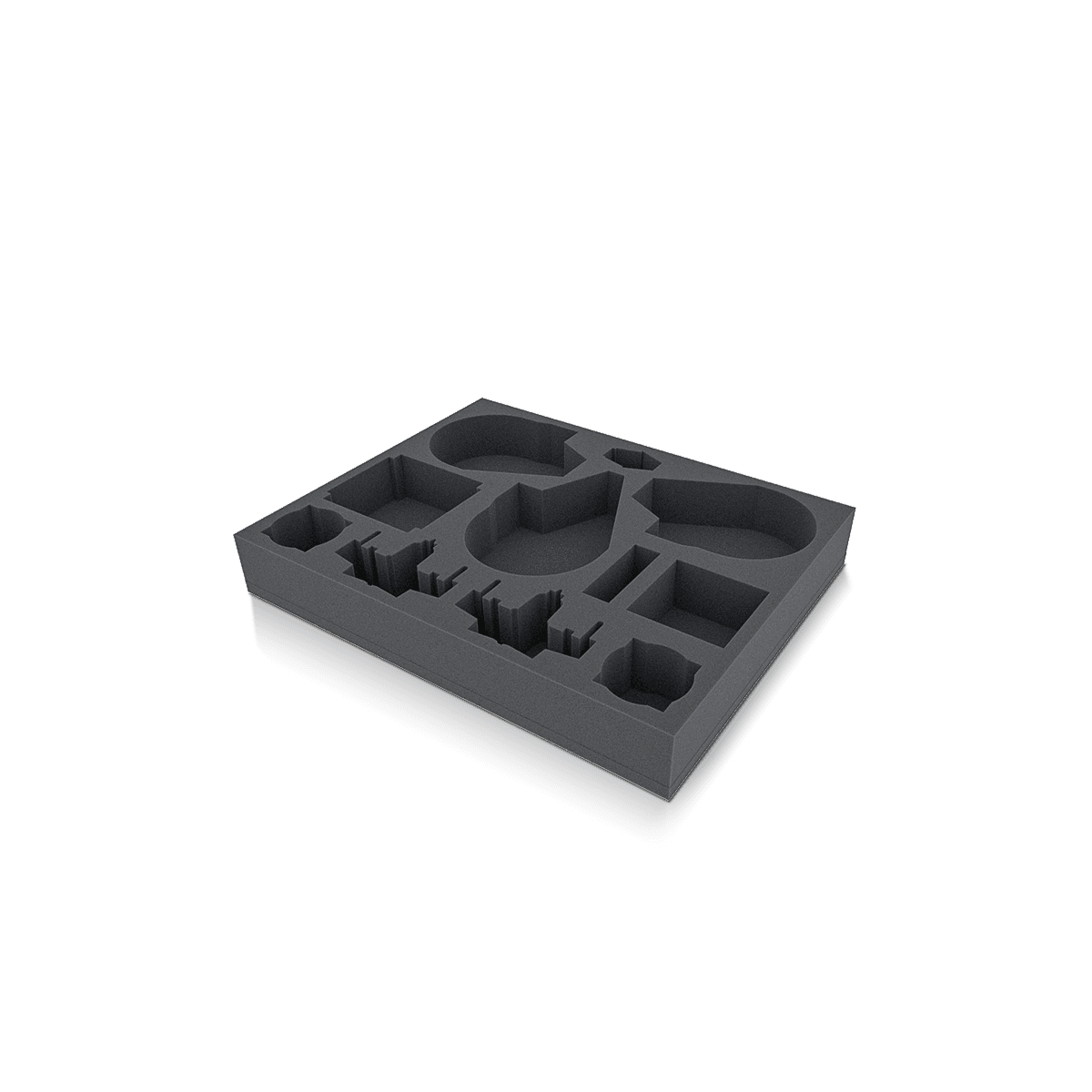
Engineered cavities help hold the drone body in a stable position so arms, guards and mounted parts stay better controlled.
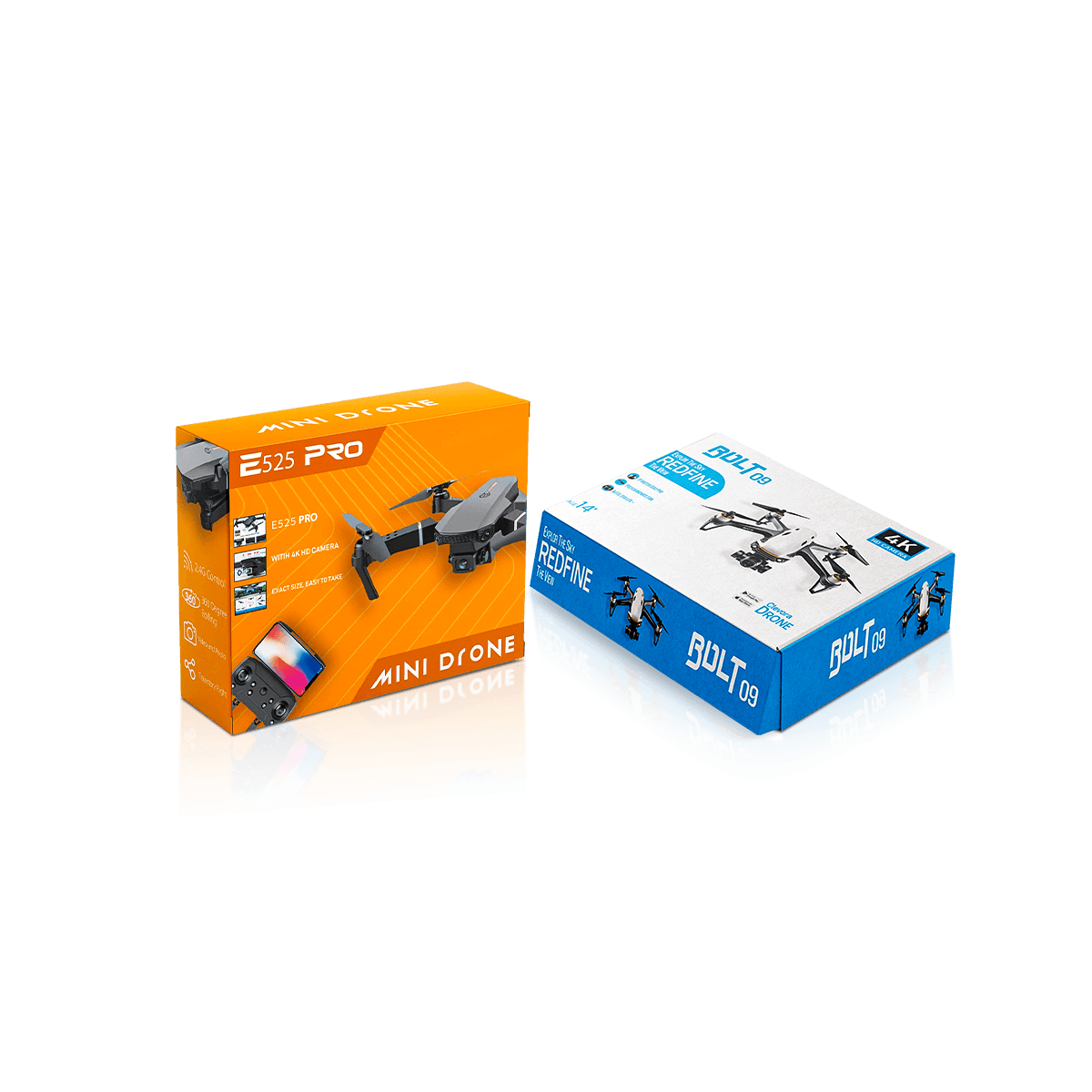
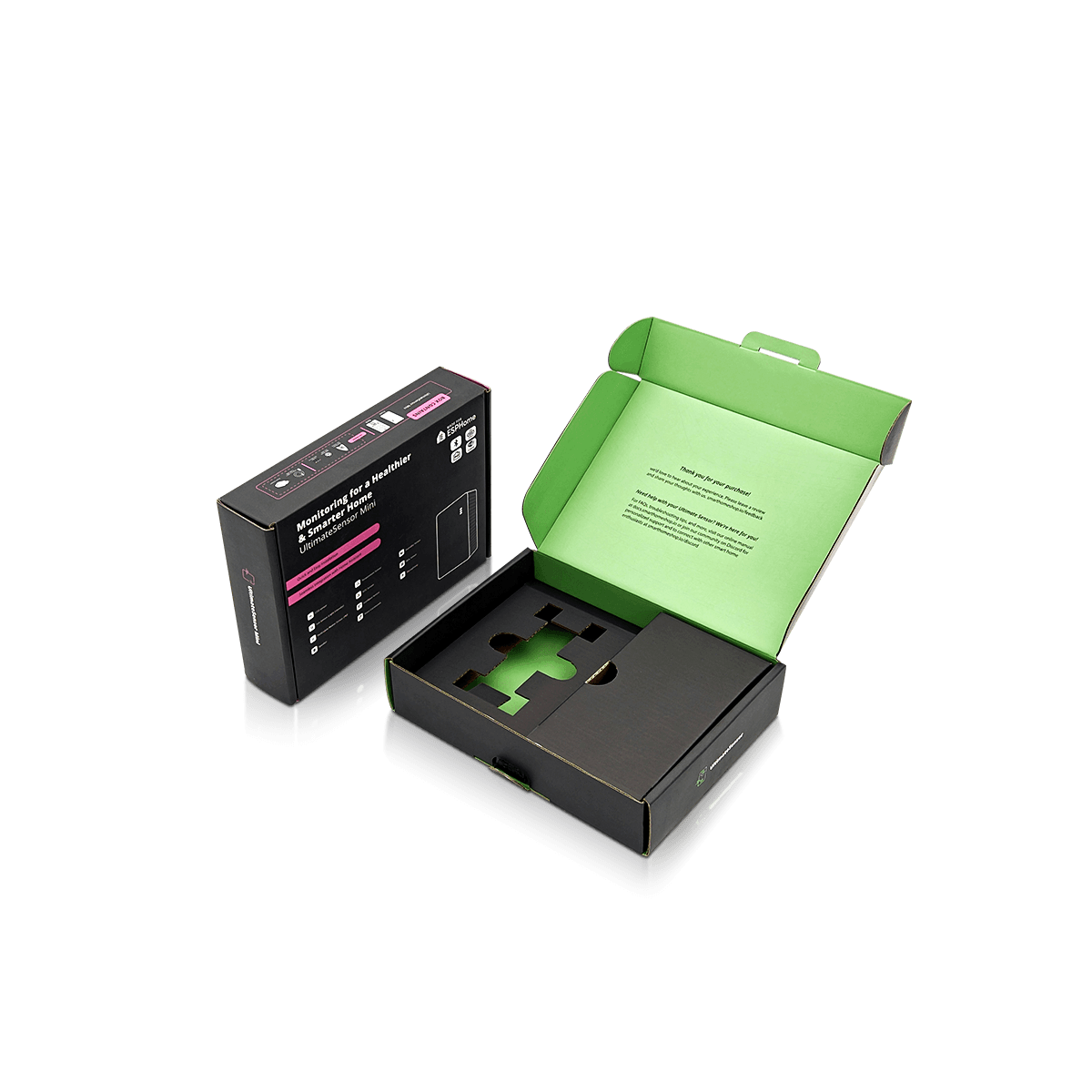
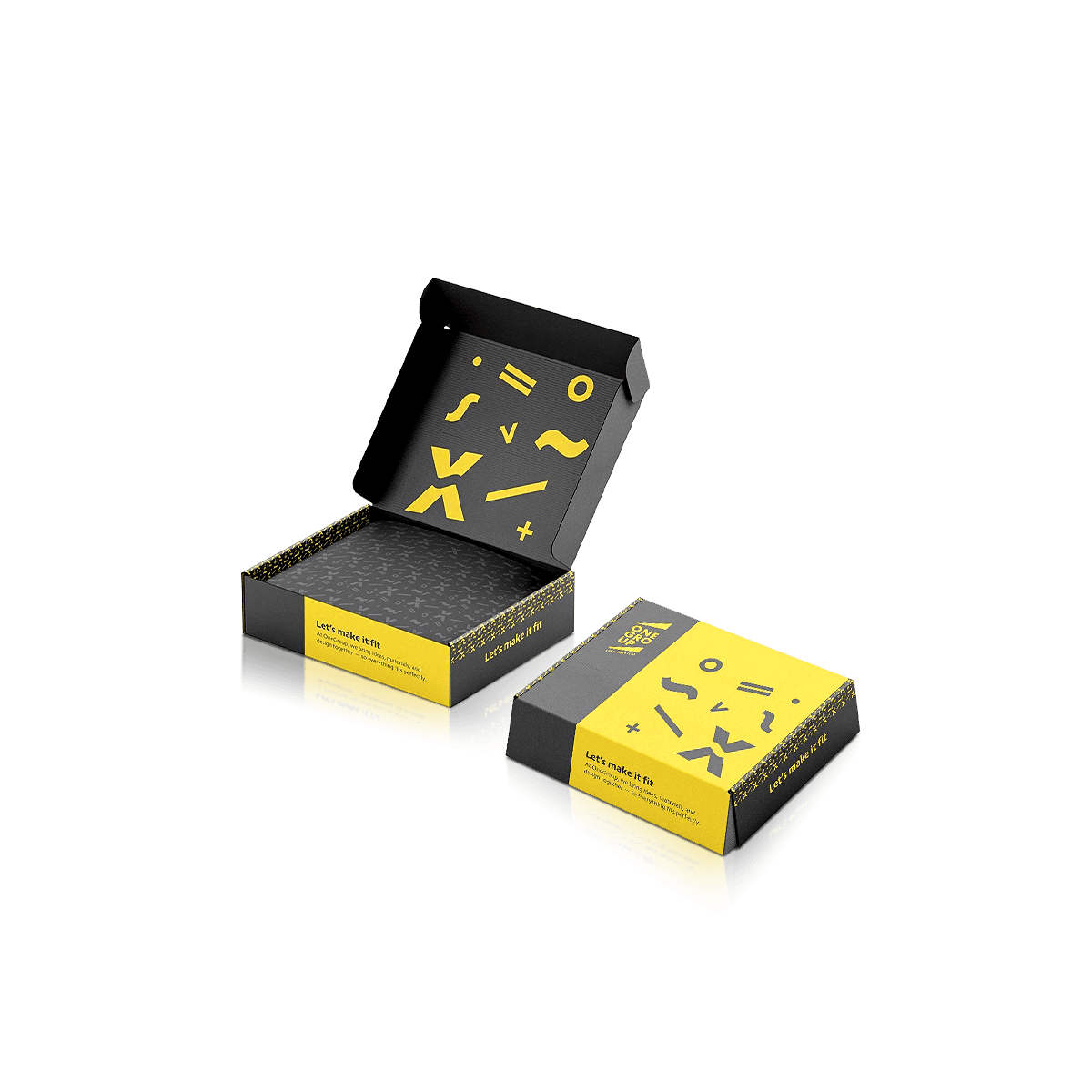
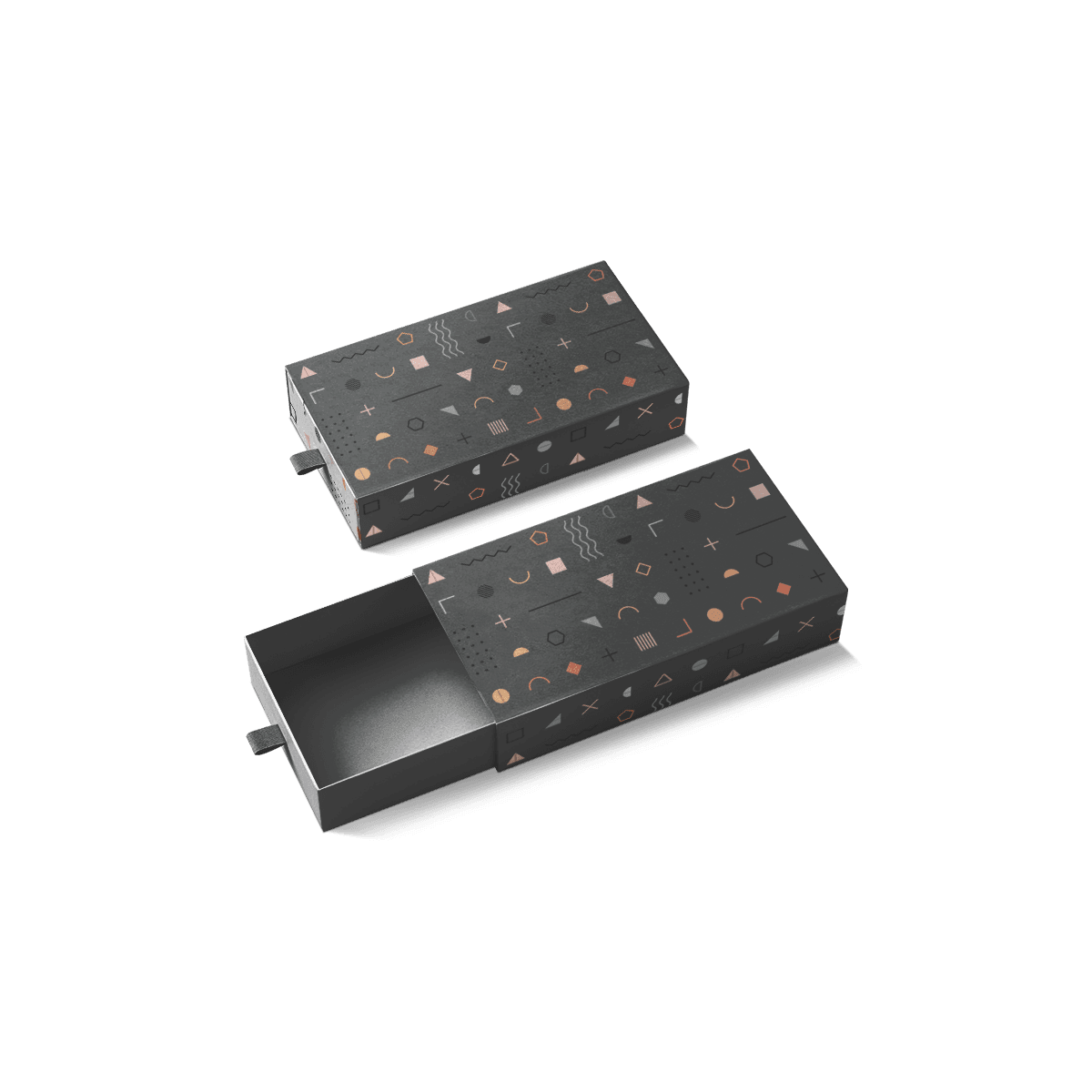
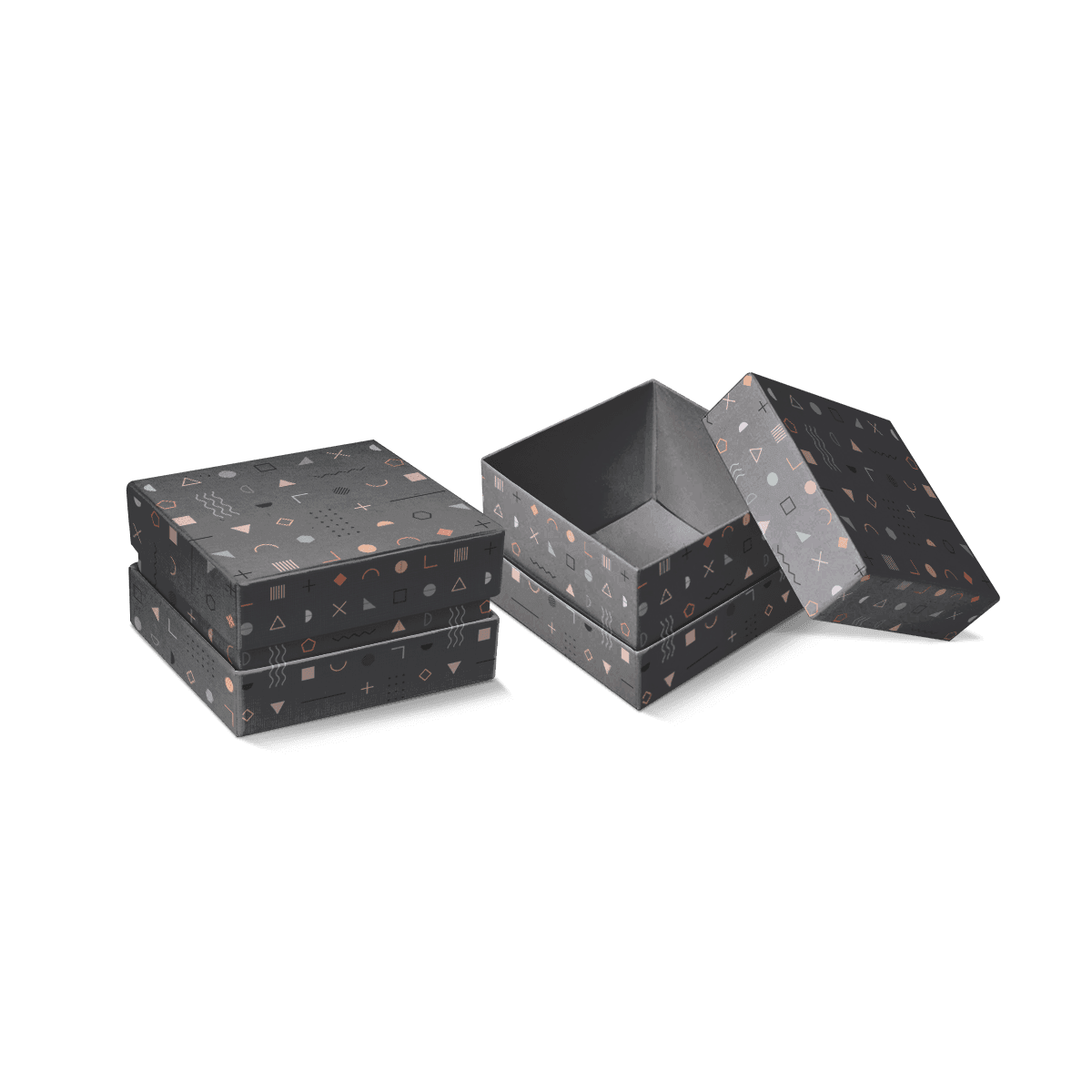
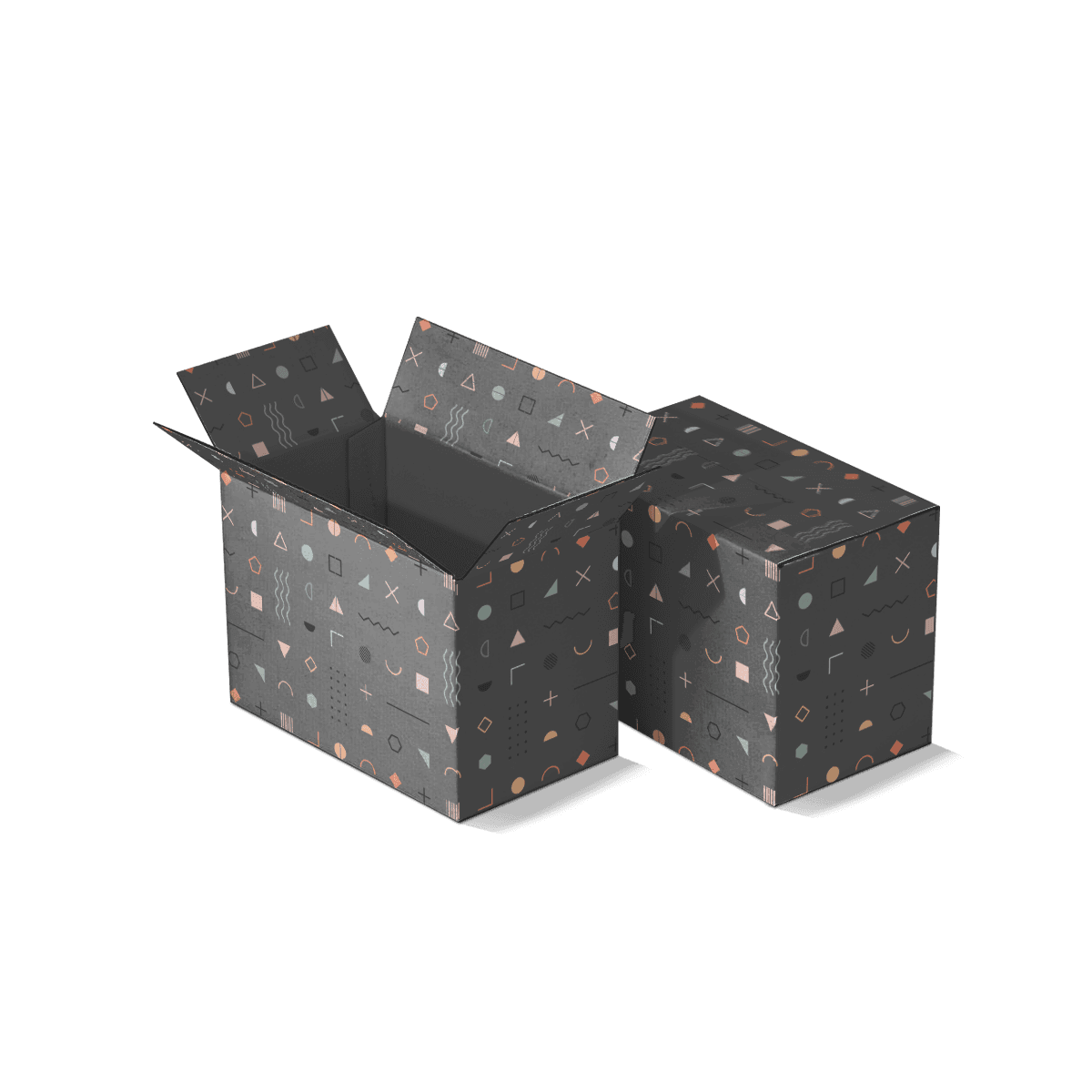
For drone packaging, the real challenge is keeping several shaped components secure without making the box feel crowded or confusing. Drone Boxes solve that by combining product-fit engineering with a layout that separates the aircraft, controller, batteries, cables and quick-start materials in a way that feels deliberate to the buyer and practical to the packer. Depending on the product tier, the box can be built in folding carton, corrugated board or rigid board with a bespoke insert plan that supports safer handling, clearer presentation and easier kit assembly.
Keeps drone kits mapped and easier to pack
Helps protect folded bodies and delicate camera areas
Separates batteries, props and cables more cleanly
Supports stronger shelf presentation for higher-value tech
Works for retail packs, demo sets and shipped bundles
Engineered cavities help hold the drone body in a stable position so arms, guards and mounted parts stay better controlled.
Dedicated spaces for controllers, spare batteries, charging hubs and propellers improve component organization inside the pack.
Use SBS paperboard for lighter retail programs, corrugated for added transit strength or rigid board for a more elevated product reveal.
Tailor-made dimensions and insert depth help the box follow the exact kit layout instead of relying on filler or loose wrapping.
Panels can carry setup diagrams, feature highlights, barcode data and safety notes in a format that stays easy to scan.
Foldable consumer drone kits sold with controller and charging hub
FPV starter packs with goggles, batteries and setup materials
Dealer demo sets for aerial imaging and inspection equipment
Product launch boxes for creators, reviewers and reseller programs
Training shipments for schools, academies and pilot workshops
Simple steps from idea to delivery
Tell Us Your Specs
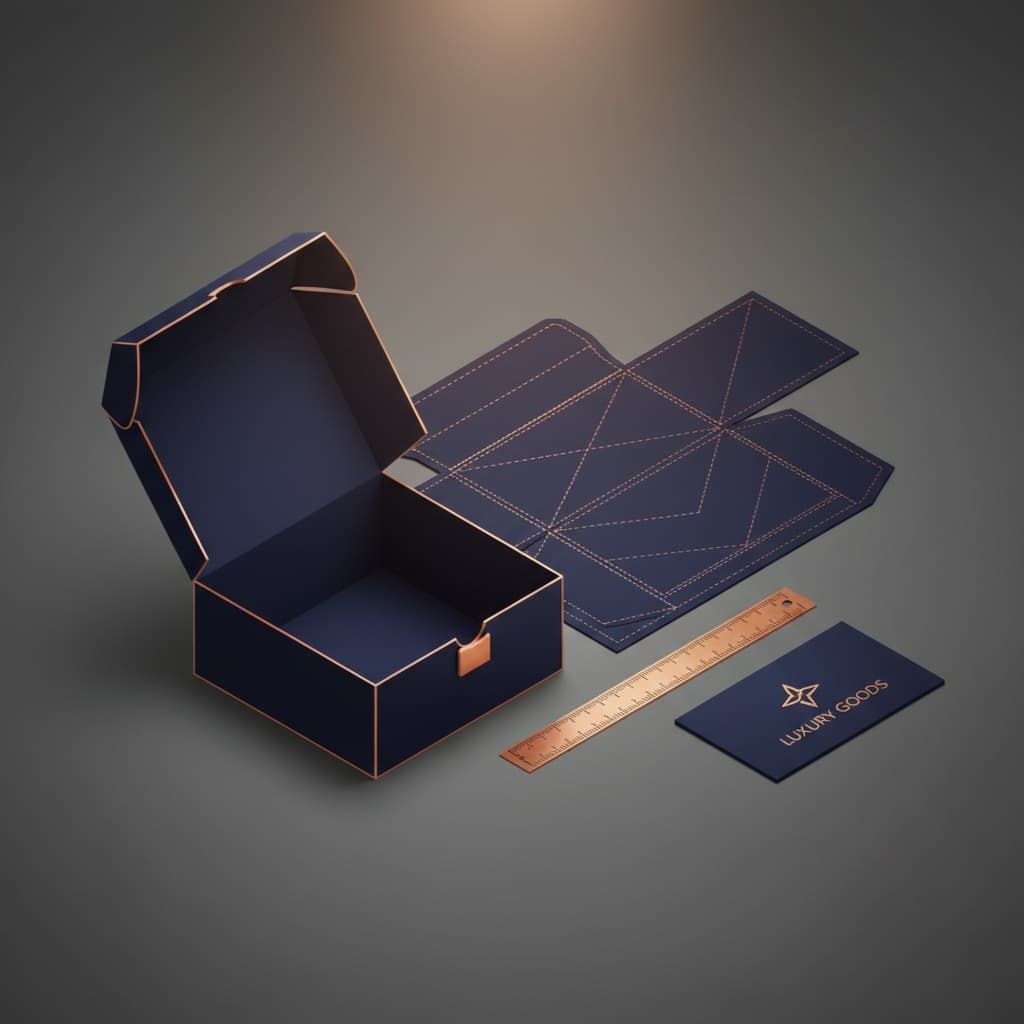
Provide size, quantity, printing, and finishes.
Get a Fast Quote

Instant transparent pricing, no hidden fees.
Design and Approval

Artwork checks, revisions, and final sign-off.
Produce

Expert manufacturing to meet deadlines.
Ship to Your Door

Hassle-free, flexible delivery options.
Share your product details, size, quantity and artwork needs. We’ll help choose the right packaging style and send a clear quote.