A Coil Keeps Trying to Open
A cable can be lightweight and still put constant pressure on its package.
Once a charging cable, data cable or cord is coiled, the bundle tends to push outward toward its original shape. Put that coil into a paper bag that is sized too closely and the sides begin to bow, the opening becomes harder to close and the printed face can wrinkle.
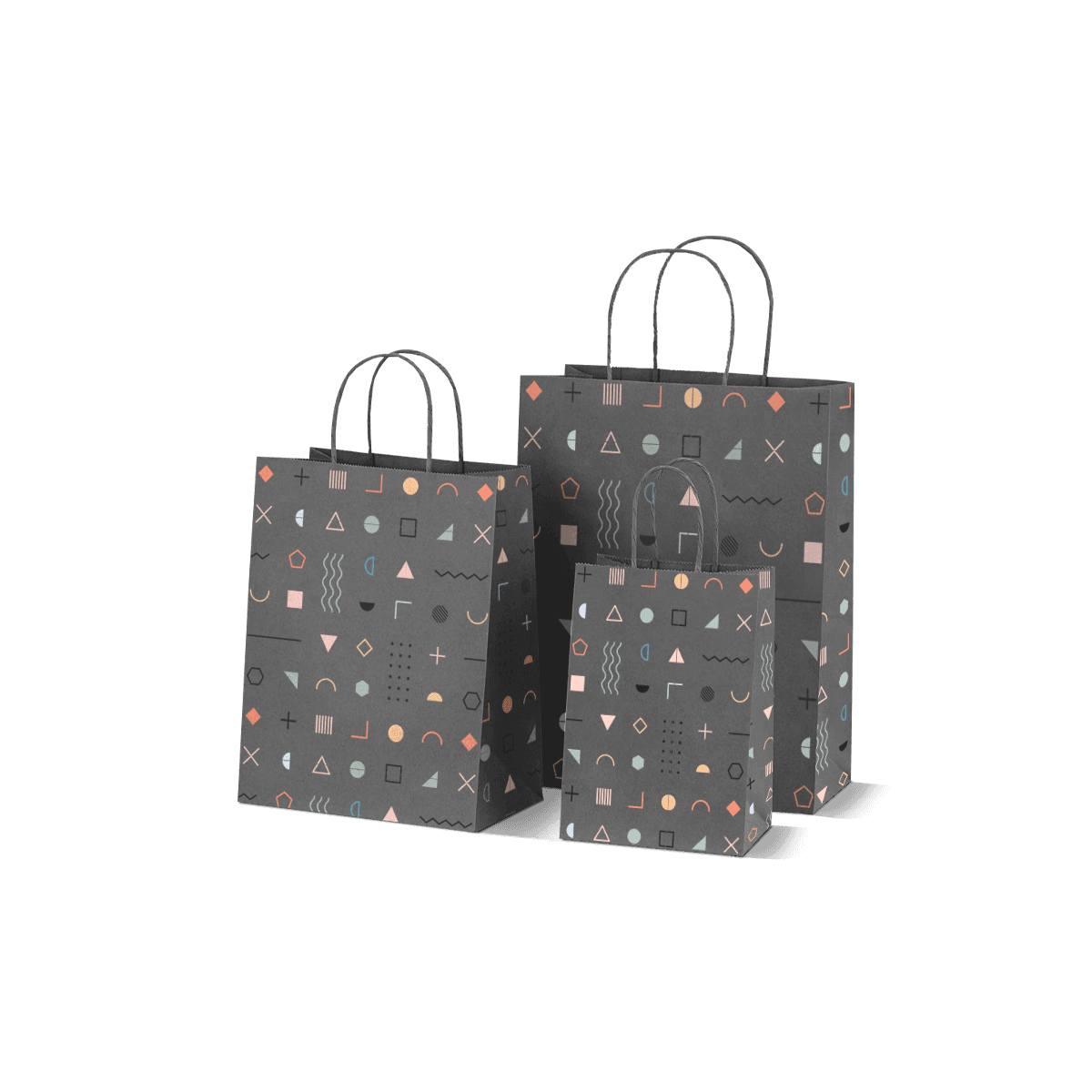
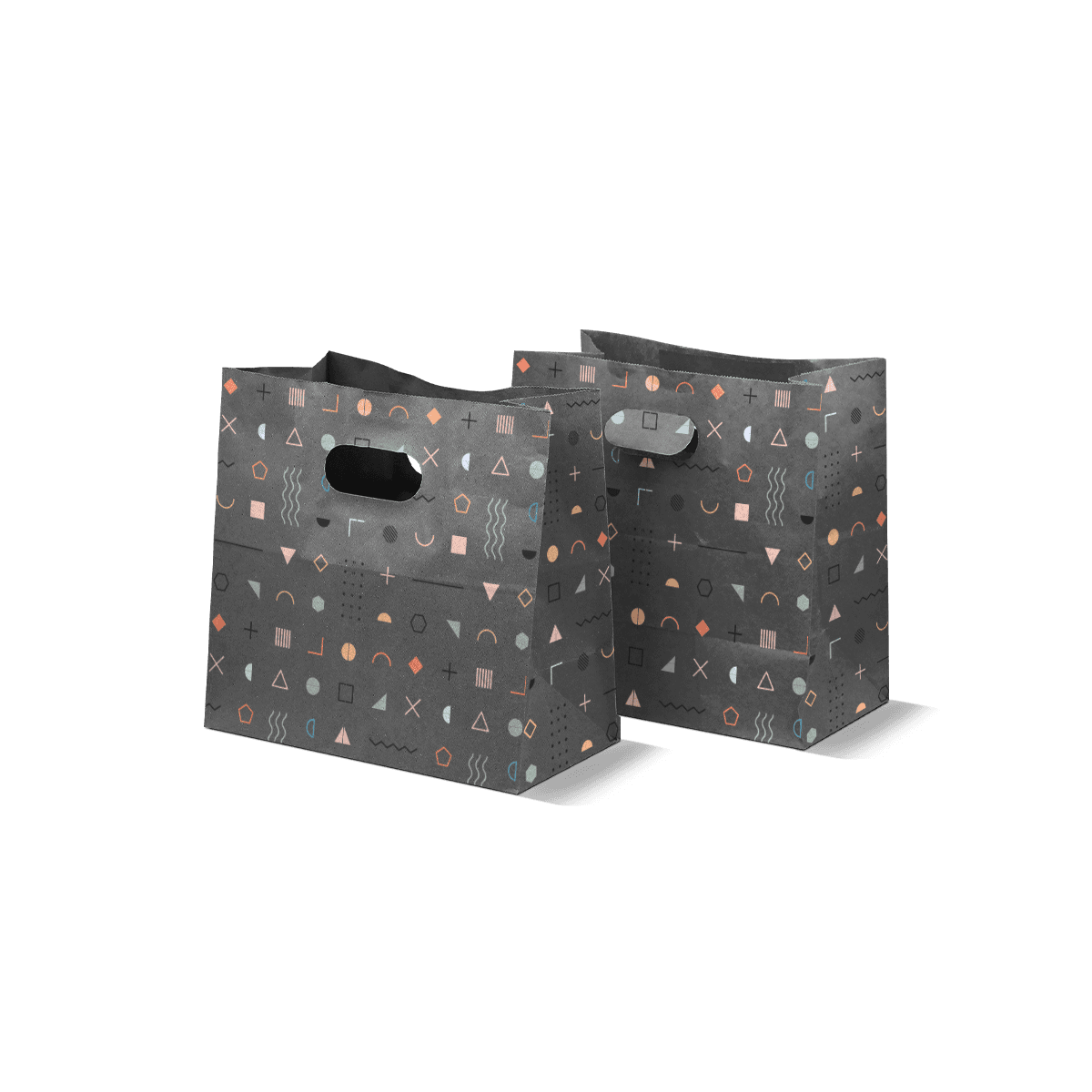
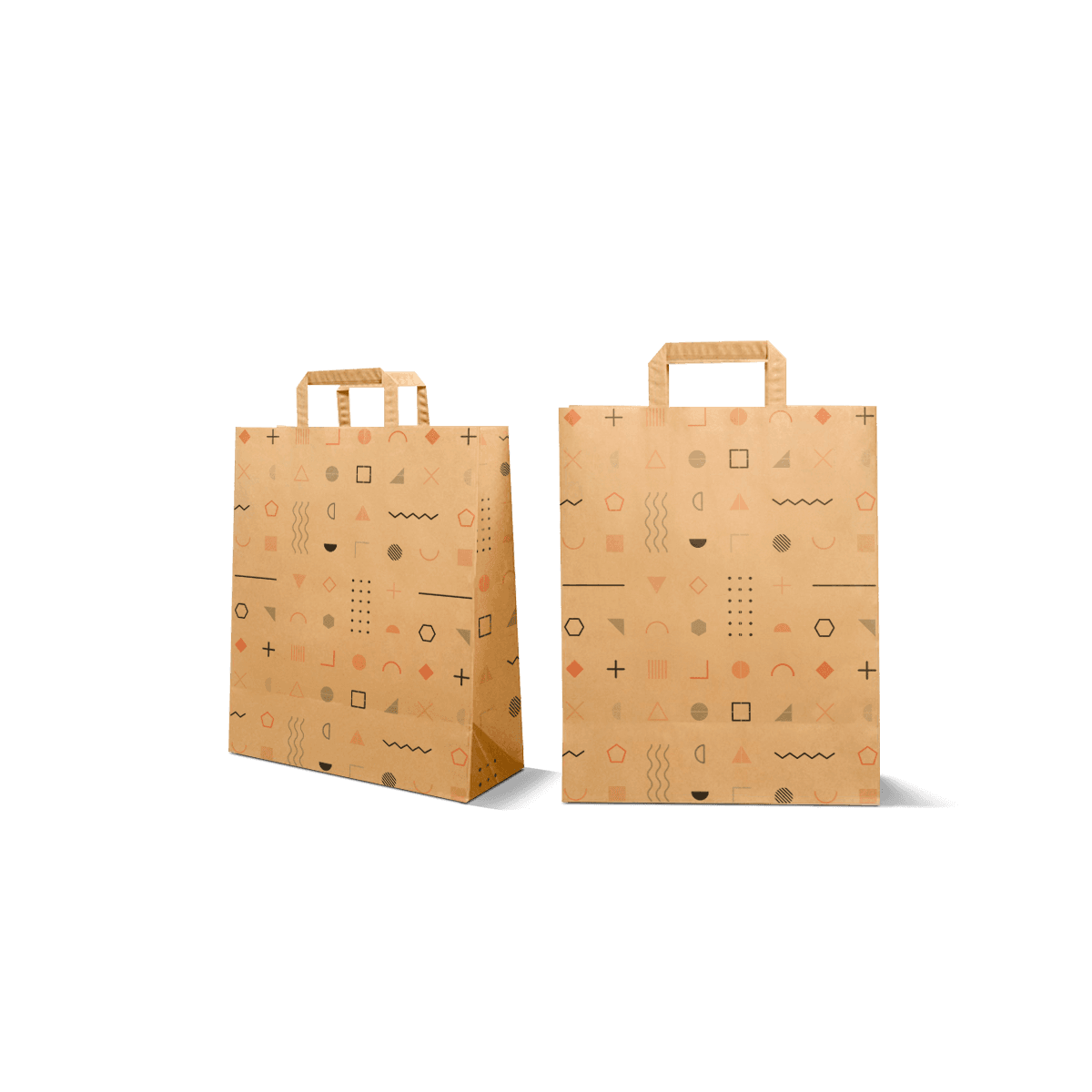
Custom Cable Organizer Paper Bags should therefore be sized around the prepared cable bundle rather than the cable's uncoiled length.
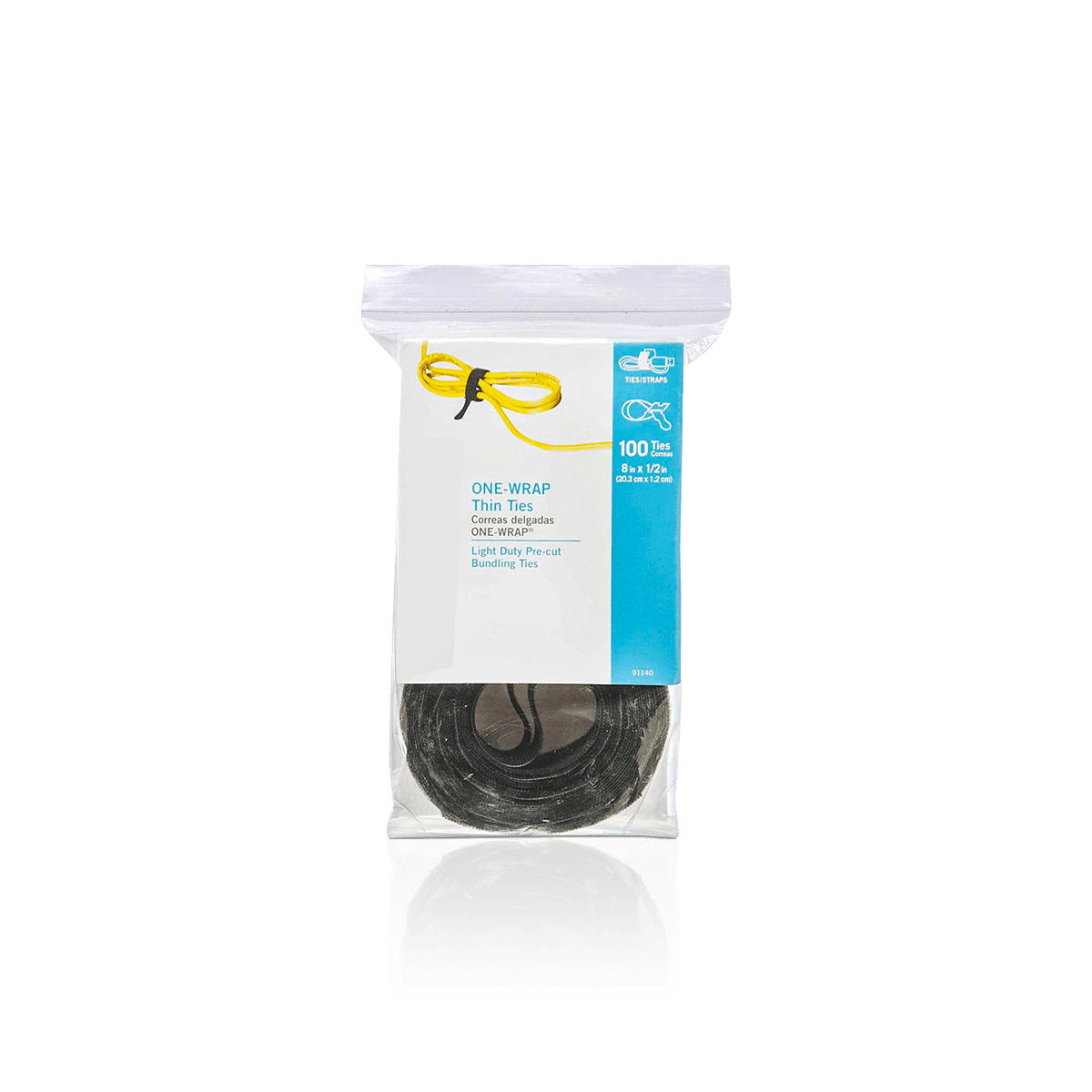
The bundle may include a reusable cable tie, paper band, organizer strap or other retention method before it enters the bag. That first step determines the real width, depth and thickness the paper package has to accommodate.
A stable coil also makes the packing process more predictable. Workers should not have to compress every cable differently just to close the bag.
These packs sit inside electronics and gadget packaging, but their job is deliberately narrow: lightweight paper containment and organization for cables and small cable kits rather than rigid product protection.
The Prepared Bundle Is the Measurement
Two six-foot cables can occupy different packed volumes.
Cable thickness, connector size, coil diameter and the retention method all change the final bundle. A braided cable may also behave differently from a thin flexible cord when coiled.
Measure the repeatable packed state.
If the cable is always secured with a band before bagging, measure it with the band in place. If two cables are sold together, prepare both in the intended arrangement first.
The bag should follow that pack condition rather than an idealized compressed sample.