Skip to content
Details

Custom E-commerce Rigid Boxes

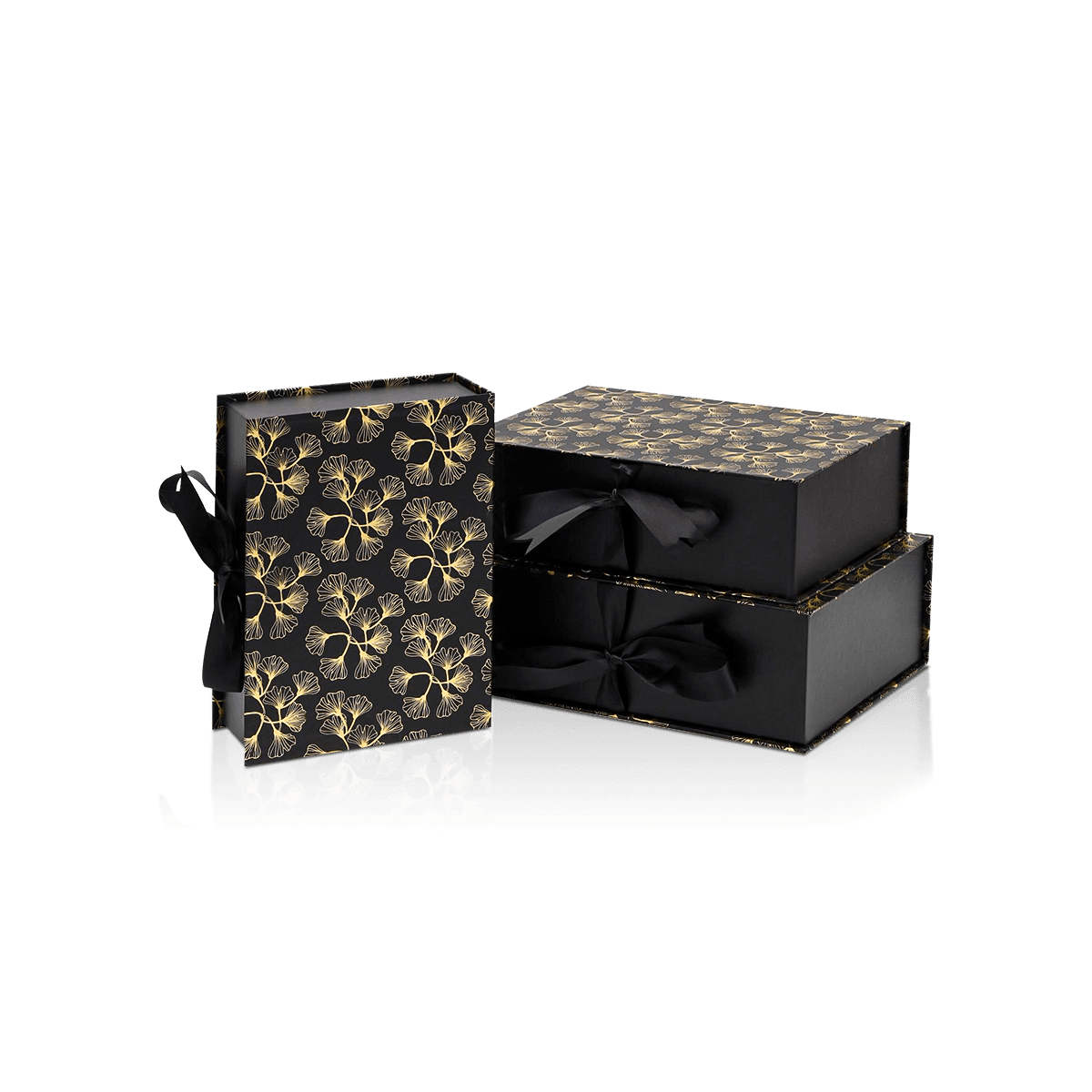
Rigid presentation boxes for premium online orders, planned around product fit, insert behavior, fulfillment and a separate parcel-protection layer.

The Rigid Box Is Not the Parcel

The best e-commerce rigid box usually has one clear job: arrive inside the shipment looking almost untouched.

That distinction matters because a premium presentation box and a parcel shipper face different conditions. Rigid board gives the inner package a firm shape, substantial feel and strong support for inserts, but its wrapped corners, printed surfaces, foil details and soft-touch finishes still need protection from conveyor contact, shipping labels, tape, dirt and repeated handling.

For many premium online orders, the strongest setup is therefore two layers.

The rigid box controls presentation and product placement. A right-sized corrugated outer box handles the courier network.

Across e-commerce retail packaging, the shipping layer and the presentation layer should be chosen separately whenever one structure cannot do both jobs well.

This approach is especially relevant for cosmetics, jewelry, electronics accessories, premium apparel, wellness kits, limited launches and higher-value product sets. These are purchases where the customer is expected to notice the package, open it deliberately and potentially keep it afterward.

Sending the rigid presentation box directly through a parcel network can save one layer, but it also exposes the finish to the shipping environment. If the outside appearance matters after delivery, the transport layer needs its own specification.

Packed Geometry Sets the Interior

E-commerce rigid boxes should be sized from the finished packed arrangement, not from the product dimensions alone.

A product might measure 7 × 4 × 2 inches, but that does not automatically mean the rigid box should. The final interior may also need an insert, accessory compartment, booklet, charging cable, protective wrap, tissue or a finger recess that lets the customer remove the product cleanly.

For irregular or multi-part products, custom product packaging starts from the packed item rather than a stock box size.

Clearance Has Two Jobs

Too little clearance can slow packing, scuff the product or create pressure against the lid and side walls.

Too much clearance allows the product or insert to move during handling.

A smooth carton supported in a paperboard tray may need only modest working room. A glass bottle, watch, coated device or skincare set can need more deliberate separation from hard surfaces, especially when tissue, a cable or another component shares the cavity.

Test the packed condition, not an empty box shell.

Outer Dimensions Affect the Next Layer

Rigid board, wrapped edges and insert walls all add thickness around the usable cavity.

The finished outside dimensions therefore matter to the outer mailer or shipper as much as the internal dimensions matter to the product.

A presentation box that grows only slightly can require a noticeably different shipping carton once protective clearance is added around it.

The Insert Is Part of the Product Display

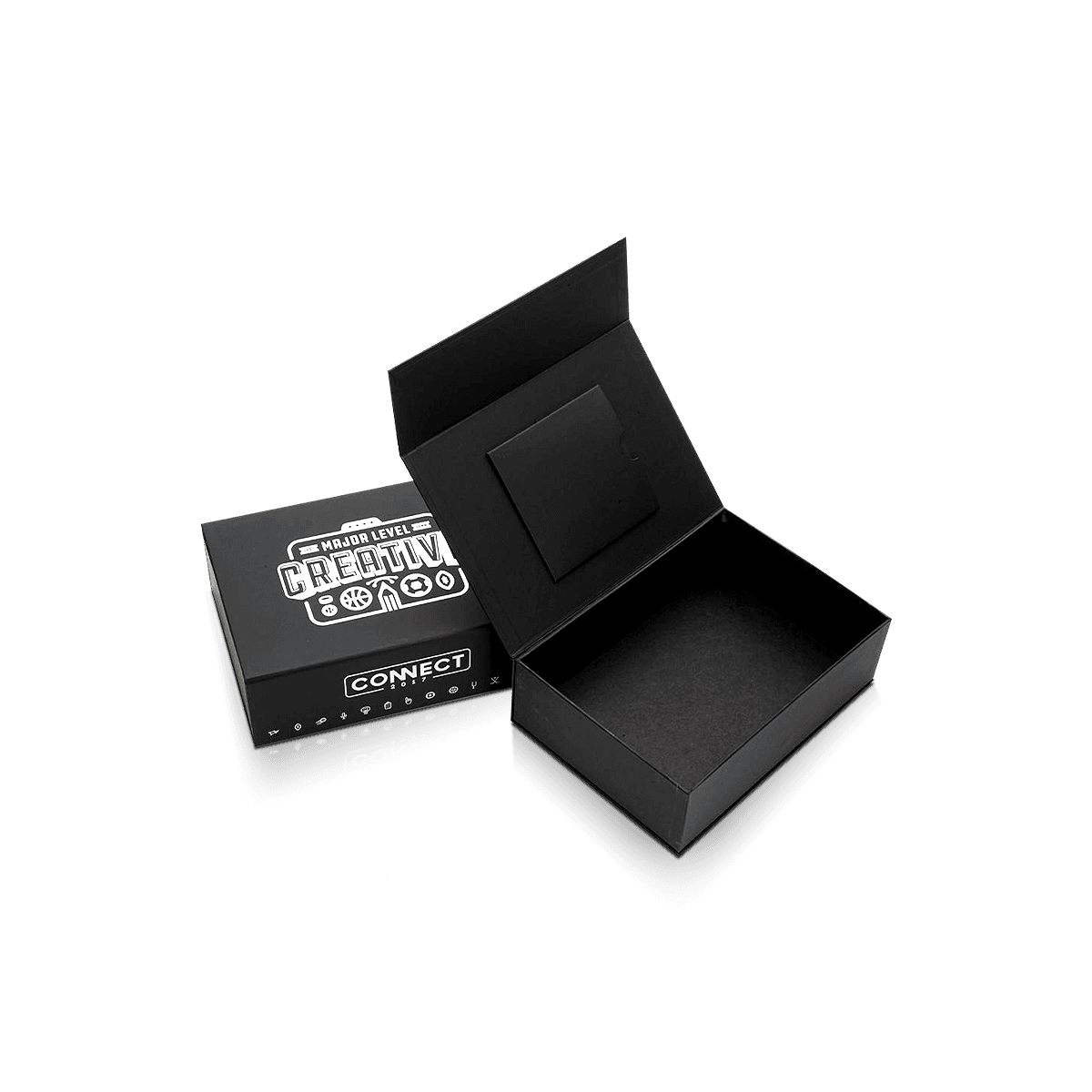
Inside an e-commerce rigid box, an insert does more than stop movement. It determines what the customer sees first.

The insert can set product height, establish spacing, separate accessories and control the order in which components appear.

The choice among packaging inserts should follow the product weight, finish sensitivity and opening experience rather than a generic premium-packaging formula.

Single Products Need Visual Restraint

A single bottle, device, watch or accessory should look intentionally placed rather than lost in a large cavity.

That does not require an elaborate fitment. A clean paperboard tray, foam cavity or shaped support can be enough when it keeps the product centered and gives the customer an obvious removal point.

Kits Need an Opening Hierarchy

Multi-item sets need more than equal-sized holes.

The primary product should remain visually dominant. Accessories, literature and smaller components can sit beside, beneath or above it according to the sequence the customer should follow.

A free 3D mockup can help assess hierarchy, artwork placement and overall appearance before production, but it cannot validate real friction, cavity tolerance or the feel of a closure. Physical validation should be used where those variables affect the finished pack.

Free sample examples can help assess general materials and workmanship. Exact fit, opening movement or finish interaction may call for a paid fully custom pre-production sample.

Opening Style Changes the Packing Job

Rigid construction does not mean one standard box.

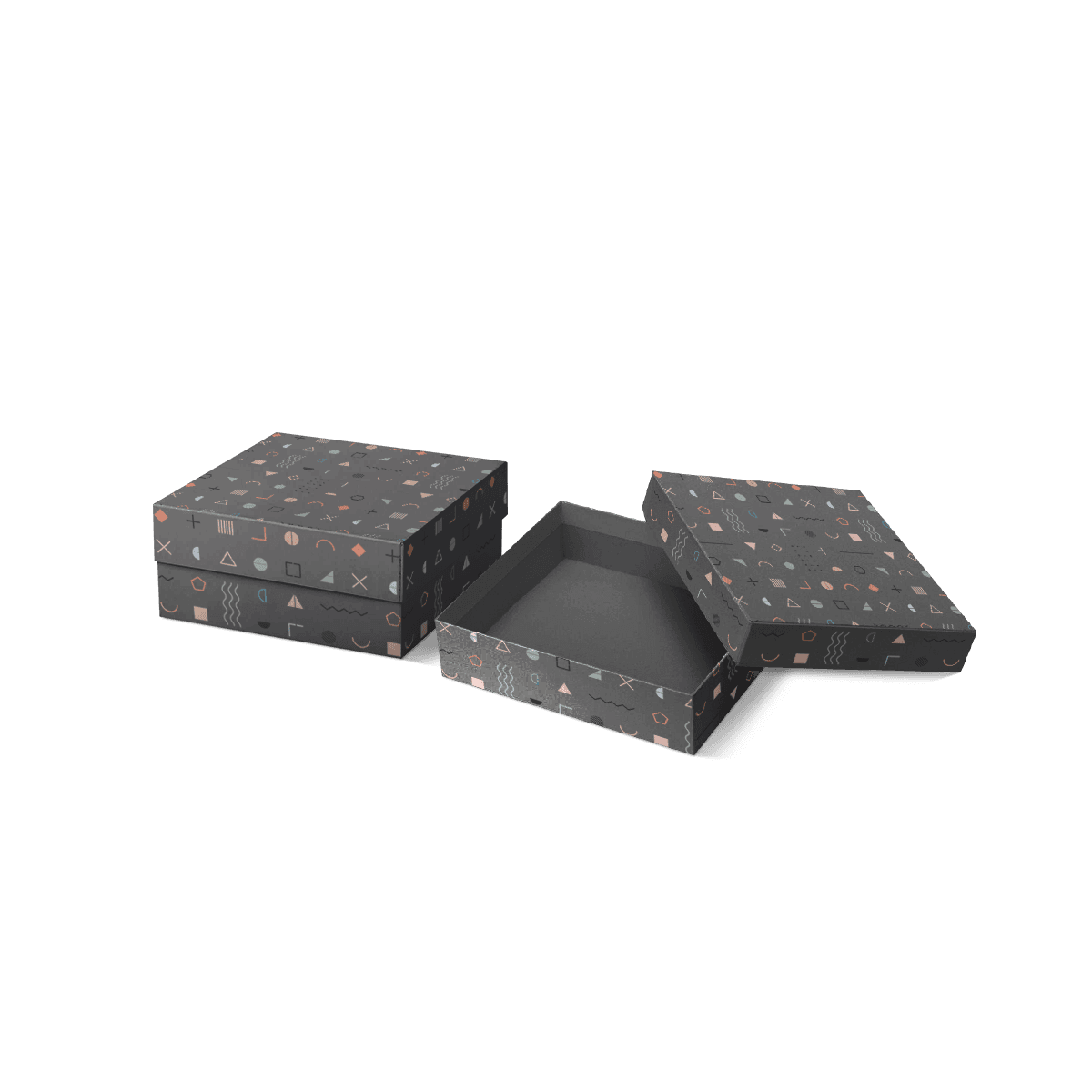
If the opening style itself is still undecided, custom rigid boxes can be narrowed by lid, drawer, magnetic, collapsible or book-style behavior. For e-commerce, the right choice depends partly on what happens before the customer opens it.

Fixed Boxes Reduce Setup

A fixed rigid box reaches the packing station already formed. Staff can load the insert, product and printed pieces without first erecting the box.

That can suit controlled launch runs, high-value products and hand-packed orders where presentation matters more than empty-box storage efficiency.

The trade-off is volume. Hundreds or thousands of fully assembled empty boxes consume substantial storage space before the product goes inside.

Collapsible Boxes Trade Storage for Assembly

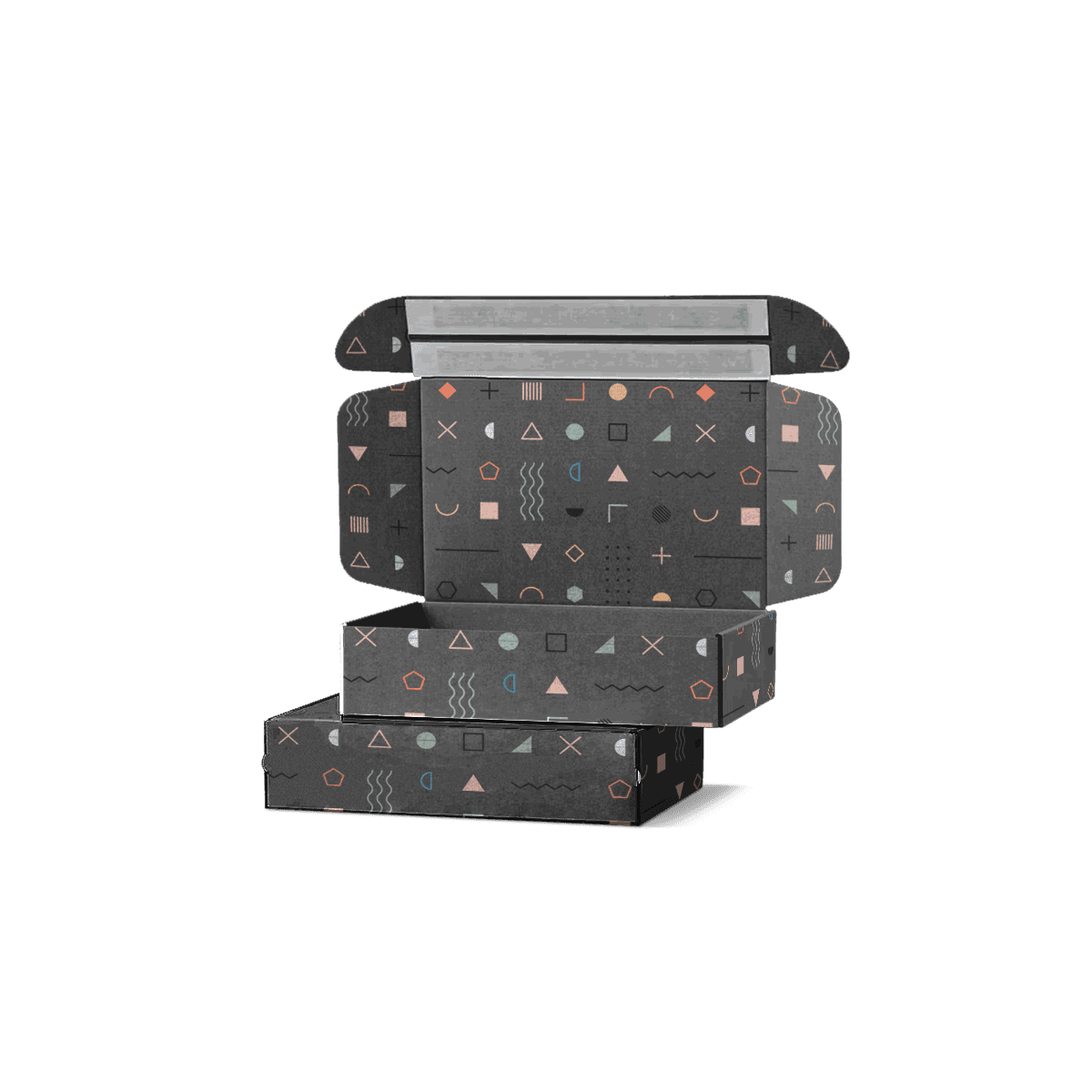
If empty-box volume is straining storage, collapsible rigid boxes reduce the pre-packing footprint but add an erection step.

Corners need to seat correctly and the finished box has to remain square before the insert and product are loaded.

The decision therefore shifts some work from warehousing into fulfillment.

Closures Shape the Reveal

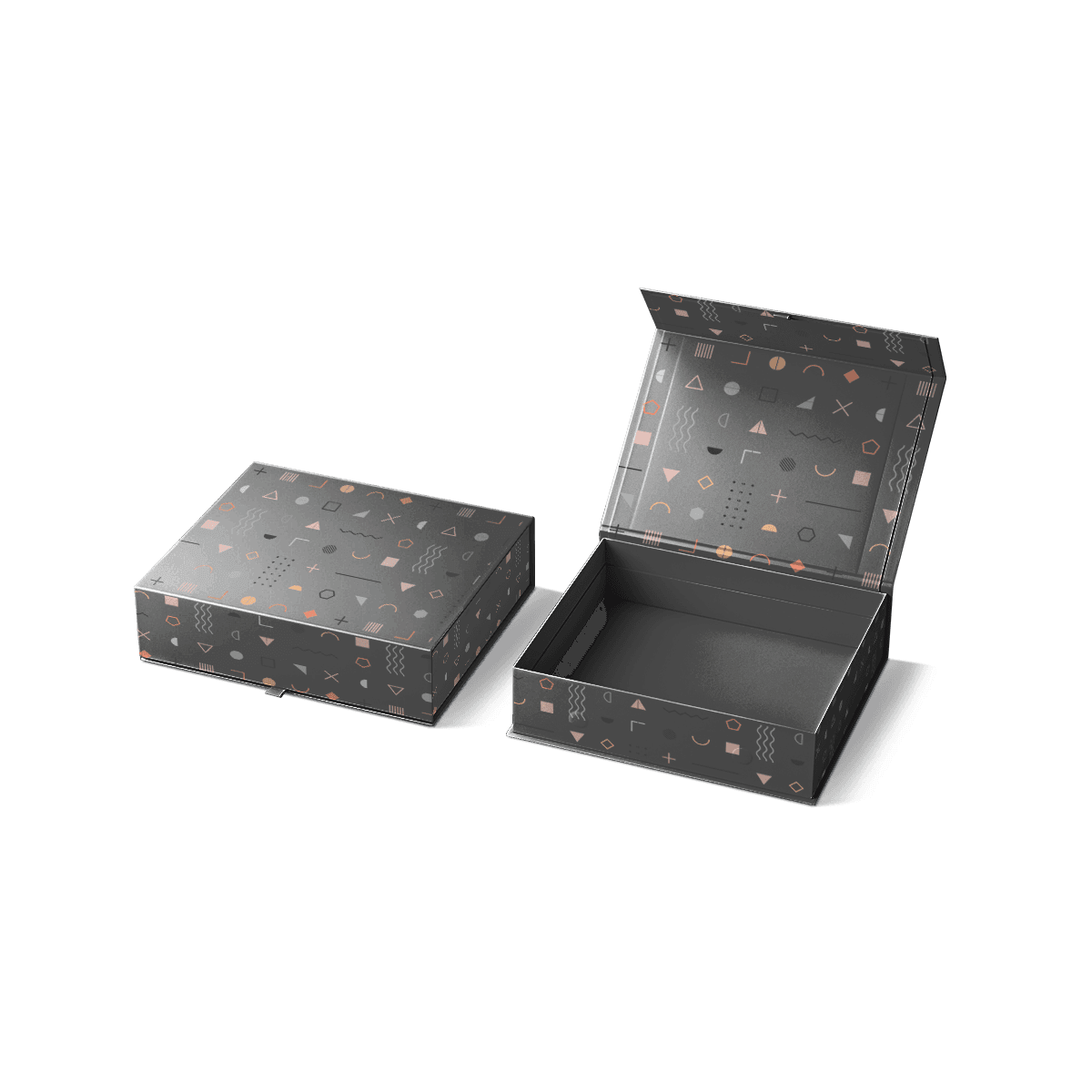
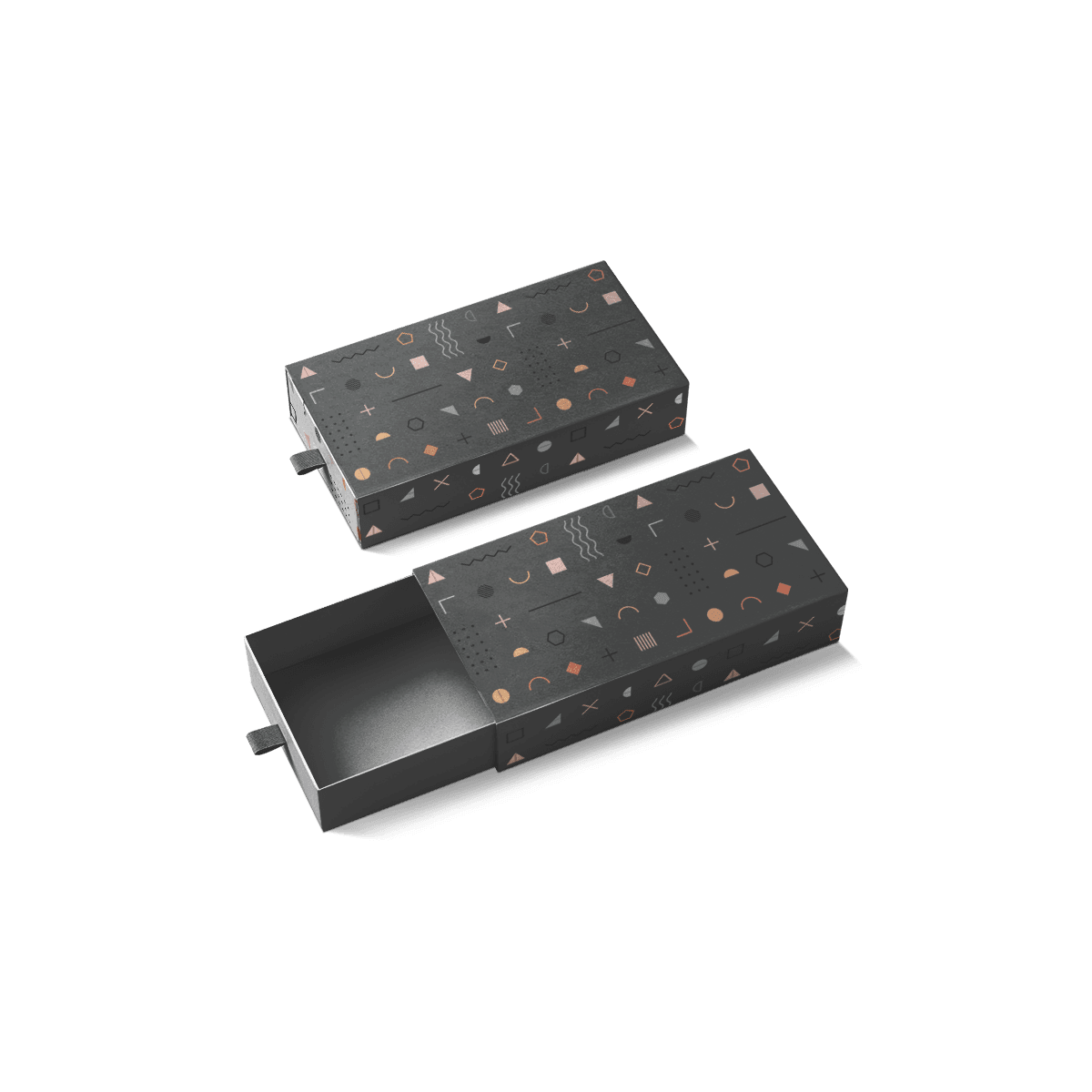
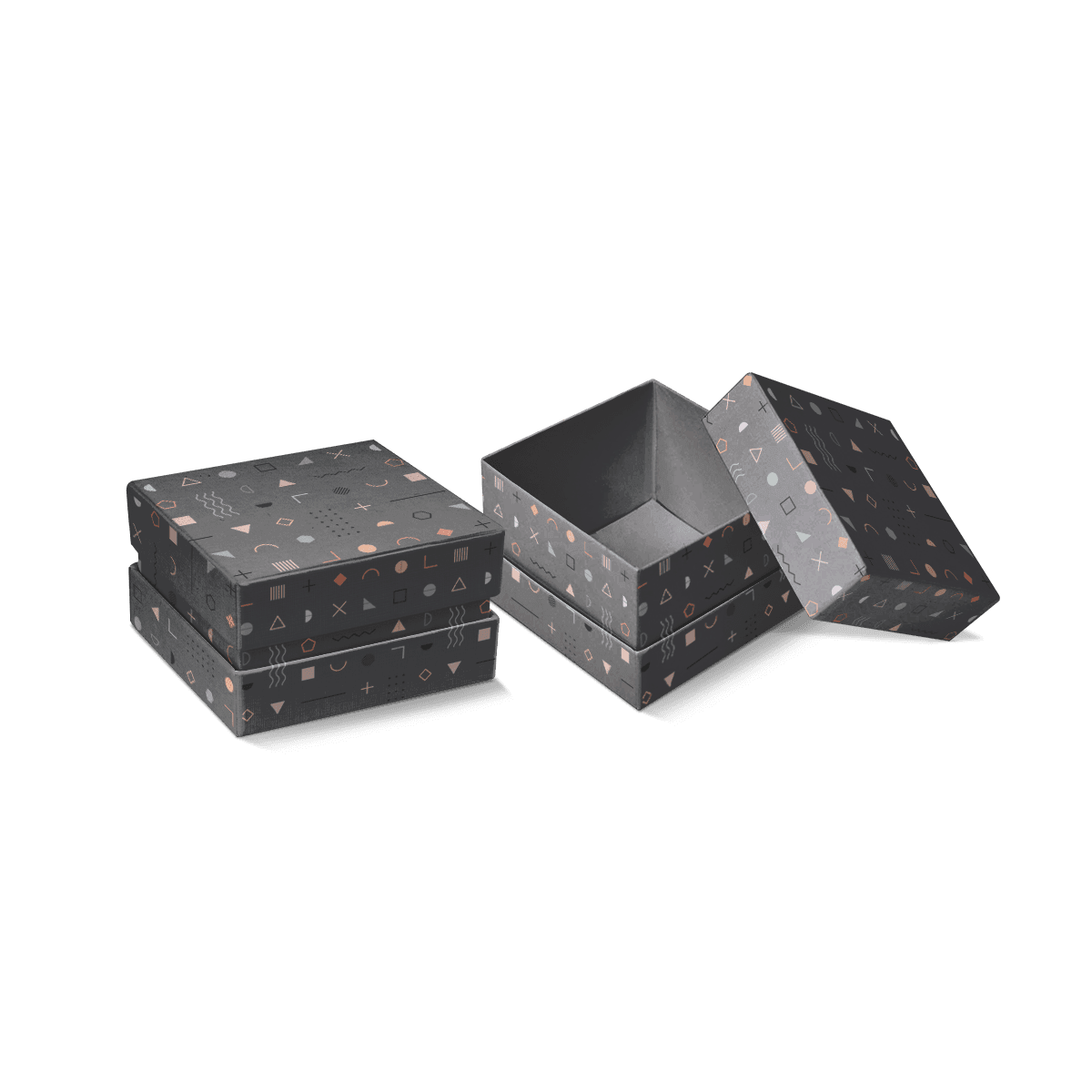
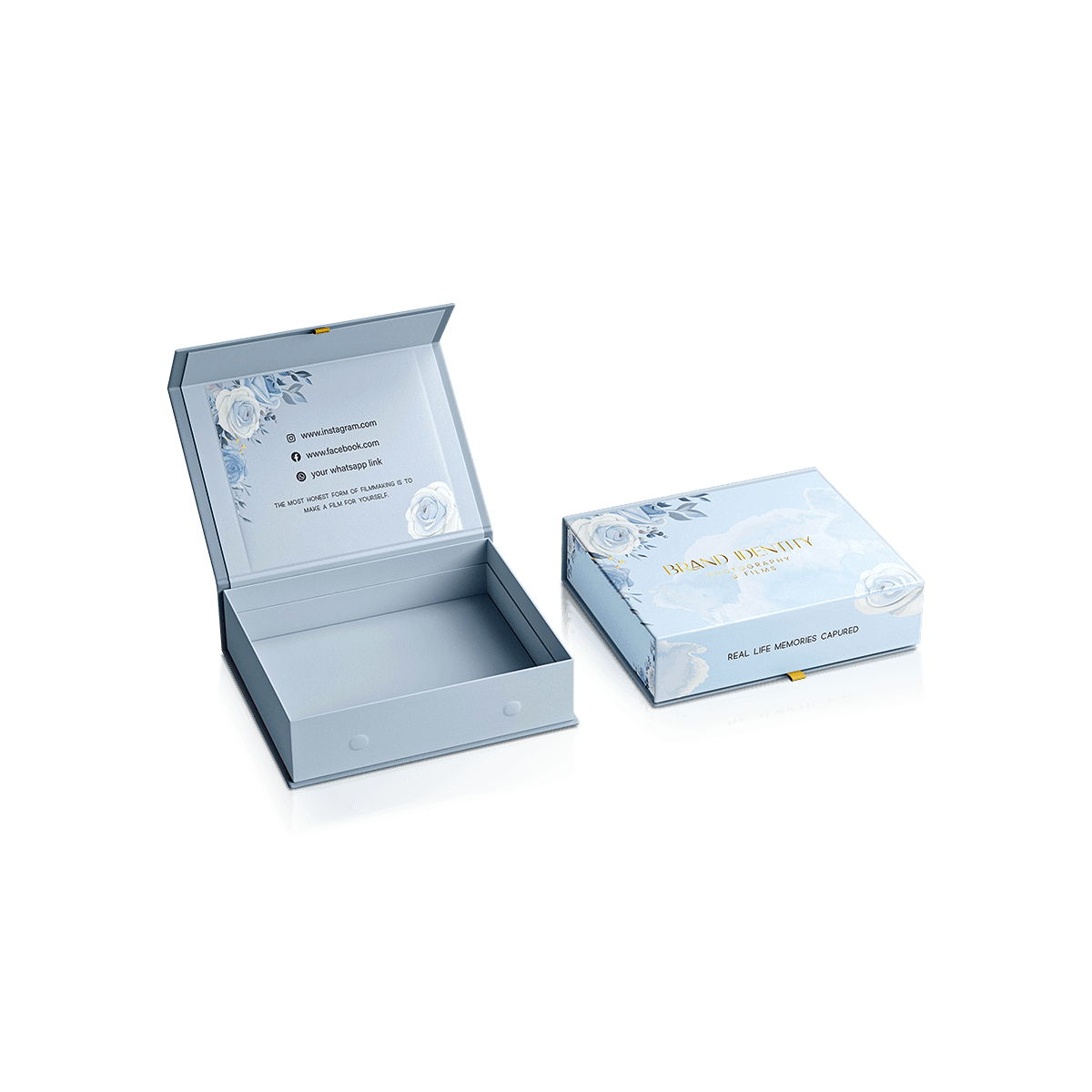
Magnetic, separate-lid, drawer and book-style openings create different customer interactions.

Magnetic closure rigid boxes can create a controlled hinged reveal, while lift-off lids and drawers change access and packing behavior.

The mechanism should justify its added material, assembly or cost rather than being chosen only because it looks premium in a sample photograph.

Protect the Presentation During Shipping

Rigid board can resist deformation while the finished surface still suffers during delivery.

Corners can rub. Dark wraps can show abrasion. Foil can scratch. Matte or soft-touch surfaces can pick up visible scuffs even when the product itself remains safe.

That makes the outer parcel part of the rigid-box specification.

A right-sized mailer box can work for compact orders, while shipping boxes take on heavier parcel loads.

The clearance between the rigid box and outer walls should be controlled rather than filled casually.

Consider a soft-touch skincare kit placed inside an oversized shipper. Loose filler appears to cushion it, but the rigid box can still shift as the fill settles. Repeated rubbing leaves visible corner marks even though neither carton is crushed.

A tighter outer fit with deliberate restraint changes the mechanism by preventing the presentation box from building movement inside the parcel.

The principles behind reducing shipping damage apply to cosmetic presentation damage as well as broken products.

Artwork Has to Survive Handling

Rigid boxes offer large uninterrupted surfaces for premium print and finishing, but those surfaces are handled repeatedly before the customer sees them.

Solid dark colors can reveal abrasion. Foil placed near exposed corners may show wear sooner than foil on a protected lid area. Embossing and debossing change the surface locally and should be positioned with the opening and handling path in mind.

Premium offset printing can support detailed artwork and repeat color control. CMYK suits full-color graphics, while Pantone can be considered when a specific brand color needs tighter control.

Artwork also has to align with how the box opens.

A logo centered on a flat drawing may feel visually off once a lid lifts, a flap rotates or a drawer pulls forward. Inside print should read correctly in the customer’s opening direction.

A 3D mockup can help review that composition before production, while physical validation remains the better test for friction, fold behavior and how delicate finishes interact with real handling.

Rigid Packaging Has to Earn Its Cost

Rigid boxes use more material, converting work and storage volume than lightweight folding cartons.

Cost changes with finished dimensions, board construction, wrapped surfaces, inserts, opening style, print, finishes and quantity.

One of the easiest ways to increase cost without improving the customer experience is unnecessary volume. A box that is deeper or broader than the product requires consumes more board, enlarges the insert and can force a larger outer shipper.

The useful cost calculation therefore includes the presentation box, interior fitment, outer parcel protection and packing process together.

The cost of custom rigid boxes should be considered against the job the packaging performs, not against a lightweight carton serving a different role.

Custom Packly's USA MOQ starts from 100 boxes. Design and dieline support can help keep the rigid structure, insert and outer shipping dimensions aligned before production.

Once the structure, size, quantity and finishing direction are defined, an instant custom packaging quote can price the actual presentation system.

Rigid Is Not the Default Upgrade

Rigid packaging earns its place when permanence, tactile weight, a controlled reveal or reuse contributes meaningfully to the product.

It should not become the automatic answer whenever a brand wants packaging to feel better.

For single products that mainly need clean print, product identity and efficient fulfillment, Product Boxes can keep the decision open across paperboard, corrugated and rigid directions.

Custom Folding Cartons make more sense when flat storage, lighter paperboard construction and faster scaling matter more than a permanent presentation box.

Gift Boxes for E-commerce shift the decision toward gifting when the opening experience is central but the structure does not automatically need to be rigid.

The premium choice is the structure that earns its extra material and handling, not simply the heaviest box.

Fulfillment Completes the Specification

A rigid box is not fully specified when the artwork is approved.

The packing team still needs to know how the empty box is handled, when the insert is loaded, where the product and printed cards sit, which outer shipper is used and whether any SKU needs a different fitment.

Seasonal changes should also be controlled. An added sample, thicker booklet or promotional object can change the interior stack and the way the lid closes.

For recurring programs, warehousing and scheduled deliveries can separate production quantity from the amount of finished packaging received at one fulfillment location at once.

The final handoff should give the packer a repeatable sequence: open or erect the presentation box if required, load the insert, place the product and accessories, close the rigid box, place it into the specified outer parcel and complete the shipment without improvising protection at the bench.

That operating standard is what turns Custom E-commerce Rigid Boxes from a premium object into a repeatable e-commerce packaging system.

FAQs

Higher-value items, gift sets and products with multiple components tend to benefit most because the box can protect the contents and control presentation at the same time.

Rigid Boxes are the better fit when weight, reuse, insert control and a premium reveal matter more than shipping efficiency. Folding Cartons usually make more sense for lighter lower-cost products that need faster scale and leaner material use.

Sometimes, but not always. Most brands pair them with an outer corrugated shipper when the order will move through parcel networks, especially for gift sets, electronics and fragile accessories.

Start with the product grouping first. Foam, paperboard trays and dividers are chosen based on product weight, finish sensitivity and the amount of spacing needed between the item and the box wall.

No. Magnetic closure is only one option. Lift-off lids, drawer formats, shoulder-neck builds and book-style openings are all common rigid-box structures.

Process

How it works

Your Packaging Journey, From Idea to Production and Delivery

01

Tell Us Your Specs

Custom packaging boxes

Tell Us Your Specs

Provide size, quantity, printing, and finishes.

02

Get a Fast Quote

Custom packaging boxes

Get a Fast Quote

Instant transparent pricing, no hidden fees.

03

Design and Approval

Custom packaging boxes

Design and Approval

Artwork checks, revisions, and final sign-off.

04

Produce

Custom packaging boxes

Produce

Expert manufacturing to meet deadlines.

05

Ship to Your Door

Custom packaging boxes

Ship to Your Door

Hassle-free, flexible delivery options.

Get Your Quote for Custom E-commerce Rigid Boxes

Share your product details, size, quantity and artwork needs. We’ll help choose the right packaging style and send a clear quote.