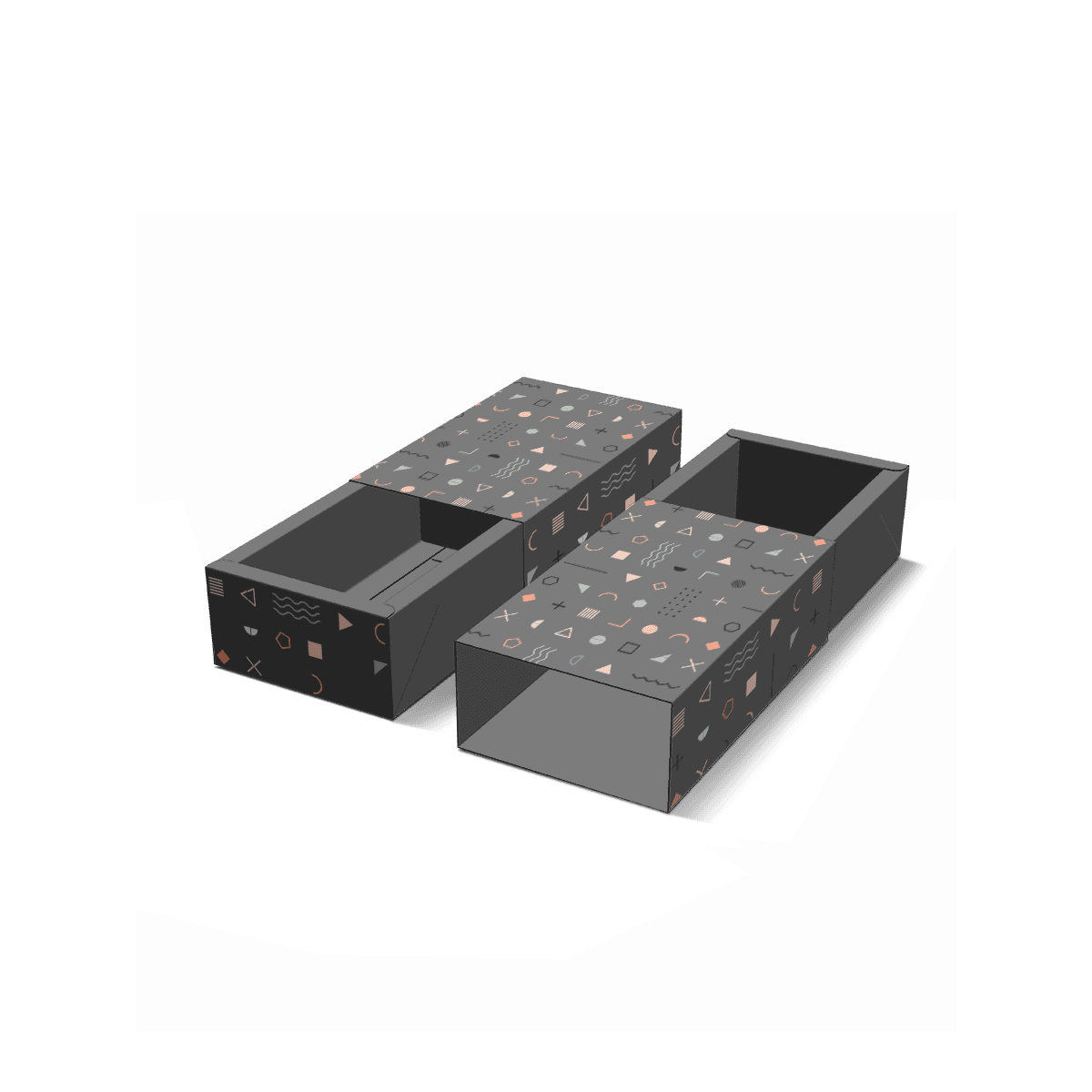
Print-Forward Paperboard
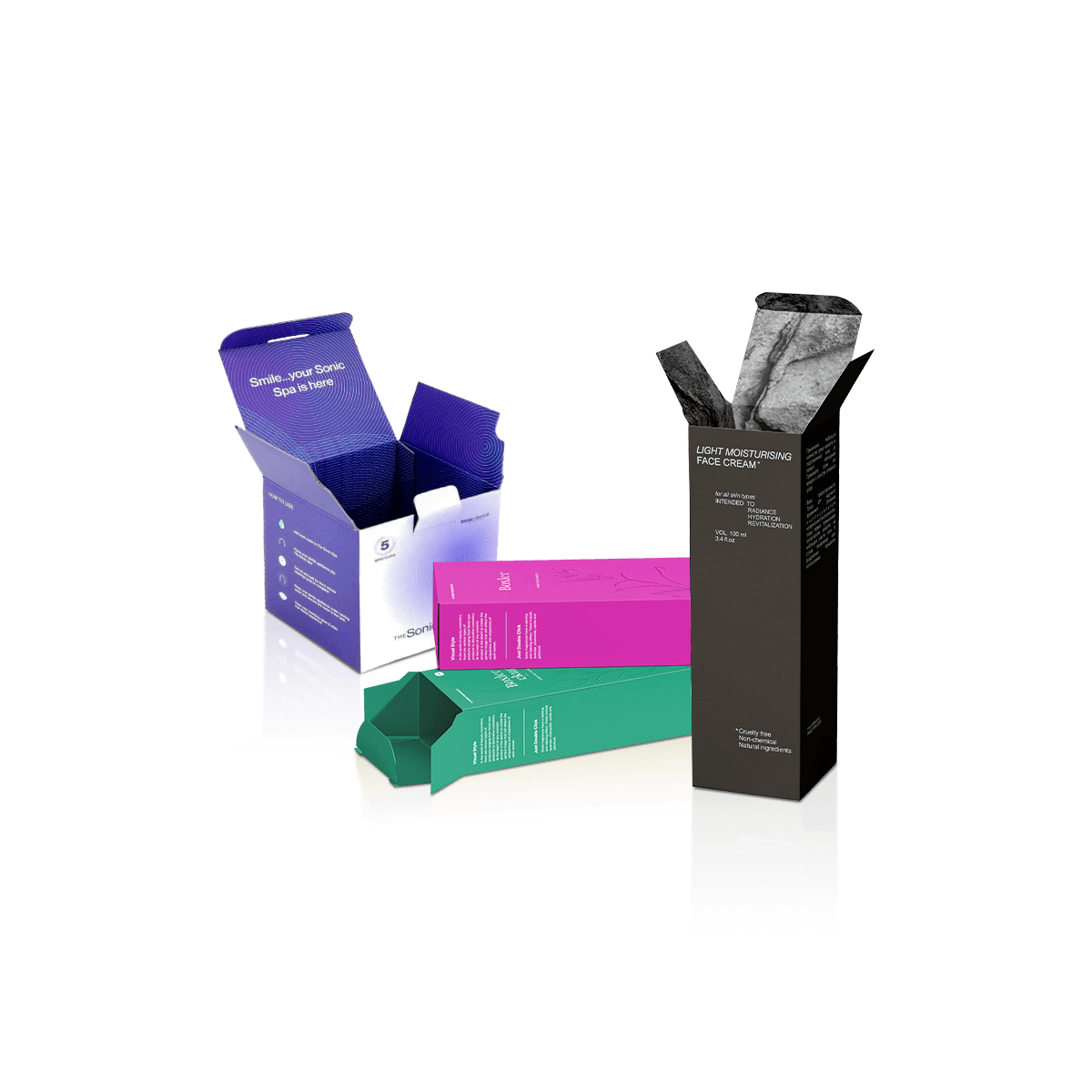
Smooth carton surfaces support detailed artwork, color blocks and cleaner product messaging.
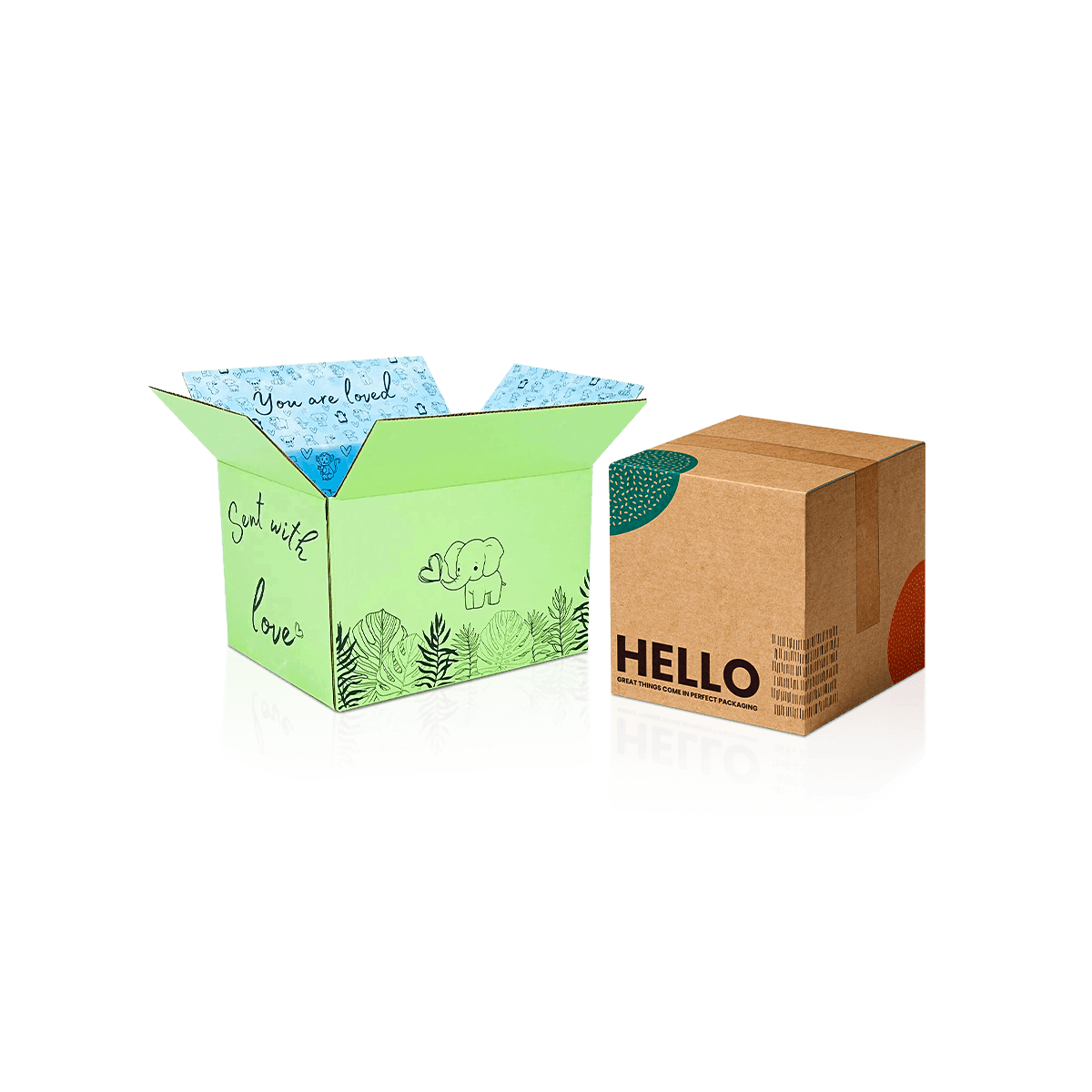
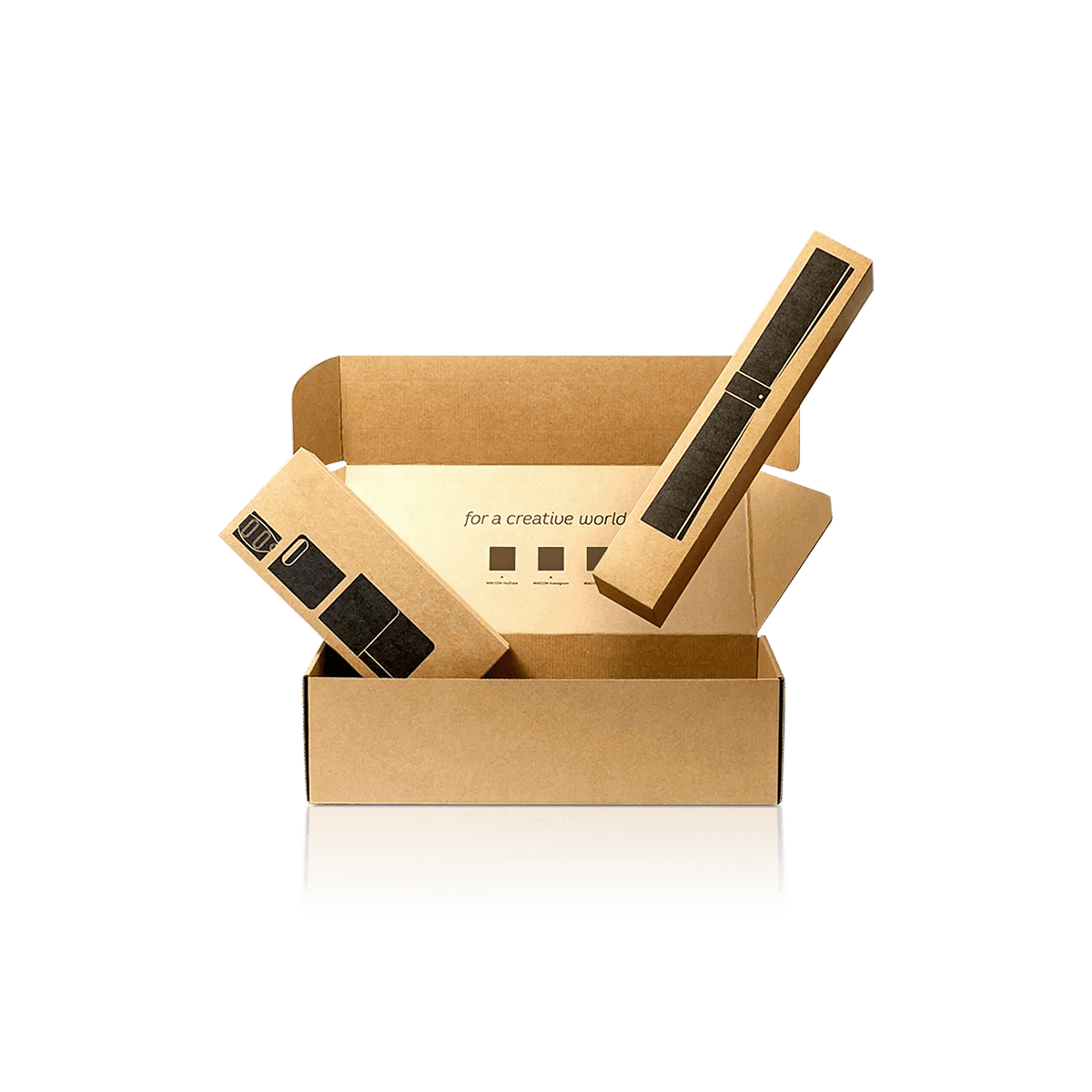
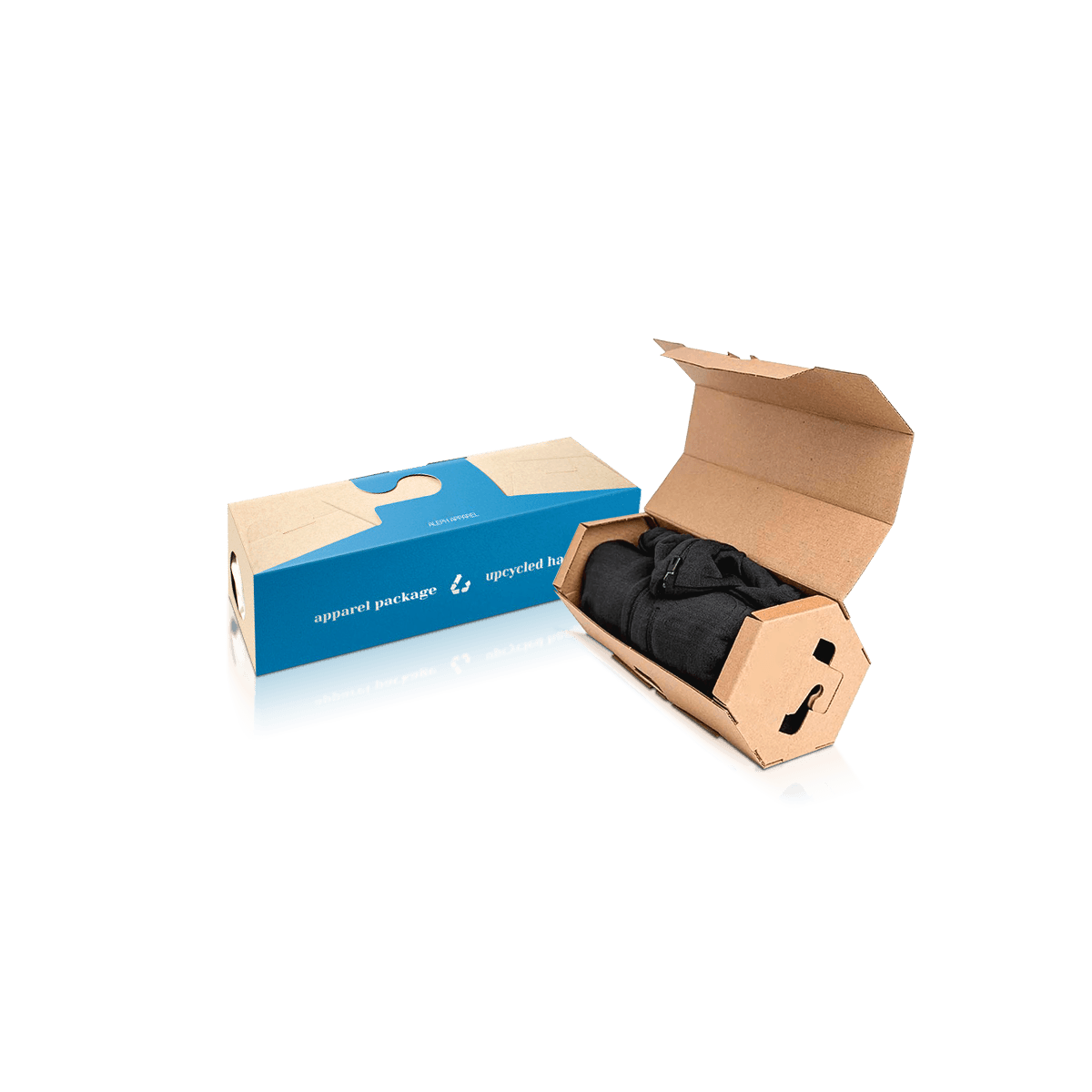
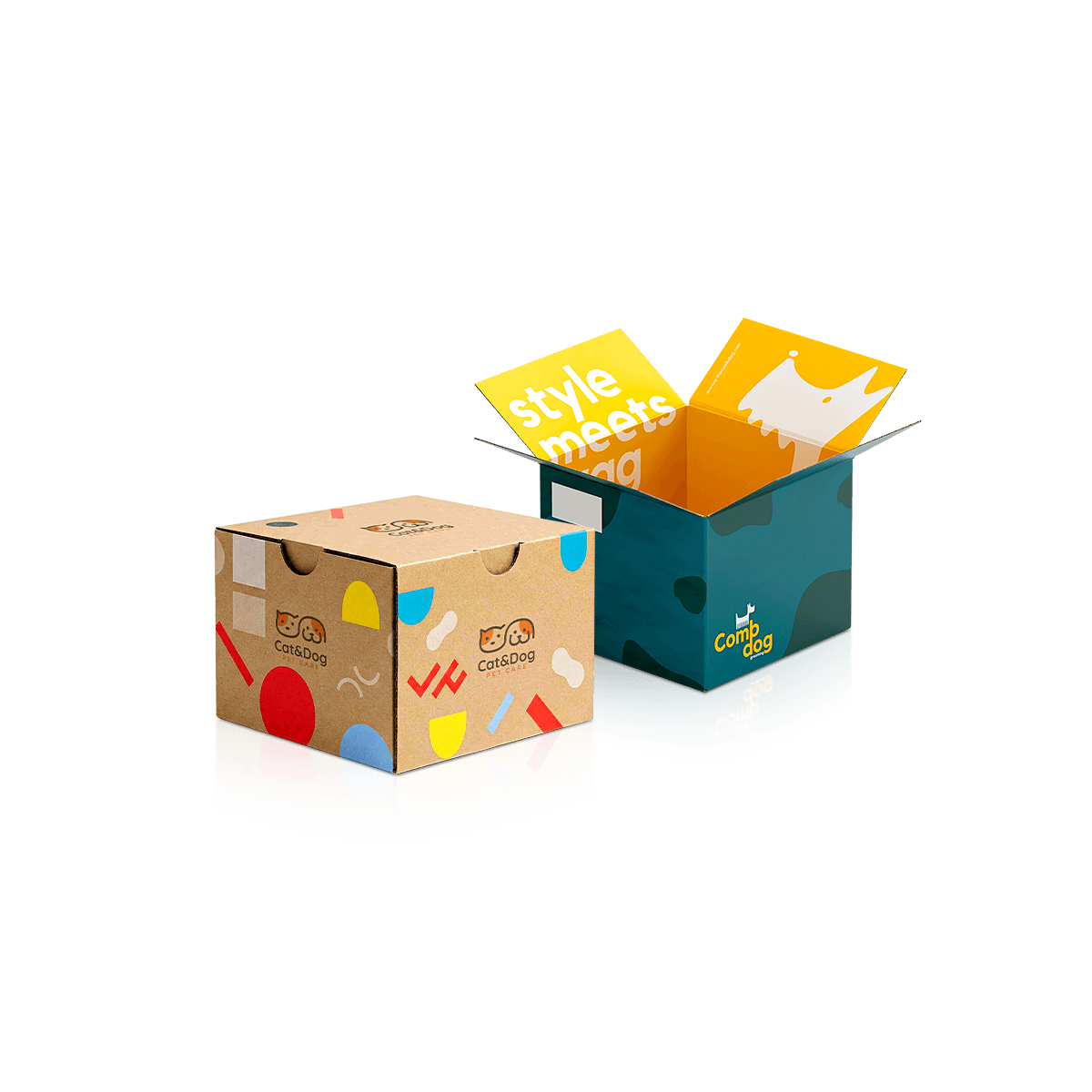
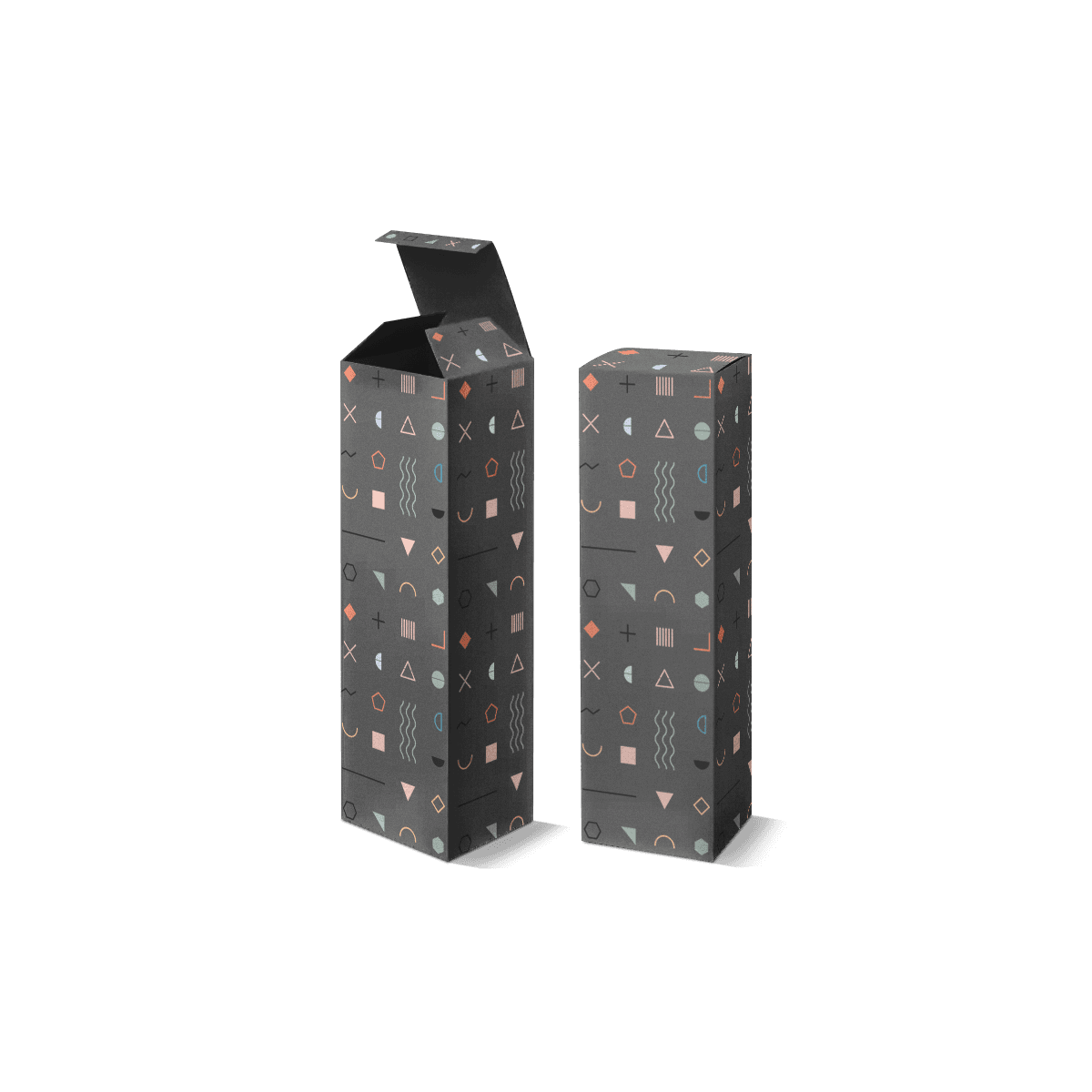
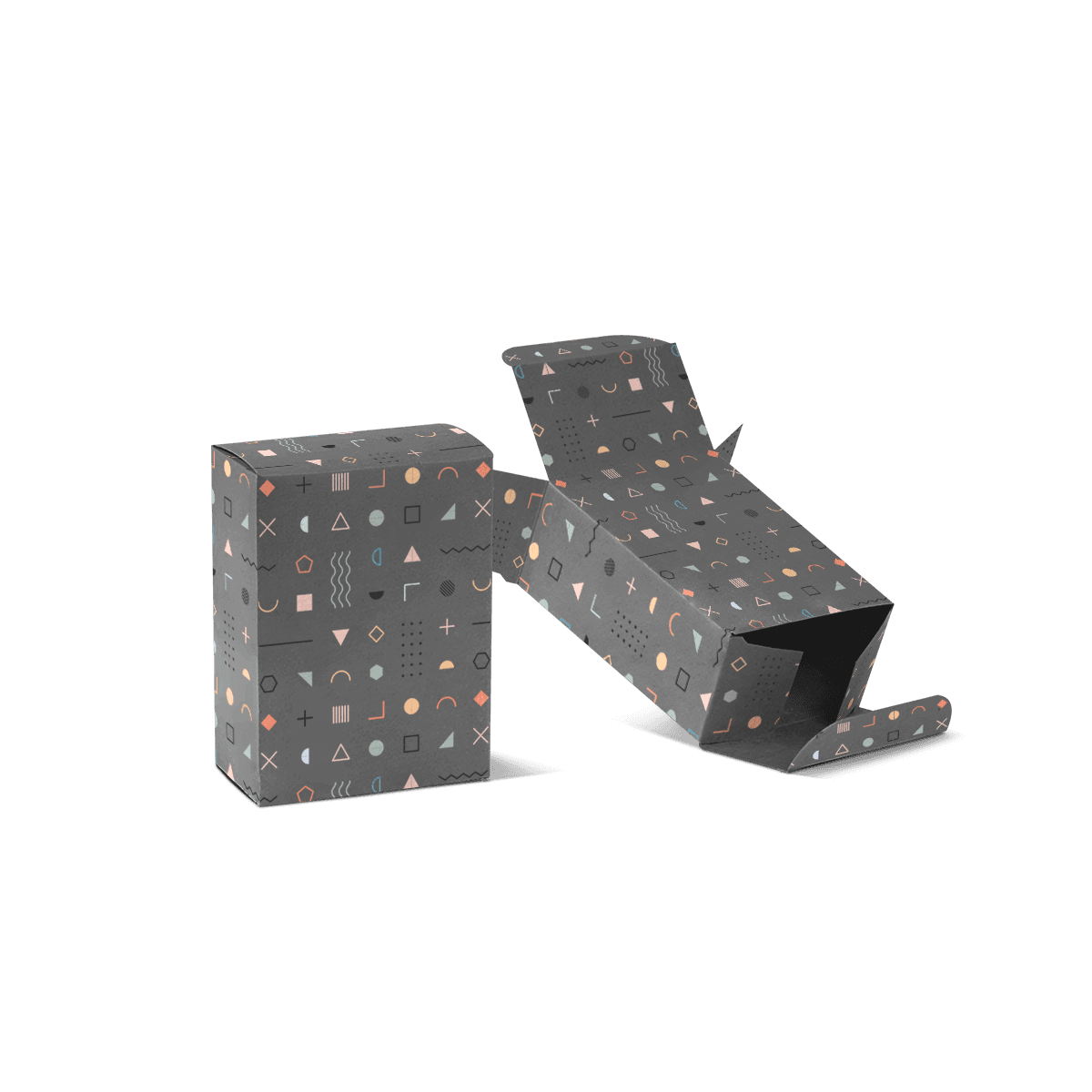
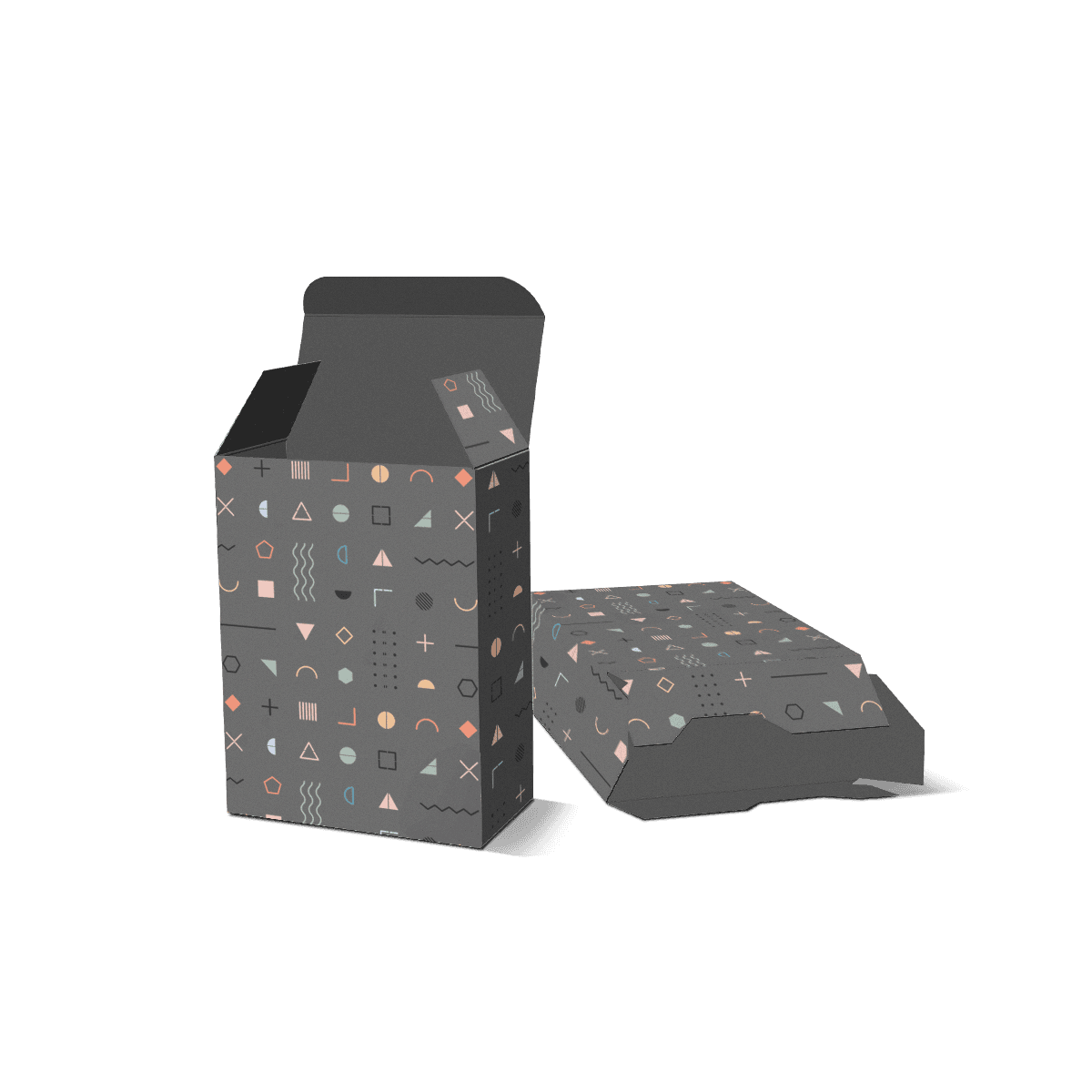
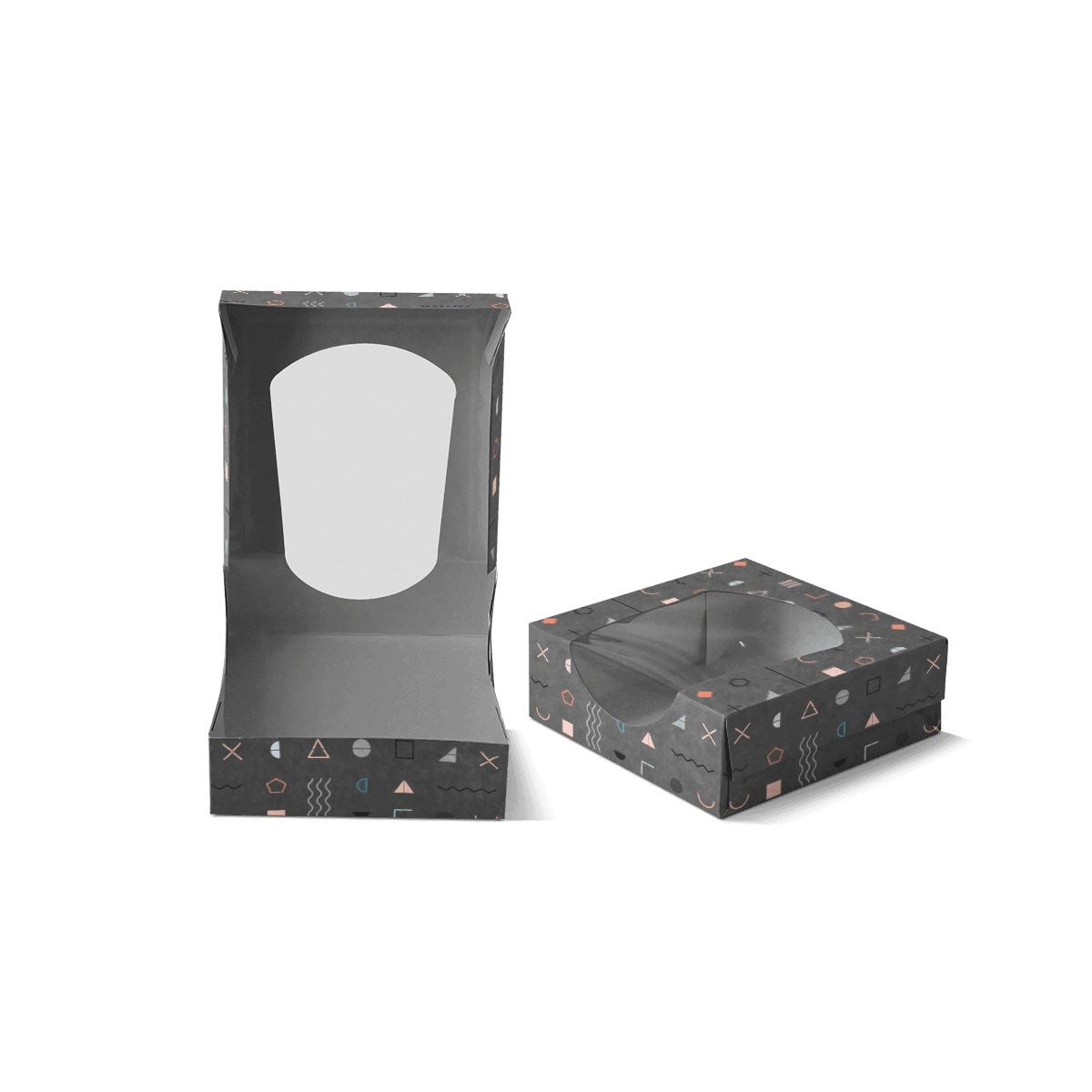
The main advantage of Folding Cartons is that they give brands a paperboard pack that looks polished without adding the bulk of corrugated shipping material. They are commonly used for light-to-medium products where front-panel branding, ingredient or instruction space, barcode placement and neat product fit all matter, which makes them useful across electronics, wellness, dry food and retail accessory packaging. Bespoke structure choices such as tuck closures, sleeves, windows and auto-bottom builds also make the format easier to match to the product rather than forcing one carton style onto every SKU.
Delivers sharper shelf-ready print than a basic shipper
Stores flat to save room before packing starts
Suits many lightweight and medium-weight retail SKUs
Leaves clear space for compliance, usage and variant details
Adapts well to windows, inserts and promotional add-ons
Smooth carton surfaces support detailed artwork, color blocks and cleaner product messaging.
Cartons arrive flat, which helps brands stage more units in less storage space.
Choose tuck, sleeve or bottom-lock formats based on fill speed and product weight.
Add visibility or product retention when the item needs display value or tidier placement.
Set dimensions around the SKU so the pack feels neater and less wasteful.
Supplement and vitamin products that need ingredient space and organized front-panel branding
Small electronics, cables and accessory kits sold in compact retail packs
Dry food, snack and bakery items where product info and shelf appearance both matter
Apparel accessories and soft goods packed for store display or gift-ready handoff
Sample kits and promotional assortments that benefit from flat storage before assembly
Simple steps from idea to delivery
Tell Us Your Specs
Provide size, quantity, printing, and finishes.
Get a Fast Quote

Instant transparent pricing, no hidden fees.
Design and Approval

Artwork checks, revisions, and final sign-off.
Produce

Expert manufacturing to meet deadlines.
Ship to Your Door

Hassle-free, flexible delivery options.
Share your product details, size, quantity and artwork needs. We’ll help choose the right packaging style and send a clear quote.