The Bottom Is Built Before Packing Starts
A Crash Lock Box shifts work away from the packing station.
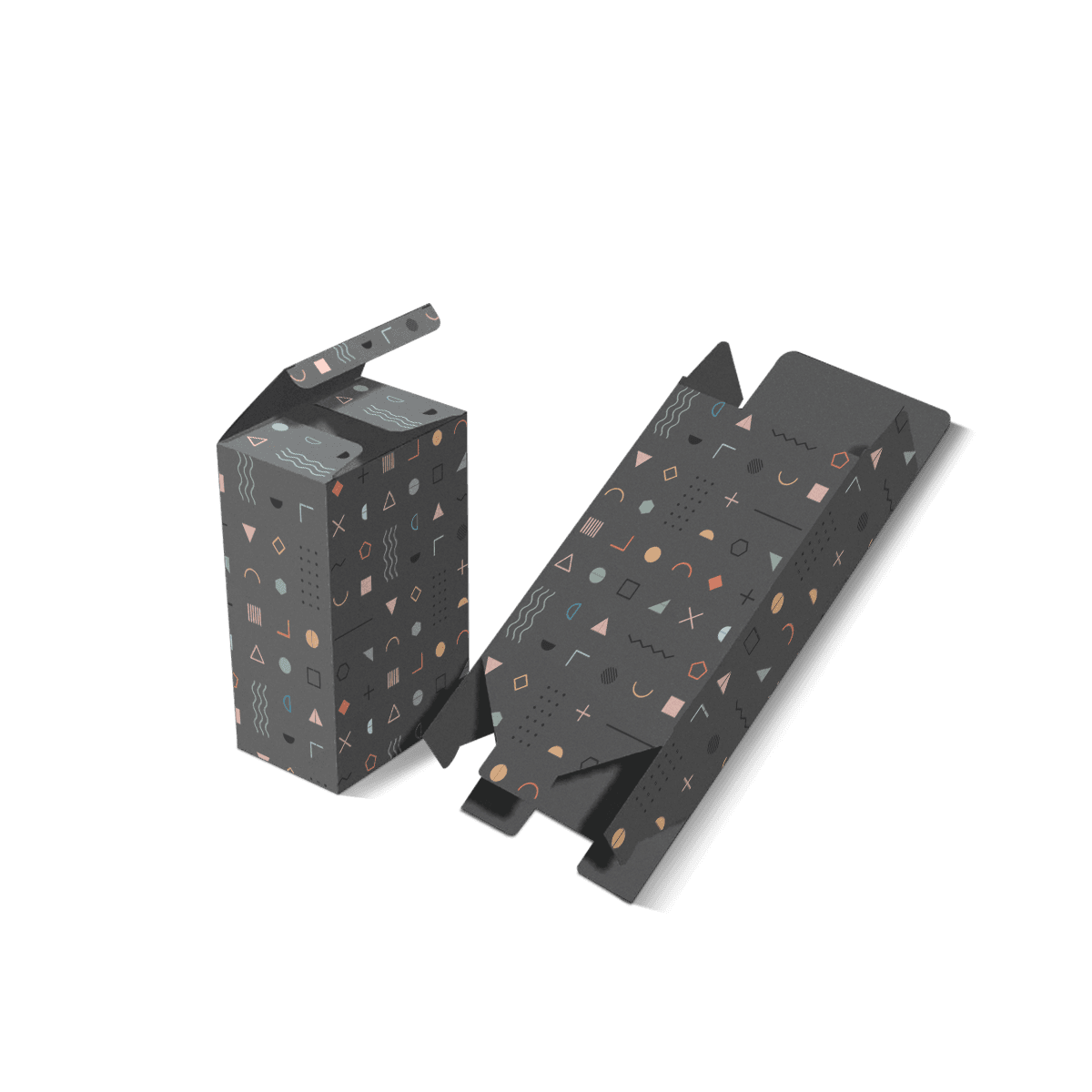
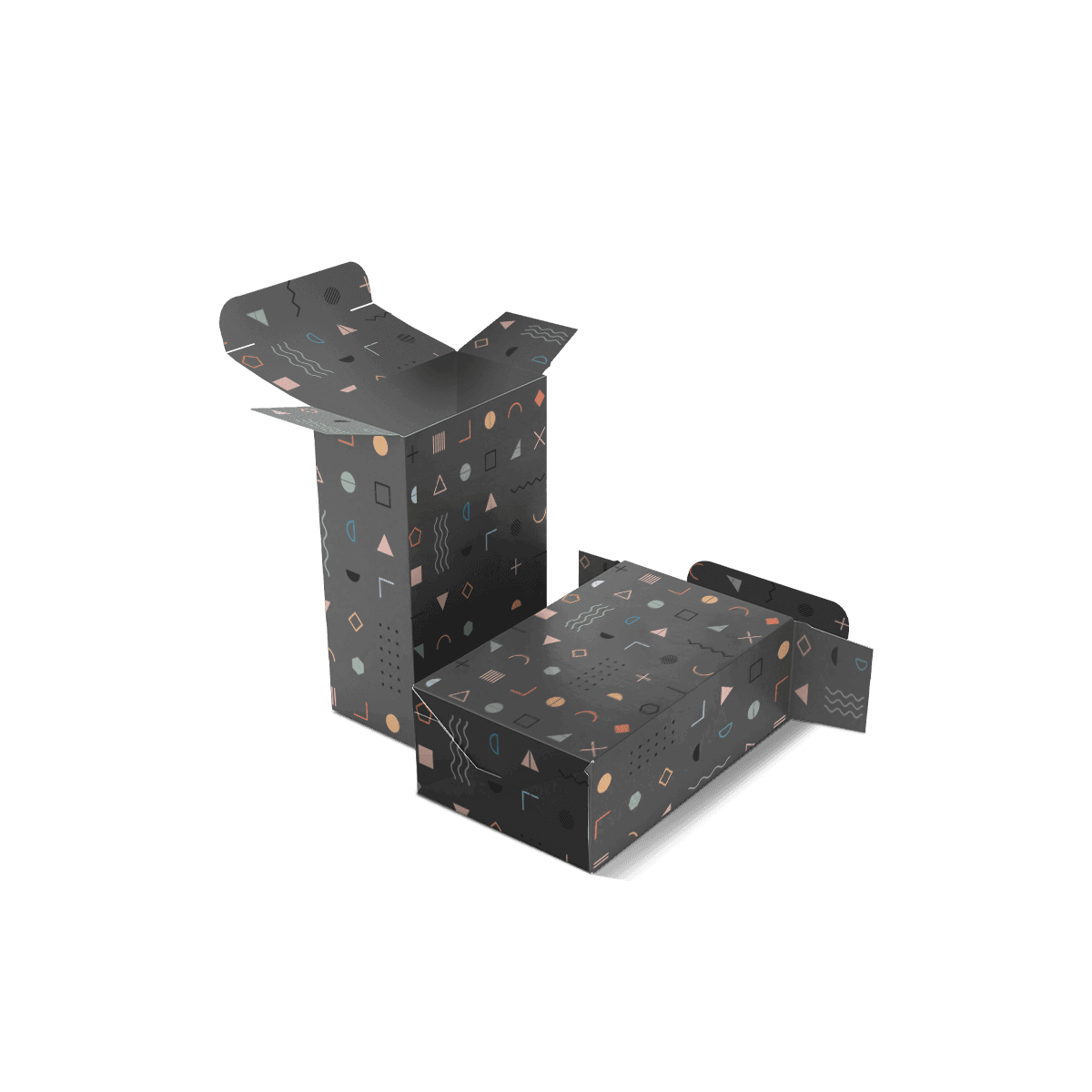
Its bottom panels are folded and glued during manufacturing. When the flat carton is opened into shape, those connected panels move into position and create the base without the packer manually closing several bottom flaps.
That one structural decision gives Custom Crash Lock Boxes their clearest e-commerce purpose.
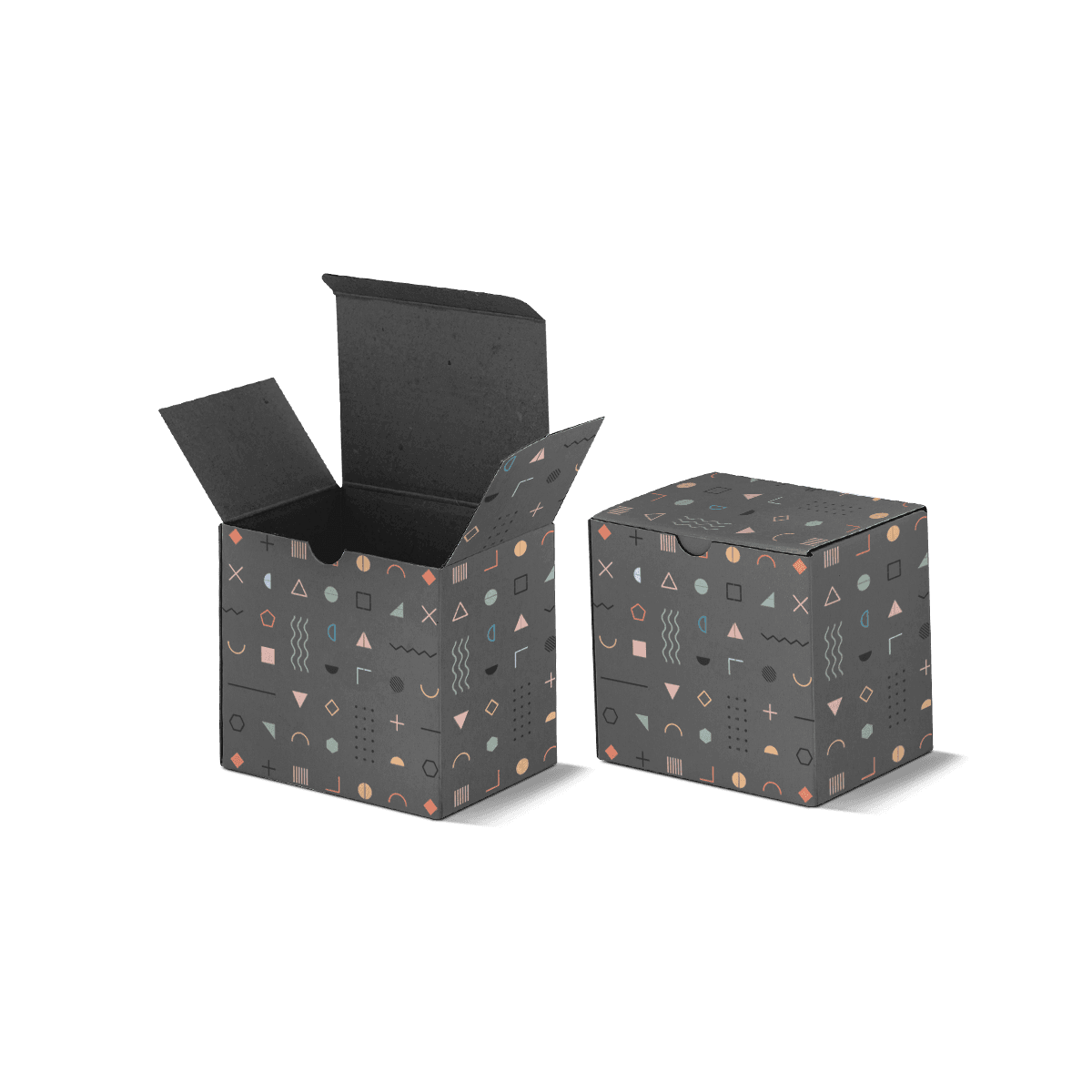
They suit products that are packed repeatedly, need more bottom support than a basic tuck carton and would otherwise consume unnecessary handling time every time another box is erected.
Across e-commerce retail packaging, that can include bottled products, jars, personal-care items, compact electronics, accessory kits and other moderate-weight SKUs.
The advantage becomes more valuable as order volume grows.
A box packed twenty times does not expose much difference between a quick base and a slow one. A carton packed hundreds or thousands of times turns the opening sequence into part of the operational cost.
Crash-lock construction tackles that repetition at the base.
Opening the Carton Finishes the Base
The box normally arrives flattened along its side seam.
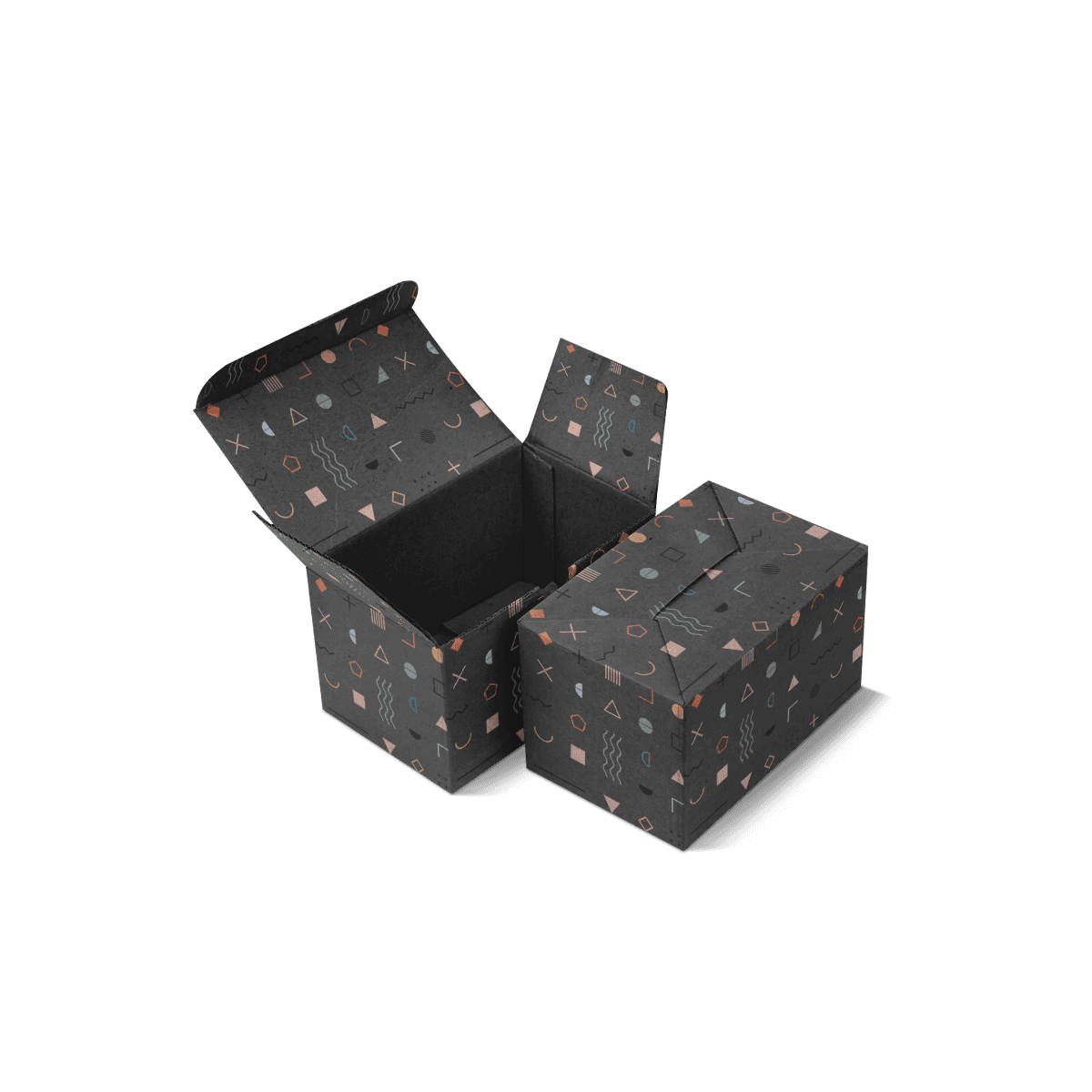
The packer presses opposite corners apart. As the carton squares up, the pre-glued bottom panels move with it and settle into their intended overlapping position.
There is still a physical setup action.
The difference is that the base does not have to be assembled panel by panel after the walls are standing.
That makes this structure fundamentally different from cartons where the bottom closure remains a manual packing task.