Skip to content
Details

Mailing Tubes

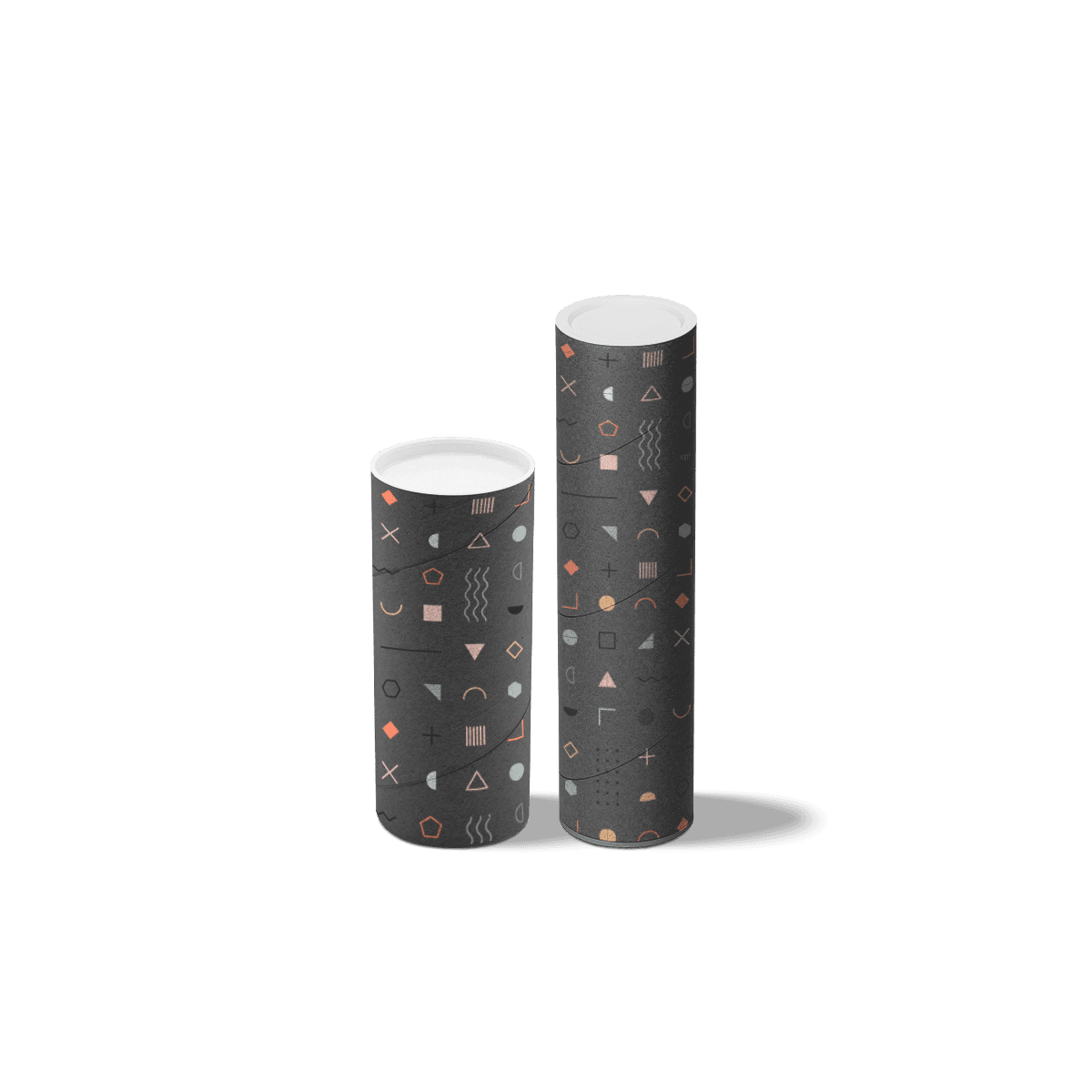
Utility-led cylindrical shippers for rolled prints and long documents, specified around safe rolling, cap retention and carrier handling.

Ship the Roll Without Creasing

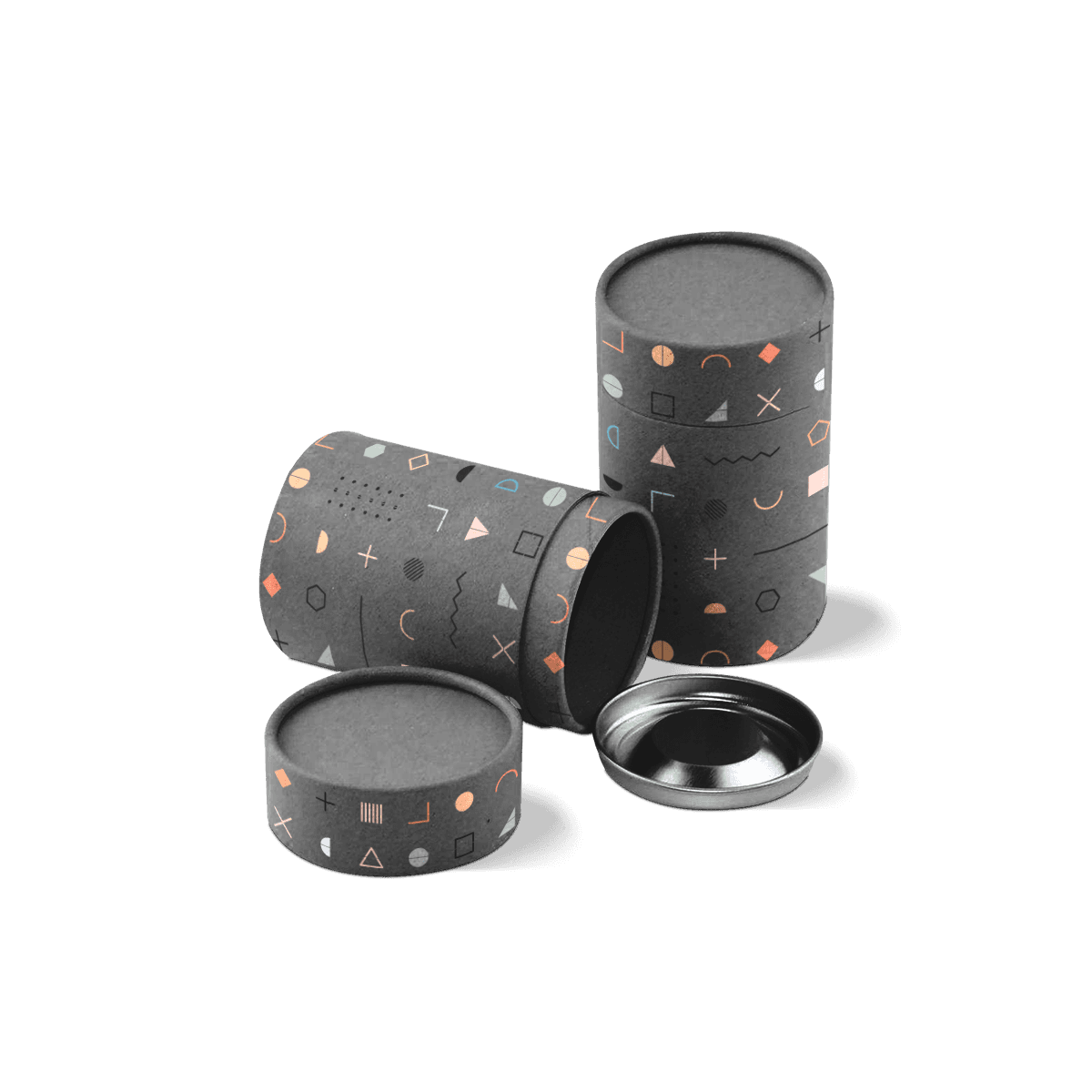
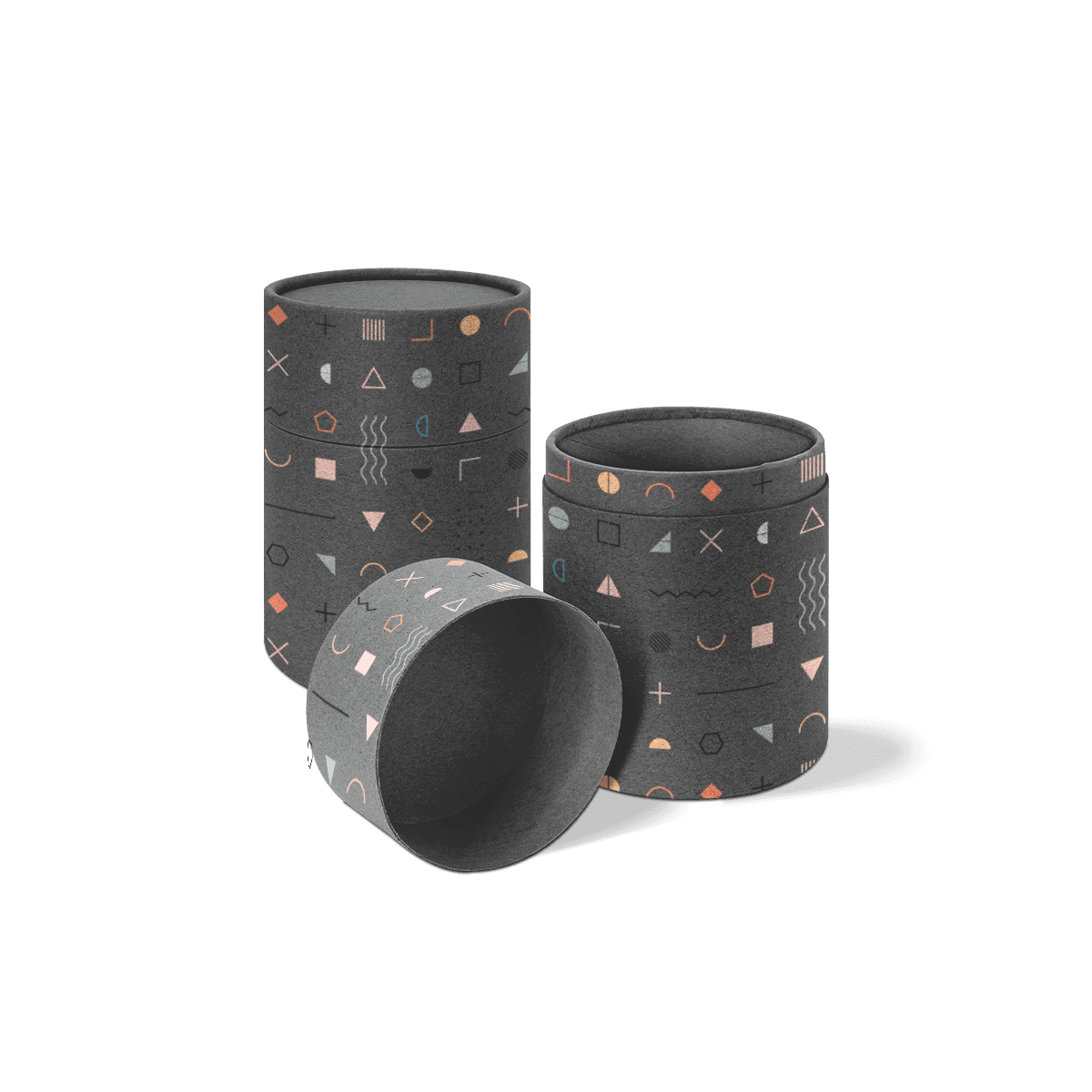
Mailing Tubes protect rolled prints, posters, plans and other long items that should not be folded for transit. Their cylindrical paperboard walls resist external pressure while fitted closures keep the contents enclosed.

The primary decision is the condition in which the item can safely travel. A tube may reduce empty packaging space, but it must not force an art print into an unsuitable rolling diameter.

This utility-led construction prioritizes the actual dispatch operation. Printed branding can be added, but the first requirements are safe fit, end-cap security, carrier-label readability and controlled product removal.

The Finished Roll

Measure the print after rolling it according to its paper and finish. The roll diameter depends on thickness, sheet count, protective wrapping and the minimum bend the material can tolerate.

Avoid pulling a delicate sheet tightly just to fit a smaller tube. The resulting damage may become visible only when the recipient unrolls it.

More Than One Print

Several sheets can form a larger bundle than one poster of the same flat dimensions. Interleaving or an appropriate protective sleeve may prevent the printed surfaces from rubbing.

Use a repeatable rolling method when the same print set is dispatched frequently.
Caps Must Remain Seated

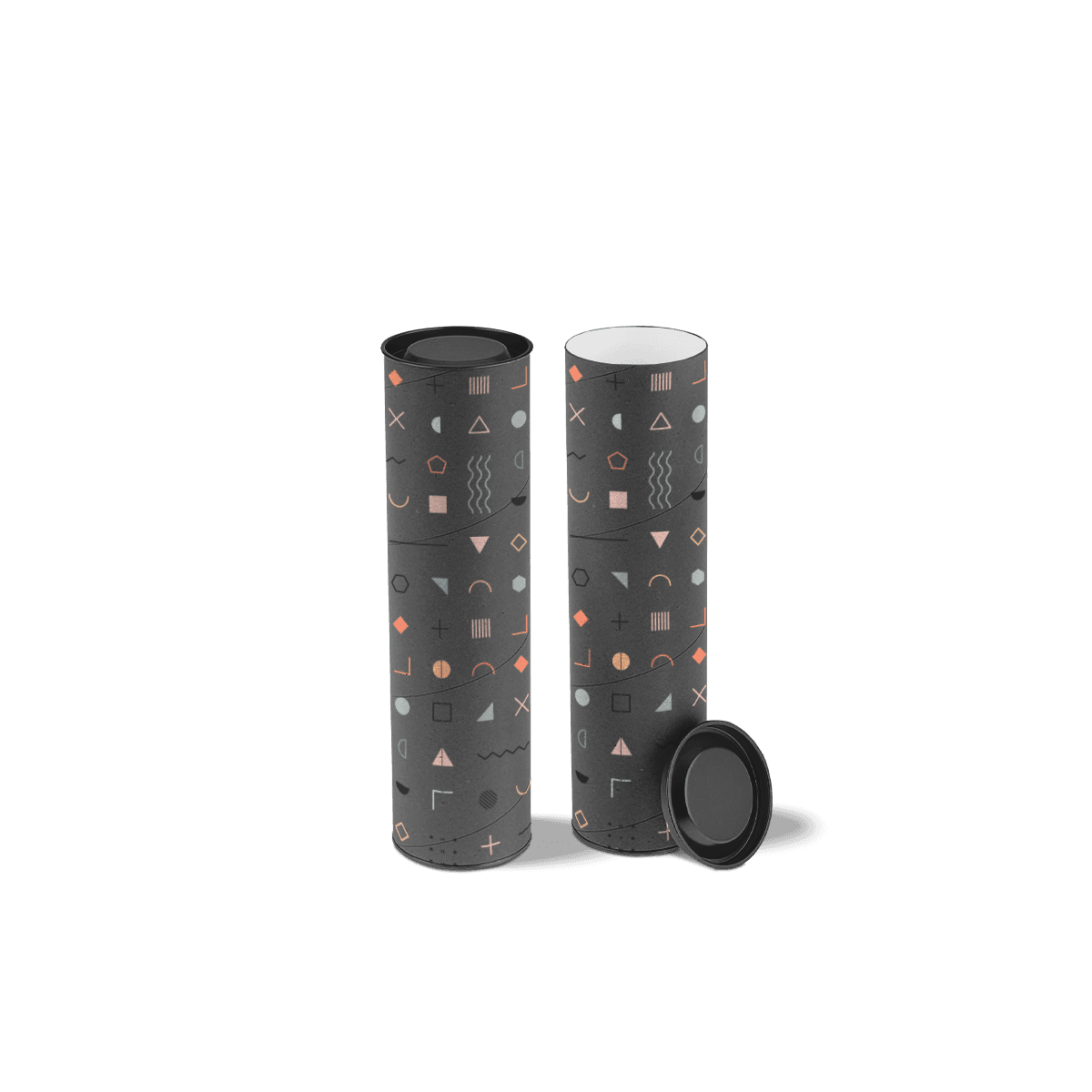
A strong tube wall cannot protect an item if an end plug comes out in transit. Closure retention depends on the finished opening and the chosen cap, not the nominal tube diameter alone.

Plastic Plugs

A fitted plastic plug can permit opening without destroying the tube. Its insertion resistance should be sufficient for the intended handling while still allowing the recipient to remove it.

A plug that is too tight may deform the opening. A loose plug can become dislodged when the contents move toward the end.

Other End Closures

Suitable metal or paperboard closing components can be considered according to load and the required opening method.

No closure material is universally stronger; evaluate the actual attachment, rim and product forces.

A Cap Under Impact

A long roll can slide toward an end when the parcel is tilted. An end pad or appropriately sized interior can reduce that movement.

Test an unfamiliar filled tube and closure combination against the intended handling conditions rather than judging an empty sample.

Usable Length Is the Measurement

The tube's nominal length may exceed its usable internal length. Internal plugs, padding and protective wraps take up space.

Measure the complete packed product and account for both closures before confirming the finished specification.

Internal Diameter

The opening should let the rolled bundle enter and leave without force. Excessive free space may allow the roll to expand and catch against the wall.

The cardboard tube sizing method addresses the finished product and closure-occupied space.

Outside Diameter

Wall thickness increases the finished outside diameter. The actual exterior dimensions, including any projecting caps, affect the parcel size.

When ordering several lengths with one diameter, confirm the same plug fits each finished opening.

The Roll May Expand

The diameter measured while a print is held tightly is not always the diameter it occupies after release. Heavy paper and laminated graphics may exert outward pressure against the tube wall. A tube that accepts the bundle during packing can therefore be difficult for the recipient to empty.

Springback After Insertion

A rolled poster can expand until its outer edge meets the interior wall. If the edge catches against the opening, pulling it may cause creasing or tearing. The tube should accommodate the intended relaxed or sleeved condition, not only the roll while a packer holds it.

Protective Sleeve Behavior

A suitable sleeve can maintain the roll's shape and separate its printed surface from the tube interior. The sleeve must also be easy to withdraw. A protective layer fitted too tightly can create the same extraction problem as an uncovered roll.

A Representative Removal Check

For an unfamiliar paper or coating, prepare the full bundle and remove it after it has rested inside the tube. This can reveal interference that does not appear during immediate insertion. Check both the outer sheet and any interleaving or wrapping.

Avoid Excessive Clearance

Increasing the diameter is not automatically the best correction. A much larger cavity may allow the roll to expand unpredictably or move during transit. Revise the diameter and restraint together so the finished contents remain protected but can still be extracted.

The Wall Has Several Loads

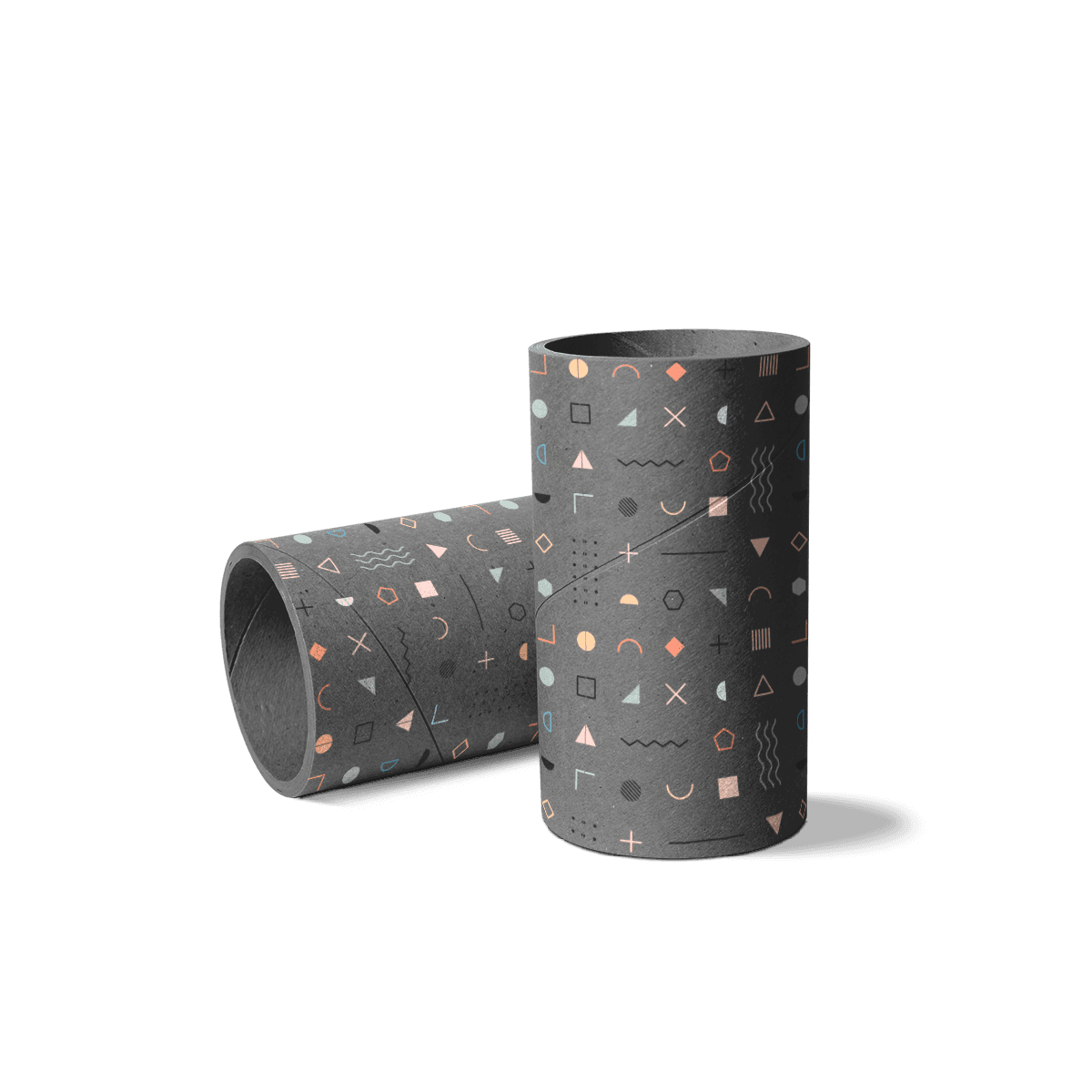
Many mailing tubes use spiral-wound paperboard layers bonded into a rigid cylindrical wall. Suitable alternative constructions can be considered according to the actual product and shipping requirements.

Wall thickness alone does not determine performance.

Side Compression

Another parcel may press against the sidewall. The tube must resist enough deformation to maintain clearance around the product.

A heavier wall may be appropriate for selected loads, but the material and diameter must be considered together.

Longitudinal Bending

An unusually long tube can bend when it is supported near its ends. This is a separate requirement from resistance to pressure across the diameter.

For denser or more demanding applications, Heavy-Walled Tubes may warrant evaluation.

Moisture Exposure

Ordinary paperboard should not be described as waterproof. Moisture-sensitive contents may require a suitable inner barrier and an appropriate closure arrangement.

Protective coating claims must be verified for the actual materials.

Dispatch Labels on a Cylinder

A round parcel has no broad flat panel. Carrier labels must be positioned so their barcodes remain readable and their edges stay attached.

The completed package may also roll on a workbench or conveyor.

Barcode Position

Avoid wrapping critical barcode elements too far around a narrow diameter. The intended carrier's labeling and scanning requirements govern the final placement.

Keep labels clear of cap-removal features and seams that create an uneven surface.

Carrier Requirements

Confirm that the carrier accepts the proposed cylindrical parcel and check its size, weight and handling rules. A tube should not be assumed to have the same fees or handling as a rectangular box.

An outer rectangular case may be necessary for a particular service or shipment.

A Simple Print Treatment

A utility mailing tube can carry an identification mark or modest logo without sacrificing label space. Where print is the main commercial requirement, Custom Mailing Tubes address a branded dispatch program using the same general tube structure.

Caps and Tubes at Dispatch

A dispatch station may handle several tube lengths and diameters. Matching the correct closure to every body is an operational requirement, particularly when the caps arrive in separate cartons. A shipment can be delayed when tube bodies and corresponding plugs are not available in the same quantities.

Matched Component Storage

Identify each finished opening diameter and corresponding cap clearly. Two plugs that look alike can have different retention because the actual tube openings differ. If several lengths share a verified internal diameter and rim specification, one common closure may simplify inventory.

A Repeatable Label Position

Establish where employees apply carrier labels and internal product identifiers. A consistent position can reduce unnecessary rotation or repeated repositioning during dispatch. The selected placement must still satisfy the carrier's barcode, adhesive and handling requirements.

Several Roll Lengths

Organize tubes according to the actual product mix instead of assuming that one long tube suits every shipment. Excess internal length can allow a shorter roll to strike the end caps, while an undersized body may compress the finished bundle.

Ordering and Replenishment

Rigid cylindrical packaging consumes storage space even when empty. Caps require their own component counts, so the reorder point should account for complete tube-and-closure sets. For appropriate larger repeat programs, warehousing and scheduled deliveries can reduce the amount held at the dispatch site.

The Product Determines the Format

Architectural plans, posters and event graphics have different materials, roll diameters and handling needs.

For valuable or conservation-sensitive art, ordinary kraft paperboard does not automatically satisfy archival storage requirements. Confirm any required acid-free materials separately.

Plans and Drawings

Several documents may need a protective sleeve that holds the bundle together. Establish the rolling orientation from the actual sheet size.

A tube that is longer than necessary can let the roll strike the plugs.

Promotional Graphics

Laminated displays and printed banners may have a minimum suitable rolling diameter. Confirm the material's bend tolerance before selecting a tube.

Surface protection may be needed to keep the printed face from contacting the inner wall.

Parts That Cannot Roll

Some narrow components fit a tube but require substantial internal supports. A dense item may strike the ends and call for a different wall or closure specification.

For an item that must remain flat, Literature Mailers can avoid rolling entirely.

Packing and Recipient Removal

The tube must protect the item during transit and release it without damage after opening. These two requirements can conflict if the roll is packed too tightly.

A Protective Sleeve

A suitable sleeve can reduce surface abrasion and give the recipient a controlled way to withdraw the bundle.

Do not use an insert that compresses a delicate print simply to eliminate every bit of free space.

Rolled-Edge Clearance

Leave enough room between the rolled edges and end closures to avoid compression. Excessive unused length should also be controlled through appropriate tube sizing or restraint.

The packaging testing process can inform physical checks when the closure or product fit has not previously been qualified.

Order a Dispatch Specification

State the packed roll diameter, usable length, wall, cap type, expected parcel weight and carrier requirements.

Custom Packly's USA MOQ starts from 100 packaging units; the actual minimum for the selected tube configuration should be confirmed. Free design support, US production and free shipping are included. Standard turnaround is 4–6 days after final approval, subject to longer periods for complex constructions.

Free samples of previous work may help with material choice. Fully custom physical samples may be paid.

For the confirmed shipment, request a custom quote using the product, closures and intended order quantity.

The finished tube should keep the roll intact during dispatch and allow it to be removed without forcing the paper against its edges.

FAQs

Rolled documents, posters, training charts, engineering plans, banners, and narrow parts usually travel better in Mailing Tubes because the shape matches the product more naturally.

Yes. They are useful for direct-to-customer orders, internal document dispatch, trade shipments, and recurring business fulfillment where packing speed matters.

Choose Mailing Tubes when the main need is shipment, storage, and transit practicality. Cardboard Paper Tubes are often the better fit when the pack also needs to feel more presentation-ready for retail or gifting.

That is a common requirement. A customizable outer surface can carry logos, simple graphics, route details, or handling instructions while keeping the structure utility-led.

No. Many document shipments do not need them, but inserts help when the contents are fragile, multi-part, or likely to shift during transit.

Process

How it works

Your Packaging Journey, From Idea to Production and Delivery

01

Tell Us Your Specs

Custom packaging boxes

Tell Us Your Specs

Provide size, quantity, printing, and finishes.

02

Get a Fast Quote

Custom packaging boxes

Get a Fast Quote

Instant transparent pricing, no hidden fees.

03

Design and Approval

Custom packaging boxes

Design and Approval

Artwork checks, revisions, and final sign-off.

04

Produce

Custom packaging boxes

Produce

Expert manufacturing to meet deadlines.

05

Ship to Your Door

Custom packaging boxes

Ship to Your Door

Hassle-free, flexible delivery options.

Get Your Quote for Mailing Tubes

Share your product details, size, quantity and artwork needs. We’ll help choose the right packaging style and send a clear quote.