Skip to content
Details

Custom Automatic Bottom Boxes

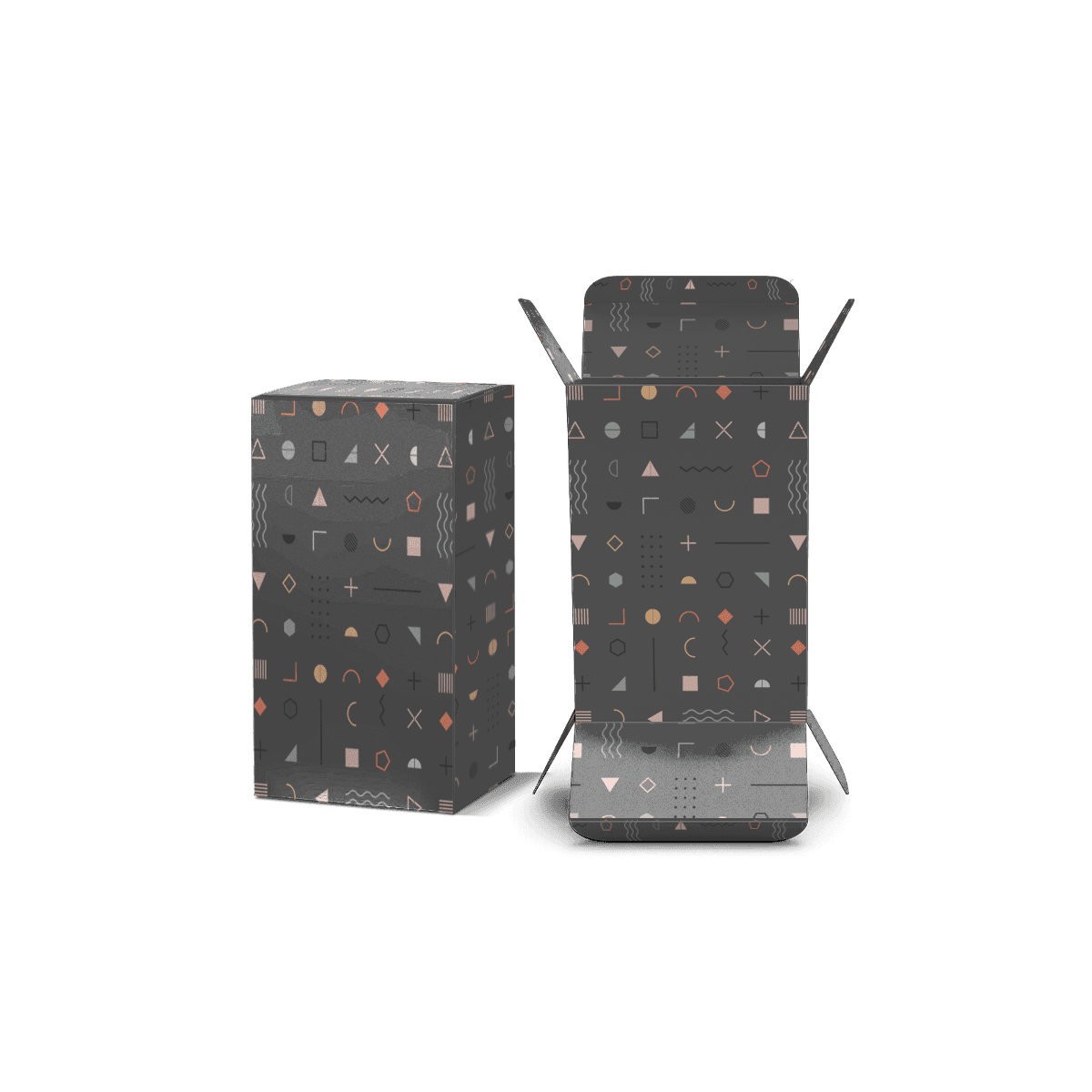
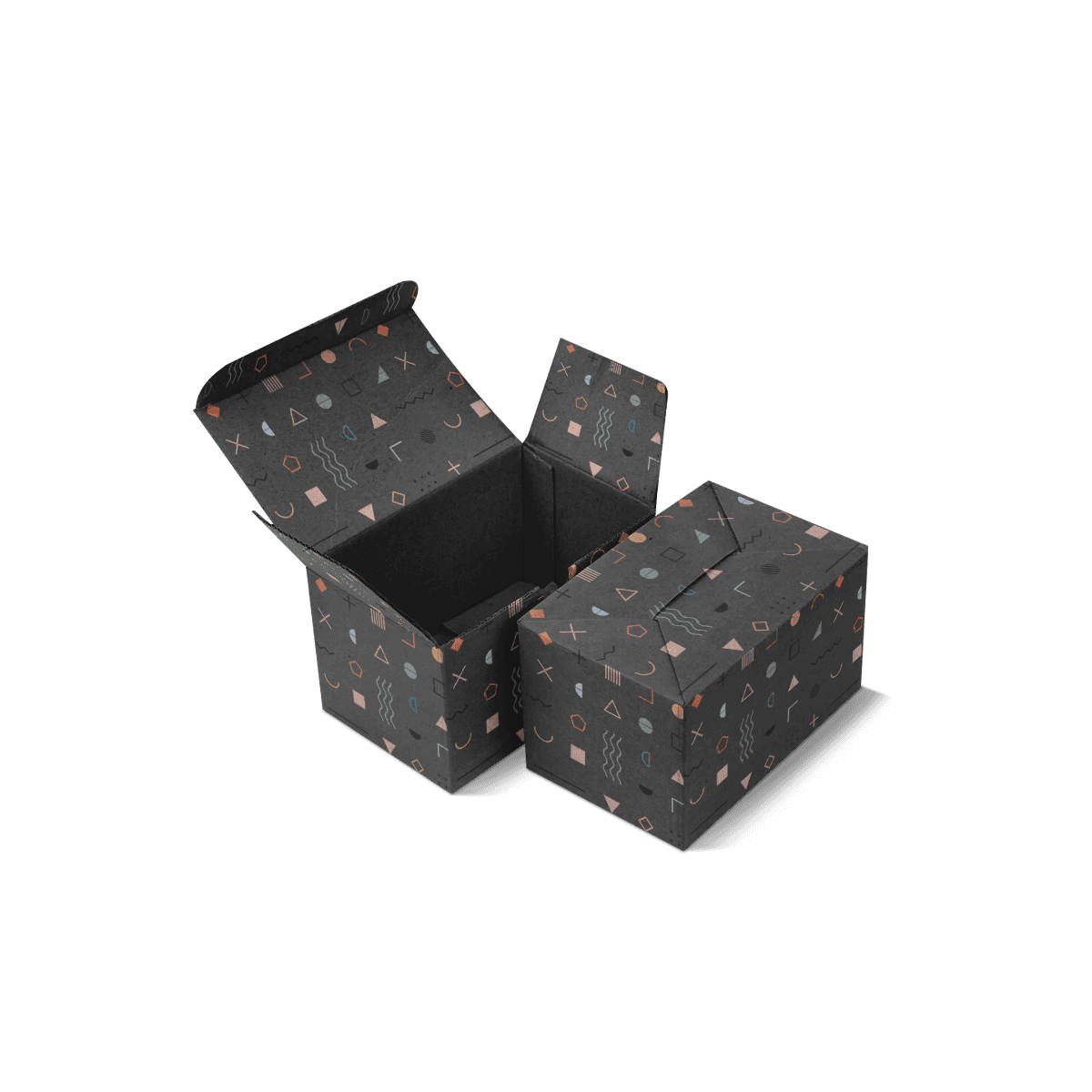
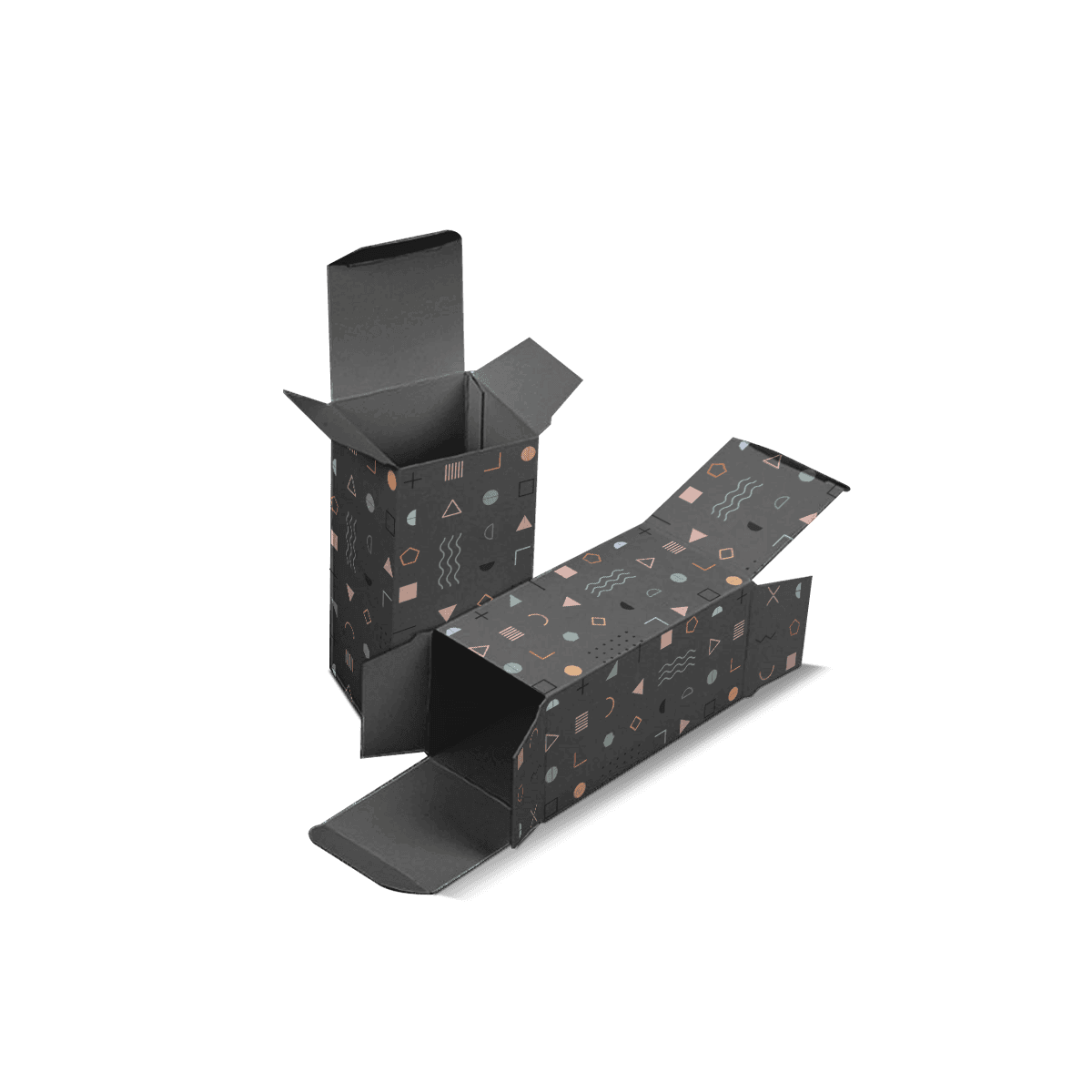
Pre-glued crash-lock cartons specified for equipment-fed erection, consistent carton handling and coordinated filling operations.

The Carton Must Feed First

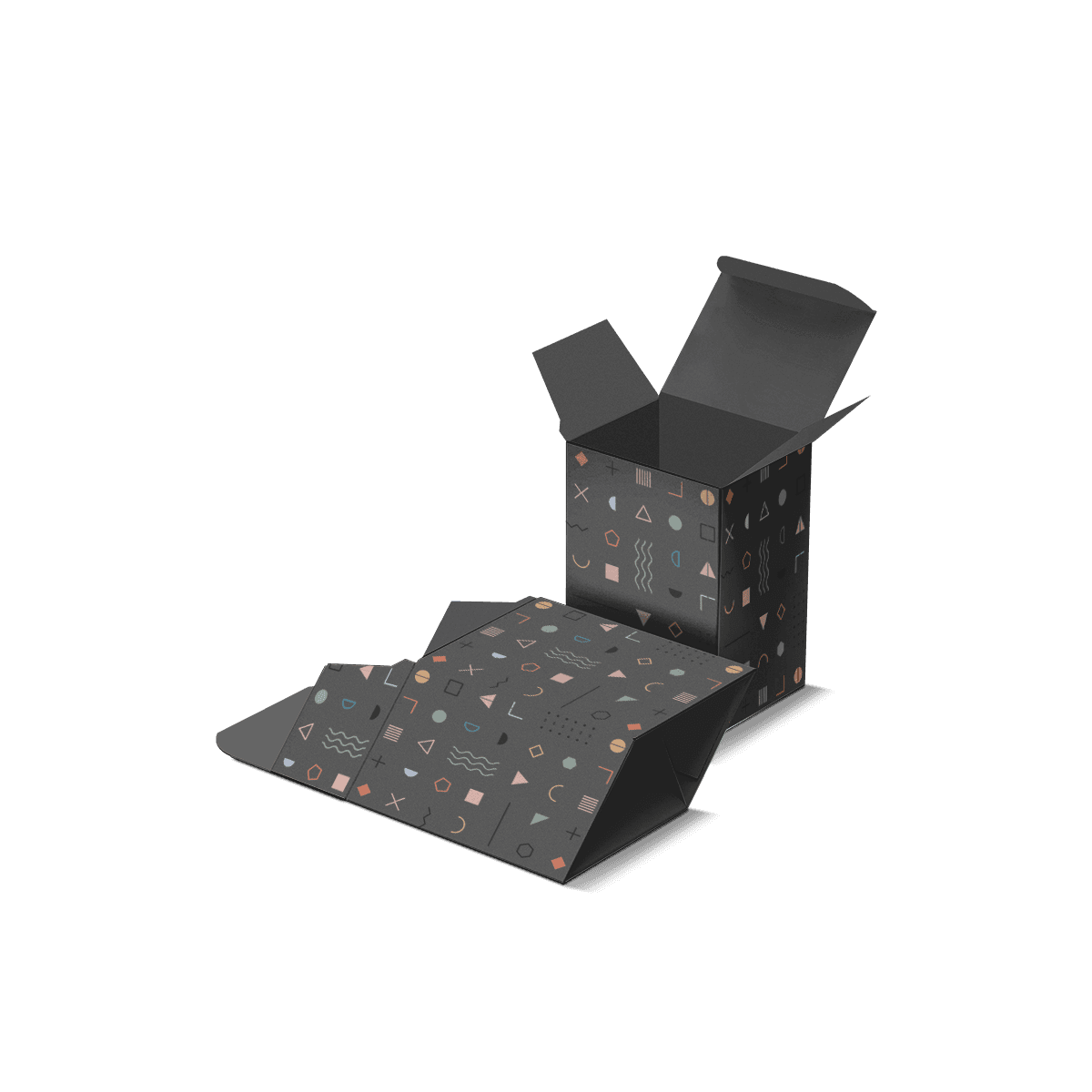
Custom Automatic Bottom Boxes use a pre-glued crash-lock base that forms as the carton is erected. For an equipment-fed operation, the first decision is whether the flattened carton can be separated, opened and transferred by the actual machinery.

Automatic describes the bottom mechanism, not automatic compatibility with any cartoner. The structure is physically the same crash-lock arrangement commonly called an auto-lock bottom. What changes here is the production workflow: the carton must work with a specific feeding and filling process.

A box that opens readily by hand may still jam in a magazine or resist a machine's opening movement. The equipment specification should therefore shape the approved blank before an order is placed.

Magazine Presentation

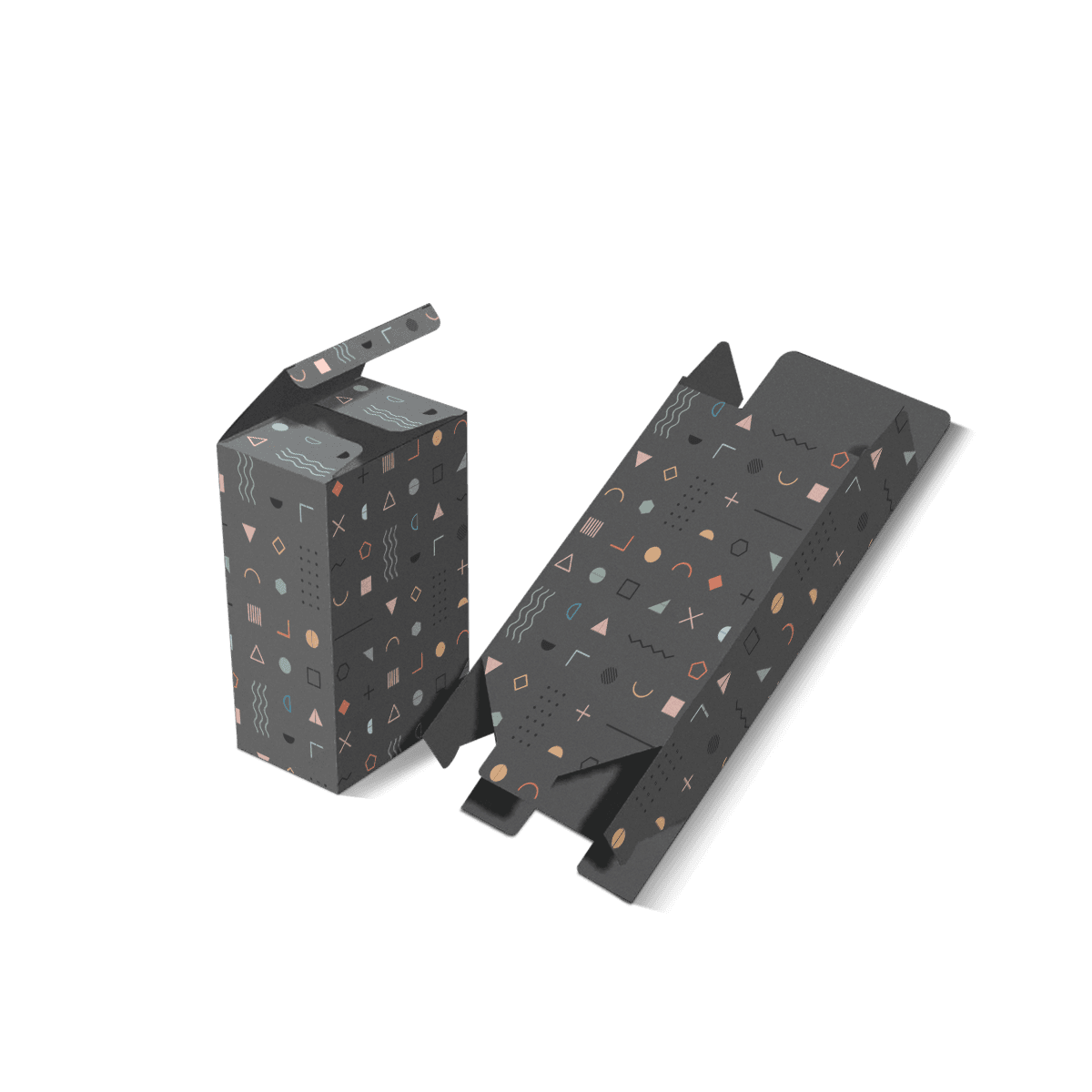
The flattened blank has multiple folded layers at the bottom. Their thickness and position affect stack height and the way a feeder separates individual cartons.

Confirm the manufacturer's permitted dimensions, material caliper, orientation and magazine requirements. A change in board or bottom geometry can alter the feeding behavior even when the erected carton dimensions remain unchanged.

Opening Direction

A cartoner may apply suction or mechanical pressure to particular panels. The bottom must form as the body opens through the equipment's actual movement.

Do not assume that an operator's hand-erection demonstration establishes reliable machine performance. Compare the intended blank against equipment drawings or run a relevant physical trial where necessary.
Erection Is Only One Station

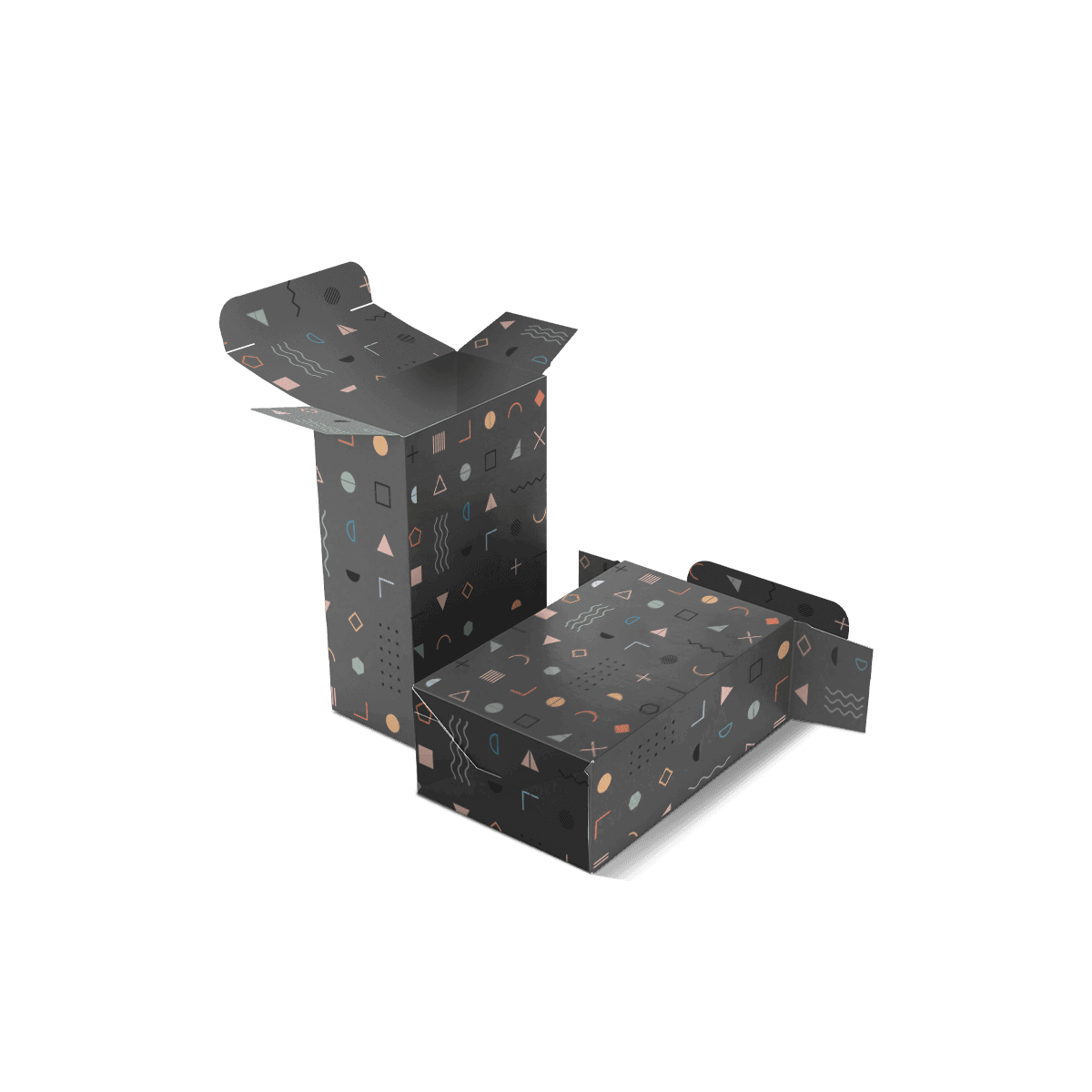
The packed product must move through erection, filling, closing and discharge in a coordinated sequence. An automatic bottom can save manual labor without solving product insertion or top-closing delays.

Establish the actual operating sequence before choosing dimensions and upper flaps.

A Square Transfer

The carton should reach the filling position with its base seated and sidewalls square. A partially erected body can interfere with mechanical guides, make loading inaccurate or leave insufficient room for the contents.

The equipment must have enough clearance for the finished carton and any bottom-panel movement during opening.

Filling Direction

Some lines insert products vertically; others use a different orientation. A bottle, wrapped kit or compact accessory assortment may require separate handling even when the same outer carton shape is possible.

A product entering from the top needs clearance around its largest feature. Raised caps, pump heads and instruction leaflets can obstruct the opening.

Top-Closing Method

The automatic bottom does not establish the upper closure. A tuck top and adhesive-sealed top require different closing arrangements.

Confirm the equipment can handle the proposed upper flaps and that the product remains clear of the closing path. The closure should be selected as part of the full line, not as an isolated artwork decision.

What Creates a Line Reject

A carton can be accurately printed and correctly glued yet still fail to reach the filling station. Feeding, opening, transfer and product insertion create separate opportunities for misalignment.

Identify the stage responsible for an interruption rather than treating every rejected box as a bottom-strength problem.

Double Feeding

Two blanks may be picked up together when stack behavior, surface friction or equipment settings are unsuitable.

The folded bottom layers affect the flat stack. Confirm the actual feed arrangement before changing carton material or dimensions.

Incomplete Erection

A machine may fail to square the body completely. The base can then remain partly folded when it reaches a guide or transfer point.

Review opening direction, suction contact and crease resistance. Increasing board stiffness can make erection harder rather than correct it.

Product Interference

A product may catch on a dust flap or insert during loading. That is a clearance or orientation problem even if the resulting stoppage is recorded as a carton reject.

Record where the interruption happens and assess the complete loading movement.

Board Changes Machine Behavior

Paperboard stiffness affects carton opening, crease return and the resistance experienced by feeding equipment. Material selection must balance load support, printing and the movement required by the line.

A board that seems sturdier when assembled may resist erection or produce more variation at higher operating speeds.

Caliper and Creases

SBS can support sharp retail graphics and detailed text. Kraft and other suitable folding stocks may be used when their stiffness and printing surfaces suit the project.

Changing caliper can require changes to creasing and glue contact. The blank should be developed for the material actually ordered.

Lightweight corrugated board can be considered for an approved construction, but its flute changes the flattened thickness and folding characteristics. Confirm that the chosen equipment can process it.

Glue and Coatings

The pre-glued bottom relies on compatible adhesive contact areas. Coatings, lamination and ink must not compromise the intended bond.

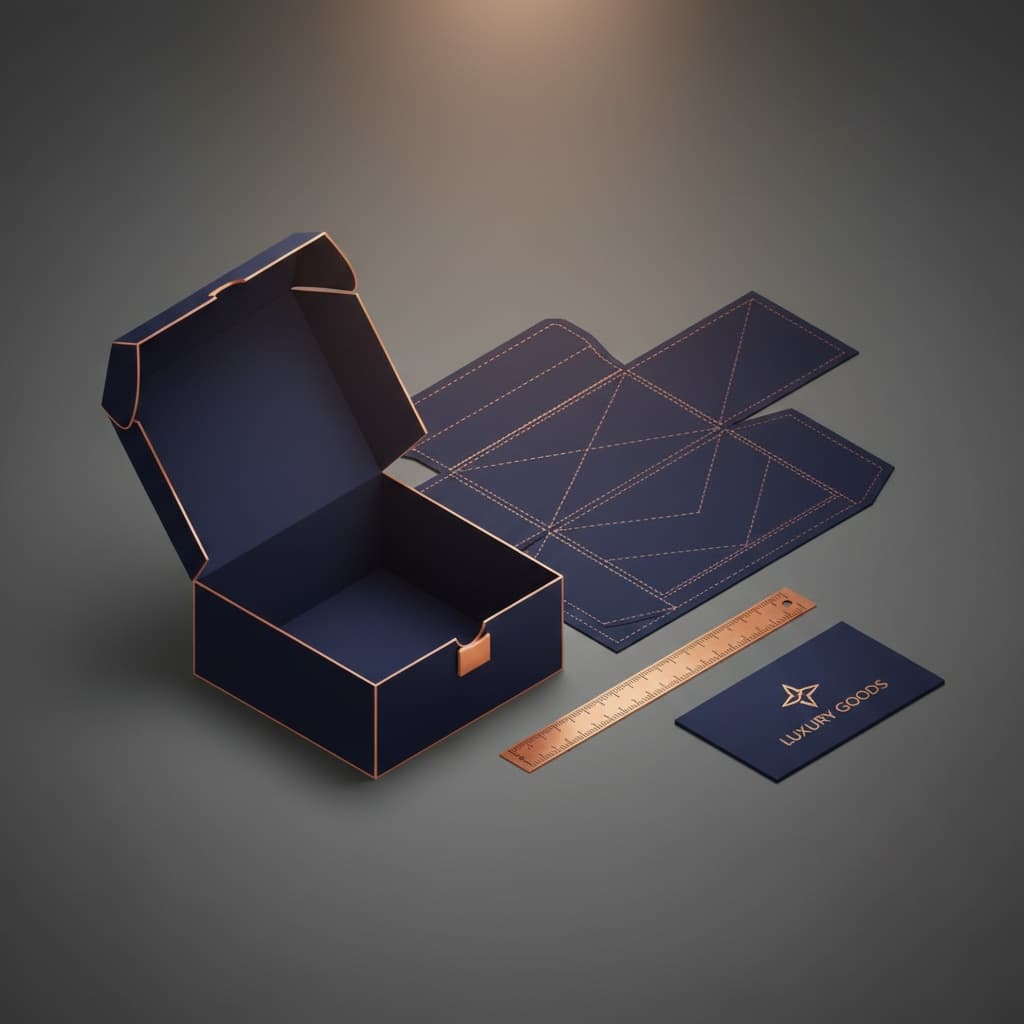
A packaging dieline establishes the required cut, crease and glue positions. Final print artwork should follow that layout rather than forcing the structure to accommodate an earlier graphic design.

A Production Trial

Where a new stock or blank is being introduced to an existing machine, trial the actual assembled construction under the intended operating conditions.

A free 3D mockup checks appearance, not mechanical feed reliability. Fully custom physical samples may be paid where a machine-compatible trial is needed.

Load the Actual Product

The bottom must support the completed contents, including any insert, leaflet and primary container. A pre-glued base has no universal weight rating.

Assess the product's contact area and any force applied during loading. A broad-bottomed jar spreads weight differently from a component resting on small feet.

Avoid a Hard Landing

A machine or operator that drops a product into the carton can create loads greater than the product's static weight.

If a heavy bottle is pressed into a tight carton, the bottom and sidewalls experience extra stress. Adjust the insertion clearance or handling method before simply increasing board weight.

Insert Position

Fitments must not obstruct the pre-glued panels or interfere with the machine's insertion tools.

An insert may need to be loaded at a separate station or assembled with the product before insertion. Establish the process before locking outside dimensions.

For gadget accessory boxes, cables, adapters and instructions should be arranged to permit the intended loading movement.

Different Products, Different Changeovers

A repeat line may run several products that look similar but have different heights, weights or insert requirements. Sharing one carton size is practical only when each finished product fits and feeds as intended.

Do not assume a single blank will produce lower total cost across every SKU.

Footprint and Height

Internal length × width × height should be approved from the packed product, including protrusions and fitments.

A footprint change alters the crash-lock panel geometry. A height change may alter the way the carton is gripped or transferred.

Even a small change can require equipment adjustment. Record the dimensions associated with each verified setup.

Setup Records

For a repeat program, retain the approved blank, board, product orientation and machine settings.

A supplier reorder using an apparently equivalent stock may behave differently if caliper, crease or wrap treatment changes.

The packaging scaling decision should include machine changeovers and reject handling rather than relying on empty-carton unit price.

Changeovers Need a Verified Master

Equipment-fed operations depend on both carton specifications and machine settings. A replacement blank may share the previous outside dimensions but behave differently when its caliper, crease position or finish changes.

The approved production master should therefore record the structure and the associated operating conditions.

Blank Orientation

Identify which edge leads in the magazine and which panels the equipment uses during opening. Changing the side seam or mirroring a structural layout may affect feeding even if the erected carton appears equivalent.

Confirm the flat blank's orientation whenever conversion is revised.

Material Substitution

An alternative board can change stiffness, suction behavior and stack thickness. A similar stated basis weight is not proof that it will run in the same way.

Assess a material substitution against the actual equipment requirements before approving it.

Versioned Settings

Record the approved product SKU, blank revision, insertion orientation and relevant machine setup. This is important when similar-sized products use different fitments.

A clear setup record helps distinguish a carton issue from an incorrect changeover.

Graphics Have to Survive Conversion

The carton can carry premium offset printing, CMYK artwork, Pantone spot colors and compatible surface finishes. The printed design must respect the bottom glue zones, functional creases and side seam.

The primary retail face may hold the product name and graphics. Smaller panels can accommodate instructions and barcodes, subject to available space and readability.

Coating Near the Base

A finish that interferes with glue adhesion can cause problems long before the carton reaches the packing equipment.

Keep adhesive contact areas compatible with the selected glue system. Raised finishes near moving folds may also affect feeding or opening.

Variable Product Coding

Where batch or date coding occurs on the line, establish a flat, accessible and readable surface in the equipment's actual orientation.

Do not place essential codes where they will be concealed by overlapping flaps. Confirm that the coding operation works with the selected coating.

Discharge Without New Snags

The carton must remain stable after filling and top closure. A box that erects correctly may still catch on a guide, tip during transfer or reach case packing in the wrong orientation. The discharge stage belongs in the equipment-compatibility assessment.

Filled Weight and Balance

A top-heavy bottle or uneven kit can change how the carton travels after loading. Guides and transfer surfaces must accommodate the filled center of gravity, not just the empty body's dimensions.

Top Flap Position

A tuck flap that is not fully seated can catch on equipment downstream. Confirm the closing operation before adjusting guide clearance to accommodate an incorrectly closed carton.

The Final Transfer

The line may turn the carton or place it inside an outer case. Verify that the automatic bottom remains seated and the contents stay appropriately positioned through that movement. Approval should account for the actual packed unit rather than an empty-carton feed trial.

Hand Packing Is Still Valid

Auto-Lock Bottom Boxes can use the same crash-lock mechanism for manual retail packing without relying on a cartoner.

The physical construction is not different merely because one operation is automated. The distinguishing purchasing question is whether equipment feeding, transfer and line repeatability must be qualified.

A manual snap-lock bottom box requires operators to assemble the lower panels and may suit an operation without a compatible machine.

A Different Cost Model

Compare the fully converted carton price with equipment availability, setup time, packing labor and the number of rejected units.

The printed box cost factors include material, quantity and converting steps. An inexpensive blank is not an operational saving if it causes repeated stoppages.

Approval Before Volume Production

The purchase specification should identify the intended equipment, feed orientation, flattened blank dimensions, erected size, stock, glue zones, loading direction, top closure and required quantity.

For a new configuration, assess actual feeding and filled-carton handling before authorizing a large run. A sample of a different carton style cannot establish machine compatibility.

Custom Packly provides free design and dieline support, free 3D mockups, US production and free shipping. USA MOQ starts at 100 boxes. Standard turnaround is 4–6 days after final artwork and specifications are approved; complex structures and finishes may require longer.

When line settings and the finished blank are established, request a custom quote with the equipment requirements and intended production quantity.

The result should be a repeatable carton-feeding and filling process, not simply a base that opens quickly in a hand demonstration.

FAQs

Automatic Bottom Boxes make more sense when packing speed and base strength both matter. They set up faster than standard tuck styles and handle heavier fills more confidently.

Automatic Bottom Boxes are faster to assemble because the bottom is pre-glued and locks as the box opens. Snap-Lock Bottom Boxes can work well too, but they usually need more manual folding during packing.

SBS paperboard is a strong choice for crisp printing, while kraft or recycled paperboard can support a more natural or eco-focused look. If the product needs added stiffness, light corrugated flute can be a better fit.

Yes, when the box is sized correctly and matched with the right board thickness. For added product retention, inserts or fitments can improve stability inside the pack.

This style also supports personalized finishing and retail detailing, including window cutouts, embossing, foil, soft-touch lamination, and inside printing for a more polished unboxing experience.

Process

How it works

Your Packaging Journey, From Idea to Production and Delivery

01

Tell Us Your Specs

Custom packaging boxes

Tell Us Your Specs

Provide size, quantity, printing, and finishes.

02

Get a Fast Quote

Custom packaging boxes

Get a Fast Quote

Instant transparent pricing, no hidden fees.

03

Design and Approval

Custom packaging boxes

Design and Approval

Artwork checks, revisions, and final sign-off.

04

Produce

Custom packaging boxes

Produce

Expert manufacturing to meet deadlines.

05

Ship to Your Door

Custom packaging boxes

Ship to Your Door

Hassle-free, flexible delivery options.

Get Your Quote for Custom Automatic Bottom Boxes

Share your product details, size, quantity and artwork needs. We’ll help choose the right packaging style and send a clear quote.