Skip to content
Details

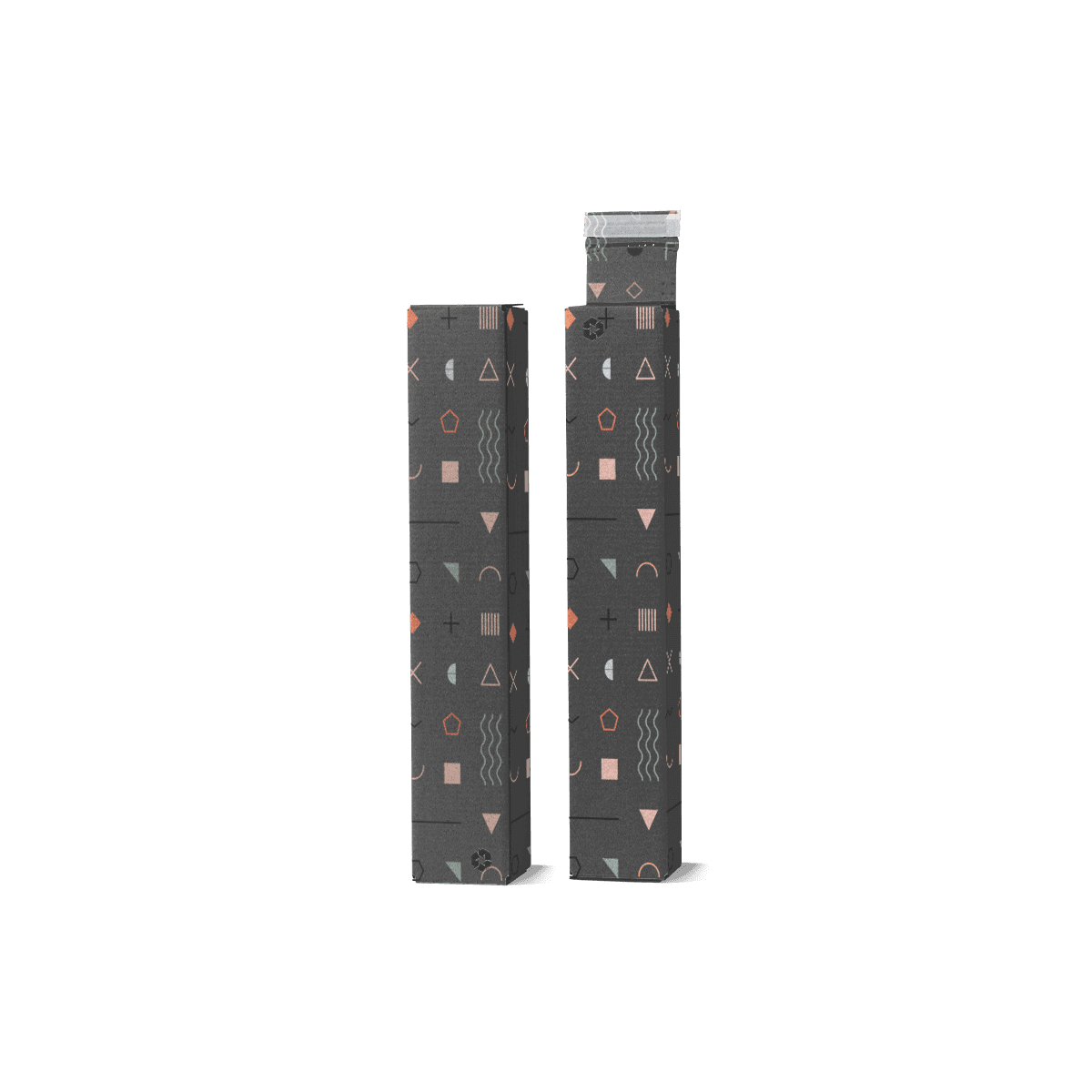
Custom Corrugated Tube Shipping Boxes with Lids

A long shipment needs an end closure that stays seated when the parcel is turned, handled and set down. Specify the corrugated wall, usable length and lid retention as one shipping system.

An End Impact Travels Inward

A long parcel can reach its destination with an intact sidewall and damaged contents. A lid that moves under impact lets a rod strike the end or presses directly against the edge of a rolled print. A thicker tube wall alone cannot prevent either failure.

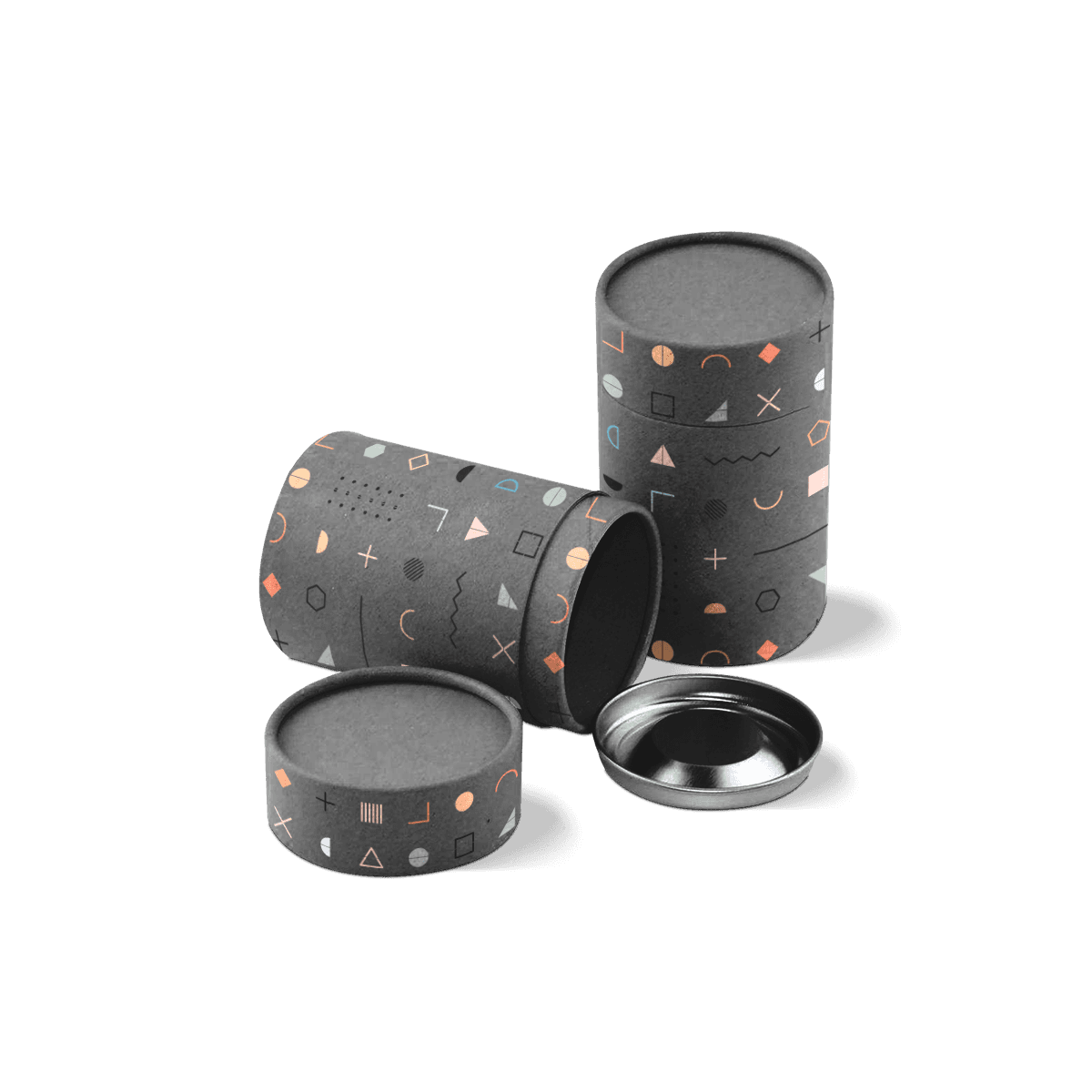
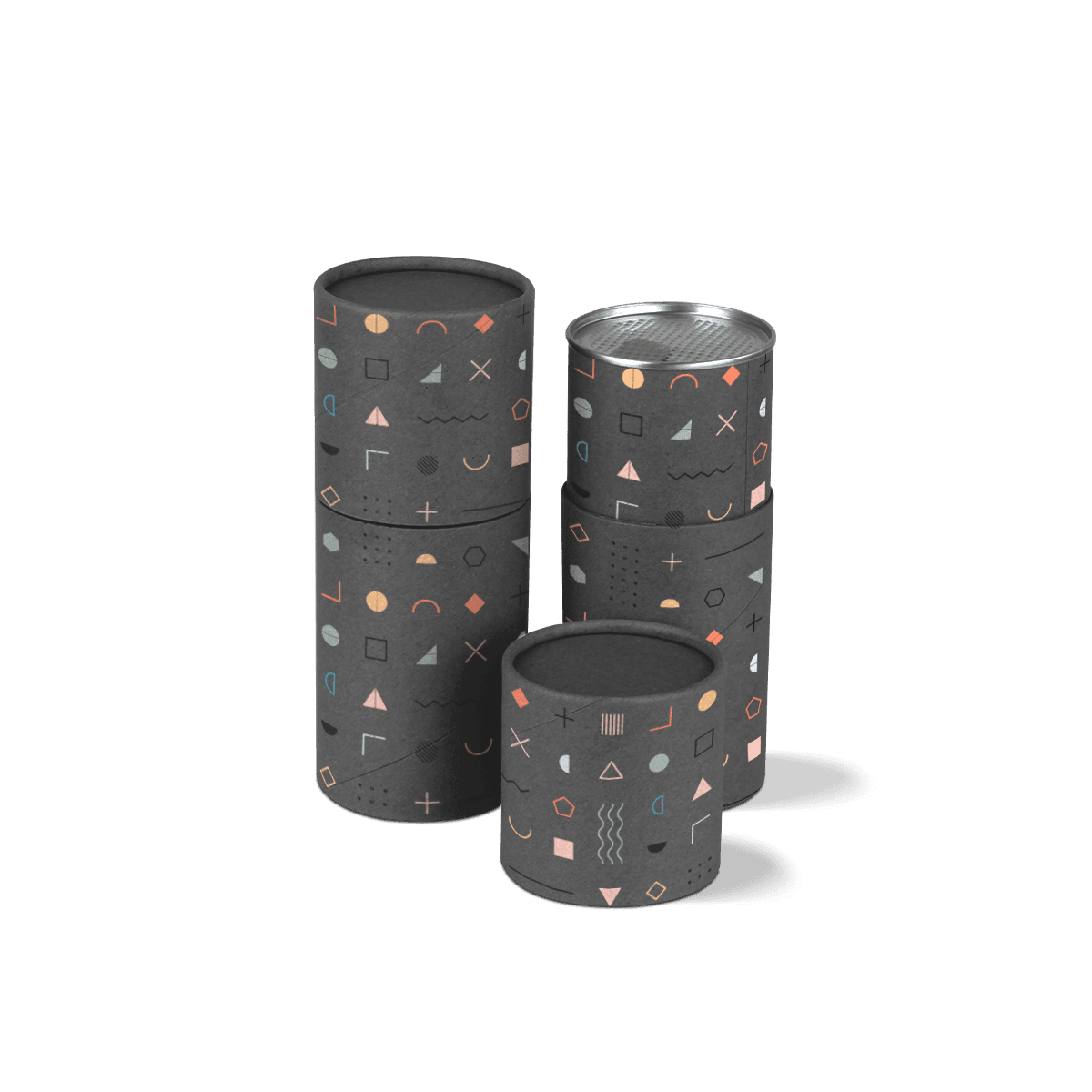
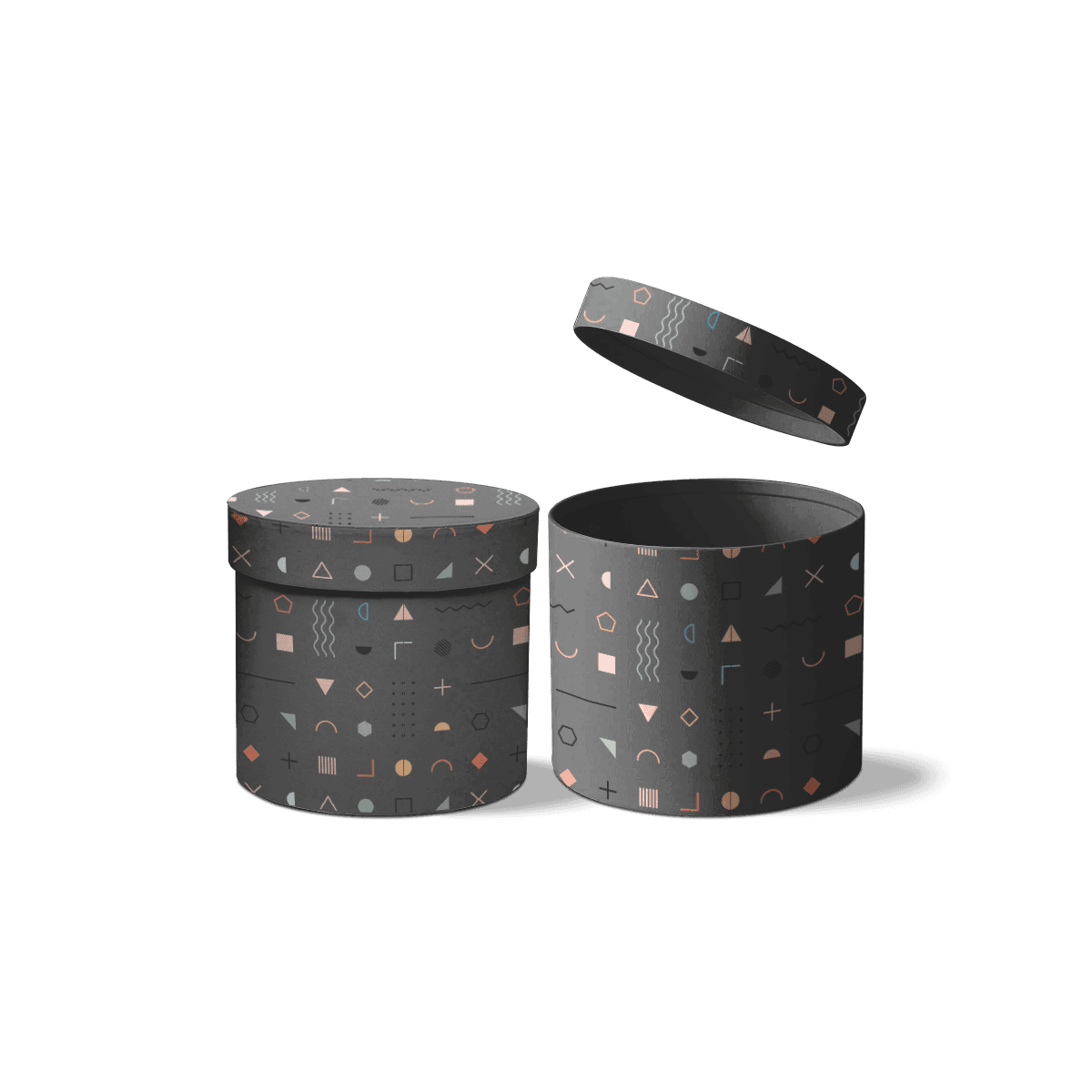
Custom Corrugated Tube Shipping Boxes with Lids are complete parcel shippers for long, rolled or narrow contents that need a corrugated protective wall and a separate fitted closure at each end. Their primary job is transit, rather than a decorative retail opening. The closed package must remain intact through sorting, storage, handling and delivery.

The critical decisions are where the product's weight bears, how each lid is retained and what happens when the parcel lands on an end. The shipping boxes used for conventional rectangular loads distribute these forces differently; a long tube-format parcel puts more attention on its ends and unsupported length.

Establish the actual dispatch route and packed weight before settling the finished shape. These determine which construction and end treatment require physical confirmation.
What the Corrugated Wall Must Do

Corrugated board has a fluted medium bonded to liner material. Its grade, wall build and forming method influence bending, puncture resistance and the load a finished shipper can carry. The word corrugated does not establish a tested strength rating.

Flute Direction and Shape

A round tube, a faceted tube and a folded long-format corrugated shipper do not transfer loads in exactly the same way. Confirm the actual proposed construction before specifying board thickness or a flute profile. A visually similar spiral-wound paper tube instead obtains its wall integrity from bonded paper plies.

If a fluted wall is formed into a tube shape, examine the seam, cut edges and any scores used in forming it. A weak seam or crushed flute can undermine a material upgrade before the parcel leaves the packing bench.

The Load Is Not Uniform

A dense replacement part can press against one narrow part of the wall. A lightweight printed roll may instead demand resistance to bending over its entire length. Warehouse stacking and individual parcel sorting place different demands on the same structure.

The strongest-looking material is not automatically the right purchase. Heavy-walled tubes are another construction to consider when continuous multi-ply paper walls fit the load better than the proposed corrugated build.

The Lid Must Stay Seated

The closure is part of the shipping structure, not an accessory selected after the tube is sized. Its insertion depth, bearing surface and retention method affect usable internal length and the risk of opening during transport.

Closure Fit Under Load

A close-fitting lid may hold while the parcel is upright yet loosen when its contents move toward one end. A lid that grips too tightly can deform the opening, damage the wall or slow repeated packing. Specify the lid against the finished body dimensions and normal production variation.

A fitted plug, cap or overlapping cover may need a different method of retention. Confirm the actual closure offered with the chosen construction. Do not assume a push-on fit eliminates the need for tape, a tamper-evident restraint or other sealing steps required by the route.

Cushioning Does Not Retain Lids

An end pad protects a fragile product edge, but it cannot prevent a loose lid from separating. The closure must stay attached independently of cushioning. For a dense item, an internal end stop should spread force across a deliberate support surface rather than transfer all pressure to a narrow point.

Handle a packed prototype in several orientations. Inspect for cap creep, opening distortion and pressure marks. A shipment intended for inspection or returns also needs a closure that survives its planned reopening sequence.

Usable Length Comes After the Lids

A tube's nominal body length may exceed the space left for the product after both ends are fitted. Recessed lids enter the cavity, while end pads or retaining disks occupy more length. Ignoring those parts can leave a seemingly correct shipper too short when closed.

Measure the Packed Envelope

For artwork, measure the finished roll after the protective sleeve or wrap has been applied. For hardware, measure the longest finished point including projecting fittings and protective end pieces. Record the packed diameter, length and weight rather than relying on the item’s catalog dimensions.

The cardboard tube sizing method starts from the finished product and accounts for inserts and closures. For this shipper, the actual wall and lid configuration must also be measured from the approved physical format.

End Clearance Has a Job

Leave enough length that neither lid bears against the exposed edge of rolled paper or a delicate component. Extra empty length is not protection if it lets the contents gain momentum before striking the opposite end.

For rigid long items, account for the grip or withdrawal space needed at receipt. Confirm the usable inside length with both lids installed before approving the exterior parcel dimensions.

The Middle Can Fail First

End protection does not solve the full long-parcel problem. A tube carried at one end, dropped across an edge or trapped beneath other parcels may bend near its middle. Perfectly retained caps cannot protect the contents when the wall lacks sufficient span stiffness.

Narrow rods and metal profiles can create concentrated contact points. A rigid part may act as a lever against the wall, while a soft printed roll may need a different restraint to prevent it from unwinding. Wall construction and internal supports must work together.

Consider an illustrative maintenance shipment with a shaft held only by foam disks at both ends. Those disks stop lengthwise movement, yet the shaft can still push against the sidewall when the parcel bends. An appropriate intermediate support changes that contact without filling the entire cavity.

Assess the longest proposed size at its packed weight. If crosswise loads or pallet pressure are substantial, a custom corrugated shipping box with a rectangular load path may be the more practical shipper.

Secure the Contents Before Closing

A strong outer wall cannot organize several loose pieces. Establish the contact points, withdrawal method and necessary separation before approving internal supports.

Rolled Media and Printed Edges

Rolling tension and wrap thickness alter the diameter of drawings, vinyl, graphics and printed sheets. A loose roll can expand against the wall. A tightly compressed roll may be difficult to remove without damaging its surface. A suitable sleeve and intentional clearance reduce these risks.

Do not make the end cap compress the roll into position. Protective end pads should prevent edge abrasion while allowing removal without creasing or tearing the first and last sheets.

Narrow Parts and Mixed Sets

Individual parts may require sleeves, separators, covered sharp ends or a dedicated inner carrier. Where metal may corrode or abrade, choose appropriate product protection separately; a corrugated outer wall is not a corrosion barrier.

For small accompanying components, an identified parts bag or organized carrier may be more dependable than an improvised compartment inside the tube. Check extraction using the actual packed arrangement before the outside size is finalized.

Round and Faceted Parcels Behave Differently

A round parcel follows many rolled products closely but may roll on a packing bench or shift on a conveyor. A square or faceted construction resists rolling and presents flatter labeling surfaces, though its corners and folds introduce different stress points.

Neither form is automatically stronger. The choice depends on the finished item, confirmed wall construction and the way the parcel moves through the carrier's equipment. Check the carrier's acceptance rules and any handling or size charges for the actual finished parcel.

For short, broad circular items such as reels or stacked discs, round corrugated shipping boxes address a different footprint from a long narrow shipper. For lightweight drawings, lightweight tube shippers may perform adequately without the proposed corrugated wall, depending on the finished construction and load.

The decision between tube packaging and a box also depends on storage, handling and final parcel size. A circular silhouette is an advantage only when it earns its space and packing complexity.

Print for the Shipping Handoff

The exterior must remain readable once the tube has been packed, labeled and handled. A decorative wrap achieves little if the carrier label obscures the product code or a lid hides the only handling instruction.

Labels on Curved Surfaces

Reserve a realistic label zone on the approved finished structure. Faceted construction may make barcode placement easier. A curved wall needs enough smooth surface that the label does not wrinkle, cross a pronounced seam or compromise barcode scanning.

Place contents codes and batch identification where the packer can check them before final closure. The removable lid should not hide the only item identifier. At a trade counter, MRO packaging must help staff distinguish similar parts without opening each shipment.

Branding Without Interference

Plain kraft or white stock with clear identification may suit a utility shipment. Printed color or a branded wrap can make sense for customer-facing dispatch, provided the selected finish suits the actual handling and leaves room for logistics labels.

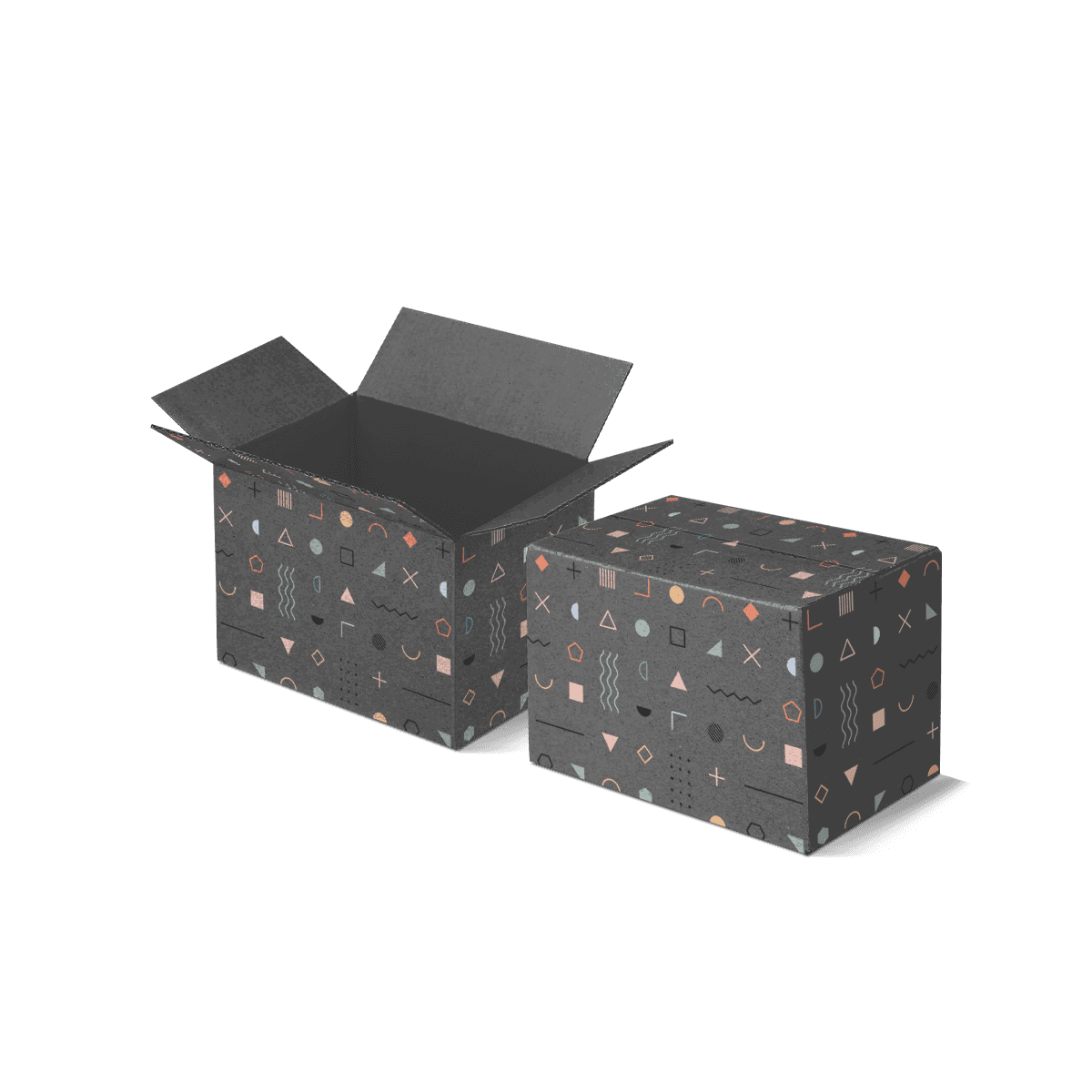
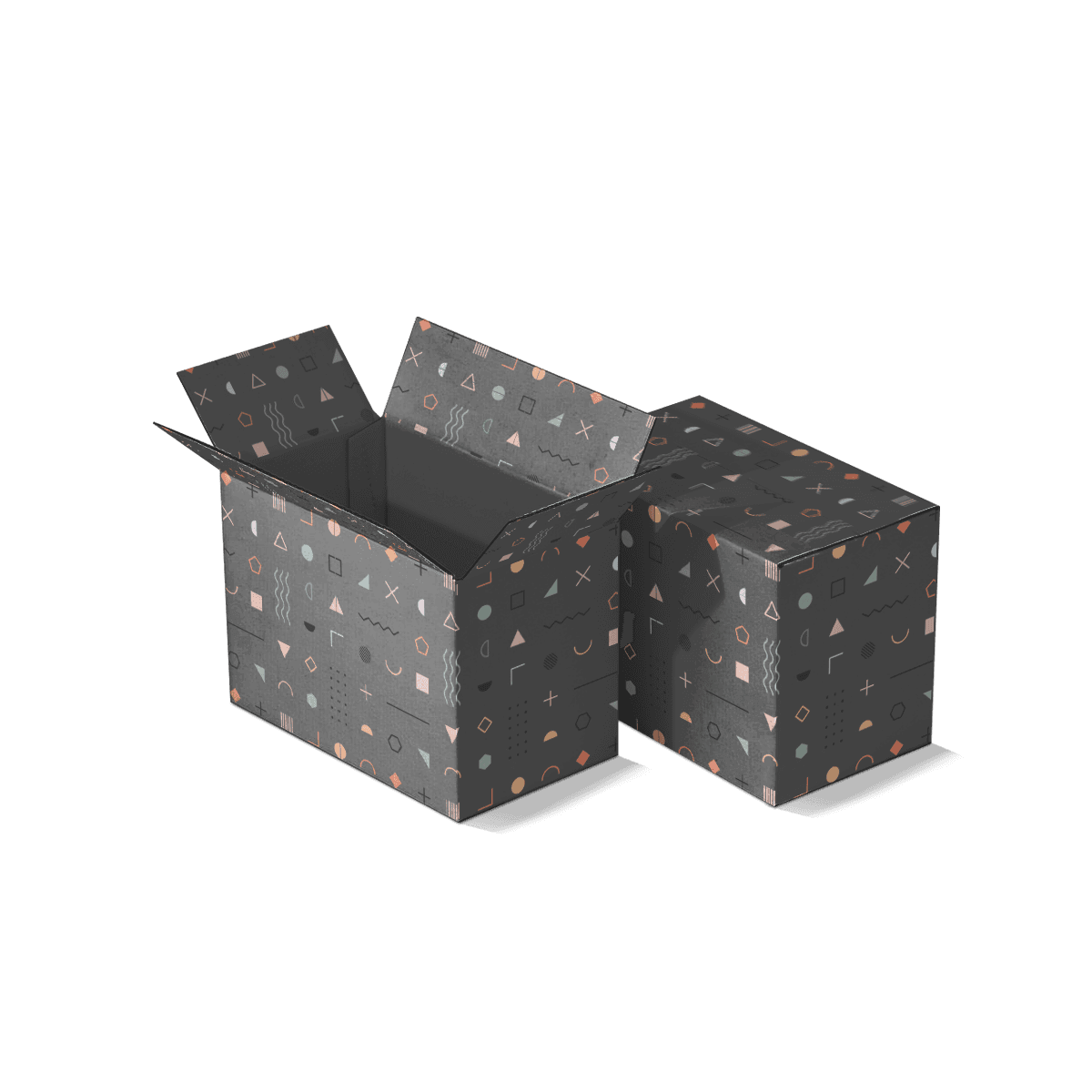
Free design and dieline support can help position graphics on the confirmed structure. A free 3D mockup can show how the artwork meets a seam or lid, but cannot verify closure strength or transit performance.

Industrial Dispatch Has Its Own Order

A long service part may ship with a protective sleeve, mounting hardware and an instruction sheet. Packing everything loosely into a single cavity invites abrasion, mistaken picks and a difficult receiving process.

In an illustrative maintenance shipment, the main shaft sits in its own support, mounting pieces stay in a labeled inner pack and the printed instructions are separated from sharp edges. The packer verifies the complete kit before fitting the final closure.

The product's protection and the shipment's completeness are separate requirements. A snug internal carrier protects the part while a clearly identified accessory pack prevents a complete shipment from appearing incomplete at receipt.

A tube is not the right primary format for every kit. Crosswise or bulky accessories can make a rectangular carton with a divider more efficient. Tube-format shippers make sense when the long component genuinely dictates the overall shape.

Receiving procedures matter too. A warehouse may need to reopen a shipment for inspection, while a direct outbound parcel may require an additional tamper-evident sealing step.

Price the Closed Shipping Unit

Body diameter and length affect material use, but the finished shipping unit also has two lids, any internal supports and packing labor. An inexpensive body can become costly when the ends require extra handling or its dimensions change the carrier charge.

Request pricing for one complete, closed shipper rather than a body quoted separately from its matching ends. The specification needs packed weight, intended quantity, actual construction, labeling or printing and any internal retention components.

Custom Packly's USA minimum starts at 100 boxes. Standard turnaround is 4–6 days after final artwork and specifications are approved. Complex structures and specialist materials may need additional time, so the timing of a specific tube-and-lid configuration must be confirmed.

Once the diameter, usable length, wall, lid type and quantity are agreed, request a custom packaging quote for the complete shipping unit. Include the ZIP code and shipping route so pricing does not depend on an assumed stock size.

Lids Need Their Own Stock Control

A tube body without a compatible pair of lids cannot leave the packing line. That is easy to overlook when several body lengths or artwork versions appear to share the same nominal diameter.

Record body diameter, wall construction, lid specification and end-protection components as one approved assembly. A different wall thickness can change the opening or outside diameter. A lid from an earlier run should not be treated as interchangeable without checking the actual fit.

Several lengths may use one common closure, but only if the physical lid interface and production tolerances agree. Identical catalog diameters do not necessarily mean two production runs accept the same caps.

For larger repeat orders, Custom Packly can discuss warehousing and scheduled deliveries where appropriate. The operational priority is to release complete, matching sets rather than leaving the packing team with bodies but no compatible ends.

The repeat-order test is practical: the packer should pick the correct body, matching lids and internal supports without having to compare measurements at the bench.

The Receiving End Sets the Finish

The recipient must be able to identify the shipment, release the intended closure and remove the item without prying a lid against the product. A parcel that survives transit but traps an expensive component has not completed its job.

Confirm where the receiving team will grip the lid, where tape may be cut and how a long part will be withdrawn without striking the opposite end. Any necessary handling orientation belongs in the packing procedure and on the outer package.

A representative unit should be packed, handled, turned and opened in the same sequence as the real shipment. Packaging testing distinguishes a visually sound prototype from a complete shipping assembly that performs under the expected stresses.

Approve one closed, labeled and fully packed physical unit with its exact lid and internal-support configuration. That finished assembly is a more dependable manufacturing target than a body drawing and a separate, unverified cap specification.

FAQs

Not by name alone. A corrugated wall can suit tougher shipping duty, but actual performance depends on the finished wall, packed load, end protection and closure fit. Some heavy multi-ply mailing tubes may be stronger than a lighter corrugated build.

Yes, when the tube and lid are engineered correctly, they provide a dependable closure for most shipping workflows. Lid depth, fit tolerance, and product weight all affect final performance.

Yes. It is especially useful for long components, bundled hardware, service kits, and maintenance items that need cleaner separation and better edge-to-edge protection.

Compare the complete wall and end-closure specification at the actual packed weight. A corrugated tube shipper may suit a load needing fluted-board protection; a lighter cardboard tube with covers can work for standard rolled-goods mailings. Neither name guarantees a particular strength rating.

Outside printing, labels, SKU coding, and color-based identification are common. Depending on the material and run size, you can also apply personalized branding treatments that support both logistics and visual consistency.

Process

How it works

Your Packaging Journey, From Idea to Production and Delivery

01

Tell Us Your Specs

Custom packaging boxes

Tell Us Your Specs

Provide size, quantity, printing, and finishes.

02

Get a Fast Quote

Custom packaging boxes

Get a Fast Quote

Instant transparent pricing, no hidden fees.

03

Design and Approval

Custom packaging boxes

Design and Approval

Artwork checks, revisions, and final sign-off.

04

Produce

Custom packaging boxes

Produce

Expert manufacturing to meet deadlines.

05

Ship to Your Door

Custom packaging boxes

Ship to Your Door

Hassle-free, flexible delivery options.

Get Your Quote for Custom Corrugated Tube Shipping Boxes with Lids

Share your product details, size, quantity and artwork needs. We’ll help choose the right packaging style and send a clear quote.