The Delivery Delay Sets the Thermal Job
A shipping carton can arrive without a dent while the product inside has already become too warm.
That is the central problem insulated packaging must address. The outer box protects the shipment from physical handling, while the insulating system slows the movement of heat between the contents and the surrounding environment.
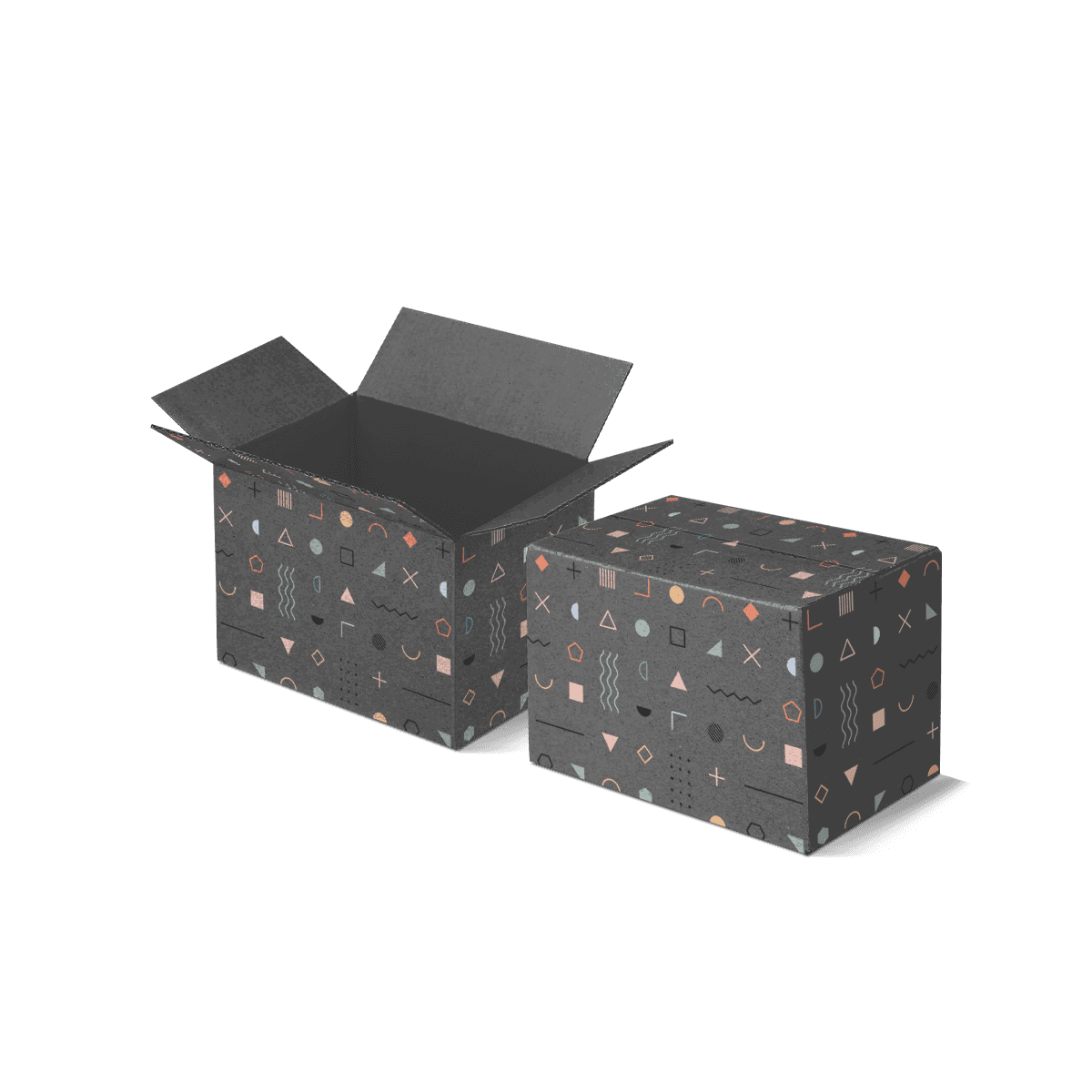
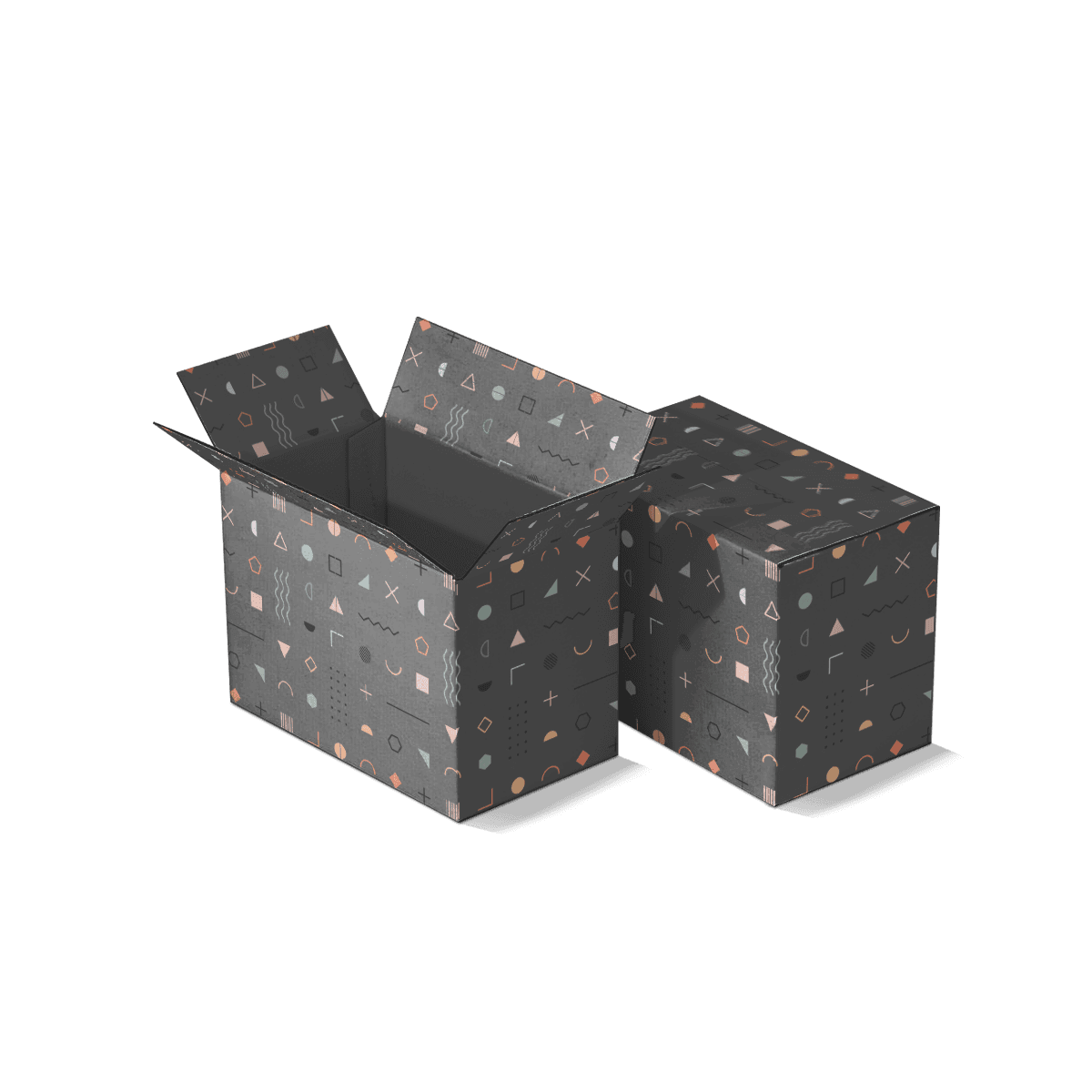
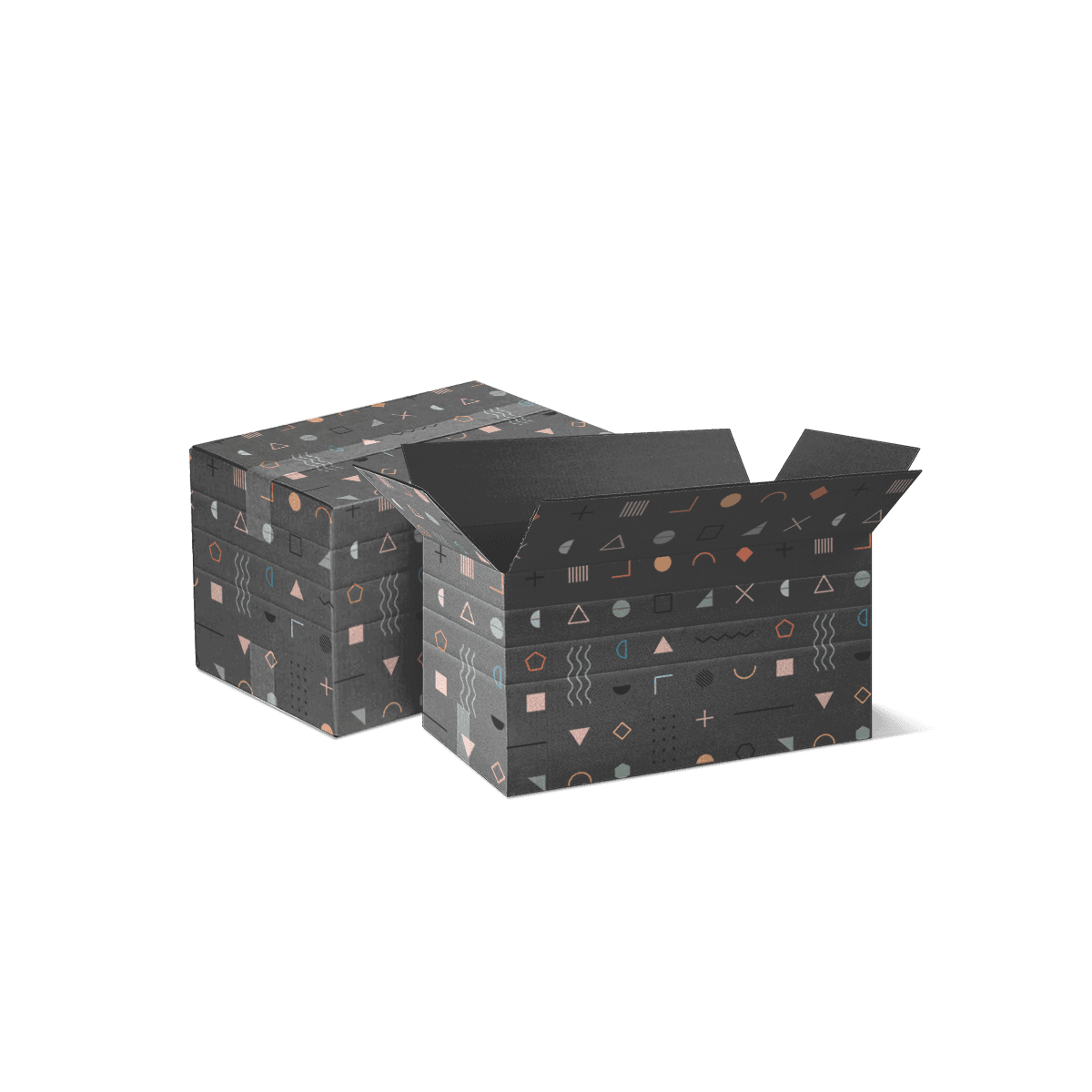
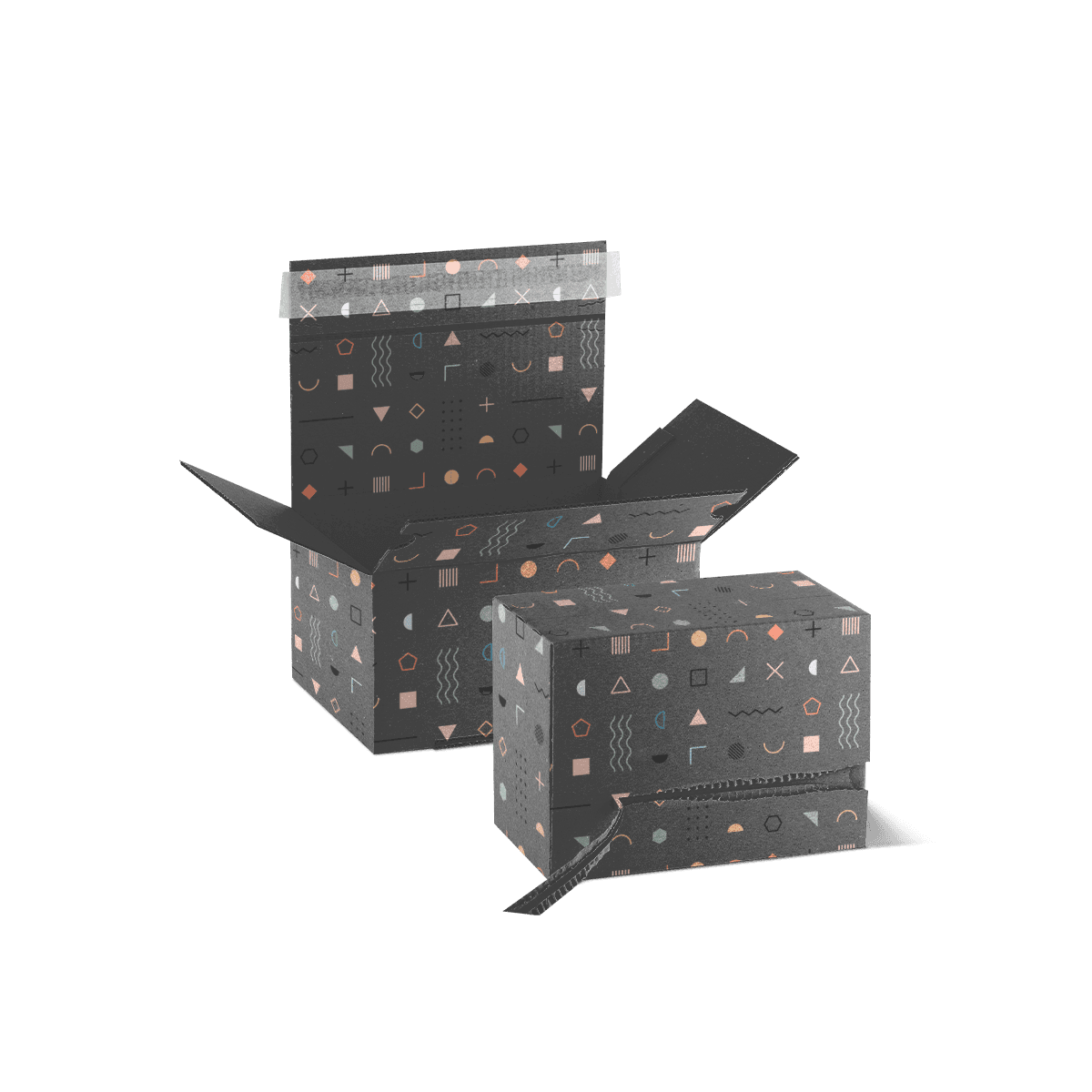
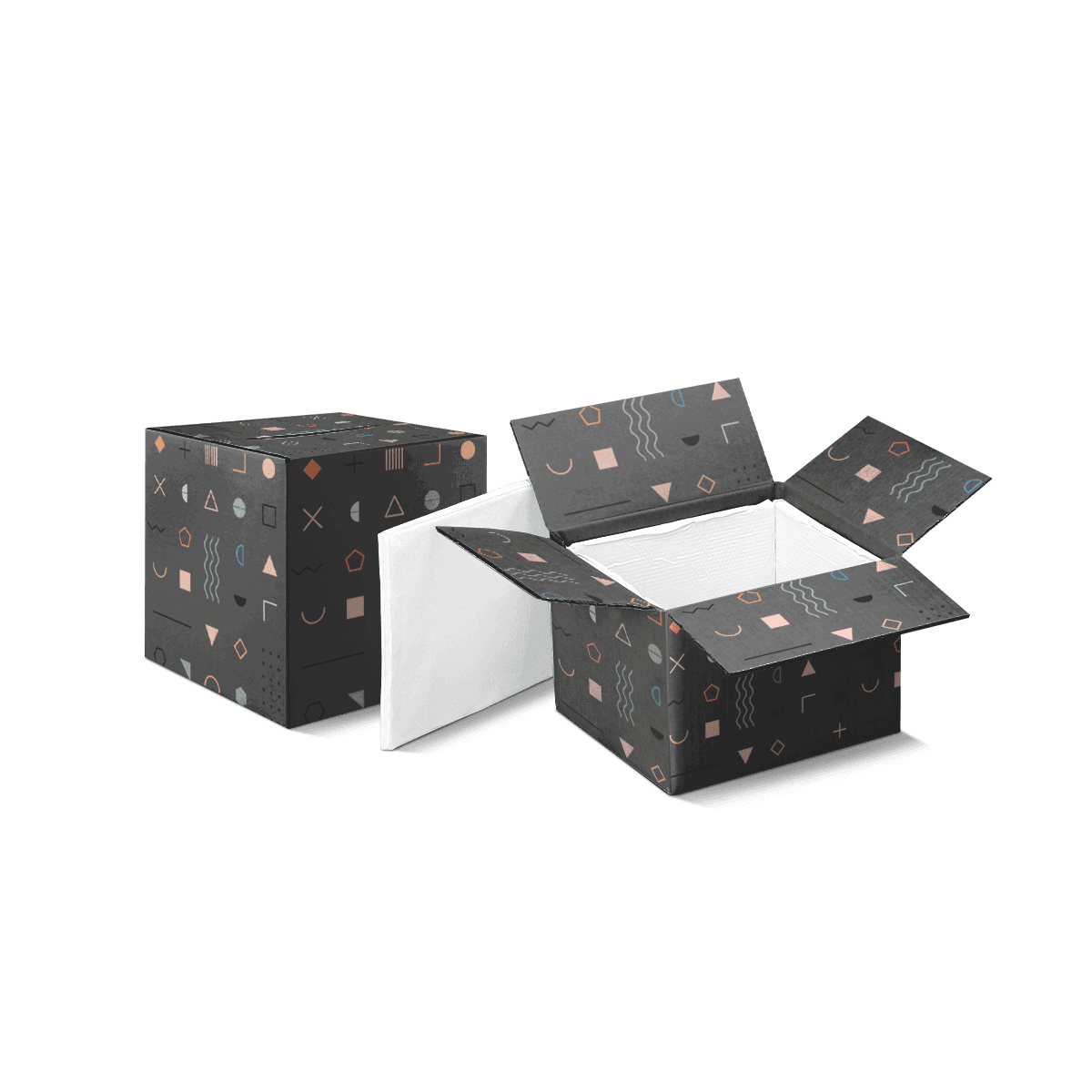
Custom Insulated Shipping Boxes combine a corrugated outer carton with space for a suitable thermal lining and, where required, temperature-control materials.
Their purpose is to support a defined shipping arrangement. Insulation alone cannot establish that a product will stay at its required temperatures.
Establish the Product's Temperature Requirements
The product's permitted temperatures must be established before choosing the box.
A melt-sensitive confectionery product has different requirements from a chilled food shipment or a temperature-sensitive medical product.
Some products primarily need protection against excessive heat. Others must remain chilled or must not freeze.
These distinctions affect the insulating material, coolant arrangement and packing procedure.
For regulated products, the responsible product owner must establish the applicable storage and transportation requirements. A custom outer carton does not independently establish product stability or regulatory compliance.
Account for the Entire Delivery Window
The thermal requirement begins when the finished package leaves its controlled environment and continues until the recipient can place the product under appropriate storage conditions.
That interval may include warehouse staging, carrier pickup, transportation and final delivery.
A package developed around the scheduled transit time may be inadequate if it also spends several hours awaiting pickup or delivery.
Seasonal conditions matter as well.
A summer route may create a substantial heat load. A winter route may expose a product to temperatures lower than its permitted minimum.
The same shipping schedule does not necessarily require the same thermal arrangement throughout the year.