The End Cover Sets Protection
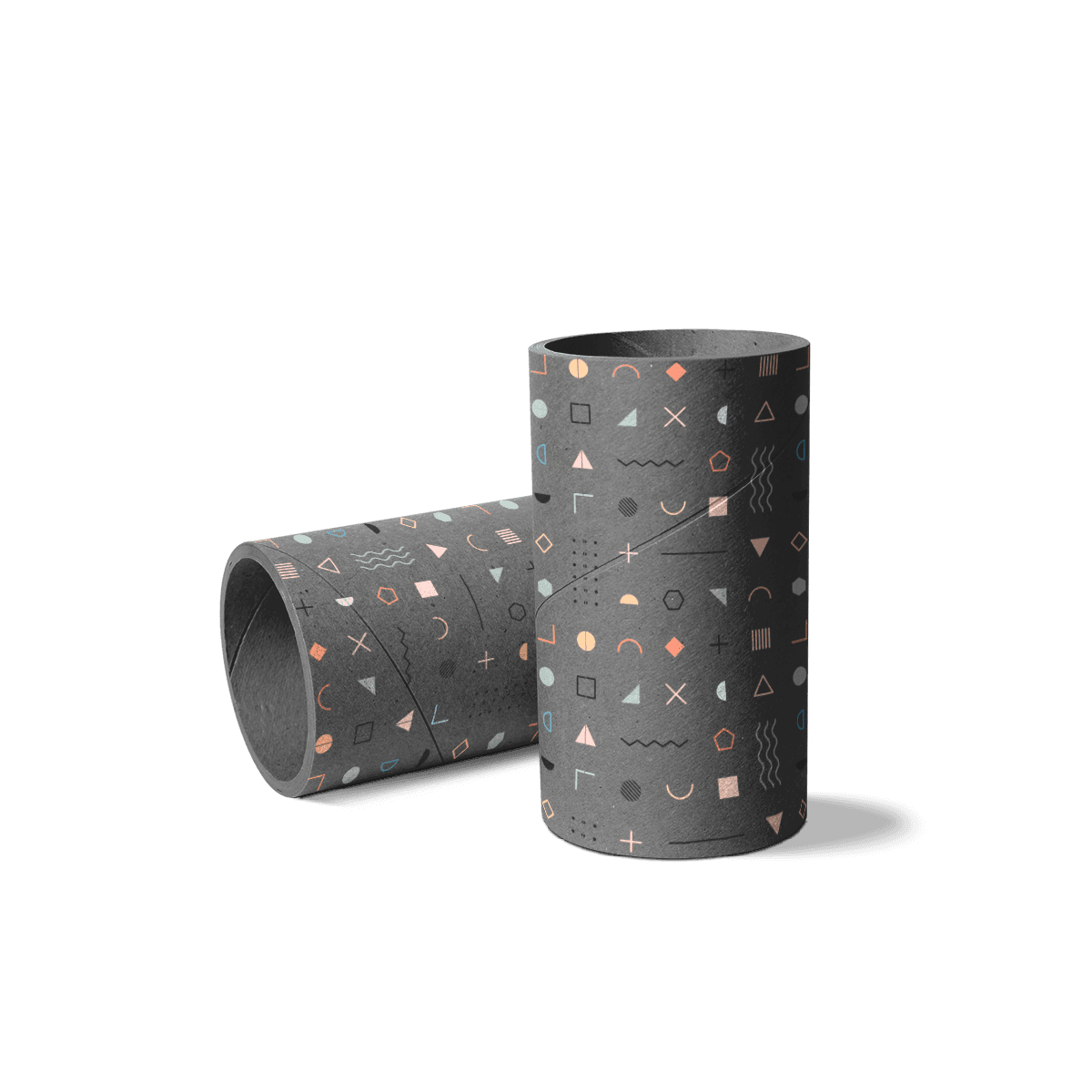
The exposed rim takes the first impact when a covered tube lands end-first. A snug cylindrical wall is little help if the end cover slips away, collapses into the opening or presses directly against the product. For this format, the cover is part of the shipping structure rather than a decorative lid.
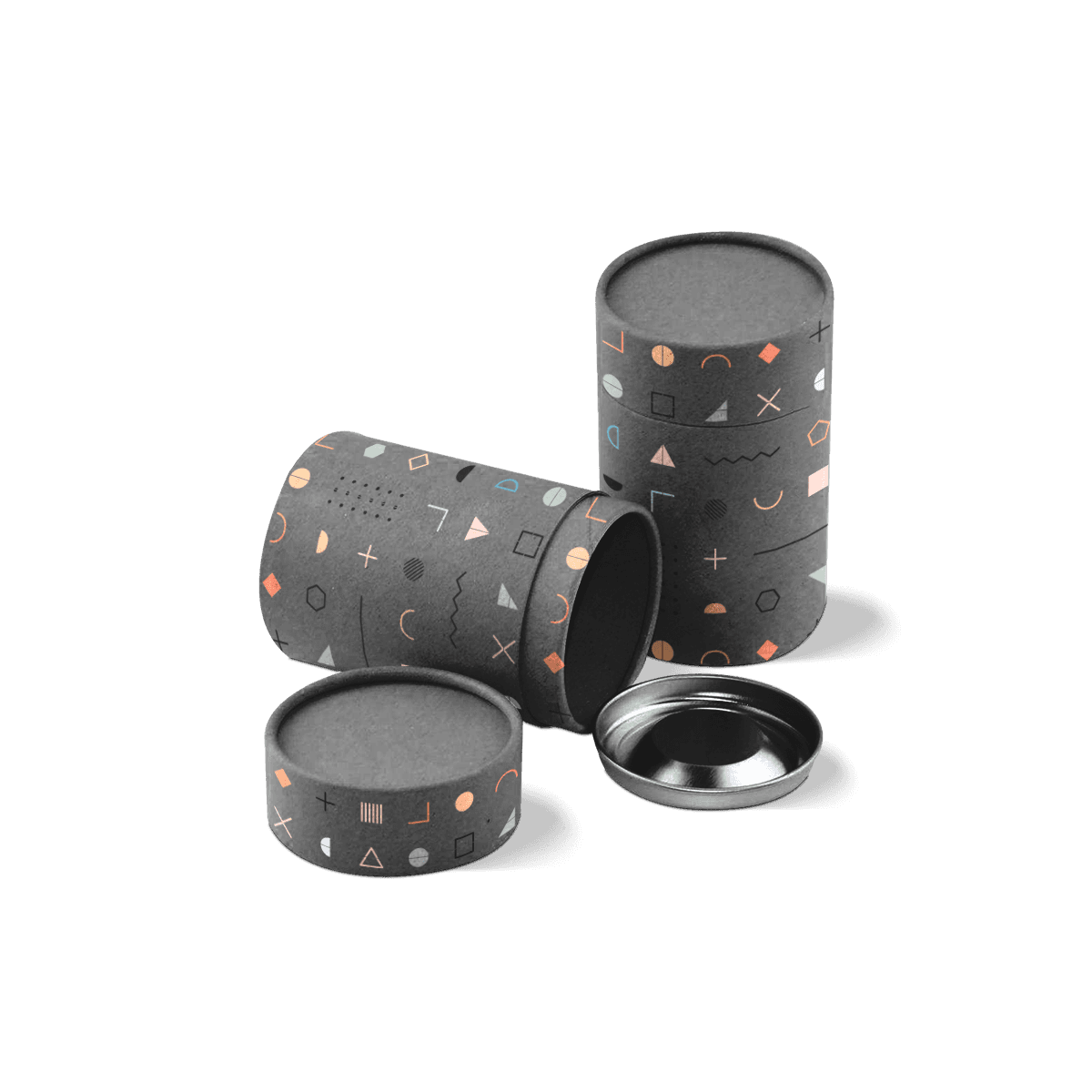
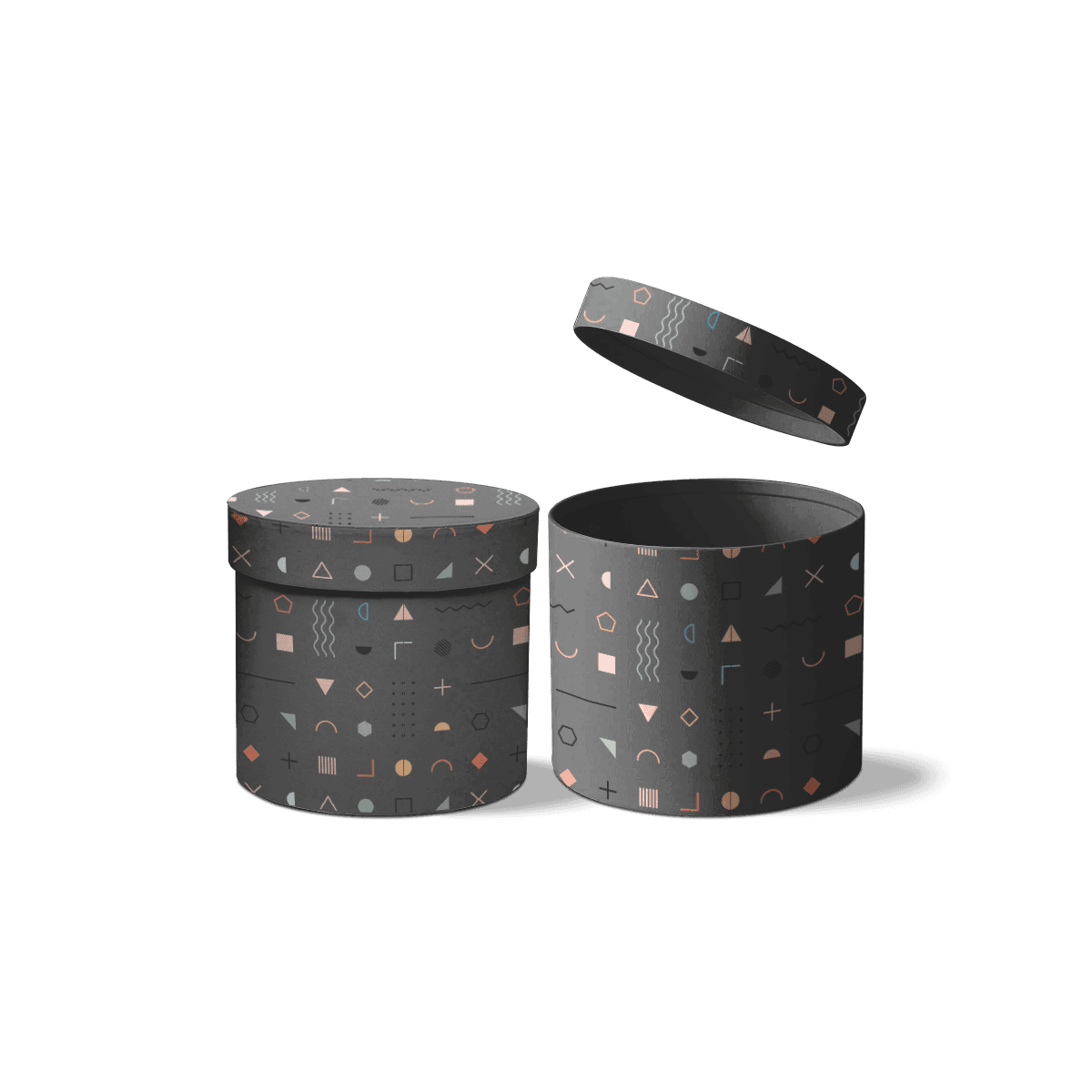
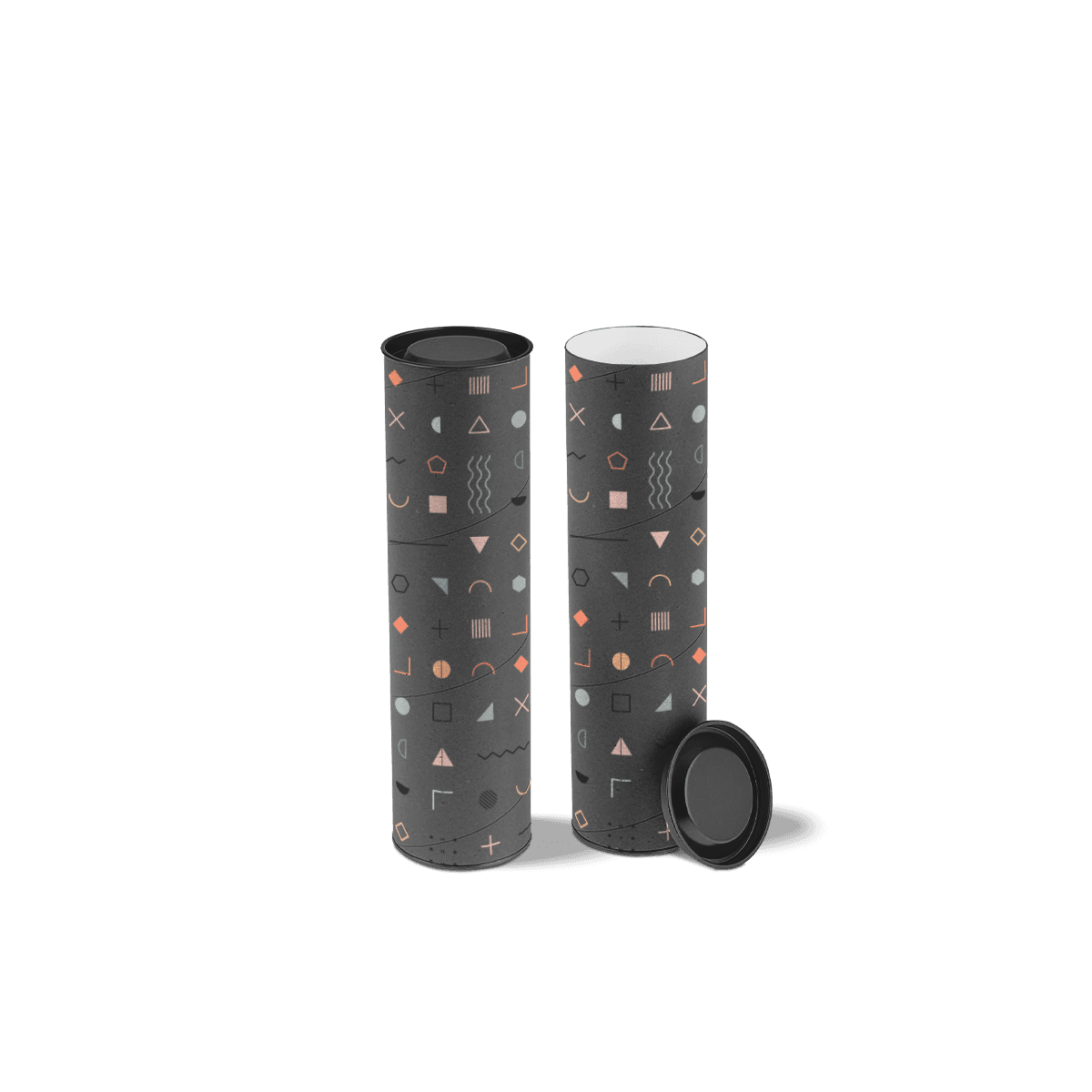
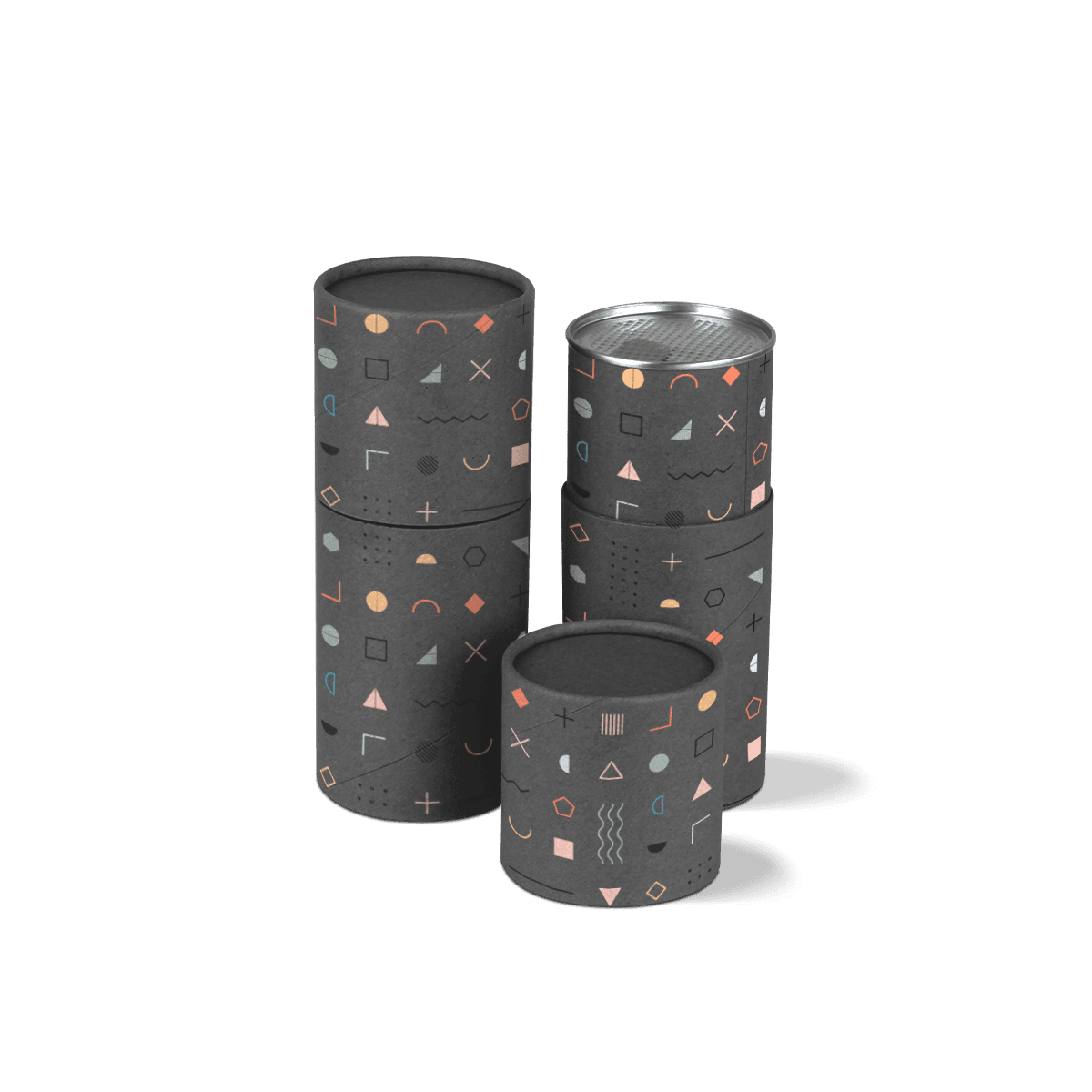
These tubes use a solid paperboard body with separate cardboard covers that slip over the outside of its ends. They suit selected lightweight rolled or narrow goods whose shape calls for a tube and whose parcel route does not require a heavier corrugated build. The cover's internal diameter, overlap and fit against the outer wall all influence closure performance.
Cover Overlap and Grip
A shallow cover leaves little contact area on the tube body. An excessively tight one can scrape its printed surface or require a forceful push that damages the rim. Specify the cover's engagement depth together with tube outside diameter, wall thickness and manufacturing tolerance. Check the fit with production-representative parts, not just an illustration of the closed tube.
An all-paper cover may need an additional closure method for parcel transit. Friction alone is not a tamper seal, and there is no universal overlap depth that makes an unrestrained cover shipment-ready.
The End-Face Load
The closed end also needs a suitable face, not just a circular skirt. A paperboard disc and its connection to the skirt must resist the expected contact without transferring a concentrated load onto the contents. A small end spacer can separate a rolled print from the cover face; a heavier rod requires a different load assessment.
The shipping-box structure still matters when a parcel needs sustained stacking strength or a more demanding route. Select the tube only after both the wall and the closed ends have a credible job.