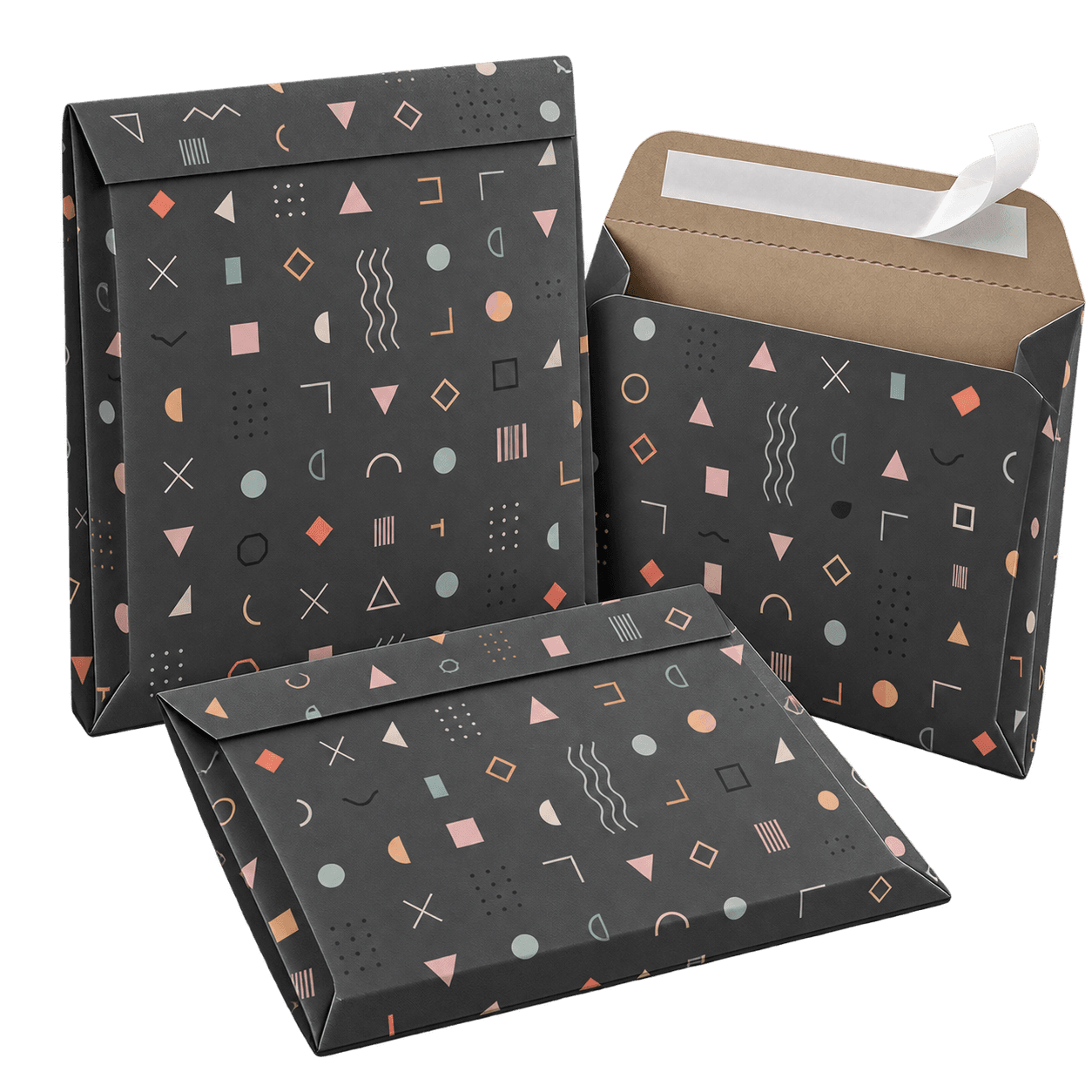
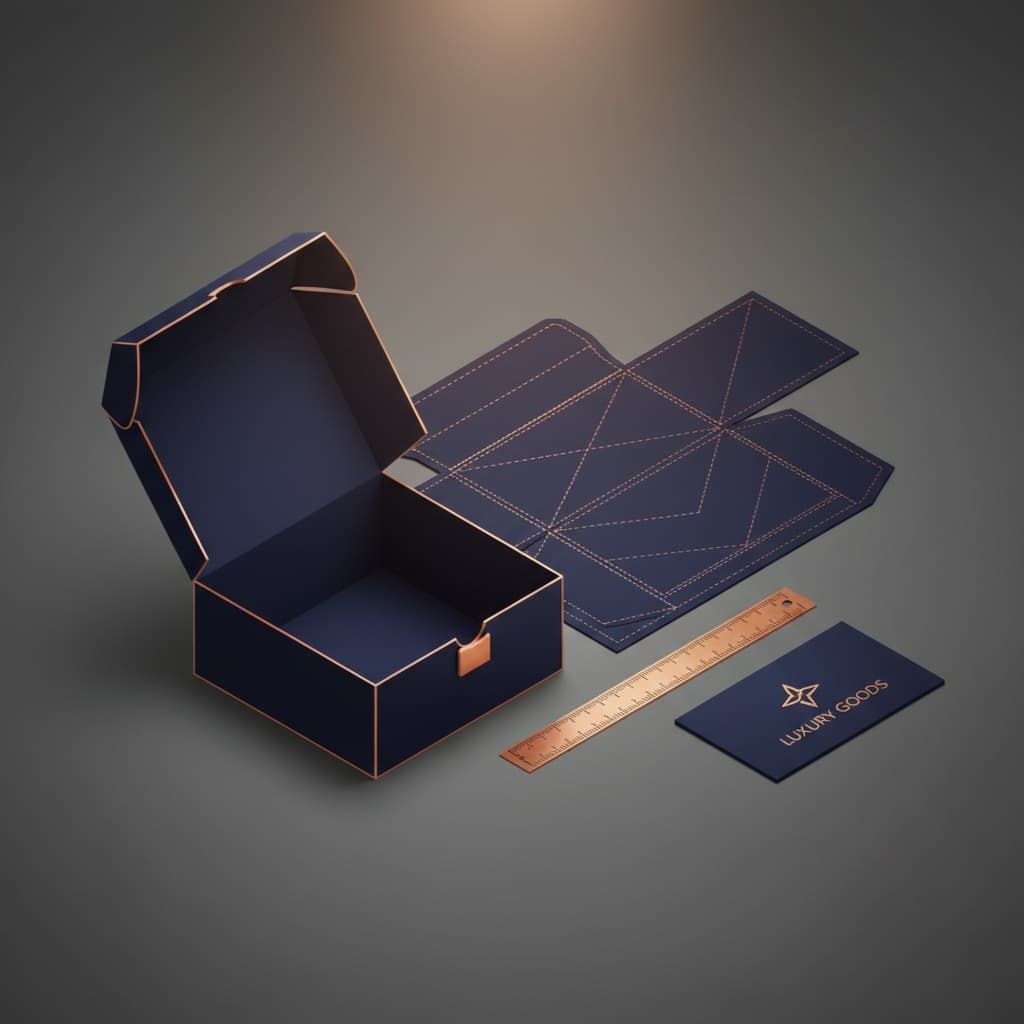
The outside dimensions are only one part of the specification. The flap, adhesive position, opening direction and internal pieces affect how quickly the envelope can be packed and how neatly the customer can open it.
Peel-and-Seal Closure
A pressure-sensitive adhesive strip gives the packing team a quick way to close the envelope without applying separate tape or glue.
The strip can be positioned on the closing flap according to the structure. Once the contents are inserted, the release liner is removed and the flap is pressed into place.
For operations where quick packing matters, this gives custom mailing envelopes a cleaner workflow than traditional moisture-activated envelope glue.
Tear-Strip Opening
A perforated tear strip can create a defined opening point for the recipient.
This works particularly well when the outer flap has been securely sealed and you do not want customers pulling apart glued edges or cutting into the package. The tear area needs to be planned at dieline stage so that it opens cleanly without interfering with artwork, fold lines or the contents.
A tear strip can also make a relatively simple paperboard envelope feel much more intentional because the opening method becomes part of the experience rather than an afterthought.
Adhesive and Tear Strip Together
For ecommerce packs, event materials and branded product mailouts, the most useful setup can be an adhesive strip for closing plus a separate tear strip for opening.
The two functions should be treated independently in the structure. The sealing area needs enough surface for reliable adhesion, while the opening strip needs enough clearance from the product and artwork.
If your main priority is rapid pack-out across a different mailer format, compare self-sealing mailers as well.
Card and Insert Pockets
Some custom envelope packaging needs to carry more than one flat component.
A paperboard slip pocket can hold an entry card, information card, leaflet, voucher or separate printed piece so it stays organized rather than moving freely inside the envelope. The pocket can be sized independently from the main envelope and printed to coordinate with the outer pack.
For projects like this, we recommend defining the main contents and secondary insert before the dieline is finalized. A small change in pocket depth or card thickness can affect the finished fit.