Skip to content
Details

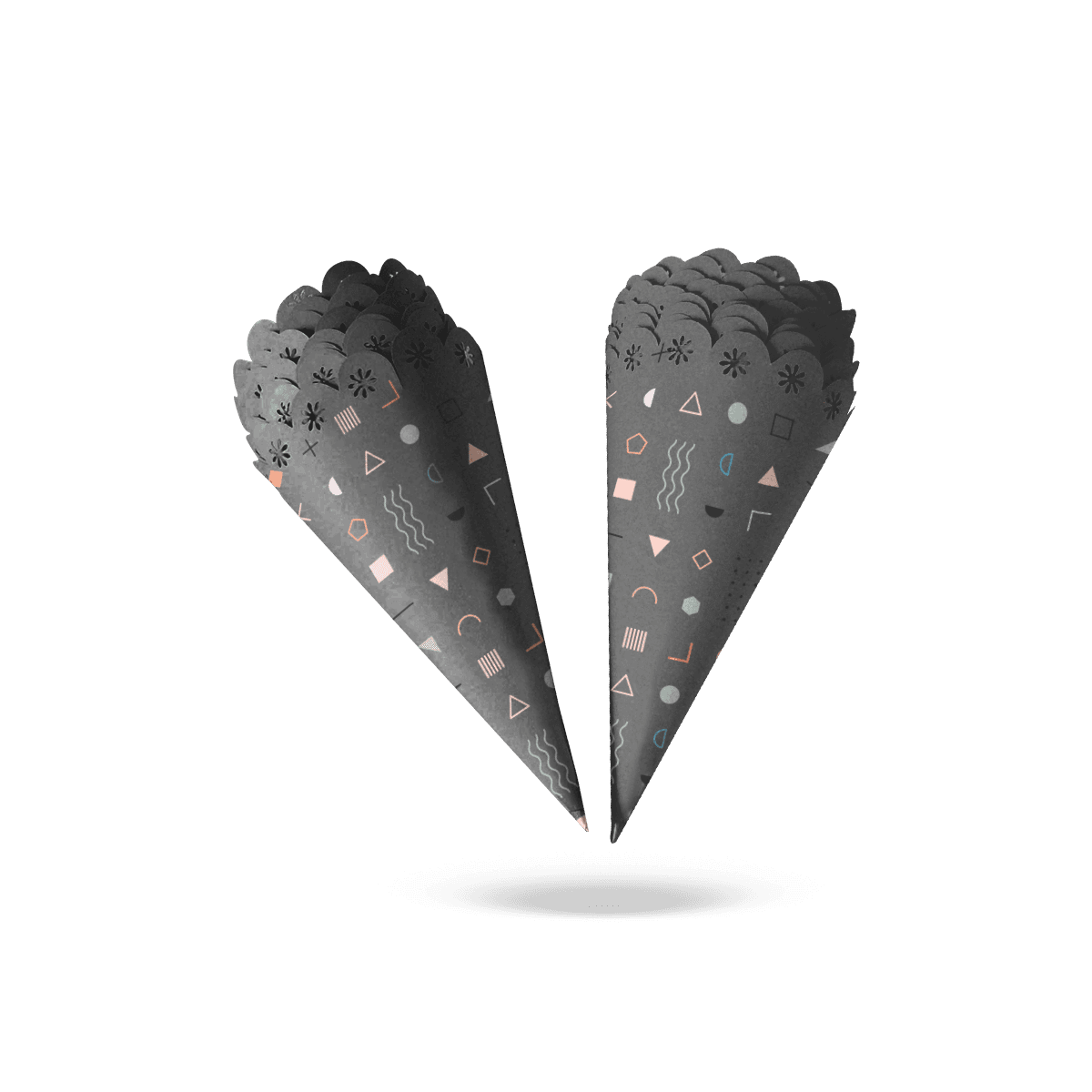
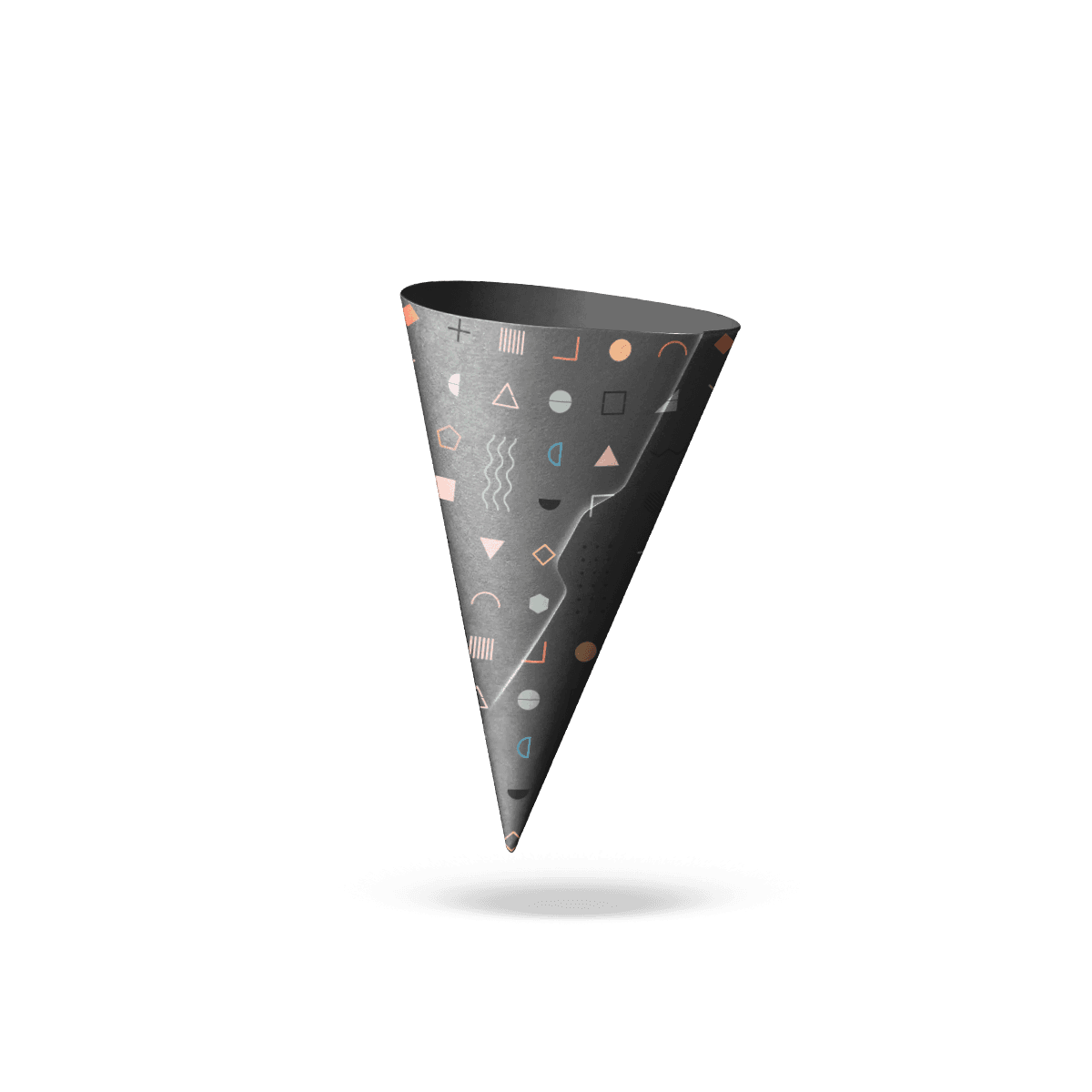
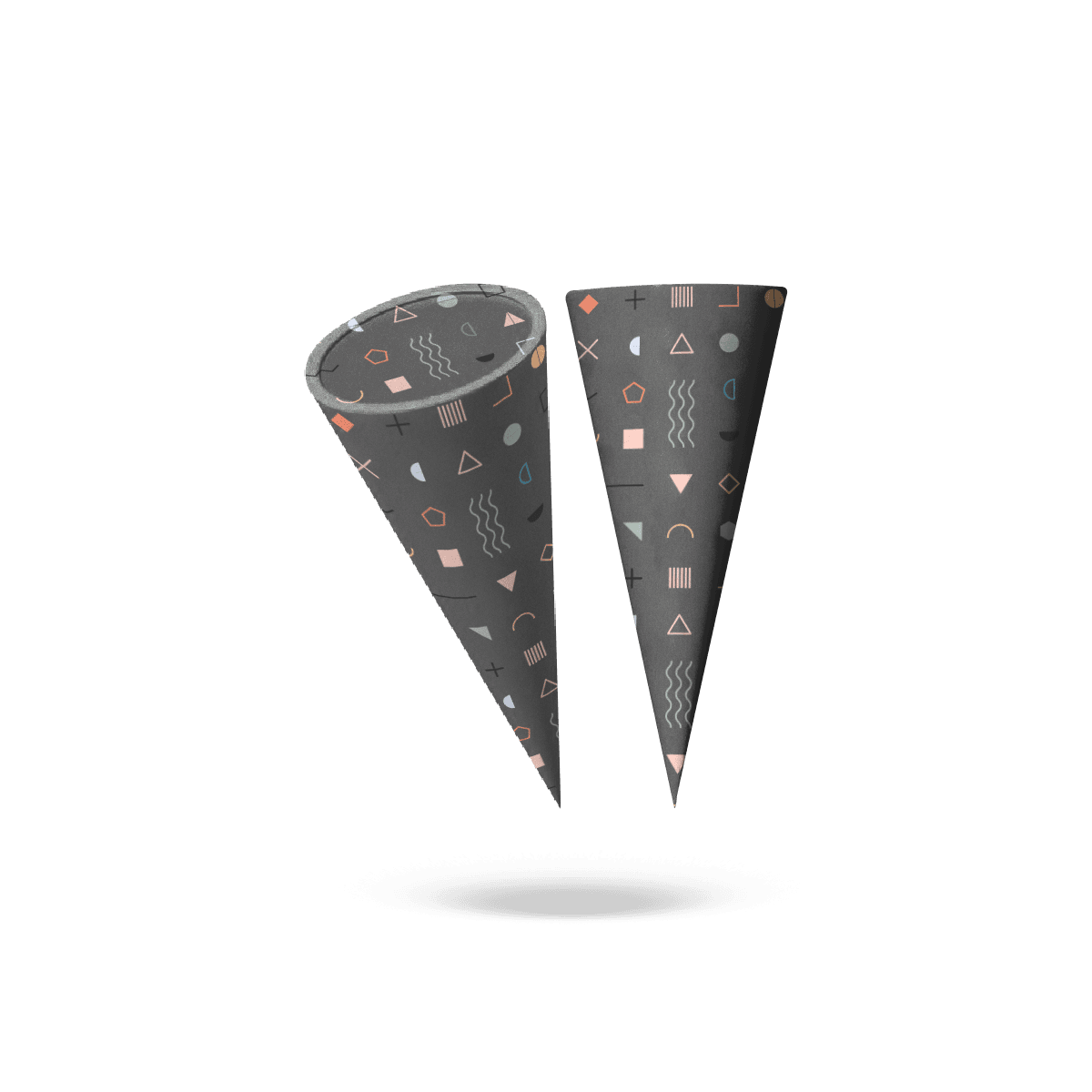
Custom Cardboard Cone Sleeves

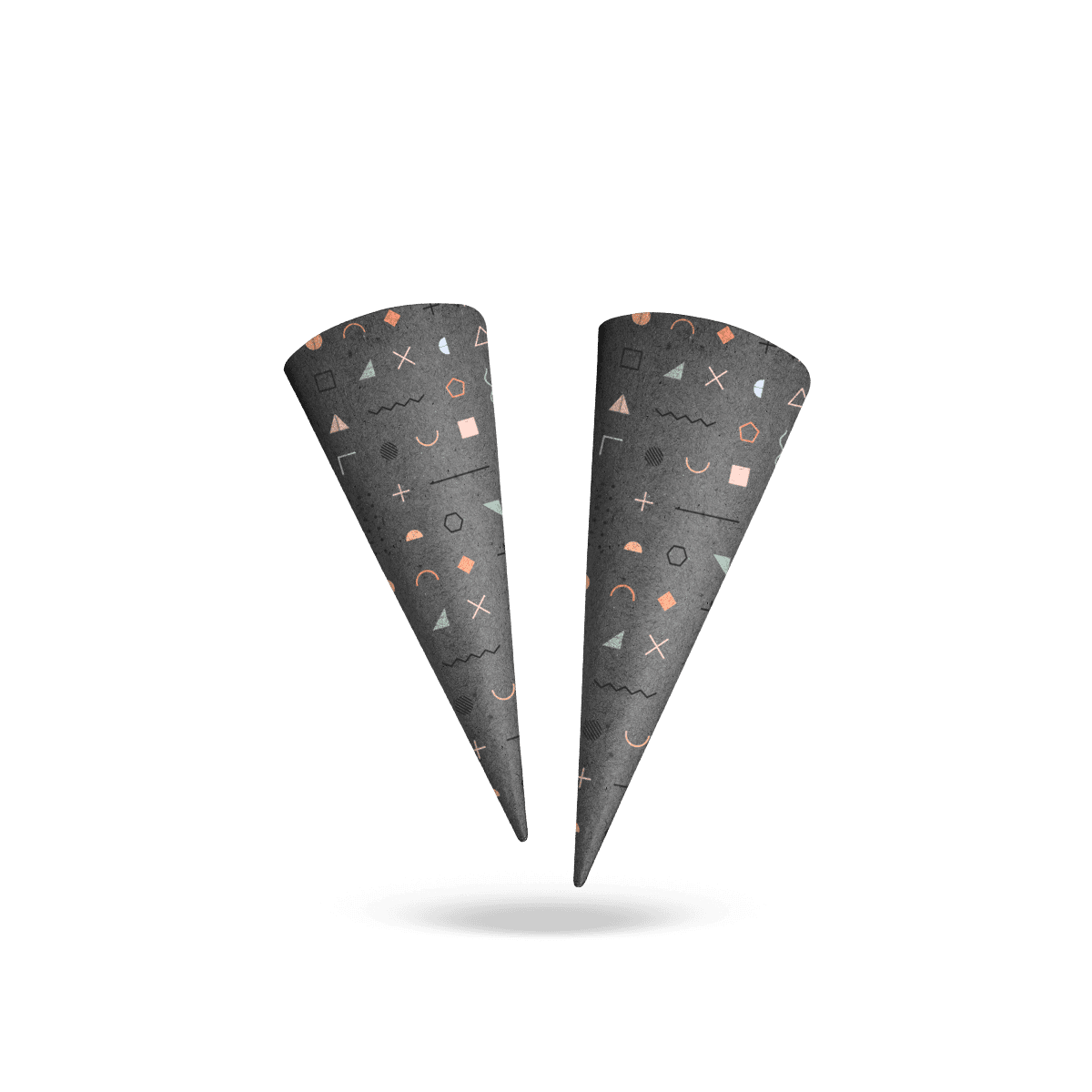
Add firmness without making the sleeve difficult to wrap by matching paperboard thickness, taper and seam behavior to the actual cone and service pace.

Grip Reveals Board Stiffness

A cone sleeve can feel flimsy before it ever looks wrong. Lightweight paper bends easily around a taper, but it can soften, buckle or lose its shape when customers grip it firmly. Cardboard changes that behavior by giving the sleeve more body.

The goal is not maximum thickness. The goal is enough stiffness to keep a clean holding shape without making the sleeve fight the cone.

Custom Cardboard Cone Sleeves make the most sense when the serving needs a firmer hand feel, cleaner shape retention or a stronger printed surface than lightweight paper. That can suit larger dessert cones, premium servings, catered presentations and situations where the sleeve stays in the customer’s hand for longer.

Across custom cone sleeves, material only works when it still follows the real cone taper and service method.

Cardboard Means Paperboard Here

For this type of sleeve, cardboard normally means a heavier paperboard or cardstock construction rather than corrugated shipping board.

That distinction matters. Corrugated flute adds thickness and directional rigidity that generally make little sense around a small curved cone. Paperboard gives a smoother printable face while still being capable of wrapping into a tapered sleeve.

The board grade, thickness, surface and stiffness should be chosen together. Two stocks of similar thickness can still bend differently, so caliper alone does not describe the finished feel.

More Weight Is Not Better

Moving to heavier stock can improve firmness, but excessive stiffness creates another problem. The sleeve may resist curving around the cone, spring outward at the seam or feel bulky in a small hand.

A sleeve that looks substantial while lying flat may therefore perform worse after forming.

The practical question is how much structure the serving actually needs. A large waffle cone carrying multiple scoops may justify more body than a small sugar cone served and eaten quickly.

If low material weight and easy wrapping matter more than firmness, Paper Cone Sleeves are usually the cleaner direction.
Thickness Changes the Fit

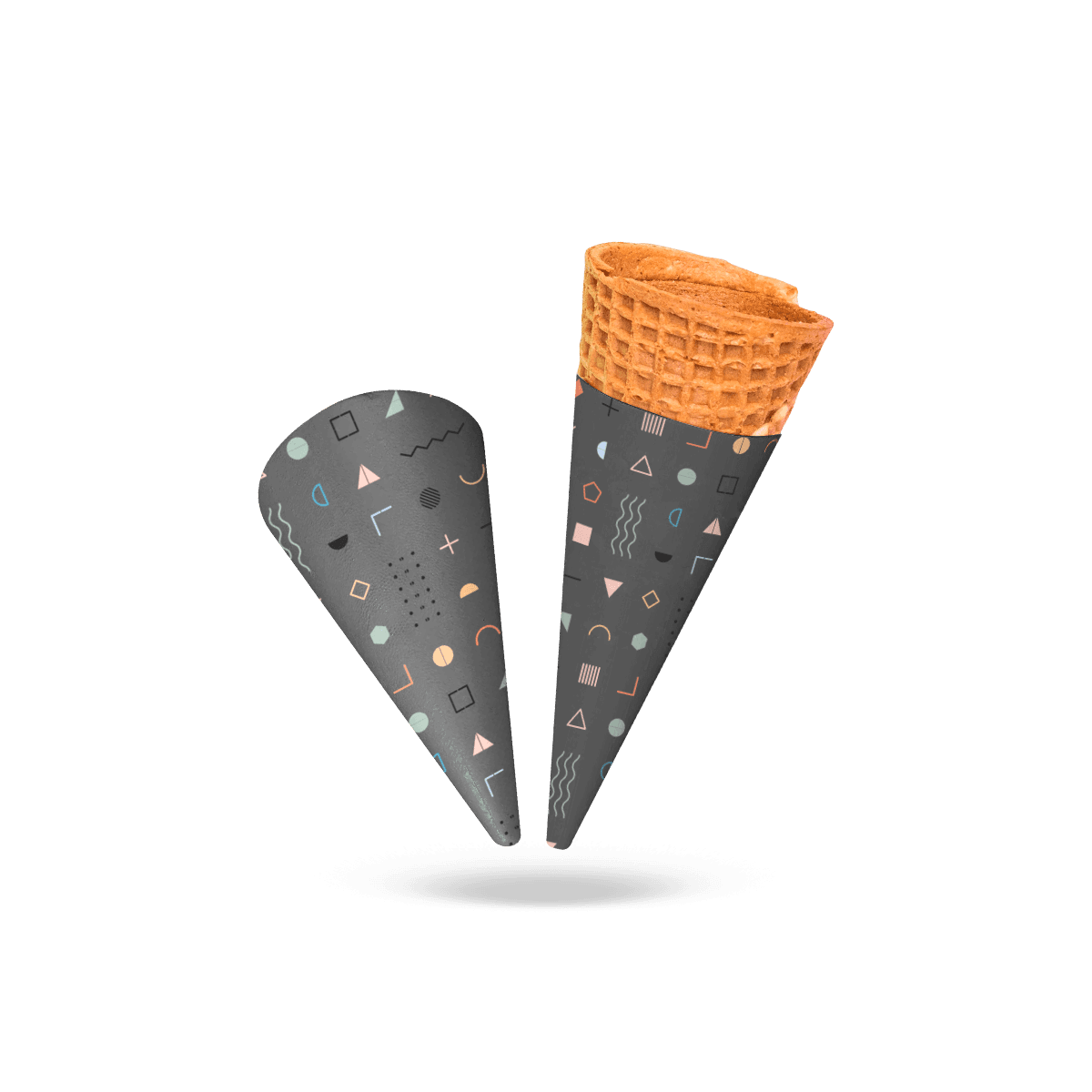
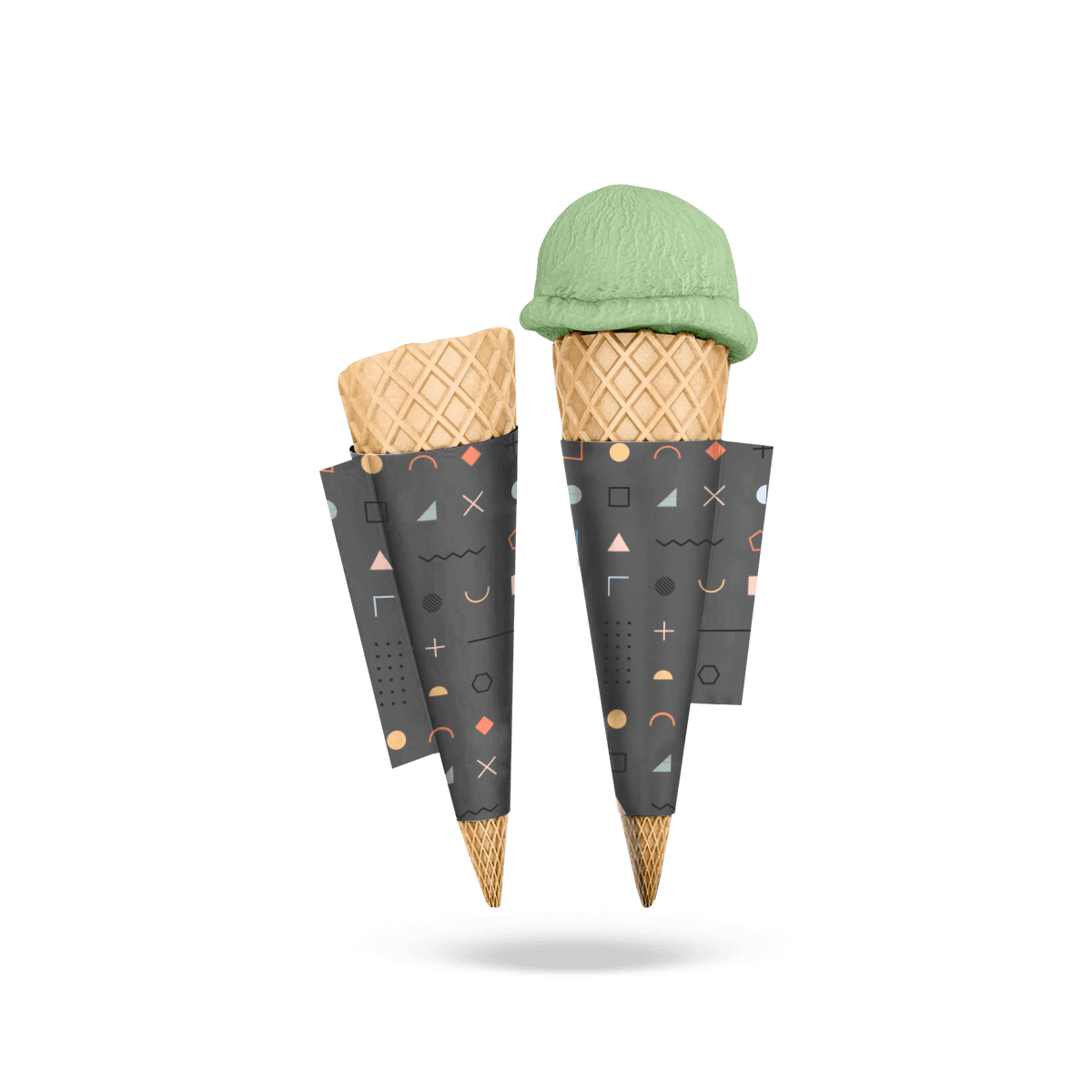
Changing the stock can change the fit even when the flat dieline stays the same.

A heavier board occupies more space as it wraps around the cone. The overlap also becomes thicker. On a close-fitting sleeve, those small changes can make the finished piece sit higher, grip more tightly or require extra pressure during application.

That is why the final paperboard should be chosen before the sleeve geometry is treated as finished.

Measure at Grip Height

The rim diameter does not tell you where a cardboard sleeve will stop.

Measure the actual cone at the height where customers naturally hold it. That is the diameter the sleeve has to follow in use.

For larger waffle cones, Waffle Cone Sleeves still need their geometry set around the actual cone profile rather than relying on the material to create grip.

A firm sleeve that is too loose will rotate or slide. A firm sleeve that is too tight can put more pressure on a brittle cone because the board does not flex as readily as lighter paper.

Recheck the Overlap

The side overlap has to close securely while keeping the sleeve smooth enough to hold comfortably.

More overlap can strengthen the joint, but it also creates a thicker ridge. Less overlap reduces bulk but leaves less bonding area.

The right amount depends on board stiffness, adhesive behavior and the finished taper. It should be evaluated as part of the complete sleeve rather than copied automatically from a light-paper version.

For shops using more than one cone profile, cone sleeve sizing helps frame whether one dieline can realistically serve both.

Paperboard Has Springback

Paperboard wants to recover toward its flatter state after bending. That springback becomes more noticeable as stock gets stiffer.

A well-converted sleeve controls that tendency through material selection, grain orientation, seam design and forming geometry. If those elements work against each other, the sleeve can open slightly, create a flat spot or put constant stress on the glued overlap.

That problem is easy to miss when material is selected from appearance alone.

Curves Should Stay Smooth

A cone sleeve needs a continuous curve, not a series of hard bends.

Board that is too rigid for the sleeve diameter can start to look faceted around the cone. Instead of following the taper smoothly, it develops visible planes or pressure points.

This matters most on smaller cones where the radius is tighter. The same board that wraps cleanly around a large waffle cone may be awkward around a narrow serving.

Material stiffness therefore belongs beside cone diameter in the specification.

Grain Direction Matters

Paperboard bends more readily in one direction than the other because of fiber orientation. Grain direction can affect how easily a sleeve forms, how much it springs back and how cleanly the surface stays after wrapping.

The production layout should account for that behavior rather than treating grain orientation as irrelevant to a small sleeve.

Custom Packly can coordinate board thickness, print method and surface treatment through its packaging capabilities before artwork is finalized.

Counter Storage Gets Bulkier

A firmer sleeve changes more than the customer’s grip. It also changes how many sleeves fit beside the serving station and how easily staff separate them during a rush.

Heavier paperboard takes up more stack space than lightweight paper. Stiffer sleeves may also resist being compressed tightly together.

That can matter in compact food trucks, kiosks and event stations where packaging competes with cones, cups, toppings, napkins and utensils for counter space.

Test Stack Separation

One clean sample does not show how one hundred sleeves behave together.

Take a working stack and separate pieces at normal counter speed. Watch for edges catching, sleeves sticking together or the board springing open before staff are ready to place it on the cone.

The sleeve should be firm in the customer’s hand without becoming awkward for the person serving it.

This is also where coating and printed coverage can affect handling. A surface that looks excellent in isolation may create extra drag when many pieces are stacked face to face.

Watch Preloading Behavior

Some service teams place sleeves on cones before peak periods. A cardboard sleeve needs to stay in position without squeezing the cone excessively or occupying unnecessary storage space once the cones are prepared.

If several sleeved cones are nested or stored close together, board thickness can change spacing. The packing routine should be checked with the finished stock rather than assumed from a paper prototype.

Dessert counters often coordinate sleeves with boxes, bags and other takeaway packaging, so the same service workflow should inform Food, Bakery & Restaurants packaging decisions.

Print Likes a Stable Face

One advantage of a firmer paperboard sleeve is a more stable surface for artwork. The board keeps its shape better while being handled, which can help logos, patterns and solid color areas stay visually clean in the customer’s hand.

That does not mean every cardboard sleeve needs complex printing. Small tapered pieces still reward restraint.

A strong logo, a clear color field and one recognizable graphic treatment usually survive the curve better than crowded copy.

White Board Keeps Color Bright

A white paperboard face gives printed colors a neutral base. That is practical when artwork depends on bright CMYK graphics, lighter tones or controlled brand colors.

Natural brown board creates a different result because the stock color influences the artwork. White areas and pale colors cannot be assumed to behave like they do on white stock.

The board decision should therefore be made before final artwork approval.

Artwork Follows the Curve

A tapered sleeve distorts the visual relationship between the flat artwork and the assembled front.

Place the main logo where it faces outward after wrapping. Keep small text clear of the overlap and avoid placing critical artwork too close to the upper or lower cut edge.

Custom Packly can review prepress, supply free design and dieline support and create a free 3D mockup before production. A digital proof can then confirm artwork placement and color setup on the approved specification.

If graphics are the main decision rather than board stiffness, Custom Printed Cone Sleeves put the visual treatment at the center of the specification.

Board Must Match the Food

Paperboard adds structure, but structure is not the same as barrier performance.

A thicker sleeve may feel stronger while still being unsuitable for heavy moisture, grease or prolonged contact with messy food. Do not select cardboard simply because it feels substantial.

The surface requirement has to follow the serving.

Dry Service Favors Simplicity

For relatively dry cones, firmer paperboard can work mainly as a structural and branding choice. The sleeve gives the hand more separation from the cone while holding its printed shape.

This can suit dessert presentations where the cone itself is clean and the stronger feel is part of the intended handoff.

Moisture Needs Another Decision

Melting dessert, condensation or very wet toppings change the material requirement.

If moisture barrier is the real reason for moving beyond plain paper, Aluminum Foil Cone Sleeves address that different material job.

A heavier paperboard sleeve should not be described as moisture resistant merely because it is thicker. Any coating, laminate or barrier claim has to match the exact production construction.

Oil Can Defeat Heavy Board

Grease migration can stain or soften board regardless of how premium the stock feels.

For oily snacks or buttery servings, Grease-Proof Cone Sleeves put residue control ahead of stiffness.

If the sleeve will directly contact food, the intended stock, inks, coatings and adhesives should be confirmed for that exact use before production.

Price the Converted Sleeve

The material name alone is not enough for accurate pricing. A cardboard cone sleeve quote depends on the complete converted piece.

Important inputs include:

  • actual cone profile
  • preferred sleeve height
  • paperboard type
  • board thickness
  • overlap and seam method
  • exterior print coverage
  • brand color requirements
  • coating or finish where needed
  • quantity
  • artwork status

Board weight can affect both material cost and conversion behavior, so the cheapest heavier stock is not automatically the most economical choice. If it creates slower forming, bulky stacks or an unnecessarily thick seam, the operational cost can outweigh the stronger feel.

When board grade, taper, print and quantity are settled, request an instant custom packaging quote.

Cardboard Must Earn Its Weight

Choose cardboard because the extra stiffness improves the serving, not because heavier packaging automatically feels more premium.

It earns its place when the sleeve needs to hold a cleaner shape, resist casual crushing, support a firmer grip or carry printed artwork on a more substantial surface.

It adds less value when the serving is small, the cone is eaten quickly and lightweight paper already performs well. It can also become counterproductive when the board is so stiff that the sleeve springs open, creates a bulky seam or puts extra pressure on a fragile cone.

The strongest specification balances four things at once: board stiffness, cone taper, stack behavior and customer grip.

Approve those together. A cardboard sleeve that feels good in the hand but slows service is not finished. A sleeve that serves quickly but looks crushed by the time the customer receives it is not finished either.

Custom Cardboard Cone Sleeves work best when the stronger material changes the physical experience in a practical way, while the cone still slides in easily, the seam stays controlled and staff can move through a busy service without adjusting each sleeve by hand.

FAQs

They feel more stable in hand and usually offer a better print surface. That makes them a stronger option when presentation, portion control, and branding are all part of the buying decision.

For dry or lightly greasy items, yes. For heavier oil content, buyers often pair the sleeve format with a grease-resistant inner treatment or choose a more barrier-focused alternative.

Cardboard Cone Sleeves usually give better visual impact because they hold their shape more consistently and provide a more solid print panel. Paper Cone Sleeves are lighter and more economical, but they are not always as crisp in presentation.

Yes. Their shape is easy to stack, quick to fill, and simple for staff to hand over during lunch rushes, cinema traffic, and event service.

A custom size makes sense when portion weight, topping height, or the product shape creates overfill, loose fit, or inconsistent presentation with off-the-shelf dimensions.

Process

How it works

Your Packaging Journey, From Idea to Production and Delivery

01

Tell Us Your Specs

Custom packaging boxes

Tell Us Your Specs

Provide size, quantity, printing, and finishes.

02

Get a Fast Quote

Custom packaging boxes

Get a Fast Quote

Instant transparent pricing, no hidden fees.

03

Design and Approval

Custom packaging boxes

Design and Approval

Artwork checks, revisions, and final sign-off.

04

Produce

Custom packaging boxes

Produce

Expert manufacturing to meet deadlines.

05

Ship to Your Door

Custom packaging boxes

Ship to Your Door

Hassle-free, flexible delivery options.

Get Your Quote for Custom Cardboard Cone Sleeves

Share your product details, size, quantity and artwork needs. We’ll help choose the right packaging style and send a clear quote.