Skip to content
Details

Custom Grease-Proof Cone Sleeves

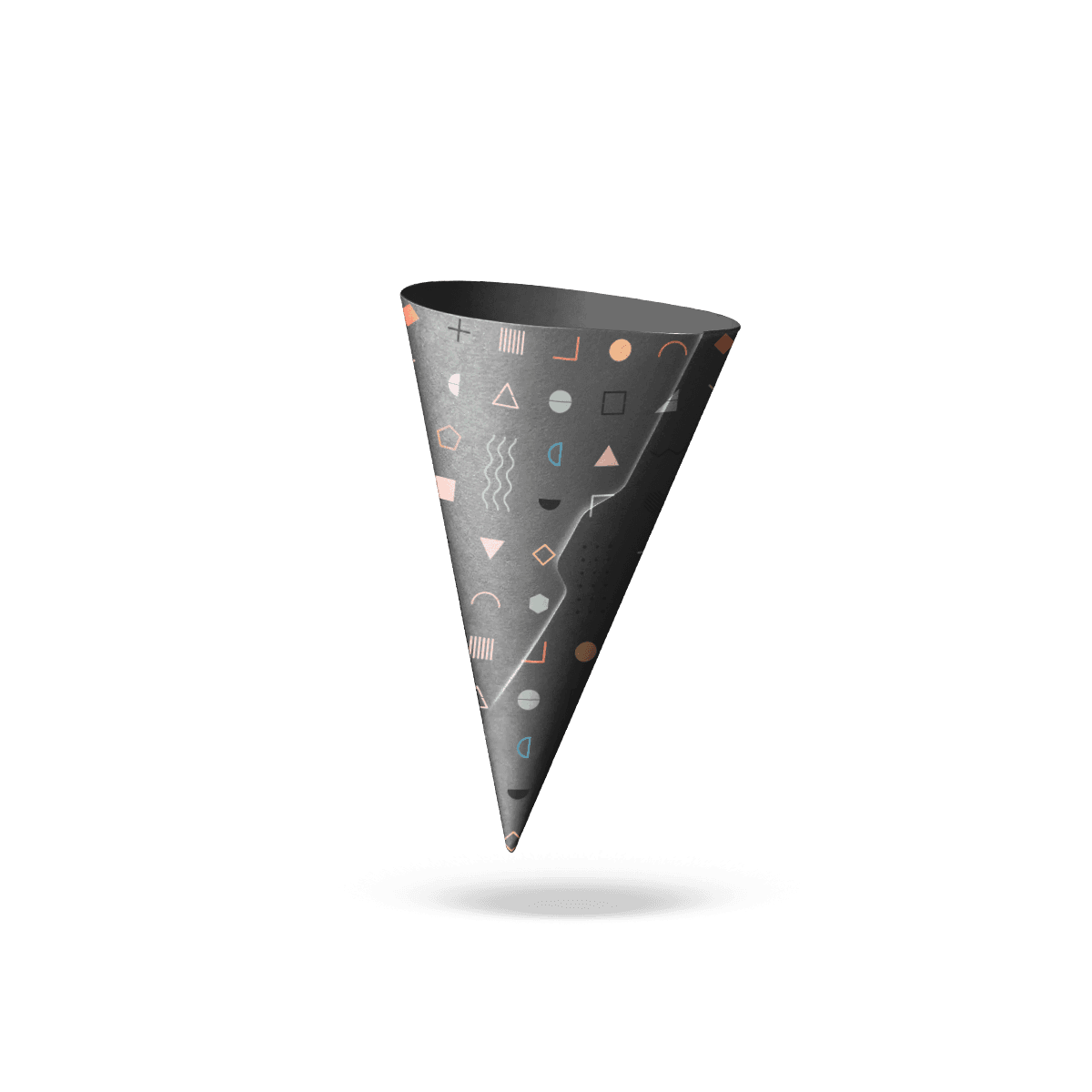
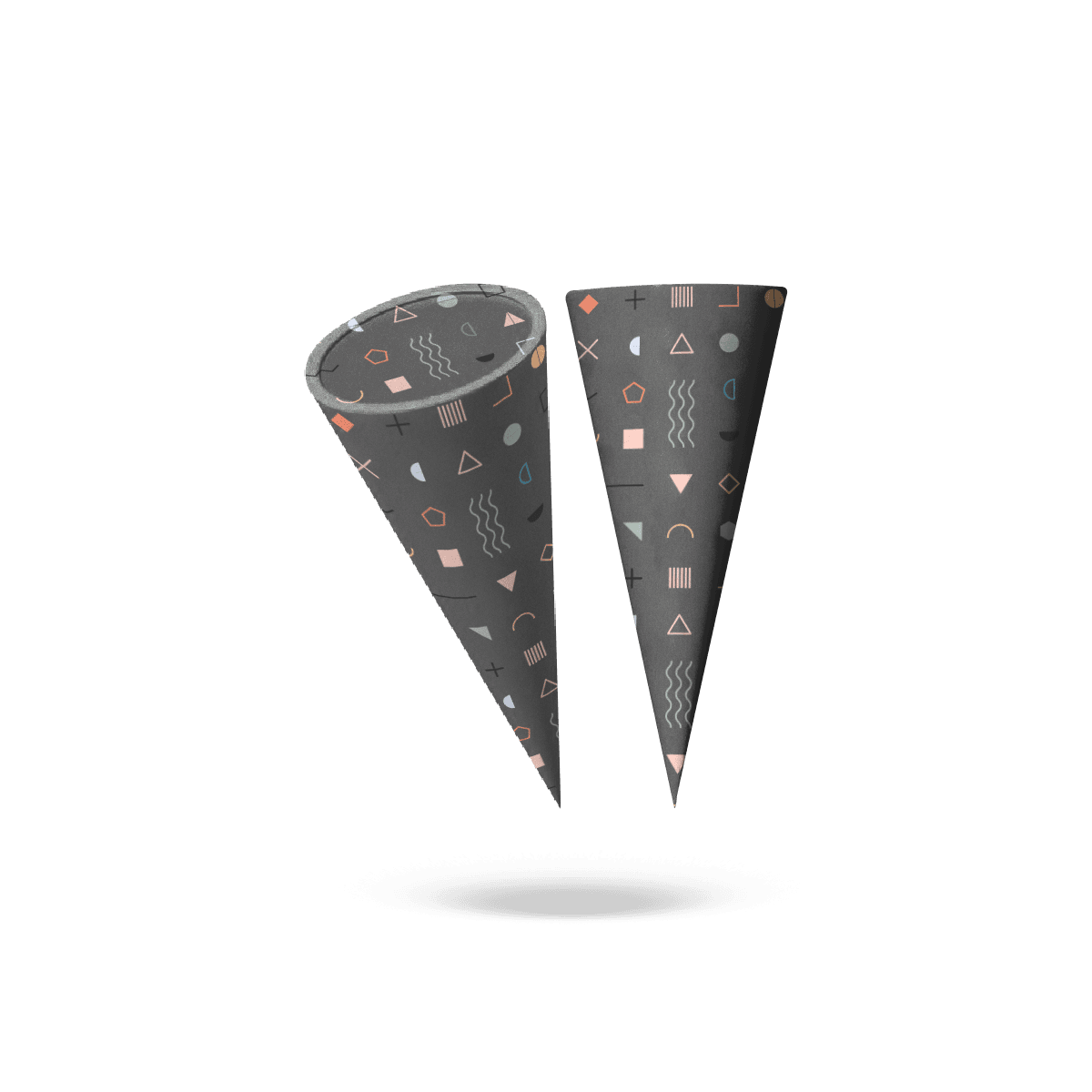
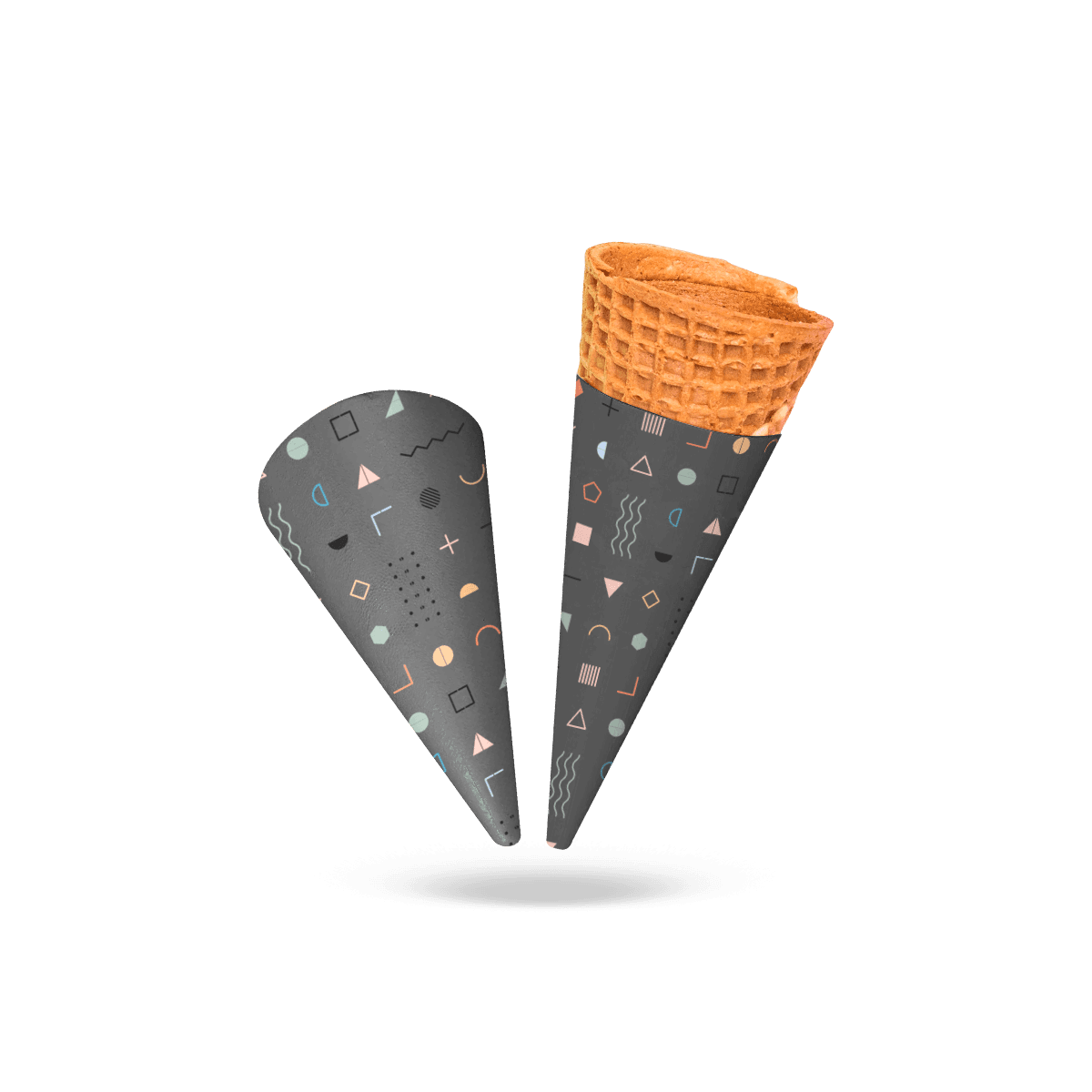
Grease-resistant sleeves specified around oil exposure, serving temperature and holding time, helping fries, churros and other handheld snacks keep a cleaner outer grip from counter to last bite.

The First Failure Is Usually a Dark Patch

A grease-proof sleeve rarely fails because it cannot hold the food. The first visible problem is usually oil migrating toward the outside surface.

That stain can develop while the sleeve still feels structurally sound. As oil continues through the paper, the grip may become slicker, printed areas can look uneven and the package can appear tired before the customer has finished eating.

Custom Grease-Proof Cone Sleeves therefore need to slow grease transfer for the actual serving period. The requirement is not simply “thicker paper.” Oil resistance comes from the complete material construction and has to match what is being served.

Warm fries, churro pieces, buttered snacks and roasted foods can expose paper differently. Temperature, oil load, seasoning, holding time and direct contact area all affect what the sleeve experiences.

The Custom Cone Sleeves structure supports several handheld serving jobs, while grease-proof construction earns its place when oil migration becomes one of the main reasons for choosing the sleeve.
Map Where the Grease Actually Starts

The messiest part of the serving is not always where the customer holds it.

Fries may concentrate oil toward the lower part of the filled cone. Churro pieces can leave residue along several surfaces. Buttered snacks may touch nearly the entire interior. Sauces can create isolated wet spots that behave differently from a light film of cooking oil.

Before choosing material, load the serving exactly as staff normally would and identify the highest-contact zones.

That tells you where resistance matters most.

Portion Depth Changes the Contact Area

A lightly filled sleeve exposes less interior surface than one packed near the top.

Increasing portion size can therefore change grease performance even when the food and paper remain unchanged. More product means more contact area, additional weight and often a longer eating time.

This is why finished fill height belongs in the specification.

Loose Pieces Move Oil Around

Small fries, churro bites, nuts and snack pieces shift while the customer walks and eats.

That movement repeatedly brings new food surfaces into contact with the paper. A sleeve that looks clean during a stationary counter test may behave differently after several minutes of normal carrying.

Testing needs movement as well as time.

Temperature Changes How Quickly the Sleeve Is Challenged

Freshly cooked food can place more demand on the sleeve than the same product after it has cooled.

The relevant question is not simply whether the snack is served hot. It is what temperature reaches the packaging during normal service and how long the food remains against it.

A fried snack may move directly from draining to seasoning to the sleeve. Another operation may hold the product briefly before serving. Those workflows can create different levels of oil and moisture exposure.

The material decision should therefore follow the actual kitchen sequence.

Drain Time Is Part of Packaging Performance

Packaging cannot correct an excessively oily packout process.

If product moves from fryer to sleeve while significant surface oil is still draining, even a resistant material receives a heavier load. A short operational change before filling can sometimes reduce the challenge placed on the paper.

The sleeve and food-preparation process should be considered together rather than asking one component to compensate for the other.

Steam and Grease Can Arrive Together

Warm food can release moisture while oil sits against the same paper surface.

The combination can soften some stocks faster than grease alone. This matters for fried snacks, warm pastries and covered portions that retain heat.

A realistic trial should therefore use the food at its normal serving temperature rather than testing resistance with room-temperature oil on an empty sample.

Grease Resistance Should Match the Holding Time

A customer eating fries immediately outside a food truck creates a different packaging requirement from someone carrying a snack across a stadium concourse.

The longer the serving remains in the sleeve, the longer oil has to migrate.

Define a realistic service window. It might include the time from filling to pickup, walking time and the period during which the customer continues holding the pack.

Then assess the material at the end of that interval.

This avoids two common mistakes: specifying too little resistance for long-held servings or adding unnecessary material to products that are consumed almost immediately.

The practical failures covered in Food Packaging Mistakes to Avoid Before Ordering Custom Boxes also matter when grease, temperature and service time interact.

Barrier Performance Is Not the Same as Heavy Stock

A thick paperboard sleeve can still show grease if its surface construction does not resist oil well enough. A lighter sheet with the right grease-resistant treatment may perform better for the actual service condition.

Stock stiffness and oil resistance should therefore be treated as separate decisions.

Stiffness affects how the sleeve holds shape, how it feels in the hand and how easily staff fill it. Grease resistance affects how quickly oil reaches the outer surface.

Increasing one does not automatically improve the other.

A Stiffer Sleeve Can Be Harder to Fill

If the stock resists opening or does not hold the intended cone shape cleanly, staff may need both hands to prepare it before filling.

That friction matters during quick-service work.

The material should have enough body for the serving weight while still opening and presenting a usable mouth for fast filling.

A Barrier Should Not Be Assumed from the Paper Name

Kraft, white paperboard and other paper descriptions tell only part of the story.

If resistance to grease is required, confirm the exact material construction and intended contact condition. Do not turn a generic substrate name into a claim about oil resistance or direct food contact.

Dry servings that mainly need a lightweight branded handhold fit Paper Cone Sleeves without making grease resistance the defining specification.

The Opening Has to Accept the Portion Without Overhandling

A grease-resistant material does little good if staff have to push oily food against the outer edge during filling.

The upper opening should suit the utensil and portioning motion used at the counter. Fries may be scooped or tipped in. Churro pieces may be transferred with tongs. Nuts or snack mixes may be poured.

Each action creates a different relationship between food and the sleeve opening.

If the mouth is too narrow, staff can smear oil or seasoning across the upper exterior before the customer even receives the serving.

Fill Height Needs a Margin at the Top

Food piled beyond the sleeve opening may look generous, but it increases the chance that oily pieces contact the customer's fingers or fall during movement.

The right headspace depends on product size and serving style. Long fries may project naturally while small snack pieces usually benefit from more containment.

The sleeve should support the intended portion without requiring staff to compress the food simply to keep it inside.

The Lower Taper Should Carry the Load

A conical serving sleeve concentrates product toward its narrower lower area.

That lower geometry has to support the portion without collapsing or creating an awkwardly thick point. For heavier snack loads, the material and seam need enough integrity to maintain the shape throughout handling.

The filled sleeve is more informative than a flat material sample because weight changes how the taper behaves in the hand.

The Seam Lives in the Grease Zone Too

Overlap and seam placement matter more on an oily serving than on a dry paper wrap.

Grease can migrate toward the joint and expose weaknesses in the way the sleeve is formed. Excess adhesive, poor alignment or an unnecessarily bulky overlap can also create an uncomfortable ridge where fingers naturally sit.

The joint should remain stable during the normal holding period without becoming the dominant feature of the grip.

Keep the Primary Graphic Away from the Joint

The overlap consumes part of the printable surface and can slightly change how ink or graphics appear once the sleeve is formed.

Place the strongest brand element on the face most likely to point outward during service. Do not rely on artwork that has to align perfectly across the seam unless that alignment has been checked on an assembled piece.

Sauce Exposure Can Find the Edge

Loaded fries and dessert snacks may carry sauces that behave differently from cooking oil.

A sauce can collect around the top edge or travel along a fold rather than soaking uniformly through the middle of the stock. Test the messiest normal serving rather than assessing the sleeve only with plain food.

Fries and Churros Stress the Sleeve Differently

Both can be oily, but their physical behavior is not the same.

Fries form an irregular bundle with pieces pointing in several directions. The sleeve opening needs to accept that loose structure while allowing easy access as the portion gets lower.

Churros may be longer, denser or cut into bites. Sugar and coatings can collect on the interior and outer edge while sauces introduce another source of moisture.

A grease-proof construction can serve both when the geometry and material work for both products, but one specification should not be assumed merely because both foods leave residue.

When pretzels or pretzel bites become the main serving, Pretzel Cone Sleeves can center the structure on that product's shape and portioning behavior.

Foil Changes More Than the Barrier

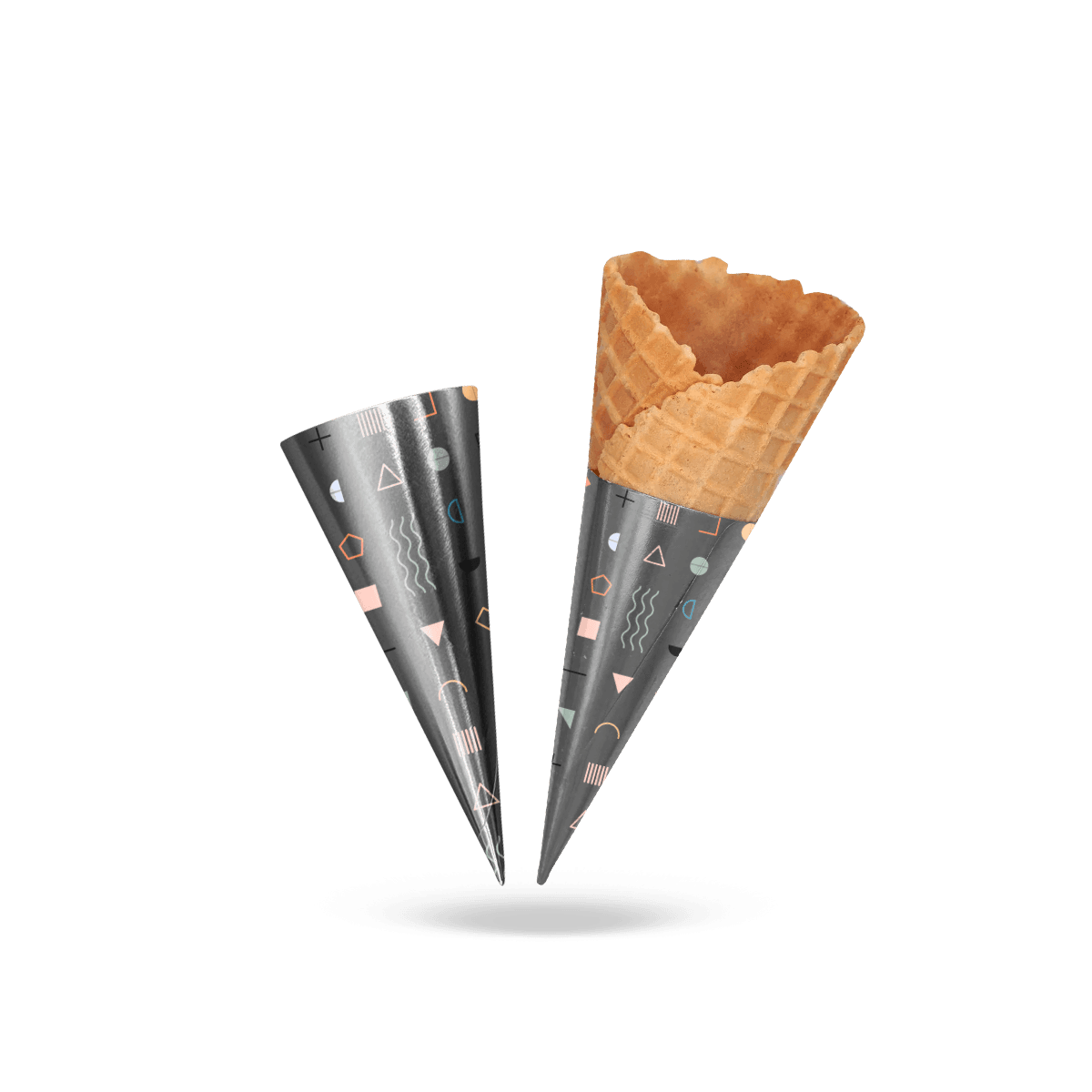
A foil-based serving piece creates a different hand feel, appearance and material structure from grease-resistant paper.

That can make sense for specific foods or presentation goals, but it should not be treated as the automatic next step whenever oil is present.

Aluminum Foil Cone Sleeves suit projects where the foil construction itself is part of the required handling or presentation.

Grease-Proof Cone Sleeves remain the stronger fit when the goal is a paper-based branded serving piece whose surface resistance has been specified around the food.

Printing Has to Stay Presentable as the Sleeve Is Used

A food-service sleeve is seen at the same moment it is being squeezed, turned and exposed to residue.

That makes print planning different from a carton sitting untouched on a shelf.

Large color fields can make grease marks more noticeable on some materials. Fine details near folds or overlap areas may lose impact once the sleeve is formed. Essential graphics should occupy the portion of the sleeve that remains visible around the customer's grip.

Premium offset printing can support clean branded runs and CMYK can handle multi-color graphics. Pantone colors can be considered when tighter brand-color control matters.

The print system still has to work with the chosen grease-resistant stock. Color should be approved on the material that will actually go into production rather than assumed from a screen preview.

Free design and dieline support and free 3D mockups can help resolve artwork before production.

Concession Lines Put Pressure on the Stack

Fast service starts before food enters the sleeve.

Staff need to separate one piece from the stack, open it quickly and fill it without several sleeves sticking together. Material treatment, stiffness and finished shape can all affect that movement.

Run a sequence rather than opening one piece carefully.

If every fifth sleeve takes extra handling, that interruption becomes part of the serving process. A grease-resistant surface should not create a new operational problem while solving oil transfer.

This matters particularly at stadiums, cinemas, amusement venues and temporary food stands where large groups can arrive at once.

Hospitality packaging fits event and guest-service programs where packaging has to work consistently across temporary counters and repeated handoffs.

Print Quantity Should Follow the Menu, Not Total Footfall

A venue may serve thousands of customers without every customer ordering the snack that uses this sleeve.

Forecast the packaging from actual portions. Separate regular menu demand from event peaks, seasonal products and temporary campaign artwork.

If several foods can share the same sleeve geometry and grease requirement, consolidating them can simplify stock. If one product is significantly hotter, oilier or heavier, forcing it into the same specification can weaken performance.

Price the sleeve against the actual food, exposure level and portion volume rather than using total venue footfall as the production assumption.

Approve the Sleeve at the End of the Eating Time

The strongest grease test is not the moment the snack is filled. It is the point when the customer would realistically be finishing it.

Fill the sleeve with the actual product at its normal serving temperature. Use the real portion and seasoning. Add the sauce if that is part of the normal order. Carry it, hold it and move the food around as a customer would.

At the end of the expected serving period, inspect the outside surface, grip zone, lower taper, seam and printed face.

Look for oil shadows, softened areas, discoloration, slipping or a seam that starts to feel different under the fingers. Also check whether resistance came at the cost of excessive stiffness or awkward filling.

The final specification should preserve that balance. Custom Grease-Proof Cone Sleeves need enough resistance to keep an oily serving presentable through normal use, while remaining easy for staff to fill and comfortable for customers to hold.

FAQs

They make the biggest difference with products that release visible oil or butter during service, especially fries, churro bites, roasted snacks, and warm concession items.

Choose Grease-Proof Cone Sleeves when the product is oily enough to affect hand feel or appearance. Paper Cone Sleeves are fine for drier servings, but they are not usually the better option for messier handheld foods.

Yes. With the right stock and print planning, the sleeve can still carry strong branding, simple messaging, and clear color blocking while maintaining functional performance.

No. They also work well for butter-coated popcorn, toasted snack mixes, pretzel bites, sugared churros, and other ready-to-eat servings that can leave residue on the pack.

Start with portion weight, serving temperature, and fill height. A well-sized sleeve helps keep the product contained and prevents overhandling at the top edge.

Process

How it works

Your Packaging Journey, From Idea to Production and Delivery

01

Tell Us Your Specs

Custom packaging boxes

Tell Us Your Specs

Provide size, quantity, printing, and finishes.

02

Get a Fast Quote

Custom packaging boxes

Get a Fast Quote

Instant transparent pricing, no hidden fees.

03

Design and Approval

Custom packaging boxes

Design and Approval

Artwork checks, revisions, and final sign-off.

04

Produce

Custom packaging boxes

Produce

Expert manufacturing to meet deadlines.

05

Ship to Your Door

Custom packaging boxes

Ship to Your Door

Hassle-free, flexible delivery options.

Get Your Quote for Custom Grease-Proof Cone Sleeves

Share your product details, size, quantity and artwork needs. We’ll help choose the right packaging style and send a clear quote.