Skip to content
Details

Custom Paper Cone Sleeves

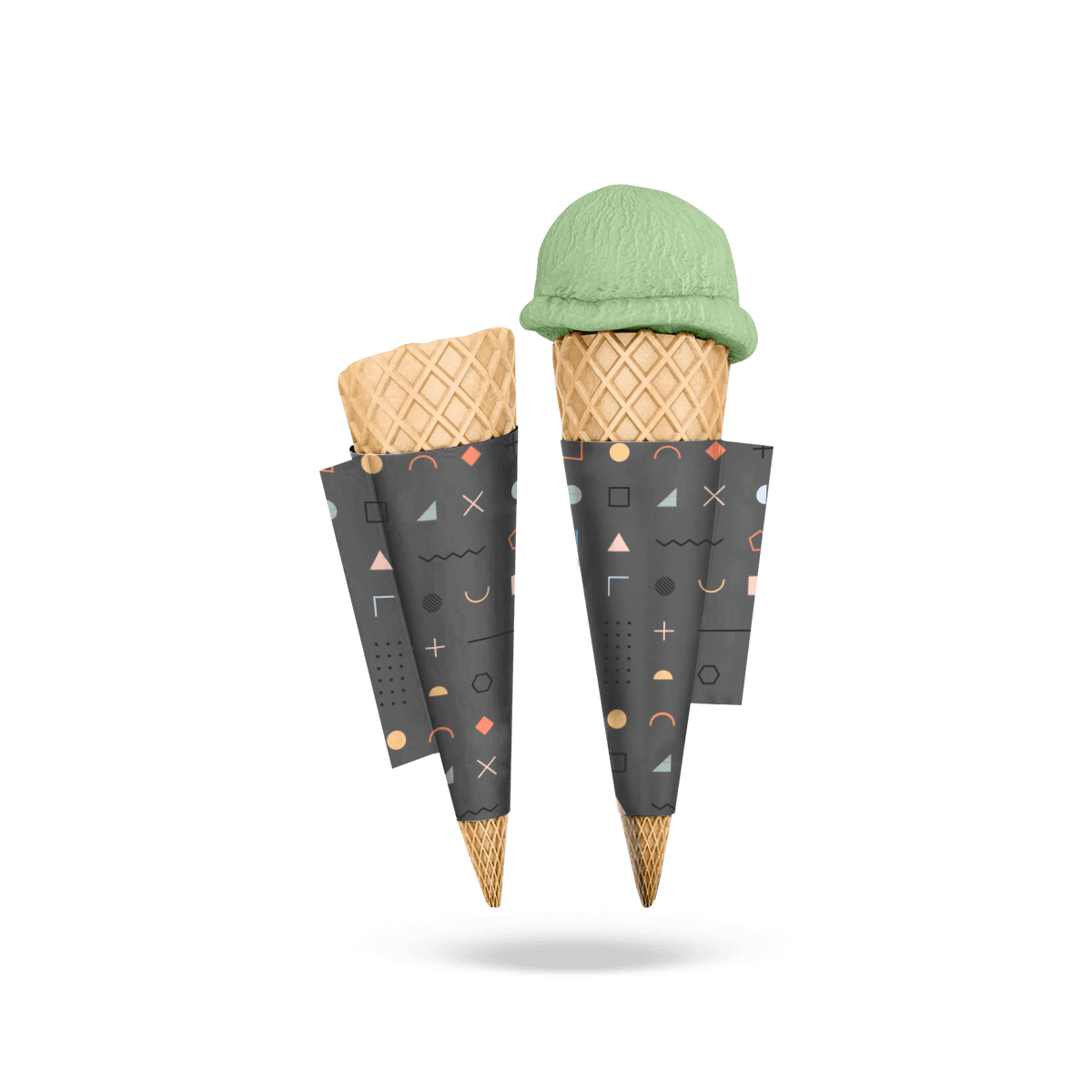
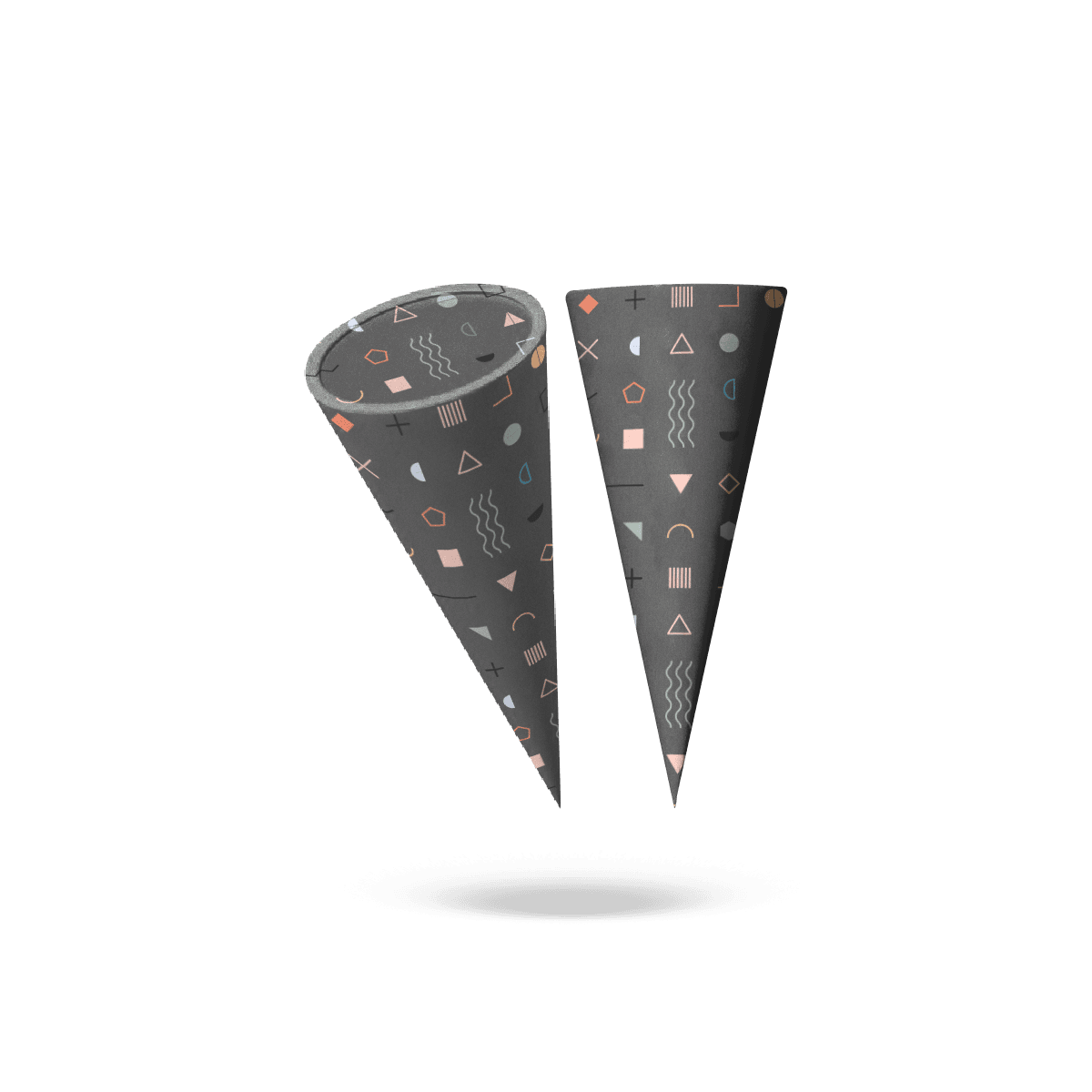
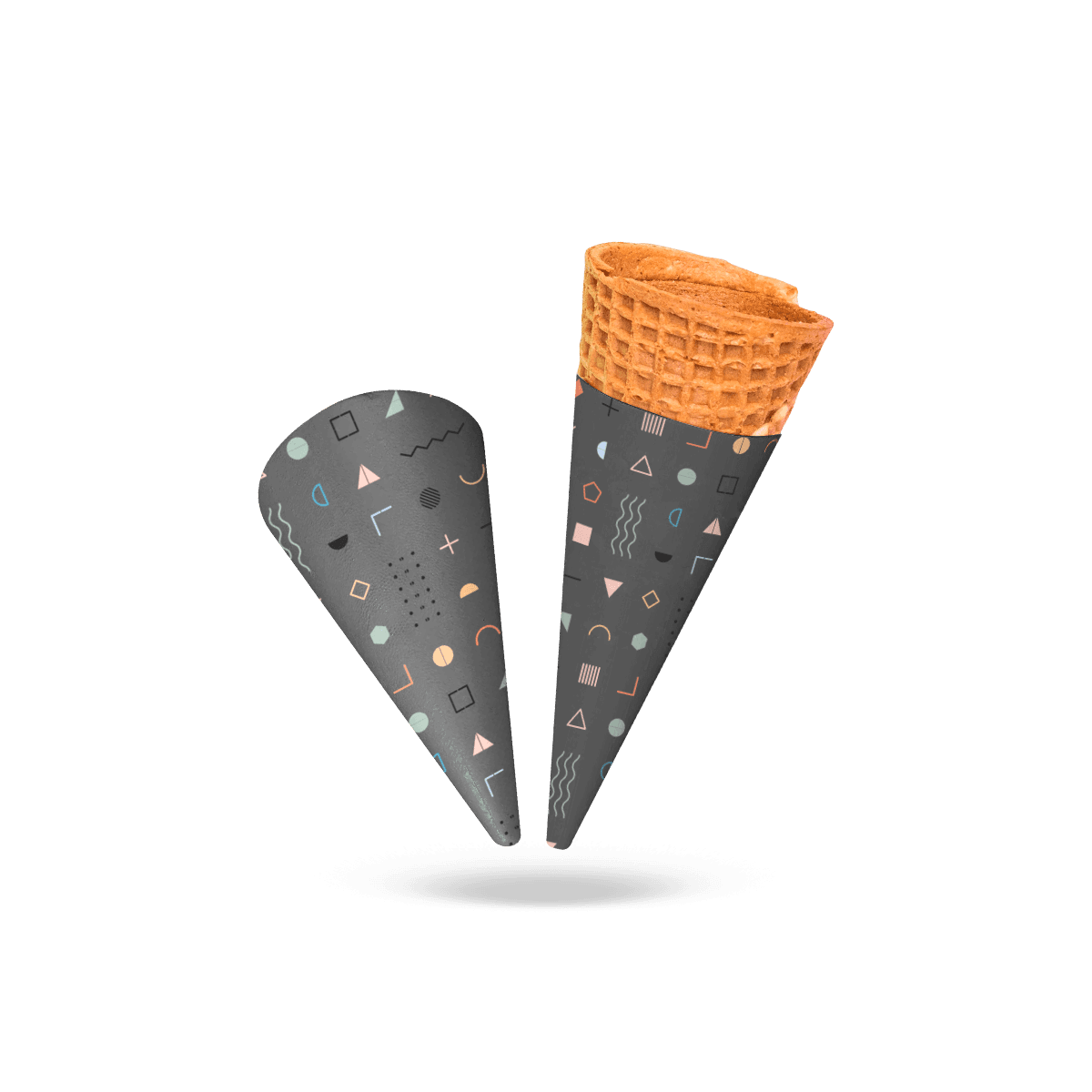
Lightweight paper sleeves matched to cone taper, grip position and serving conditions, giving fast-service counters a clean handhold without adding unnecessary bulk around the cone.

Paper Has to Bend Around the Cone Without Going Soft in the Hand

Paper cone sleeves occupy a narrow structural middle ground. The stock must conform cleanly around a tapered cone, yet stay firm enough that the customer does not feel the sleeve folding or collapsing where they grip it.

A heavier sheet is not automatically better. Extra stiffness can make a small sleeve harder to wrap around a steep taper and can increase spring-back at the overlap. Stock that is too light may conform beautifully when dry but lose body once exposed to condensation, warmth or repeated handling.

The first material decision is therefore how much flexibility the sleeve needs for the actual cone and service condition.

This is what gives Custom Paper Cone Sleeves their own job among cone packaging. They suit relatively light-duty service where paper can create the holding surface, print face and basic separation between the customer's hand and the cone without introducing a heavier board construction or specialized barrier.
The Grip Zone Determines How Much Paper You Need

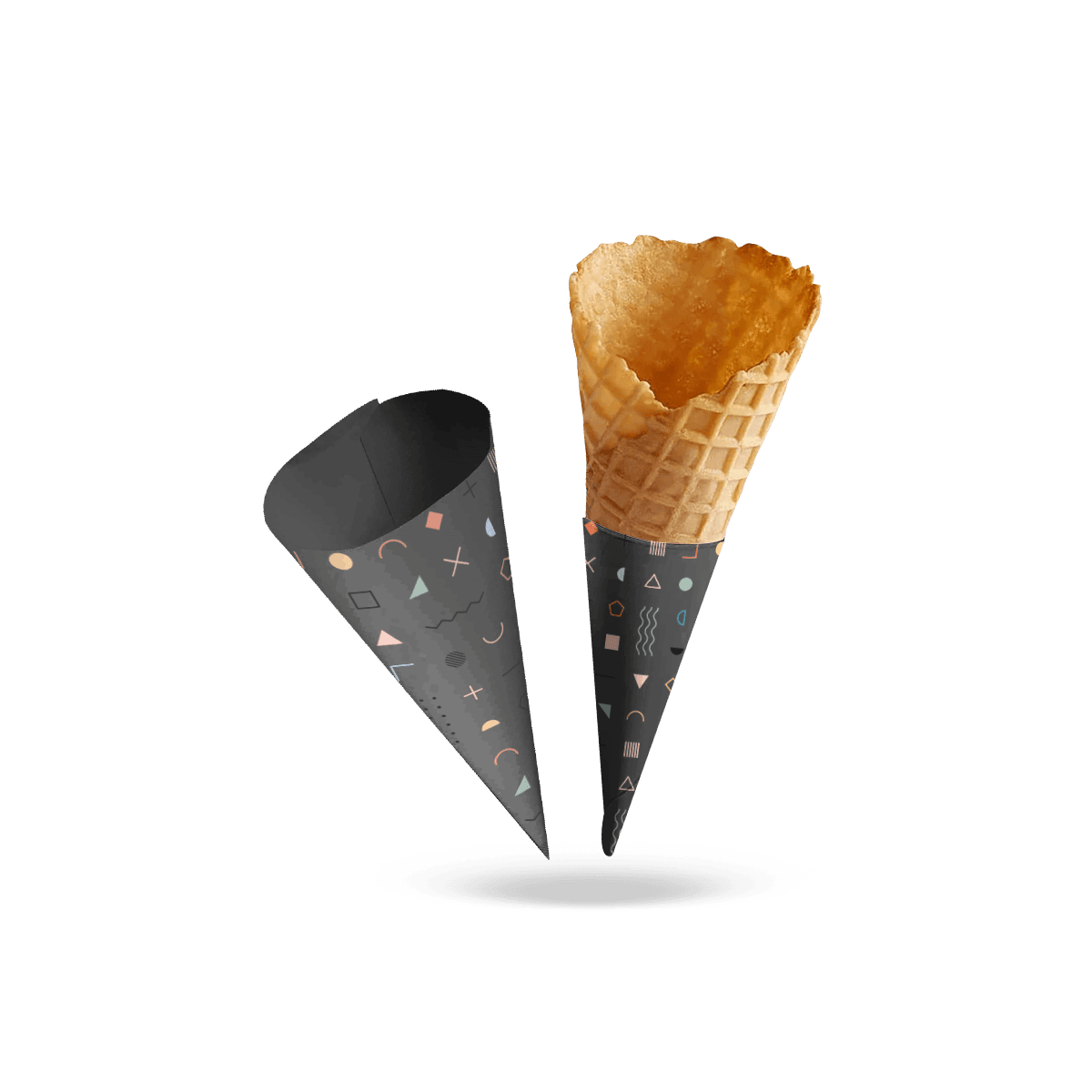
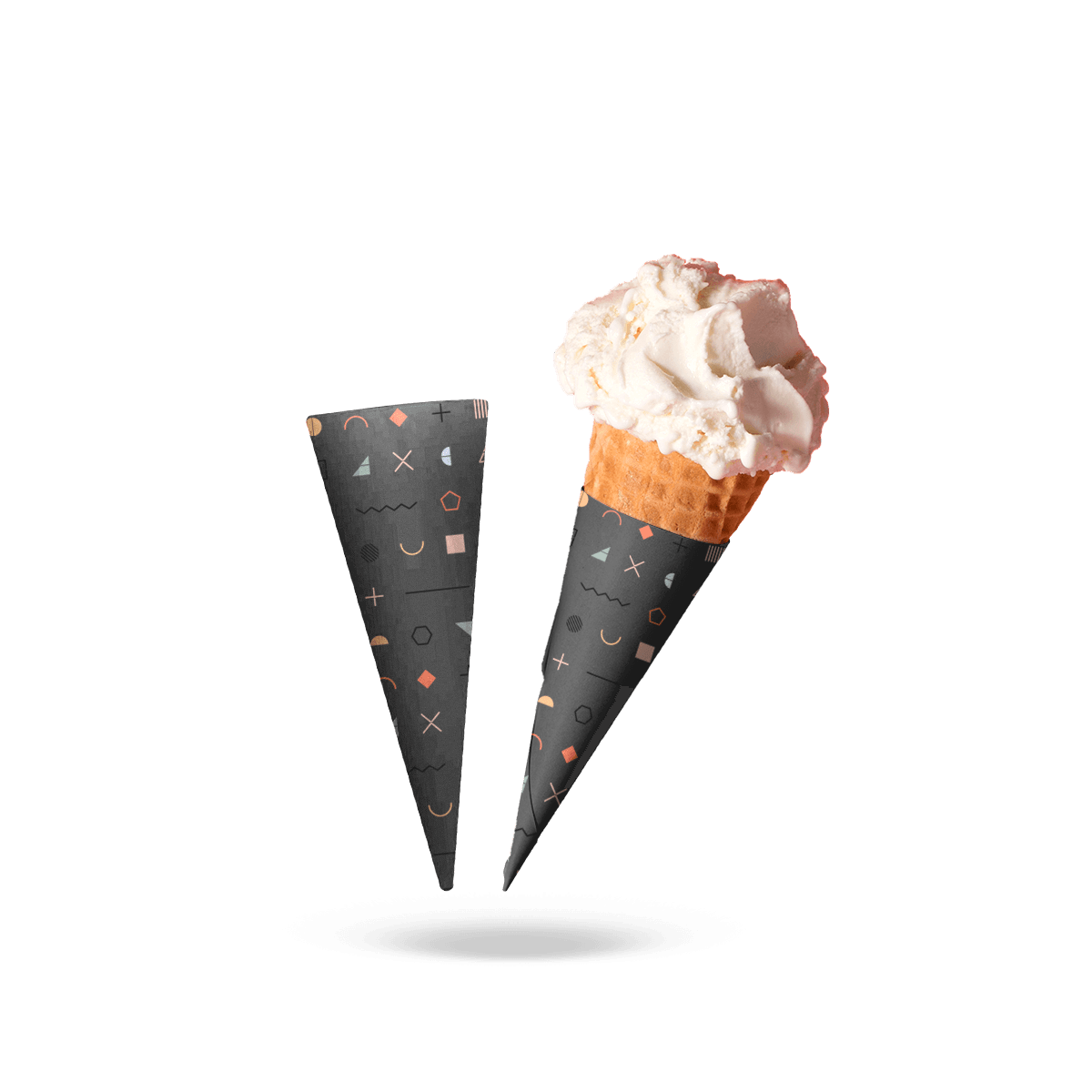
A sleeve does not need to cover the entire cone. It needs to cover the area customers naturally hold while leaving enough of the cone exposed for eating and presentation.

Watch a finished serving being handed across the counter. The customer's fingers normally settle somewhere between the lower tip and the food. That zone is more useful than the rim diameter alone when deciding sleeve height.

A short sleeve can feel neat and economical but leave too little gripping area. A sleeve that climbs too high can hide the cone texture, interfere with the food or make a generous serving look visually smaller.

The Custom Cone Sleeves system starts from the cone profile and natural holding position because sleeve height and taper have to work together.

Coverage Changes the Apparent Size of the Serving

Paper adds a visual boundary around the cone. Raising that boundary closer to the food can make the exposed cone appear shorter even when nothing about the portion has changed.

That matters for waffle cones, dessert cones and other products where the cone itself contributes to the presentation. The sleeve should create a recognizable handhold without swallowing the product visually.

Small Cones Need Proportionally Less Material

Scaling down a larger sleeve without reconsidering coverage can overwhelm a child-size or tasting portion.

Smaller cones usually have less gripping area and a steeper visual relationship between sleeve height and exposed product. The logo, overlap and top edge all have to fit into less space.

The result may need simpler artwork and a shorter sleeve rather than a miniature version of every feature used on a larger serving.

Taper Fit Matters More Than a Nominal Cone Size

Two cones sold as the same general size can narrow at different rates. A paper sleeve that sits properly on one can stop too high, slide too low or twist on another.

Measure the actual cone used in service. Record its diameter or circumference at the intended upper sleeve position and again lower down where the sleeve ends. Also record the vertical distance between those two points.

Those measurements describe the part of the taper the paper has to follow.

The practical sizing principles in cone sleeve sizing help when several cone types or supplier sizes are being considered.

Loose Paper Rotates Around the Cone

A sleeve that is too generous may appear acceptable when first applied, then rotate as the customer changes grip. That can move the logo away from the visible face and reduce the sense of control in the hand.

Trying to solve that problem by increasing overlap does not necessarily fix the underlying geometry. The formed taper still has to match the cone.

Excessive Tightness Slows the Counter

A sleeve that has to be pushed, twisted or worked upward becomes a service problem.

Paper should seat naturally at the intended grip point. If staff are applying force to every serving, the fit needs correction even if the final appearance looks acceptable.

The strongest check is repeated application with actual cones at normal working speed, not one carefully assembled sample.

Paper Stock Should Follow the Serving Condition

Dry, room-temperature snacks place relatively little demand on a paper sleeve. Frozen desserts, warm foods and buttery products change that equation.

For a simple dry serving, lightweight paper may be enough to create a clean handhold and printable surface. If condensation reaches the sleeve or the food releases oil, the stock can soften or show marks more quickly.

Paper Cone Sleeves should not absorb jobs that belong to specialist constructions. If grease migration is a recurring problem, Grease-Proof Cone Sleeves are the stronger direction because resistance to oil becomes the defining requirement.

Condensation Reaches the Sleeve from the Outside

Frozen desserts can create moisture on the cone or near the serving area as temperatures change. Even when the sleeve never touches melted product directly, that moisture can affect hand feel and paper stiffness.

The severity depends on serving time, climate, portion size and how high the sleeve sits. A shop where cones are consumed immediately has a different exposure period from an event where guests carry desserts around a venue.

Direct Contact Needs an Exact Material Decision

If food can touch the paper directly, confirm that the chosen stock, ink, adhesive and any coating are appropriate for that intended contact condition.

Do not turn a generic paper description into a food-contact claim. The exact construction matters.

The operational checks in food packaging mistakes to avoid are especially relevant when heat, grease, moisture and holding time change how paper performs.

The Overlap Is a Structural Part of the Sleeve

The overlap is easy to treat as leftover space on the artwork, but it determines how the flat paper becomes a stable tapered sleeve.

Too little overlap can create an unreliable joint or expose a gap if the sleeve opens under hand pressure. Excess overlap uses more material, can create a thicker ridge and reduces clean artwork space.

Its position also affects comfort. A prominent seam directly beneath the fingers can feel different from a smooth printed face.

Keep the Main Branding Away from the Join

The customer normally sees only part of the circumference at one time. A logo that looks centered on the flat dieline can rotate toward the seam once the sleeve is formed.

Place important graphics according to the finished sleeve orientation. The print file should account for overlap, curvature and the face most likely to point outward during handoff.

Flat Artwork Has to Anticipate the Curve

Horizontal lines, text and patterns can appear different once a tapered piece wraps into its working shape.

Free design and dieline support can help position artwork around the actual profile and a free 3D mockup can show how the design wraps before production. Premium offset printing can then support clean repeat graphics where the order and artwork justify it.

Paper Sleeves Earn Their Place at Busy Counters

One of paper's strongest advantages is operational simplicity. Sleeves are light, nest compactly and can be positioned near the serving station without occupying the storage volume of assembled cartons.

That advantage disappears if pieces cling together or require too much handling to open.

Take a working stack and time the natural motion: separate one sleeve, open or form it as required, apply it to the cone and complete the handoff. The paper thickness, cut accuracy and formed shape all affect that sequence.

At a busy dessert counter, fractions of a minute repeat across every order. The best sleeve is the one staff stop noticing.

Waffle Cones May Need More Than a General Paper Profile

Waffle cones commonly create a different fit problem because their upper body can be broader and their textured surface changes how the sleeve seats.

When that physical profile controls the design, Waffle Cone Sleeves deserve their own geometry rather than forcing a lightweight general-purpose paper sleeve onto a large cone.

The sleeve needs to reach its position without crushing brittle edges or covering so much of the textured cone that the serving loses part of its visual character.

A shop using both slim cones and broad waffle cones should test whether one sleeve genuinely works on both. Inventory reduction only helps if staff are not correcting the fit by hand on every order.

Sugar Cones Expose the Opposite Fit Problem

A narrower, faster-tapering cone can leave a sleeve developed for a broad cone sitting too low or feeling loose.

Sugar Cone Sleeves make more sense when the pointed profile itself controls where the wrap stops and how much grip is needed.

This boundary is important for Paper Cone Sleeves. Paper describes the material direction. Sugar, waffle and other cone-specific sleeves describe a physical serving profile. A paper construction can be developed for those cone types, but the cone geometry still determines the dieline.

Frozen Dessert Service Adds Another Requirement

A paper sleeve may be used around an ice cream cone, but “ice cream” does not define the cone shape.

An ice cream shop might serve a waffle cone, sugar cone or another profile. The frozen product introduces cold, melting and longer hand contact while the cone underneath still determines the sleeve taper.

Ice Cream Cone Sleeves fit programs where frozen-dessert service itself drives the sleeve specification.

Paper Cone Sleeves remain the simpler material-led choice when the service load is light and a conventional paper wrap provides enough structure.

Printing Works Best When the Message Fits the Surface

A cone sleeve has little room for visual hierarchy. Trying to reproduce the amount of copy used on a carton usually creates clutter.

A recognizable logo, strong brand color and one supporting element can occupy the visible face more effectively than several small messages. Fine text near the tip or overlap can become difficult to read after forming.

CMYK works for multi-color graphics while Pantone spot colors can be considered when tighter brand-color control matters. White paper gives bright colors a neutral base. Kraft-toned paper changes how lighter colors and unprinted areas appear, so artwork should be developed for the actual substrate.

For campaigns where print treatment is the main commercial purpose rather than paper behavior, Custom Printed Cone Sleeves can take the branding decision further.

Events Put More Attention on Handoff Consistency

A cone station at a wedding, festival, conference or hospitality venue may serve many portions in a short period. Guests also spend more time walking and standing with the food than they might at a small dessert counter.

The sleeve needs to go on consistently even when several staff members work the station. Fit variation, awkward stacking or an unclear orientation becomes more noticeable when the same action is repeated across multiple service points.

For event and guest-facing programs, Hospitality packaging can connect the cone serving piece with the rest of the handoff experience.

Paper also gives event graphics a lightweight surface for campaign artwork, venue branding or a temporary identity without turning the serving into a heavier package than it needs to be.

Quantity Planning Is Mostly a Service-Volume Question

Paper cone sleeves consume little individual storage space, but high-volume service can still create substantial inventory because each cone uses one sleeve.

Estimate demand from the number of servings rather than from general footfall. Separate regular cone service from seasonal events, promotional campaigns and alternate cone sizes. If two cone profiles need different dielines, treat them as separate stock requirements rather than assuming one total quantity can be divided later.

Once the cone profile, sleeve height, paper direction, print and quantity are established, price each cone profile against its actual specification rather than combining unlike sleeves into one volume assumption.

Approve the Sleeve at the Handoff Point

The final decision should happen where the sleeve is actually used.

Take several production-intent pieces and apply them to several real cones. Check whether they separate cleanly from the stack, reach the intended position without twisting and stay there when the cone is lifted. Hold the finished serving where a customer naturally would.

Then look at the paper itself. It should feel substantial enough at the grip, bend cleanly around the taper and remain comfortable without unnecessary thickness. The seam should not dominate the handhold and the visible artwork should face outward naturally.

Finally, repeat the process at normal service speed. A paper cone sleeve has succeeded when staff can apply it without adjustment, customers get a clean and stable grip and the material stays visually secondary to the food.

That balance is the real reason to choose paper: enough structure to improve the handoff without turning a simple cone into an overbuilt package.

FAQs

They work best for dry or lightly messy portions where quick handling, easy branding, and low material weight matter more than heavy grease or heat resistance.

Most buyers use simple logo printing, full color printing, or brand color matching so the sleeve stays easy to recognize without overcrowding a small format.

Paper Cone Sleeves are better when speed, flexibility, and lighter material use are the priority. Cardboard Cone Sleeves are the stronger option when you want a firmer feel, more shape retention, or a more rigid in-hand presentation.

Start with product length, portion weight, and how much of the serving should stay visible above the sleeve. That helps avoid overcoverage or a loose fit.

No. They also work for roasted nuts, popcorn portions, snack samples, pretzel bites, and other grab-and-go items that need a clean paper wrap rather than a bulky pack.

Process

How it works

Your Packaging Journey, From Idea to Production and Delivery

01

Tell Us Your Specs

Custom packaging boxes

Tell Us Your Specs

Provide size, quantity, printing, and finishes.

02

Get a Fast Quote

Custom packaging boxes

Get a Fast Quote

Instant transparent pricing, no hidden fees.

03

Design and Approval

Custom packaging boxes

Design and Approval

Artwork checks, revisions, and final sign-off.

04

Produce

Custom packaging boxes

Produce

Expert manufacturing to meet deadlines.

05

Ship to Your Door

Custom packaging boxes

Ship to Your Door

Hassle-free, flexible delivery options.

Get Your Quote for Custom Paper Cone Sleeves

Share your product details, size, quantity and artwork needs. We’ll help choose the right packaging style and send a clear quote.