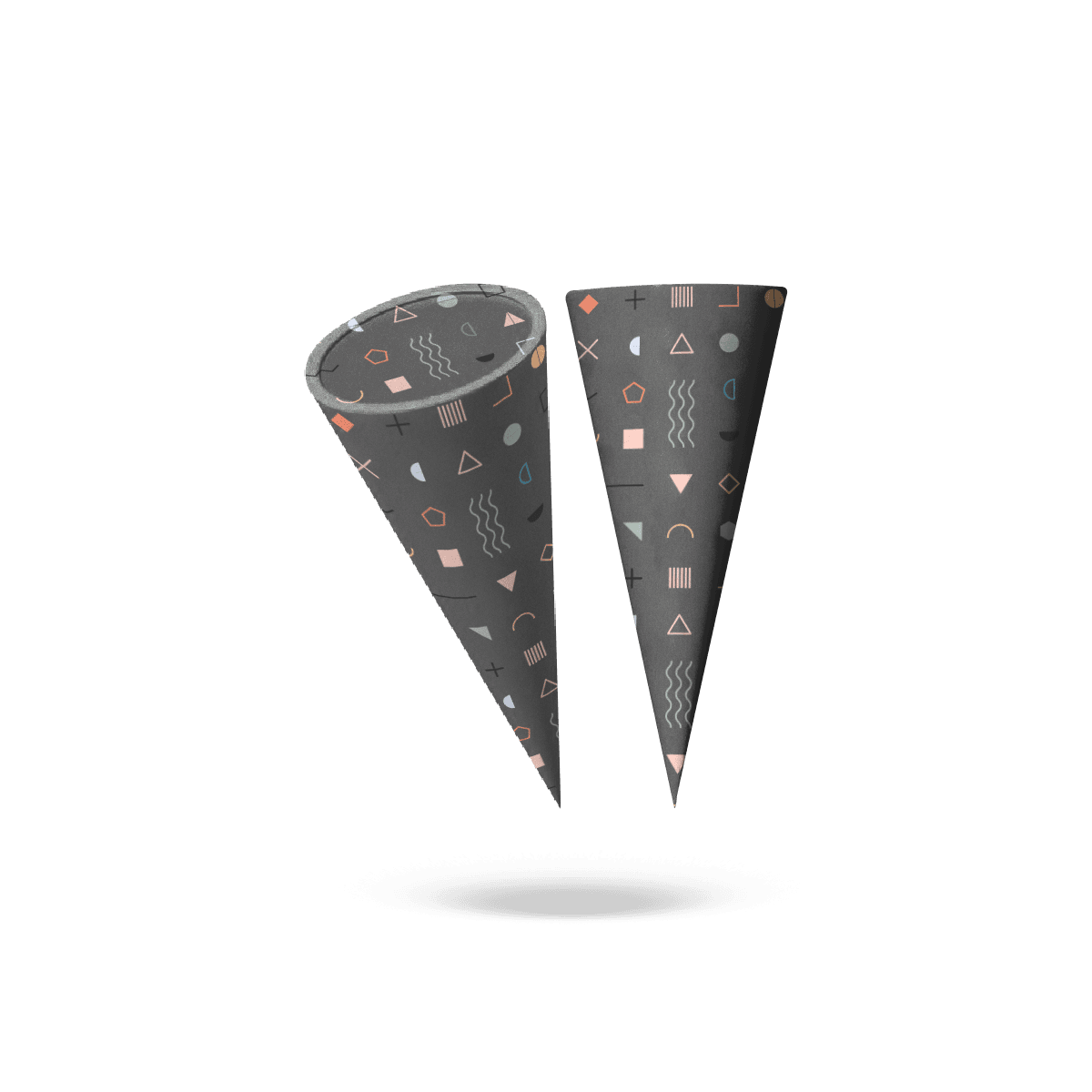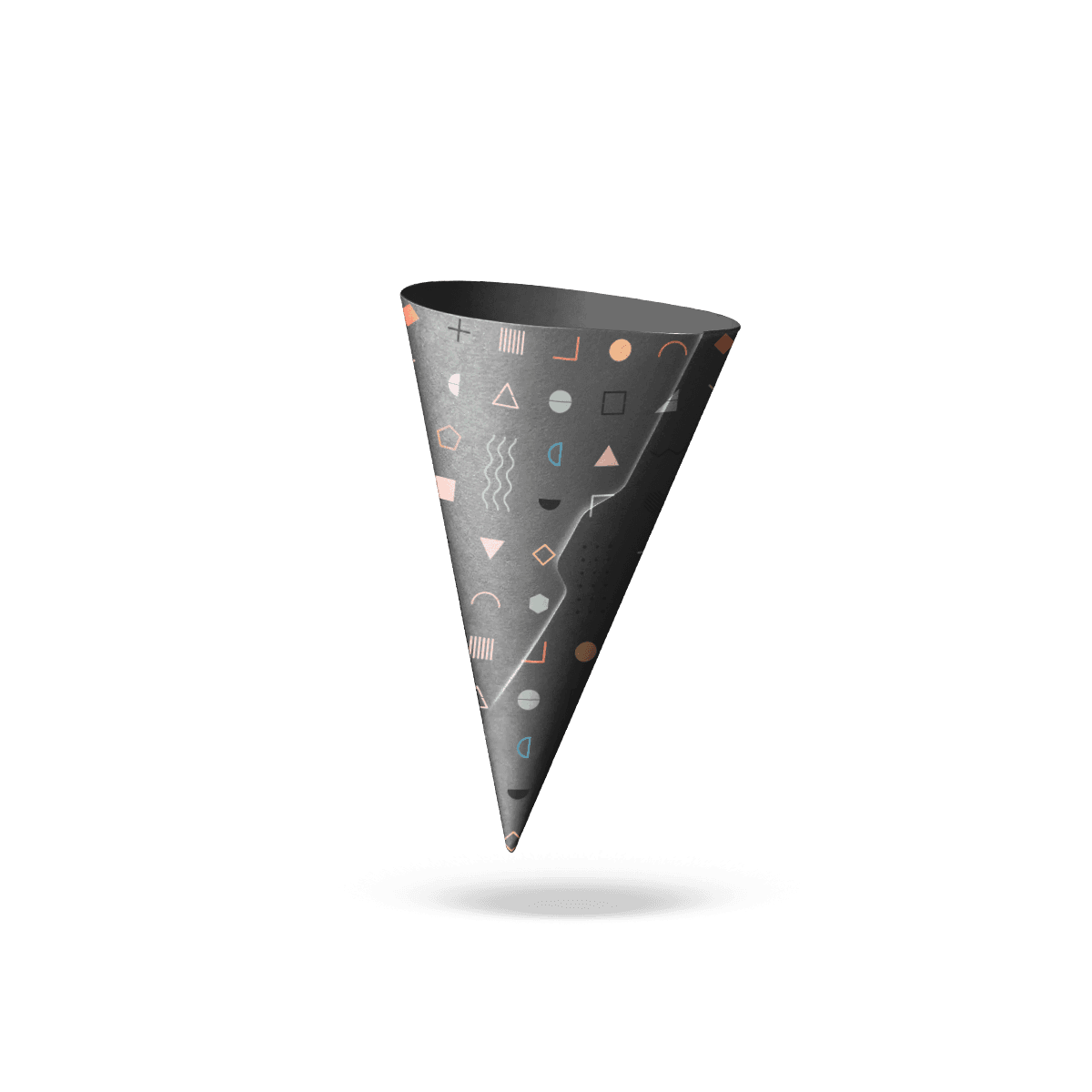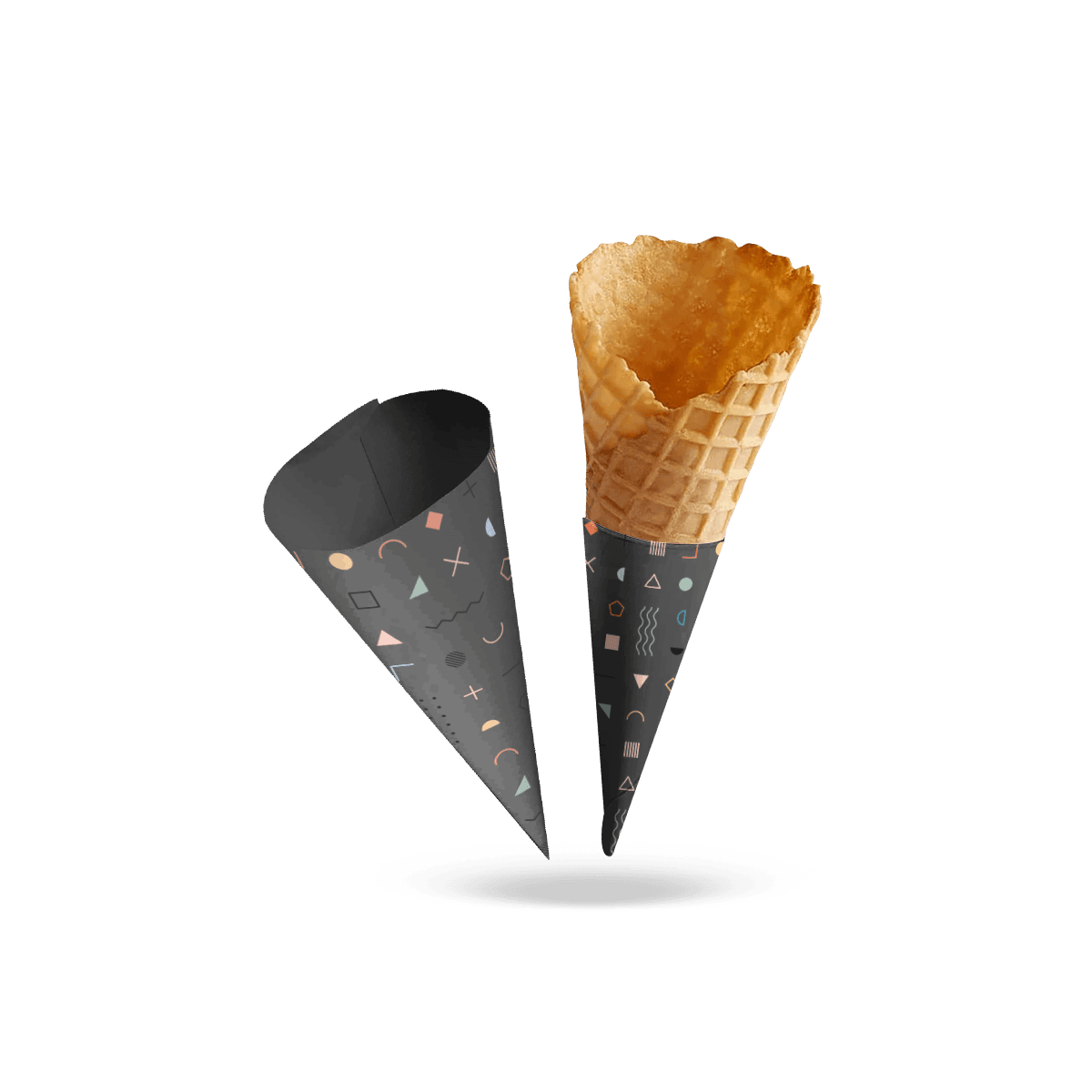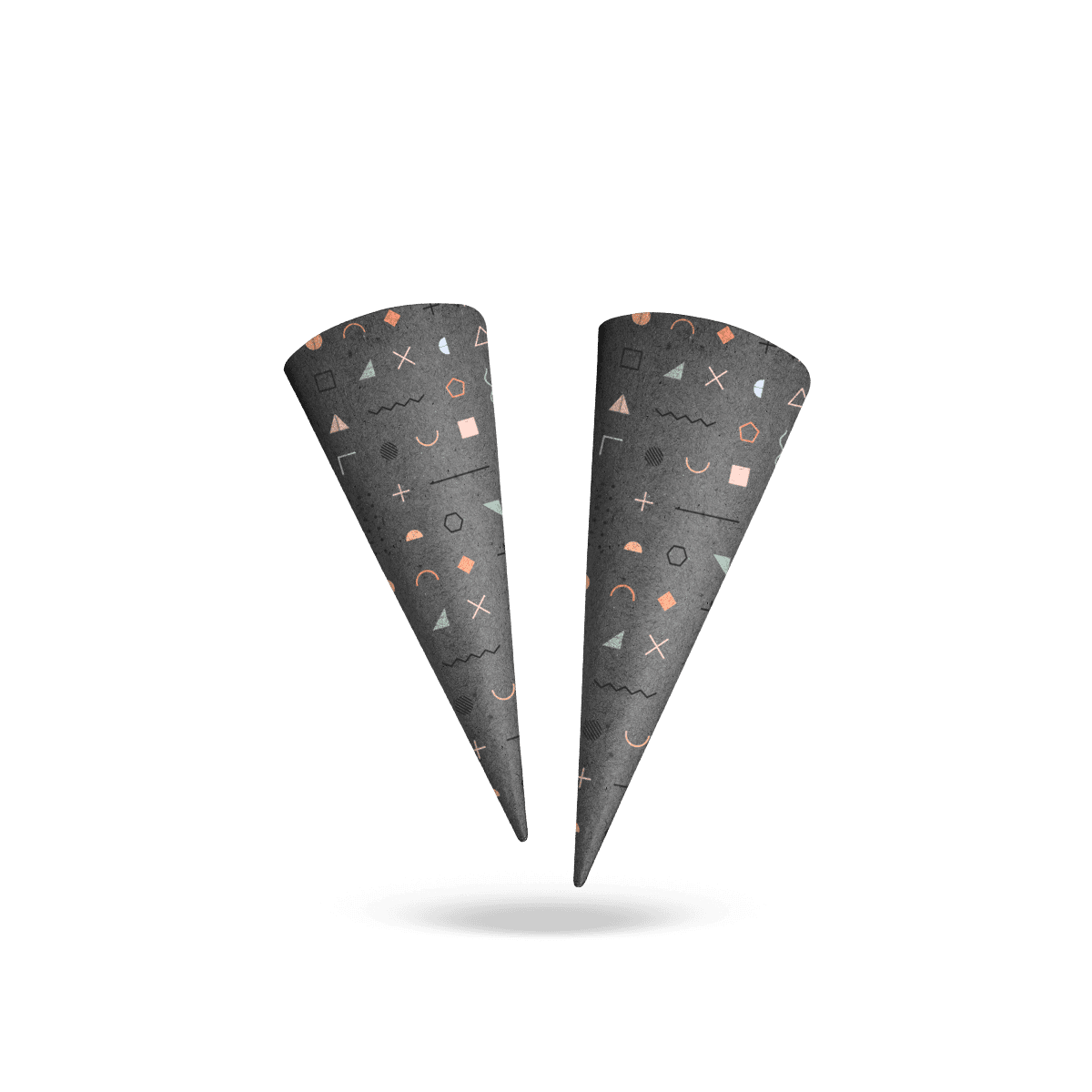
Foil Is a Barrier Layer
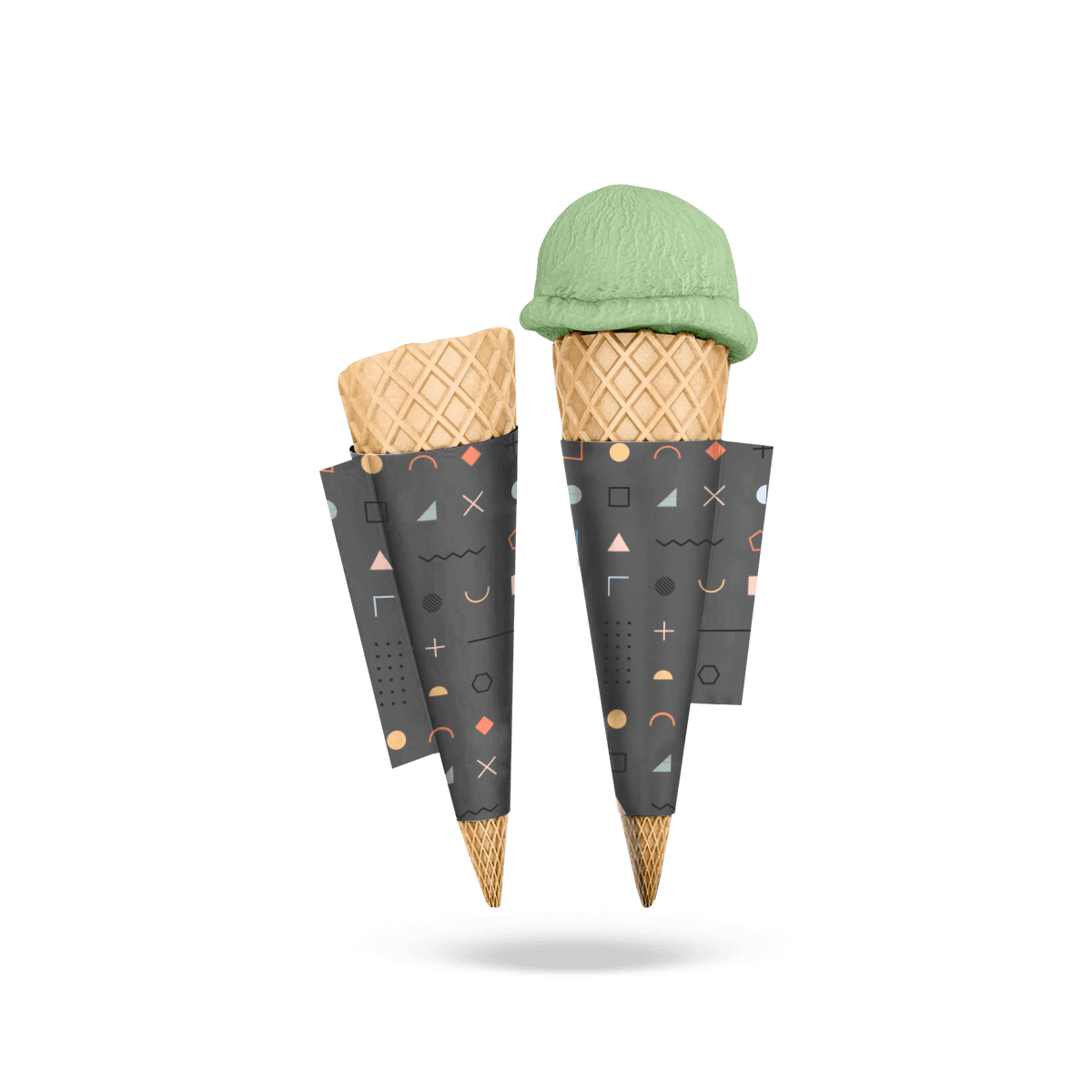
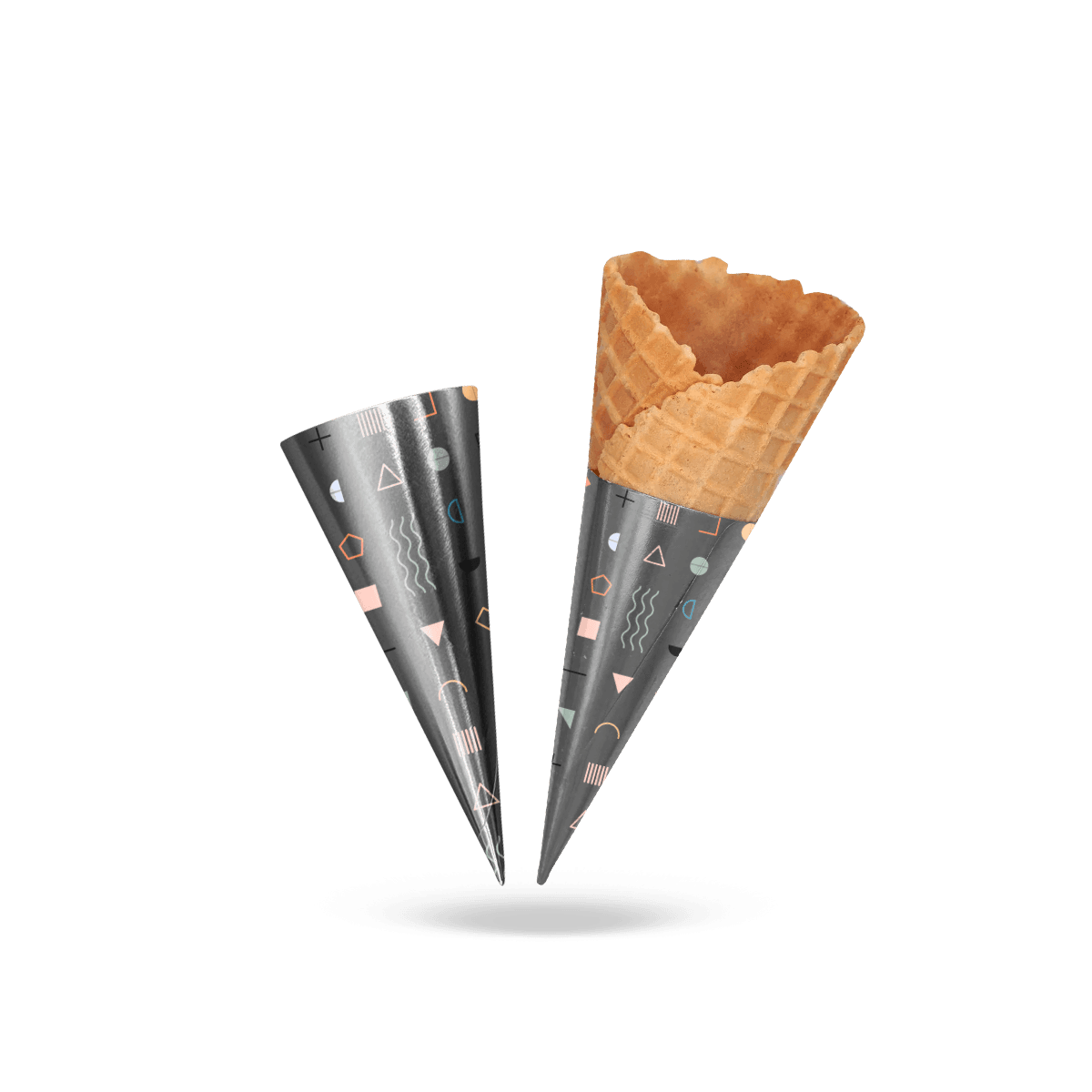
Aluminum foil earns its place on a cone sleeve when the serving conditions demand more surface and barrier control than plain paper alone. The important point is the construction around the foil, not the metallic appearance by itself.
A foil-faced or foil-laminated sleeve can help when moisture, melting product, oily residue or repeated handling would quickly make an ordinary paper sleeve look or feel compromised. The exact performance still depends on the backing stock, foil layer, coatings, adhesive, seam and how the sleeve is formed.
That makes Custom Aluminum Foil Cone Sleeves a material-duty choice first. Branding matters, but it comes after deciding what the sleeve must handle during storage, filling, handoff and eating.
H3 Heading
Moisture Comes From Two Sides
Moisture may reach the sleeve from the food side or from the environment. Melting dessert, condensation around frozen product and wet toppings all create different contact patterns.
A foil-containing construction can slow moisture from soaking directly into the supporting paper layer, but it should not be treated as a magic fix for every wet-service problem. The seam, exposed paper edges and any unprotected areas still matter.
If the cone itself is dry and the sleeve is used for a short handoff, Paper Cone Sleeves may keep the specification simpler.
H3 Heading
Grease Is a Different Problem
Oil migration and water resistance are not the same requirement. A foil layer may help create a stronger barrier, but a warm oily snack may still need stock and coatings selected specifically for grease exposure.
For oil-heavy snack service, Grease-Proof Cone Sleeves focus on grease control without making foil the default.
The decision should follow the dominant failure mode. If the problem is mainly greasy fingers and visible oil staining, grease-resistant paper may be enough. If the sleeve must also manage moisture, a metallic surface or a more complex laminate, foil becomes easier to justify.
Insulation Needs More Than Foil
Thin aluminum should not be treated as insulation on its own. Hand feel depends on the complete construction, including the paper support, any air space and the thickness of each layer.
This matters for frozen desserts. A metallic sleeve may look substantial, yet the customer can still feel the cold through a thin construction. If thermal comfort is a major requirement, specify the whole sleeve build rather than assuming the foil face solves it.