Skip to content
Details

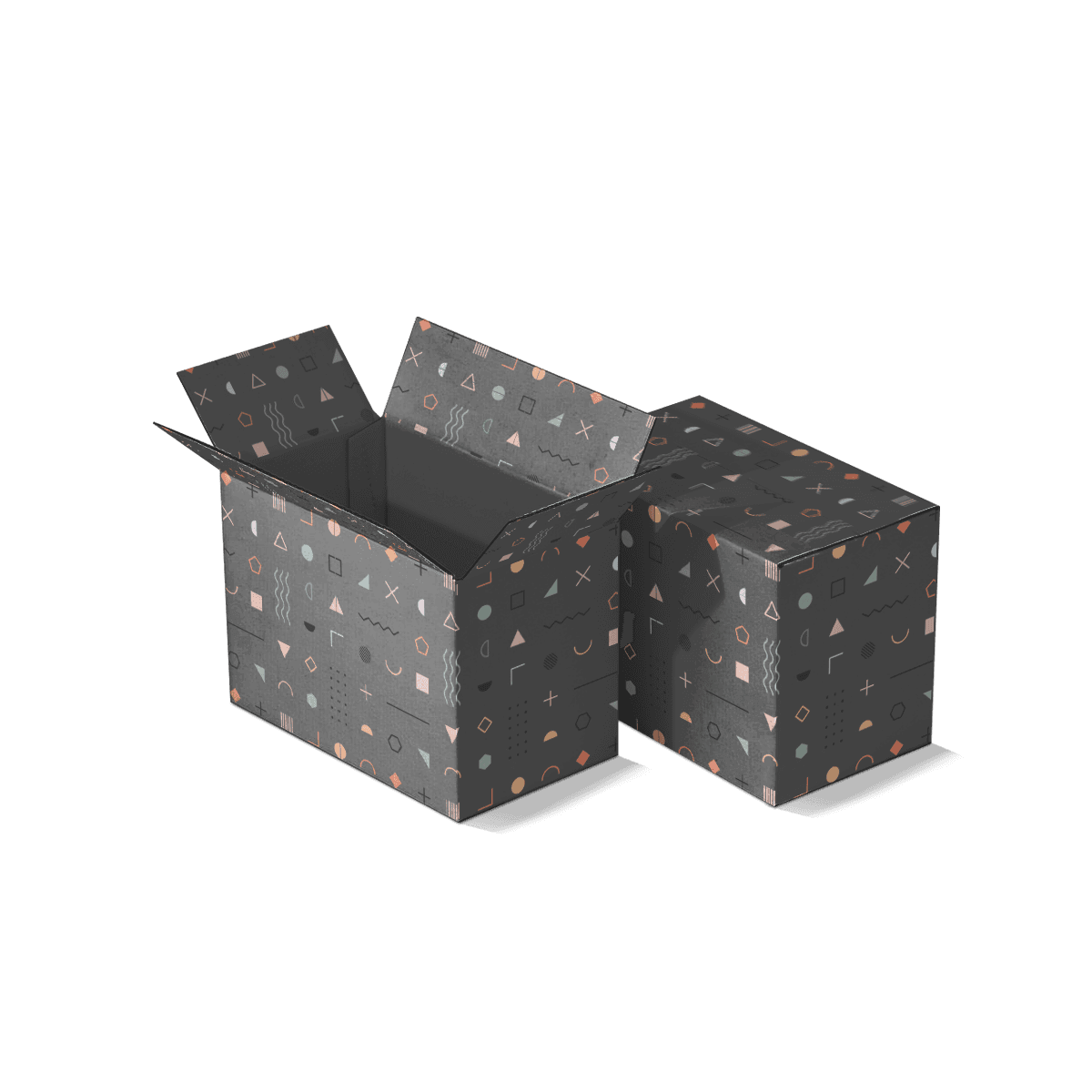
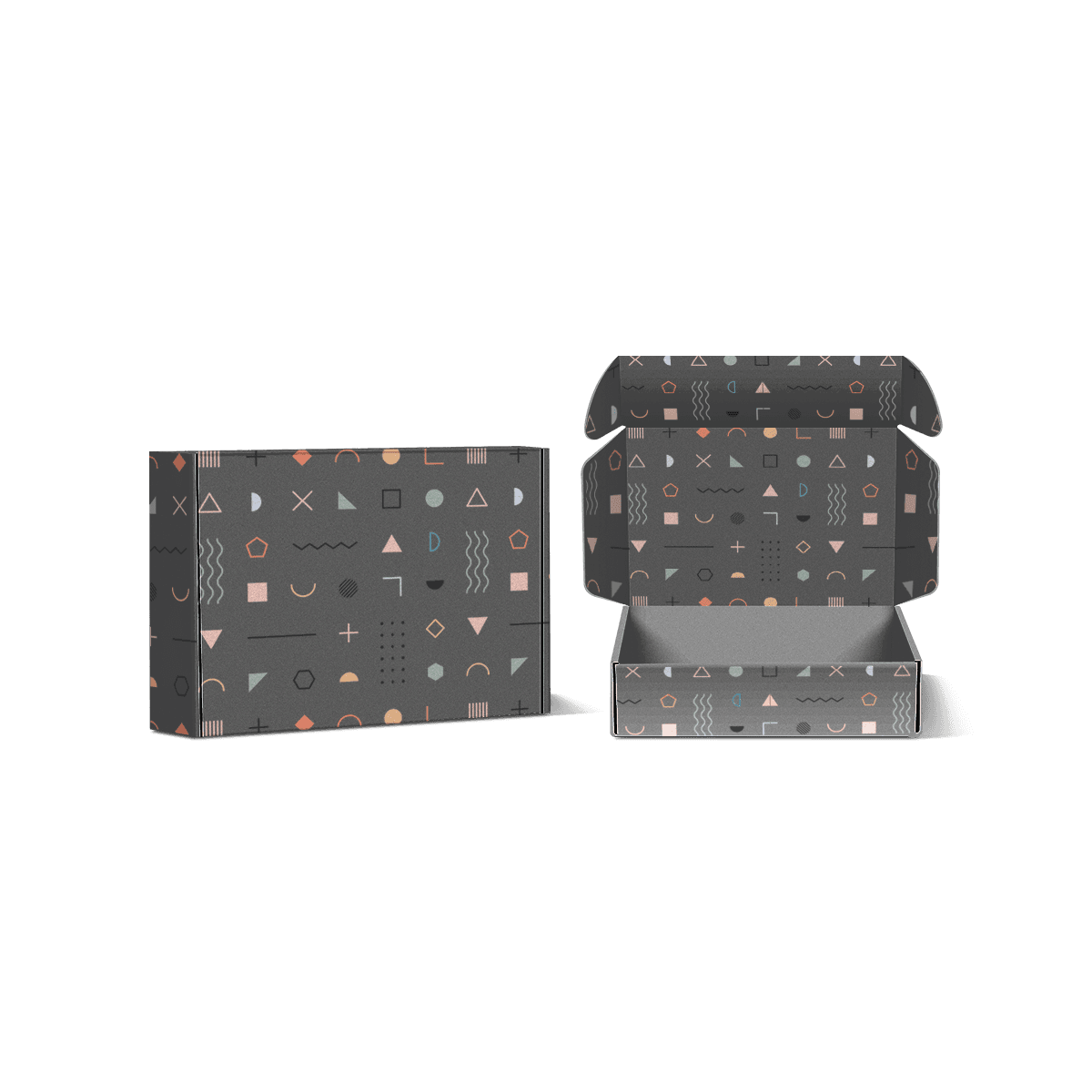
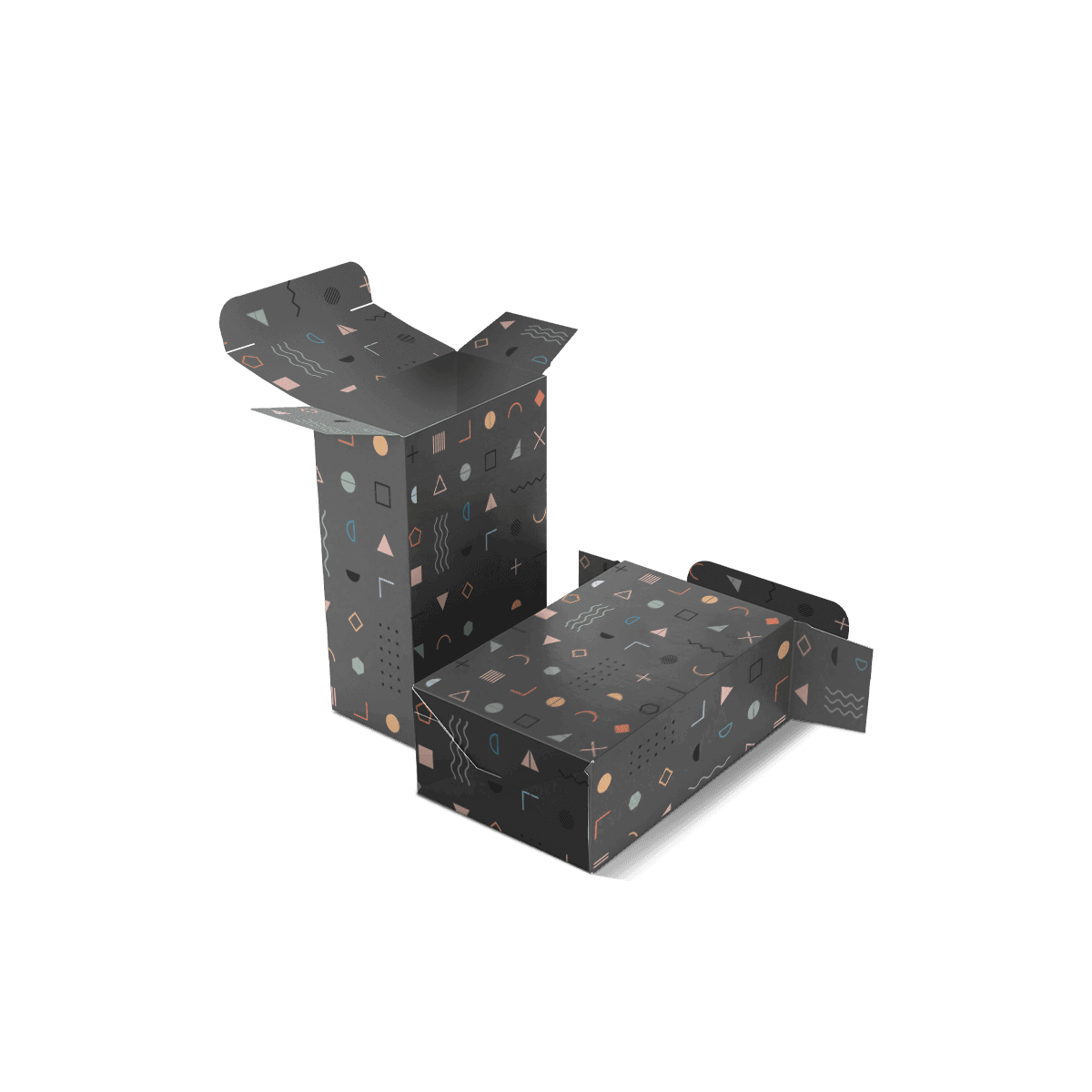
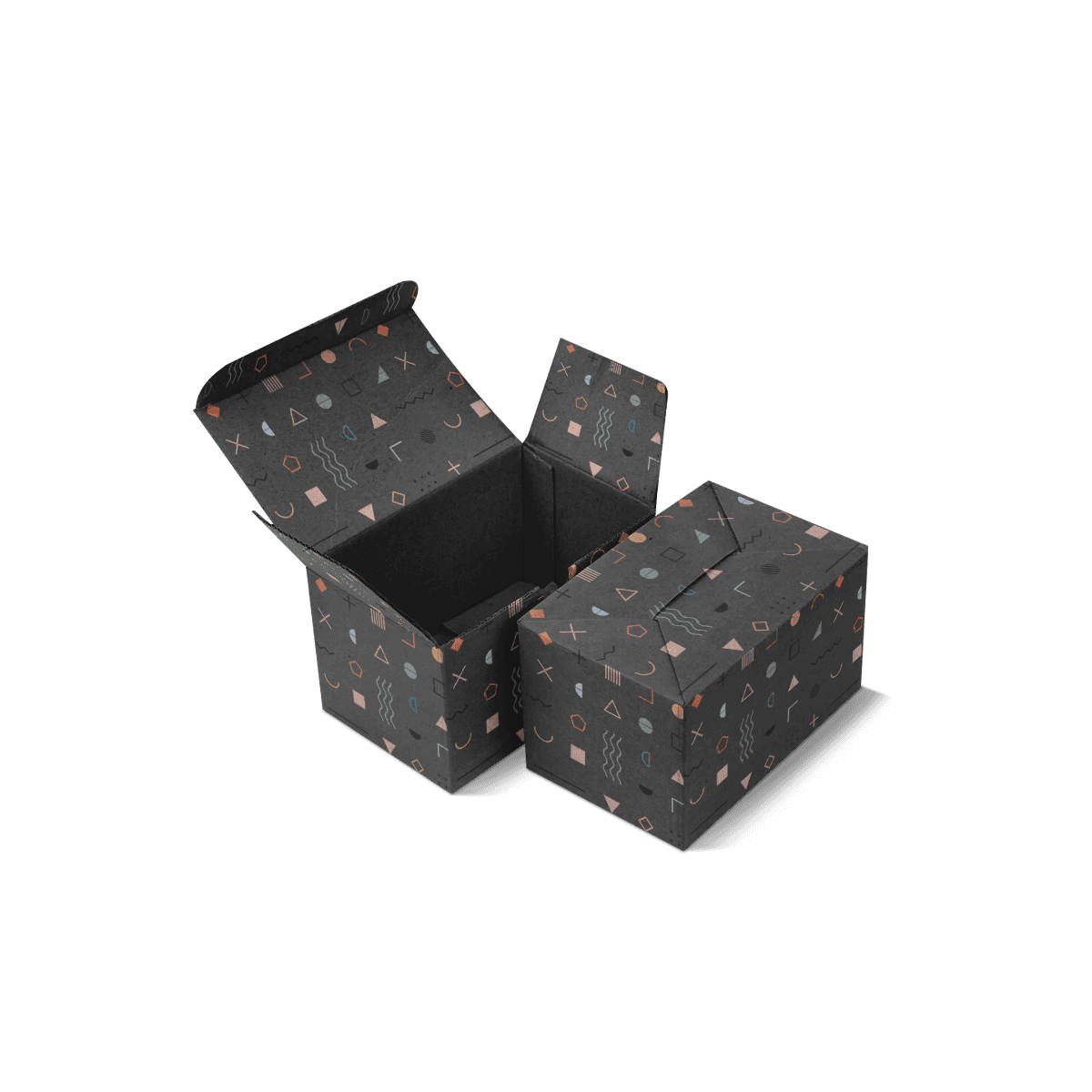
Custom Litter Boxes for Cat Litter Packaging

Custom printed cat litter cartons with the strength to carry dense fills, practical openings for controlled pouring and dependable construction for retail, storage and shipping.

The First Pour

A cat litter carton must remain practical after the customer breaks its original seal. Unlike a single-use retail box, it may be lifted, tilted and stored repeatedly until the contents are gone.

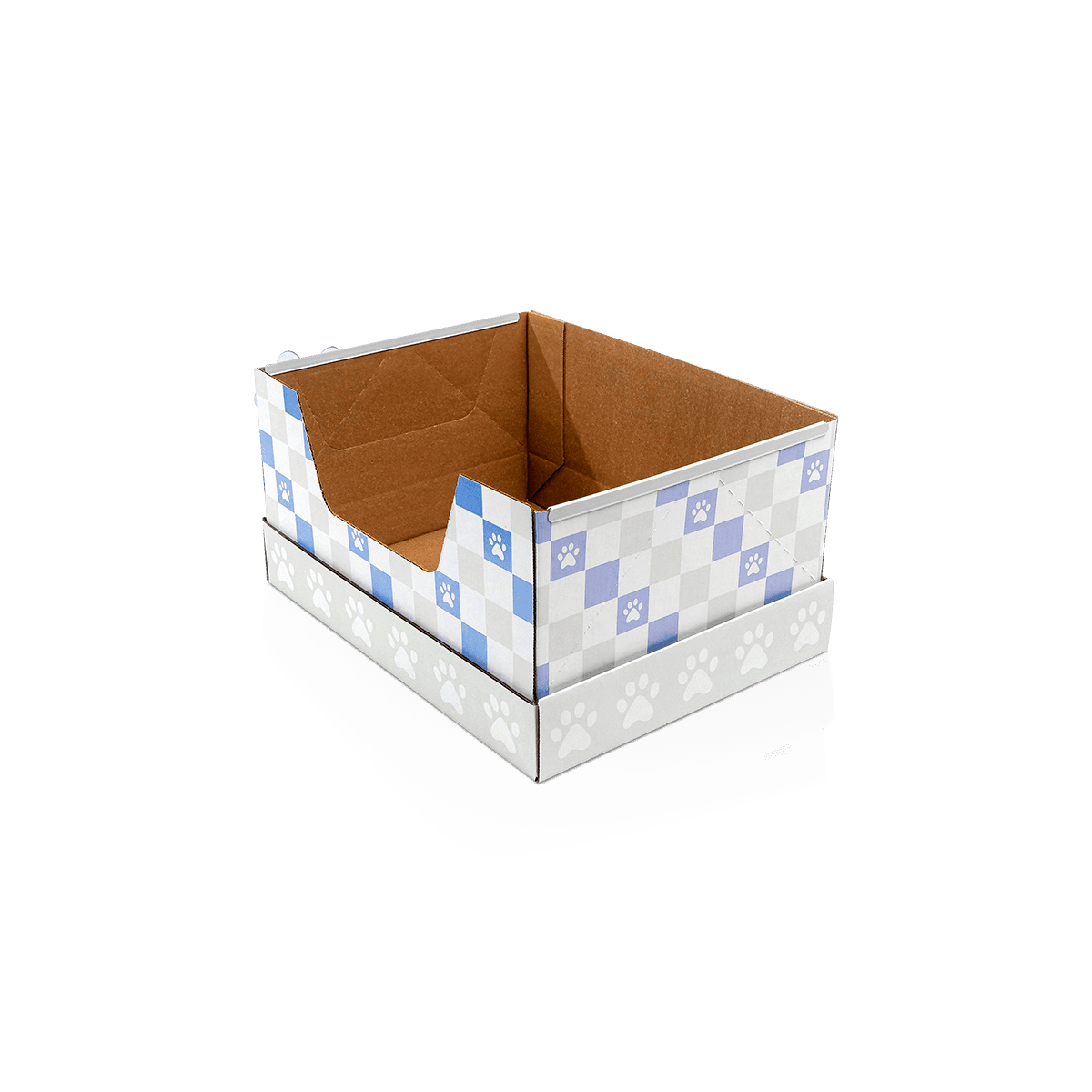
For cat litter brands, Custom Litter Boxes are printed cartons used to package and sell dry litter, rather than the household trays that cats use.

The construction must suit the litter's weight, particle size and intended filling method. It also needs to give customers a controlled way to dispense the contents.

A printed carton with a convenient-looking opening can still create a mess if loose granules collect around the cutout or escape through an unsealed seam.

The first decision is therefore how the contents leave the package.

Pour Opening and Flow

A pour opening needs enough clearance for the litter to flow at a manageable rate. Its position should account for the way the customer holds the carton and how the remaining contents move as the fill level drops.

A narrow opening may restrict larger pellets or encourage users to tilt a heavy carton too far. An excessively large opening can make pouring difficult to control.

A scored opening or integrated dispensing feature may be appropriate, but its feasibility depends on the carton construction, filling method and required containment.

For loose-fill products, the opening also needs to work with the selected barrier or liner.

Reclosure After Opening

A tuck flap can help close the outer carton after pouring, but it should not automatically be treated as an airtight or moisture-resistant seal.

Where the contents need ongoing barrier protection, that responsibility belongs to an appropriately specified primary package or engineered barrier construction.

The opening also needs to remain accessible after repeated use. A perforated panel that tears unpredictably or loses its closing function after the first pour may create unnecessary inconvenience.

Custom Packly's design and dieline support can help assess the proposed carton geometry. Any specialty dispensing feature needs project-specific manufacturing confirmation.
Containment Before Decoration

Cat litter packaging must distinguish between the structure that carries the product and the layer that actually contains the granules.

A conventional folding carton can give a sealed litter pack a stable retail shape. It cannot automatically replace the inner package's moisture barrier, dust containment or sealed closure.

The appropriate construction depends on how the litter enters the package and what remains sealed after filling.

A Sealed Bag Inside a Carton

An inner bag can handle primary containment while the printed outer box handles presentation, stacking and carrying.

This approach is appropriate when the bag has already been specified for the litter's moisture sensitivity, particle characteristics and filling process.

The outer carton can be sized around the filled bag rather than the empty bag's nominal dimensions.

Allow for the bag's sealed edges, filled thickness and the way its contents settle.

For smaller lined retail units, folding cartons can create a stable printed exterior without asking ordinary paperboard to perform the barrier function.

An inner bag also changes dispensing. The carton opening should not interfere with the bag's seal, and customers need a practical way to access the contents.

A Direct-Fill Carton

A direct-fill carton needs a separately developed containment specification.

The board, internal barrier, seams and closing method must work together to retain the actual litter. A decorative exterior coating does not establish that performance.

Fine particles can expose weaknesses around poorly sealed joints. Moisture-sensitive litter may also require a barrier that ordinary untreated board cannot achieve.

Direct-fill construction should therefore be assessed against the actual filling equipment, barrier requirements and closure method before it is treated as a manufacturing option.

For brands prioritizing a lightweight primary pack, flexible pouches may be more appropriate than a separate outer carton.

The box earns its place when its rigid shape, handling features or printed surfaces add something the primary package cannot accomplish efficiently.

A Handle Must Carry the Load

A carrying handle changes how force moves through the carton.

Without a handle, the customer can support the package from underneath. With a top handle, the packed weight is transferred through the handle attachment, upper panels, sidewalls and bottom construction.

Every part of that load path must be suitable for the finished pack.

Cutting a hand hole into an otherwise suitable carton can weaken the exact area now expected to carry the product.

The location and construction of the handle matter more than its appearance.

Integrated Paperboard Handles

An integrated handle can work when the carton construction and material have sufficient strength.

The handle opening must accommodate a practical grip without removing excessive material from the supporting panel.

Its position should also allow the package to hang in a reasonably balanced orientation.

A badly positioned handle may make a full carton tilt or place additional stress on one sidewall.

For heavier products, reinforcement or a different handle construction may be necessary.

Separate Handle Components

A separate handle may be considered when the required load, grip or structural arrangement cannot be accommodated by an ordinary die-cut opening.

The handle and its attachment points must be assessed as one assembly.

A strong handle does little good if its attachment tears away from the board.

Any proposed handle system should be confirmed for manufacturing compatibility before the carton dieline is finalized.

Check the Filled Package

Handle performance should be evaluated with the actual packed product, not an empty carton.

The trial should account for the maximum intended filled weight and the lifting behavior expected during normal handling.

Inspect the attachment points, upper panel and adjacent folds for distortion or tearing.

The principles of packaging strength and print testing are particularly important when a new carrying construction will be reproduced across a large order.

A free 3D mockup can establish the handle's position and appearance. A physical sample is needed when the carrying performance itself remains uncertain.

Free sample examples of previous work are also available. Fully custom pre-production samples can be arranged as paid samples where applicable.

Capacity Is Not Carton Size

A stated litter capacity does not establish the dimensions or weight of the finished retail pack.

Different litter materials can occupy similar volumes while producing substantially different filled weights.

Clay-based litter, plant-based pellets and silica products may also behave differently as they settle.

For that reason, a carton should be specified using the actual litter and its intended fill quantity.

Weight and Volume

Establish the declared net quantity and the actual volume occupied by the finished fill.

Do not assume that two products sold in the same volume can share a carton without checking their packed dimensions and weight.

A lighter pellet product may need more internal space for a given weight than a denser mineral product.

Conversely, a carton sized only around nominal volume may be unnecessarily large for the finished fill.

The filling process is also relevant. Granules may settle differently after handling than they do immediately after filling.

Filling Headspace

The internal height should accommodate the production filling method, the sealed primary package where applicable and the final closure.

Excessive headspace can leave a direct-fill pack with unnecessary material and a less controlled shape.

Too little space can interfere with closing or create pressure against the top panels.

Where a liner is used, its sealing area must remain accessible without forcing the filled bag against the carton opening.

Custom Packly can help establish made-to-order carton dimensions around the intended packed unit.

Board at the Bottom

The base of a litter carton must carry the filled product during lifting, storage and handling.

A bottom that is suitable for a lightweight retail product may not be appropriate for a dense quantity of mineral litter.

The closing method, board specification and carton footprint need to work together.

A stronger board cannot compensate for a closure that is fundamentally unsuitable for the load.

Paperboard for Lighter Units

Paperboard can be appropriate for lighter retail units, particularly when the litter is already contained in a sealed inner package.

SBS stock supports clean printed graphics and a relatively smooth retail surface.

Kraft board can suit products that use a simpler visual identity, although the actual grade and construction still need to support the packed weight.

The distinction between corrugated, paperboard and kraft affects structural strength, print appearance and the way packaging behaves during storage.

Corrugated for Heavier Packs

Corrugated board becomes relevant when a litter carton requires greater stiffness, stronger handling performance or more dependable support during distribution.

Its fluted construction can improve the structural performance of a carton, but the appropriate board grade still depends on the finished dimensions and expected load.

Single-wall construction may be sufficient for some applications. More demanding loads may justify a different flute, stronger liners or double-wall construction.

The goal is to select a board that performs the intended job without adding unnecessary material.

Bottom Closure

A reinforced bottom or appropriately designed locked construction can help when the product places significant pressure on the base.

The choice depends on how the carton is assembled and filled.

A closure that works during hand packing may introduce a different requirement on an automated filling line.

The bottom should therefore be evaluated in the intended production and handling conditions.

Price the Handling Features

The cost of Custom Litter Boxes depends on the construction that the finished product actually needs.

A straightforward printed carton around a sealed bag is a different manufacturing project from a reinforced handled carton with a custom opening.

Before committing to specialty features, establish which ones solve a genuine product or handling problem.

A practical comparison may include:

  • A standard printed carton with an existing sealed inner bag.
  • A stronger carton with an appropriately reinforced carrying feature.
  • A custom opening that requires additional die-cutting.
  • A project-specific dispensing or barrier construction.

These alternatives can affect tooling, material consumption, production complexity and packing operations.

A decorative finish should be considered after the functional construction has been established.

For a defined packaging concept, request an instant custom packaging quote using the intended fill quantity, actual packed weight and proposed construction.

Custom Packly's USA minimum order quantity starts from 100 boxes. This can support an initial retail launch without requiring a substantially larger first order.

The experienced packaging team can assess conventional carton options and confirm whether any proposed specialty feature requires further engineering or sampling.

The Retail Stack

Cat litter cartons frequently occupy lower retail shelves because their weight makes high-level placement less convenient.

Their footprint also affects how efficiently products can be displayed and replenished.

A tall, narrow carton may create an attractive front panel but become less stable when customers lift it or when the remaining contents are unevenly distributed.

A larger base can improve stability, although it also occupies more shelf space.

The correct proportion depends on the actual litter, fill quantity and retail environment.

Front-Facing Presentation

The front panel should remain readable when cartons are placed beside one another.

An integrated handle, top closure or irregular carton profile can influence how the package faces on the shelf.

Where shoppers compare multiple litter varieties, the packaging should give each product a consistent front-facing position.

Avoid creating a decorative protrusion that interferes with adjacent packs or complicates shelf replenishment.

Shelf Weight and Stack Height

Individual carton strength and stacked-carton strength are different requirements.

A box may carry its own contents safely but deform when several filled packs are stacked on top of it.

The lower cartons must tolerate the expected compression, and the arrangement must remain stable during ordinary handling.

If the retail pack will be stacked, assess the actual stacking pattern rather than relying on the strength of one empty sample.

The same brand may use very different structures across its pet product packaging, but dense litter packs need particular attention to shelf loading and carrying behavior.

Print the Litter Difference

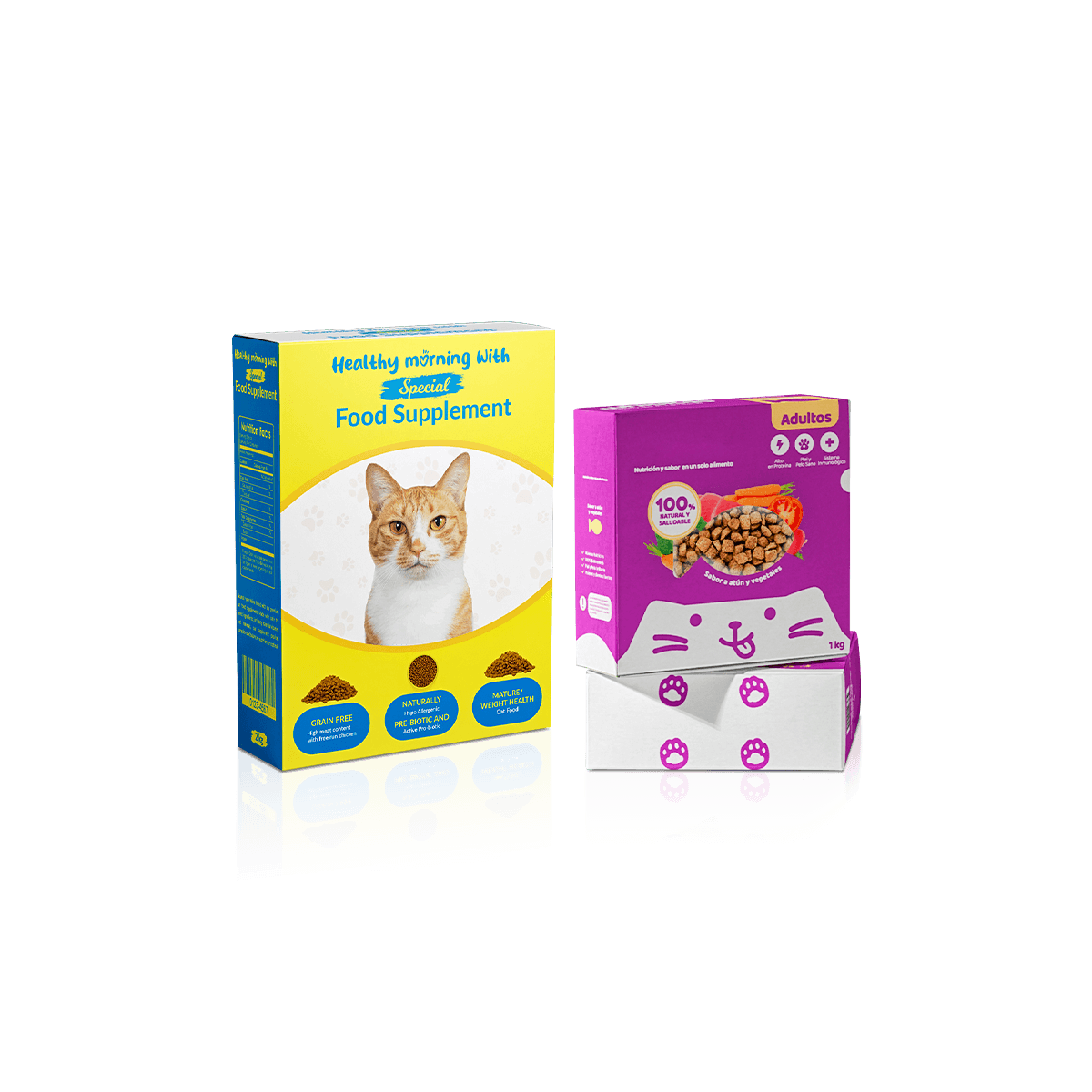
The front of a cat litter carton should make the product type and quantity easy to identify.

A customer comparing clumping mineral litter with plant-based pellets needs more than different artwork colors.

The packaging should communicate the actual product characteristics using claims approved for that specific formulation.

The information hierarchy should also remain consistent across different pack sizes.

Product Type and Quantity

The front panel can establish the product name, litter material, approved functional claims and net quantity.

Where the brand sells different scents or unscented varieties, the distinction needs to remain clear.

Weight and volume should use the appropriate units and accurately describe the product.

Do not use a larger-looking carton to imply that one product contains more litter than another.

The brand remains responsible for confirming its product claims and applicable labeling requirements before artwork approval.

Instructions and Handling Panels

Side and back panels can carry directions for use, storage, disposal, product identification and other applicable information.

The artwork should reflect the manufacturer's approved instructions.

Important copy must remain readable after the carton is assembled.

A handle should not interrupt instructions, and a proposed opening must not remove essential text when the customer accesses the product.

Product Identification

Lot numbers, batch information and other product identifiers should have an appropriate location when required.

If the information will be applied during filling or packaging, reserve a suitable surface for the intended marking method.

Avoid placing variable data across a fold, glue seam or heavily textured finish without confirming that the marking method works there.

The artwork should also leave enough space for barcodes and any retailer-specific information.

The Parcel Carries More Than One Load

A single retail litter carton and a shipping case containing several cartons face different demands.

For wholesale distribution, the master case must carry the combined weight of its contents and tolerate the intended handling and stacking conditions.

An individual retail carton may also need additional protection when shipped directly to a customer.

The choice depends on whether the consumer package itself is intended to perform the transit job.

Wholesale Cases

The master carton should fit the intended number of retail units without leaving unnecessary space for movement.

Consistent carton dimensions can simplify case packing and help maintain an orderly pallet arrangement.

For heavier wholesale loads, full overlap shipping boxes add corrugated coverage across the top and bottom when that additional construction is justified.

The board grade and closure still need to be specified for the actual load.

Individual Ecommerce Orders

A retail carton with a carrying handle may perform well in stores but require a protective outer package for parcel delivery.

Exposed handles and lightweight retail panels can be vulnerable when parcels are placed under other shipments.

A suitable custom corrugated shipping box can protect the consumer pack while accommodating its actual dimensions.

The distinction between retail packaging and ecommerce packaging matters when one consumer pack is expected to serve both channels.

For a direct-to-consumer litter business, examine the complete shipped weight and outside dimensions rather than comparing the empty retail cartons alone.

Quantity and Replenishment

Cat litter is a recurring purchase, which can make packaging demand relatively predictable for an established product line.

However, a brand may have several litter materials, pack weights and artwork versions that do not consume packaging inventory at the same rate.

Production quantities should reflect the actual demand for each carton specification.

Two products with identical external dimensions may share one dieline while requiring different printing. Products with different filled weights may need separate structural specifications even if their outside dimensions are similar.

For larger repeat programs, bulk custom boxes can be organized around distinct carton sizes, artwork versions and production quantities.

Custom Packly supports USA production, warehousing and scheduled deliveries for suitable larger orders.

Standard turnaround is 4–6 days after final artwork and specifications are approved. Complex structures, specialty materials and advanced finishes may require additional production time.

These arrangements can help a brand coordinate packaging supply with its filling schedule without treating every product variant as an identical carton.

The Half-Empty Carton

The packaging still needs to function after the customer has used part of the litter.

As the fill level falls, the carton becomes lighter, and the position of the remaining contents changes. A package that felt balanced when full may behave differently during its final uses.

This is particularly relevant for tall cartons and products that are repeatedly poured from one corner.

The opening should remain practical as the customer tilts the carton farther to dispense the remaining litter.

Where a reclosure feature is included, it should remain accessible and functional after repeated opening.

The carton should also stand securely in its intended storage position. A partially empty pack should not depend on the weight of the original fill to keep an otherwise unstable structure upright.

For lined cartons, the inner bag and outer opening need to remain compatible as the contents are consumed. For direct-fill constructions, the integrity of the remaining package matters throughout its intended use.

A well-planned litter carton should therefore be assessed at more than its original filled condition.

The final construction needs to carry the product safely, dispense it predictably and remain practical until the customer has used the last of the litter.

FAQs

By controlling the opening. Easy-pour spouts, reinforced top panels and inner bag support help direct the flow instead of letting granules rush out at once.

Litter Boxes usually win when weight, stacking and shelf presence matter most. Flexible pouches fit lighter refill packs or trial sizes, while box-based formats give more structure, handle options and large printable panels.

Yes. Heavy clay formulas need stronger board grades and handle reinforcement, while lighter paper, tofu or crystal litters can use lighter constructions with the right barrier layer.

Often they do. A liner or bag-in-box setup helps manage moisture sensitivity, dust containment and cleaner dispensing without giving up the structure of a box.

Front panels should carry the core selling points fast, while side and back panels can handle fill depth, disposal guidance, scent details, weight and multi-cat instructions.

Process

How it works

Your Packaging Journey, From Idea to Production and Delivery

01

Tell Us Your Specs

Custom packaging boxes

Tell Us Your Specs

Provide size, quantity, printing, and finishes.

02

Get a Fast Quote

Custom packaging boxes

Get a Fast Quote

Instant transparent pricing, no hidden fees.

03

Design and Approval

Custom packaging boxes

Design and Approval

Artwork checks, revisions, and final sign-off.

04

Produce

Custom packaging boxes

Produce

Expert manufacturing to meet deadlines.

05

Ship to Your Door

Custom packaging boxes

Ship to Your Door

Hassle-free, flexible delivery options.

Get Your Quote for Custom Litter Boxes for Cat Litter Packaging

Share your product details, size, quantity and artwork needs. We’ll help choose the right packaging style and send a clear quote.