Skip to content
Details

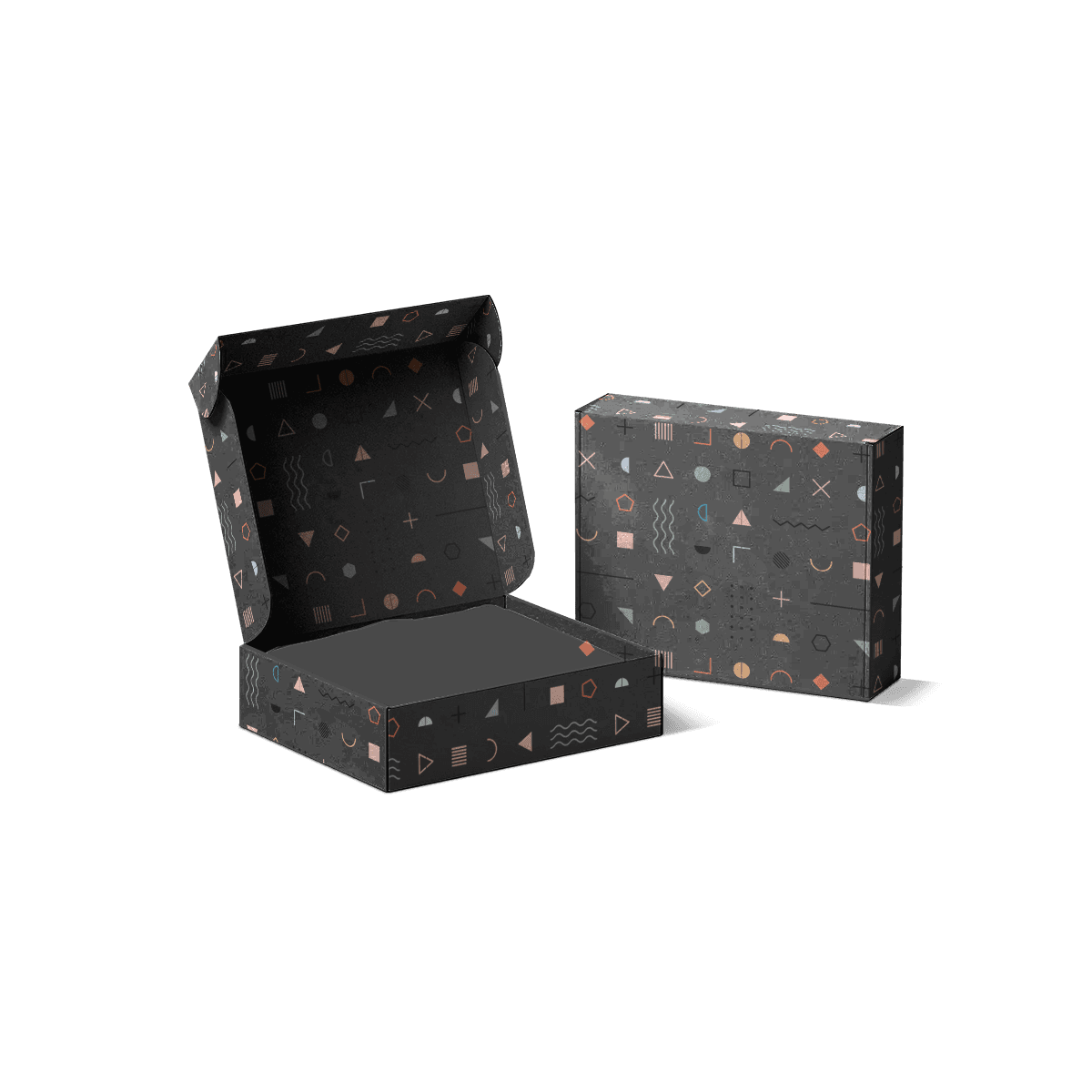
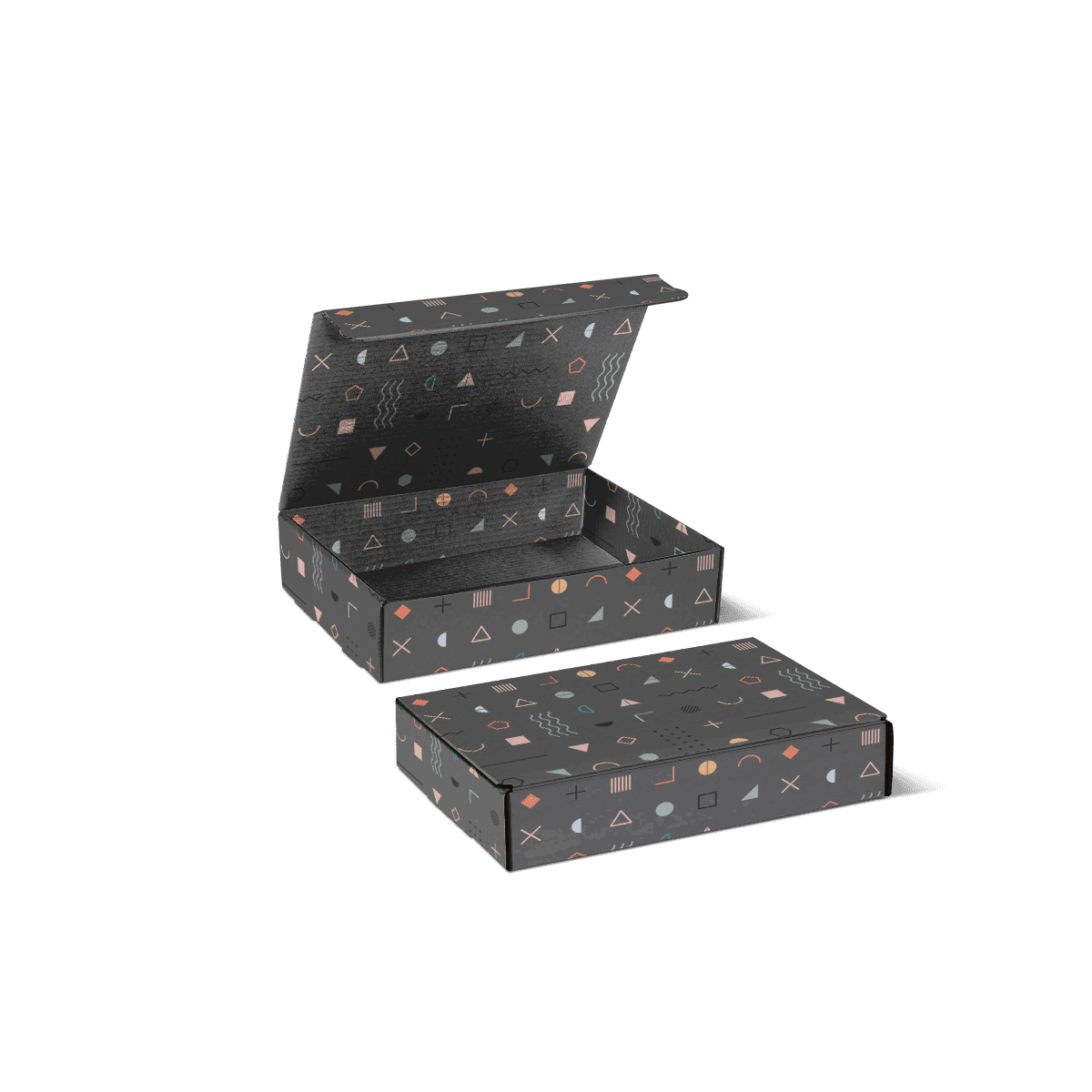
Custom Postal Boxes

Compact corrugated parcel boxes for flat and low-profile e-commerce orders, sized around the mailed product, carrier label, internal movement and return journey.

Depth Is the First Thing to Challenge

A postal box earns its place by staying compact.

When a slim product is placed inside a box that is several inches deeper than necessary, the shipment loses much of the reason for using a postal format. More internal movement appears, more cushioning may be needed and the parcel occupies more space throughout storage and delivery.

Custom Postal Boxes work best when depth follows the packed product closely.

That can suit books, stationery sets, folded garments, accessories, sample packs, printed materials, compact electronics accessories and other relatively flat orders.

Across e-commerce retail packaging, the format sits toward the compact end of corrugated parcel packaging rather than the heavy-shipping end.

The first sizing decision should therefore be the finished thickness of the order after every permanent component is included.

A one-inch product does not automatically require a one-inch box. An insert, wrap, folded garment, booklet or closure geometry may add height.

But that extra depth should be intentional.

Measure the Packed Stack

Flat products often become thicker after packing.

A shirt gains height after folding. Three notebooks create a different stack from one. A sample card plus a small accessory can create a hard point above an otherwise flat pack.

Prepare the contents exactly as they will ship.

Measure the complete stack at its highest point and identify anything that could shift upward during handling.

That measurement is much more useful than the product's catalog dimensions.
A Postal Box Is a Shipping Format

The box is expected to reach the customer as part of the parcel.

That distinguishes it from a lightweight product carton that normally sits inside another shipper.

A Postal Box needs enough corrugated structure for the intended order while remaining compact enough that it does not become an unnecessarily bulky shipping carton.

The Mailer Boxes used across online retail occupy very similar territory, which is why the physical specification matters more than the label applied to the style.

For this use, think of the Postal Box as a compact mailed carton optimized around relatively shallow orders.

Heavier, deeper or more demanding loads can move toward custom corrugated shipping boxes instead.

The transition should happen because the packed load requires more structure, not because one name sounds stronger than another.

Flat Products Fail at the Corners First

A flat item can be difficult to damage in the middle and surprisingly easy to damage at an edge.

Books can arrive with crushed corners. Presentation folders can buckle. A boxed accessory can slide across the cavity and repeatedly strike the same wall.

A postal pack therefore needs more than enough surface area to cover the product.

The perimeter matters.

A close-fitting corrugated wall can limit lateral movement, while an insert, wrap or pad can create a controlled buffer where the product needs it.

For documents, catalogs, folders and printed sets, Literature Mailers concentrate even more specifically on flat printed contents and edge support.

Postal Boxes can remain the more flexible option when the shipment includes a physical product or mixed slim components rather than literature alone.

Do Not Turn Void Fill Into Side Support

A handful of loose paper placed around a small flat item may occupy empty space without actually controlling its position.

The product can still migrate toward one side.

If the same gap appears in every shipment, structural fit is usually cleaner than repeatedly adding filler.

That may mean narrowing the box, adding folded side supports or using a simple insert that defines the product position.

The Label Needs Its Own Surface

The exterior of a Postal Box is working space.

Carrier labels, warehouse labels, barcodes and return identifiers may all compete with printed branding.

The shipping label should not be treated as an afterthought that can land anywhere once artwork is approved.

Reserve a panel where it can sit flat without crossing a fold, locking tab or opening edge.

A small postal box can make this harder than a large shipping carton because the usable surfaces are limited.

Plan Around the Actual Label Orientation

A box may look best with the logo centered across the lid.

Then the standard shipping label covers half of it.

The solution does not have to be less branding.

Artwork can be shifted toward a secondary zone, the label area can become part of the layout or the inside can carry the stronger visual moment.

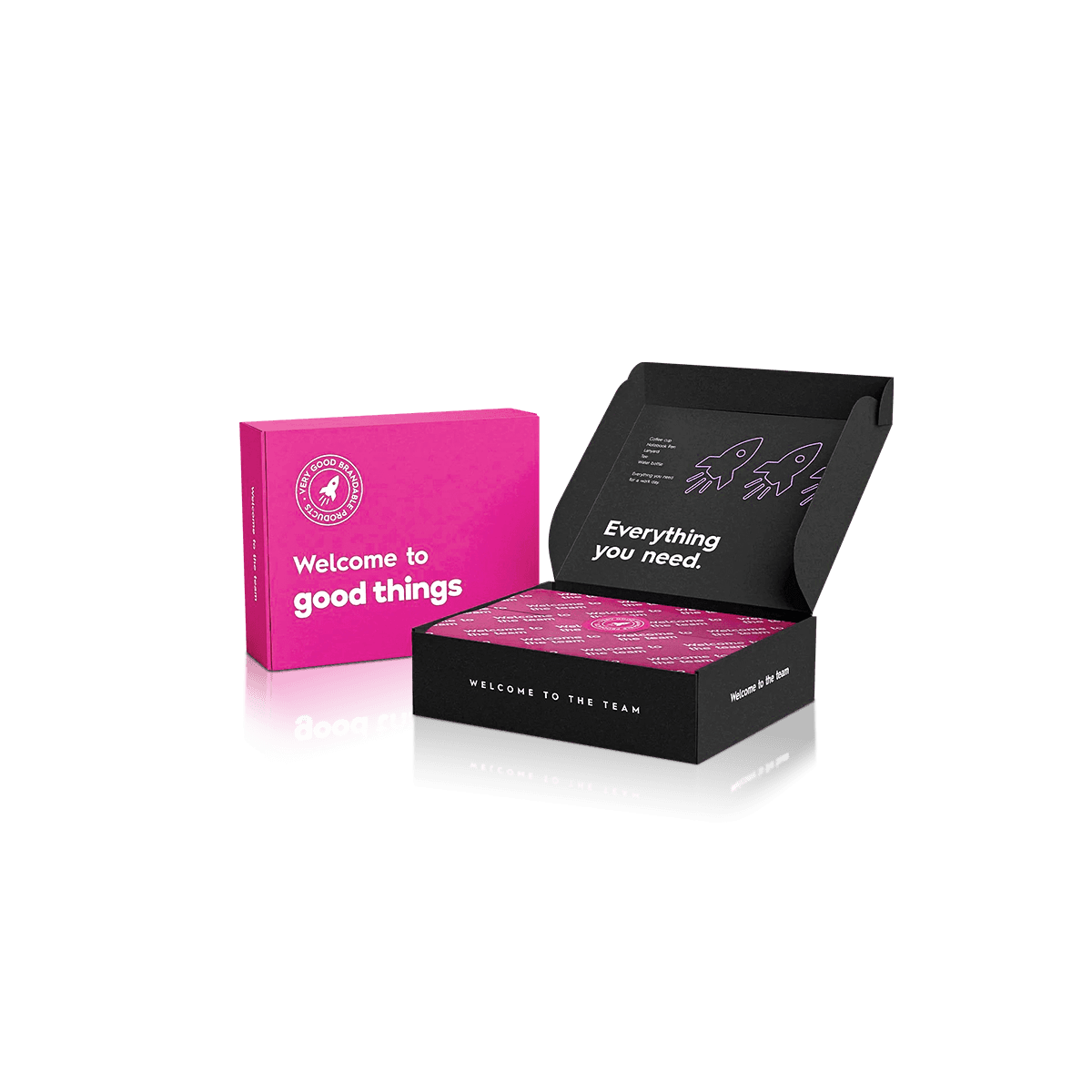
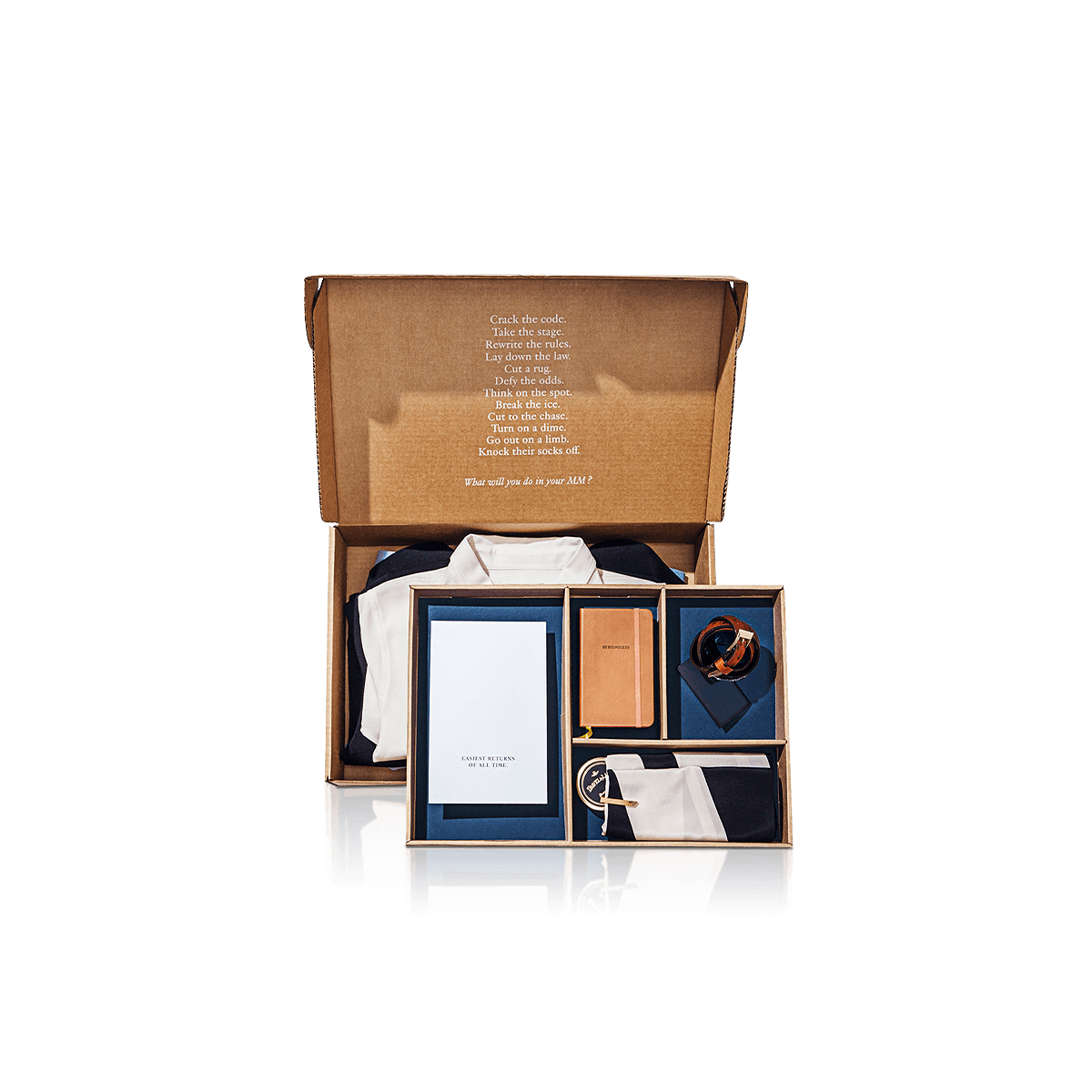
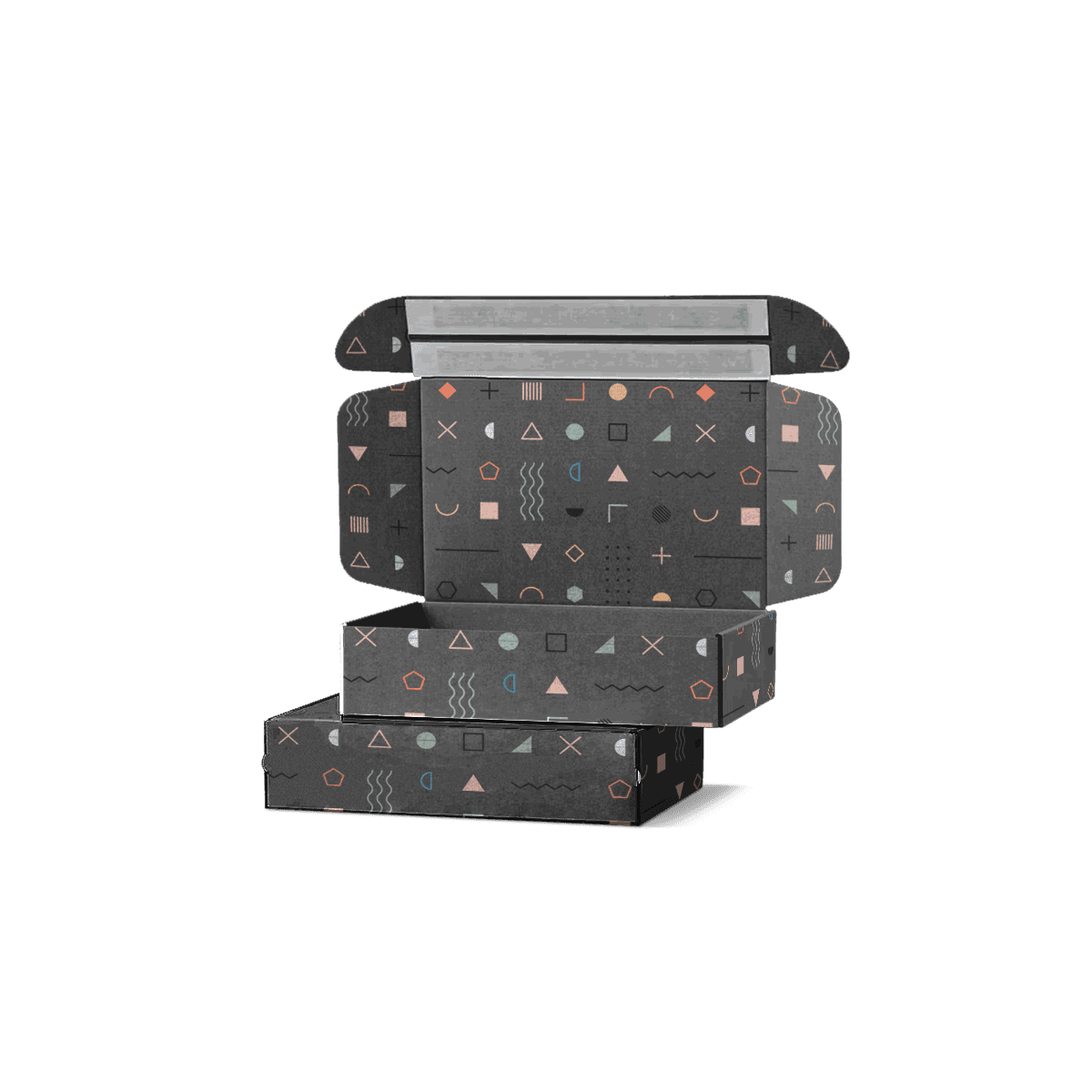
Custom printed boxes can use outside and inside artwork so the courier-facing surface and customer-facing opening do not have to perform the same job.

This makes inside print particularly effective for compact mailed packs.

Opening Should Not Require Destruction

A customer should be able to tell where the box opens.

An overly tight tab, excessive tape or label placed across the wrong edge can turn a simple postal pack into an awkward opening.

The closure should be secure enough for handling without forcing the customer to tear through the structure unnecessarily.

Some mailer constructions rely on interlocking flaps.

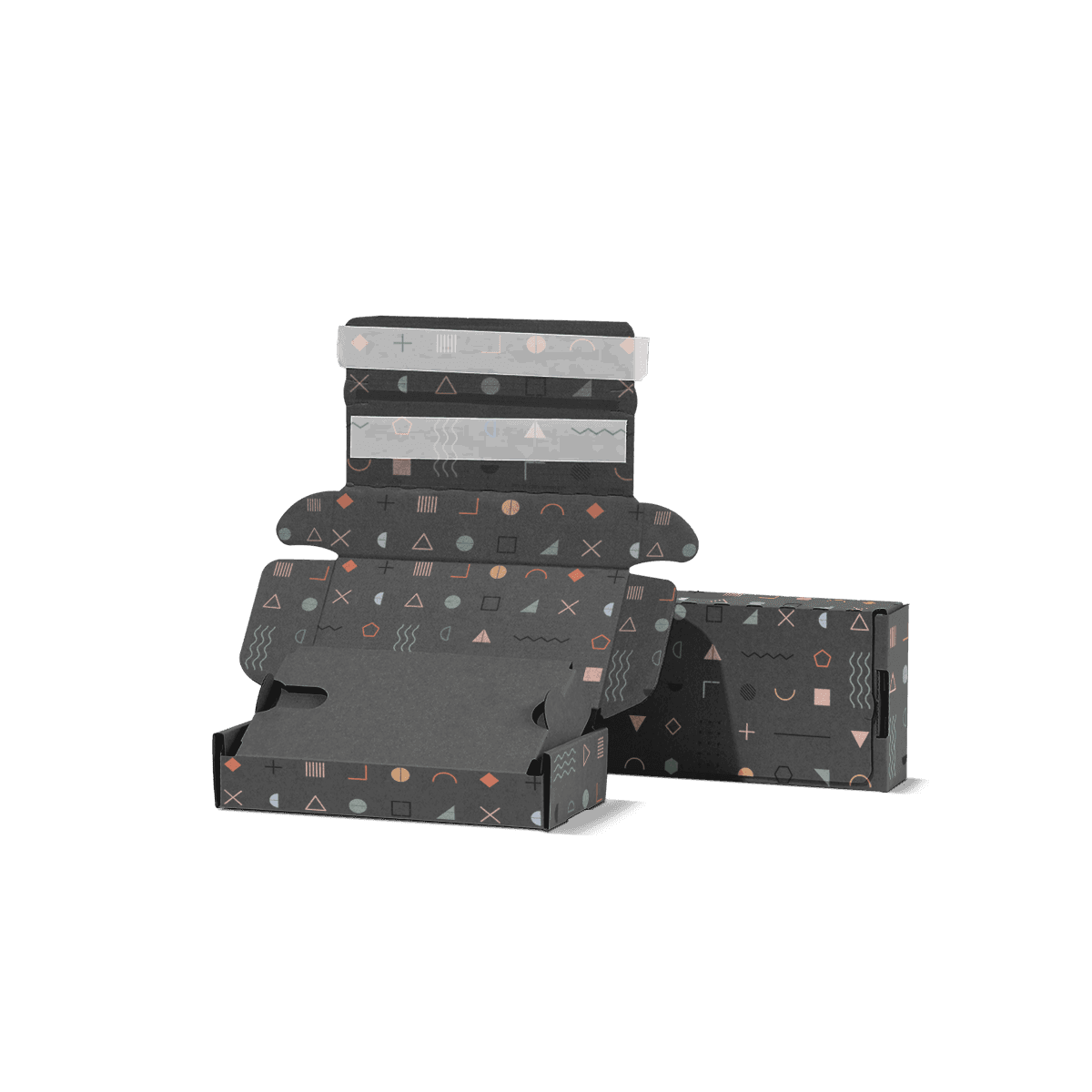
Others can incorporate an adhesive strip or tear feature when the project calls for faster closing or a cleaner opening sequence.

The correct mechanism depends on fulfillment speed, tamper indication and whether the same box may be used for a return.

Return Use Changes the Closure

A one-way shipment only needs to reach the customer securely.

A returnable pack needs a second closing event.

If the first opening destroys the locking area, the customer may need extra tape or another package to send the item back.

For apparel, accessories and products with meaningful return rates, that can make a second adhesive strip or another return-friendly closure worth considering.

The decision should happen before the dieline is finalized because return functionality changes the flap system rather than being something added casually after printing.

The Return Product May Be Packed Differently

A customer rarely repacks an item exactly as efficiently as the fulfillment team.

That matters in a compact box.

A shirt originally folded to a controlled size may return with a looser fold. Protective tissue may be discarded. An accessory may be placed beside its carton instead of inside it.

A Postal Box intended for reuse has to tolerate a realistic second packout.

That does not mean adding large amounts of spare space.

It means understanding which product dimensions are controlled only during the outbound packing process.

One useful development test is simple: open the pack as a customer would, remove everything and then repack it without using the original fulfillment sequence.

If the box becomes nearly impossible to close, the return design may be too unforgiving.

Corrugated Flute Influences the Profile

The board contributes to both protection and total parcel thickness.

For compact Postal Boxes, that makes flute selection particularly important.

A finer corrugated profile can support a lower overall pack profile while still giving the box more stiffness than paperboard alone. Larger or more demanding shipments may need stronger construction.

The choice should follow product weight, box span and delivery conditions.

The differences among corrugated, paperboard, kraft and rigid board matter because each material creates a different balance of thickness, fold behavior and protection.

Simply increasing board thickness can create another problem in a compact pack: the walls themselves start consuming more of the internal cavity.

Internal dimensions should always be confirmed in the erected production material.

Shallow Boxes Need Controlled Bending

A low-profile box can resist vertical compression differently from a deeper carton.

The lid may span a relatively broad area with little interior height underneath it.

If the product does not support that span and the board is too light for the footprint, the center of the lid can flex inward.

That does not always mean the box needs substantially heavier corrugated board.

A fitted insert, folded pad or slightly revised footprint can shorten unsupported spans.

Product position matters too.

A strong object centered under the lid behaves differently from a fragile object near an edge.

The box should be evaluated as a packed system rather than as an empty shell.

Right-Sizing Has a Parcel-Level Payoff

Postal packaging becomes inefficient quickly when dimensions grow without a product reason.

Every extra inch increases material and changes the space occupied by the shipment.

It can also create more internal travel for the product.

The mechanics behind reducing shipping damage start with controlling the relationship between the item and the cavity around it.

That principle matters especially for compact shipments.

The goal is not the smallest possible box.

A pack that is too tight can transfer outside pressure directly into the product, make loading difficult or distort the closure.

The objective is controlled clearance.

Leave room only where cushioning, an insert, product tolerance or packing motion genuinely needs it.

A Book and a Tech Kit Need Different Interiors

Similar outer dimensions do not create identical postal packs.

Consider two orders measuring roughly the same length, width and depth.

The first contains a hardcover book.

The second contains a slim power bank, cable and instruction card.

The book is one broad object. Its main risks may be corner impact, surface abrasion and movement across the box.

The tech kit has several independent components. A hard power bank can strike the cable connector or move on top of the printed card.

Giving both orders the same empty cavity because their outer dimensions are similar ignores how the contents behave.

For the tech kit, a folded paperboard platform or divider may be useful.

For the book, close perimeter fit and surface protection may be enough.

The Postal Box should follow the movement pattern inside it, not just the external measurement.

Postal and Roll-End Mailers Are Close Relatives

The structural vocabulary around postal boxes is loose.

Many suppliers use “postal box,” “mailing box,” “e-commerce box” and “mailer box” for overlapping corrugated constructions.

A Roll End Tuck-Front Mailer is more structurally specific. Its rolled side walls and front-tuck mechanism define how that particular box is formed and closed.

“Postal Box” can describe the shipping role more than one exact dieline.

That means a buyer requesting Postal Boxes should still define:

  • packed dimensions
  • product weight
  • preferred opening
  • closure method
  • whether a return closure is needed
  • required internal support
  • print placement
  • shipping-label area

Those inputs determine the real box.

The product name alone does not.

Printing Should Account for Scuffing

The outside surface will experience parcel handling.

That should influence artwork and finish choices.

Large dark areas can show abrasion differently from lighter graphics. Fine details placed near exposed corners may be more vulnerable. Foil or other decorative elements on courier-facing areas should be chosen with realistic handling in mind.

A clean outside design with stronger inside artwork can sometimes create a better balance.

Premium offset printing can support detailed brand graphics when it fits the project. CMYK and Pantone choices should follow the artwork and brand-color requirements.

A packaging dieline should reserve space not only for the structure and print but also for the label and closing system.

That prevents artwork approval from happening in isolation from fulfillment.

Packing Speed Depends on the Product Shape

A compact box is only efficient if the product enters it cleanly.

A folded garment can be lowered into a shallow cavity quickly.

A book slides into position easily when the footprint is right.

A kit with several loose components can take far longer even if the same Postal Box is used.

The packing process should therefore be observed from flat box to sealed parcel.

Does the structure erect easily?

Does the product fit without snagging?

Are inserts intuitive?

Can the label be applied without rotating the package several times?

Does the closure seat in one motion?

These operational decisions matter more than shaving a small amount from unit price if the carton is packed repeatedly throughout the day.

Storage Efficiency Ends After Erection

Postal Boxes are commonly stored flat before use.

That keeps packaging inventory compact.

Once boxes are pre-assembled, the warehouse calculation changes.

A fulfillment operation may choose to erect a batch before a promotion or high-volume packing period. That can improve station speed but consumes staging space quickly.

A smaller operation may keep the blanks flat until each order is packed.

Neither method is universally better.

The point is to plan the box around the actual fulfillment environment rather than assuming flat storage solves every space issue.

Custom Packly can support warehousing and scheduled deliveries when production quantity and day-to-day packaging consumption should be separated.

Smaller Is Not the Same as Lighter Duty

A small parcel can still carry a dense product.

Compact electronics, metal components, jars and hardware can concentrate meaningful weight into a modest footprint.

Postal dimensions do not automatically mean low structural demand.

If the contents become dense enough, the board and closure should be reconsidered.

For heavier or more demanding parcel loads, shipping boxes move the specification toward transit strength rather than compact postal presentation.

A small strong shipper is better than a Postal Box being pushed outside the structural job it was designed to perform.

Cost Should Be Judged Per Shipped Order

Postal packaging economics go beyond the price of the blank.

A custom size may cost more to develop than choosing an existing generic carton, yet the better fit can reduce repeated filler use, simplify packout and avoid carrying unnecessary material around every order.

Printing adds another decision.

A plain exterior with inside branding may suit operations where the carrier label dominates the outside. A fully printed outer box can make more sense when doorstep recognition is important.

Custom Packly's USA MOQ starts from 100 boxes, allowing compact e-commerce programs to begin without immediately committing to a very large production run.

Design and dieline support are especially relevant when label space, return closure and shallow internal dimensions must coexist on the same blank.

When the packed dimensions, quantity, board, closure and print direction are settled, an instant custom packaging quote can be built around the actual mailed unit.

Specify the Parcel Before the Artwork

The strongest Postal Box brief starts with a packed shipment, not a logo file.

Prepare the product exactly as it will leave fulfillment.

Confirm the total footprint and depth. Decide what must be restrained. Identify the surface needed for the carrier label. Choose whether the customer must be able to reseal the box for a return. Establish where the opening begins and how the contents should appear when the lid lifts.

Then build artwork around those physical decisions.

That order prevents a common reversal where attractive graphics are approved first and the operational elements are squeezed into whatever space remains.

For Custom Postal Boxes, compactness is the advantage.

The specification should protect that advantage from the first measurement through the final shipping label.

FAQs

Mostly e-commerce sellers, subscription brands, publishers and kit-based businesses choose them when they need a mailing carton that feels more structured than a bag and more efficient than a large shipper.

Booklets, apparel, accessories, stationery sets, sample packs, tech kits and other flatter products are strong candidates because they benefit from a close-fitting mailed carton.

Not always. When the box is right-sized for the product, many orders need little to no extra filler beyond tissue, a sleeve or a light insert.

Postal Boxes are the better fit when you want a slimmer mailed pack for flatter goods and faster parcel handling. Roll End Tuck-Front Mailers usually make more sense for deeper products, heavier kits or premium subscription builds.

Yes. They work well for return-friendly e-commerce if the structure, closure and dimensions are planned around reverse logistics from the start.

Process

How it works

Your Packaging Journey, From Idea to Production and Delivery

01

Tell Us Your Specs

Custom packaging boxes

Tell Us Your Specs

Provide size, quantity, printing, and finishes.

02

Get a Fast Quote

Custom packaging boxes

Get a Fast Quote

Instant transparent pricing, no hidden fees.

03

Design and Approval

Custom packaging boxes

Design and Approval

Artwork checks, revisions, and final sign-off.

04

Produce

Custom packaging boxes

Produce

Expert manufacturing to meet deadlines.

05

Ship to Your Door

Custom packaging boxes

Ship to Your Door

Hassle-free, flexible delivery options.

Get Your Quote for Custom Postal Boxes

Share your product details, size, quantity and artwork needs. We’ll help choose the right packaging style and send a clear quote.