Skip to content
Details

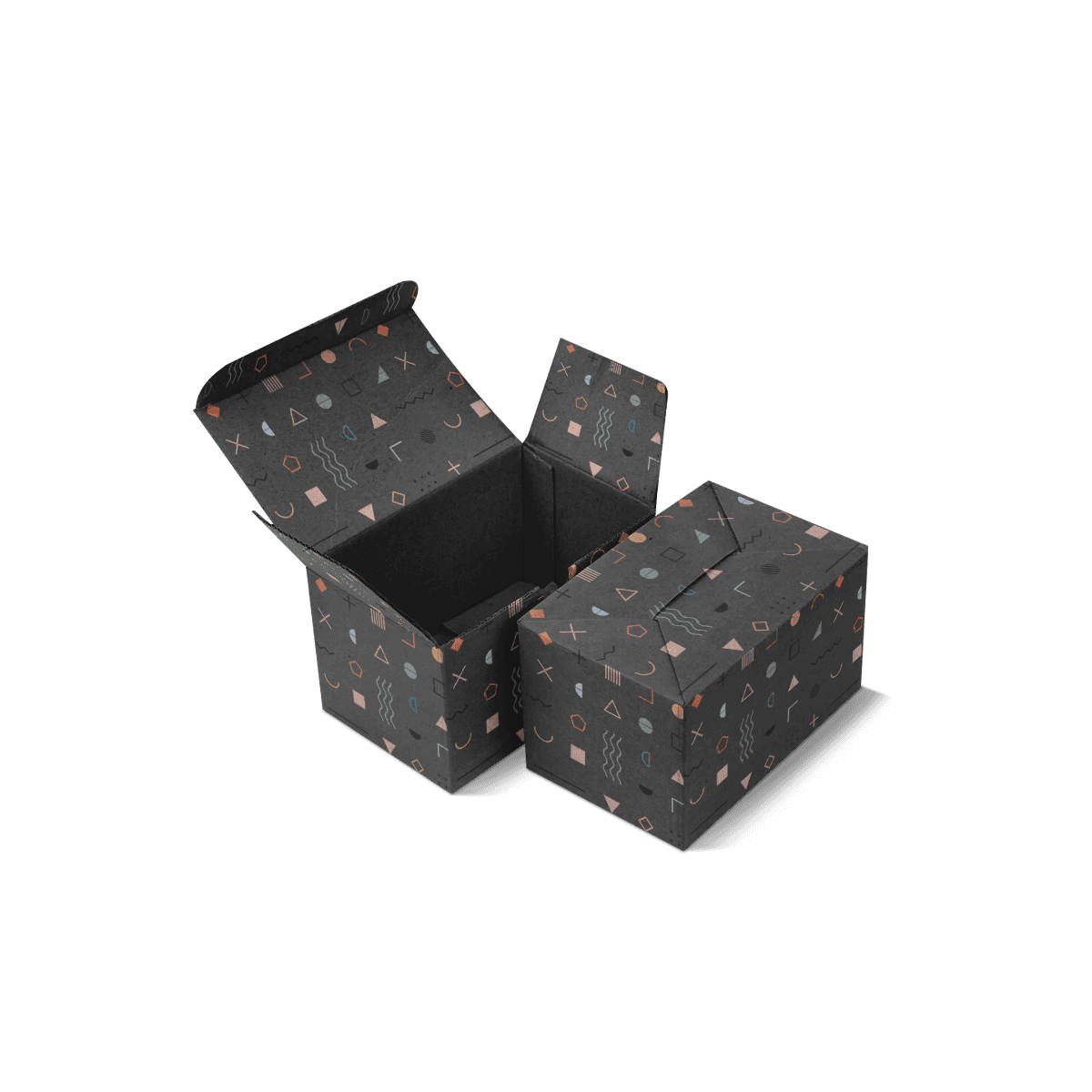
Custom Snap-Lock Bottom Boxes

Manually interlocking bases for hand-packed retail sets where controlled loading, bottom support and manageable converting costs matter.

The Lock Is a Product Decision

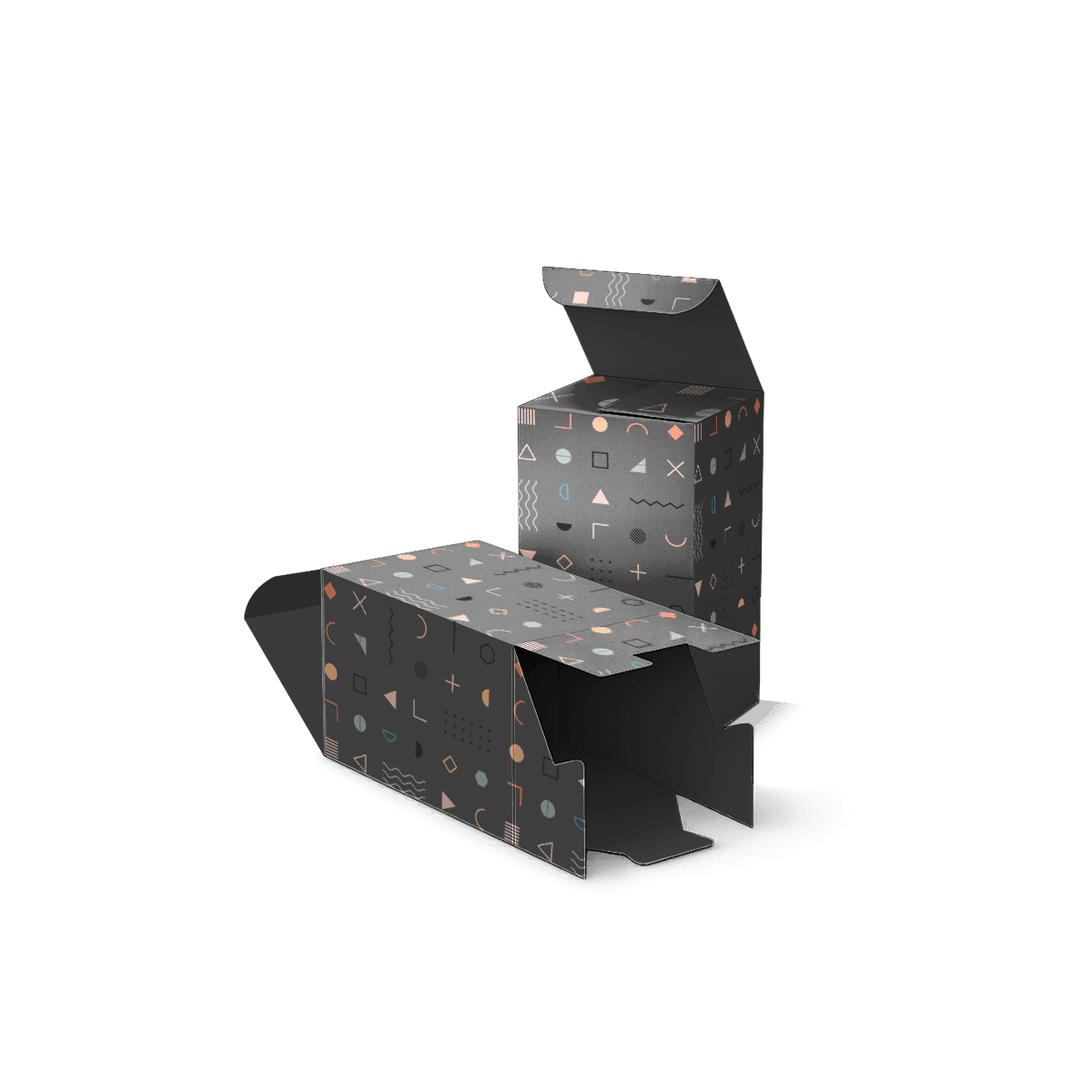
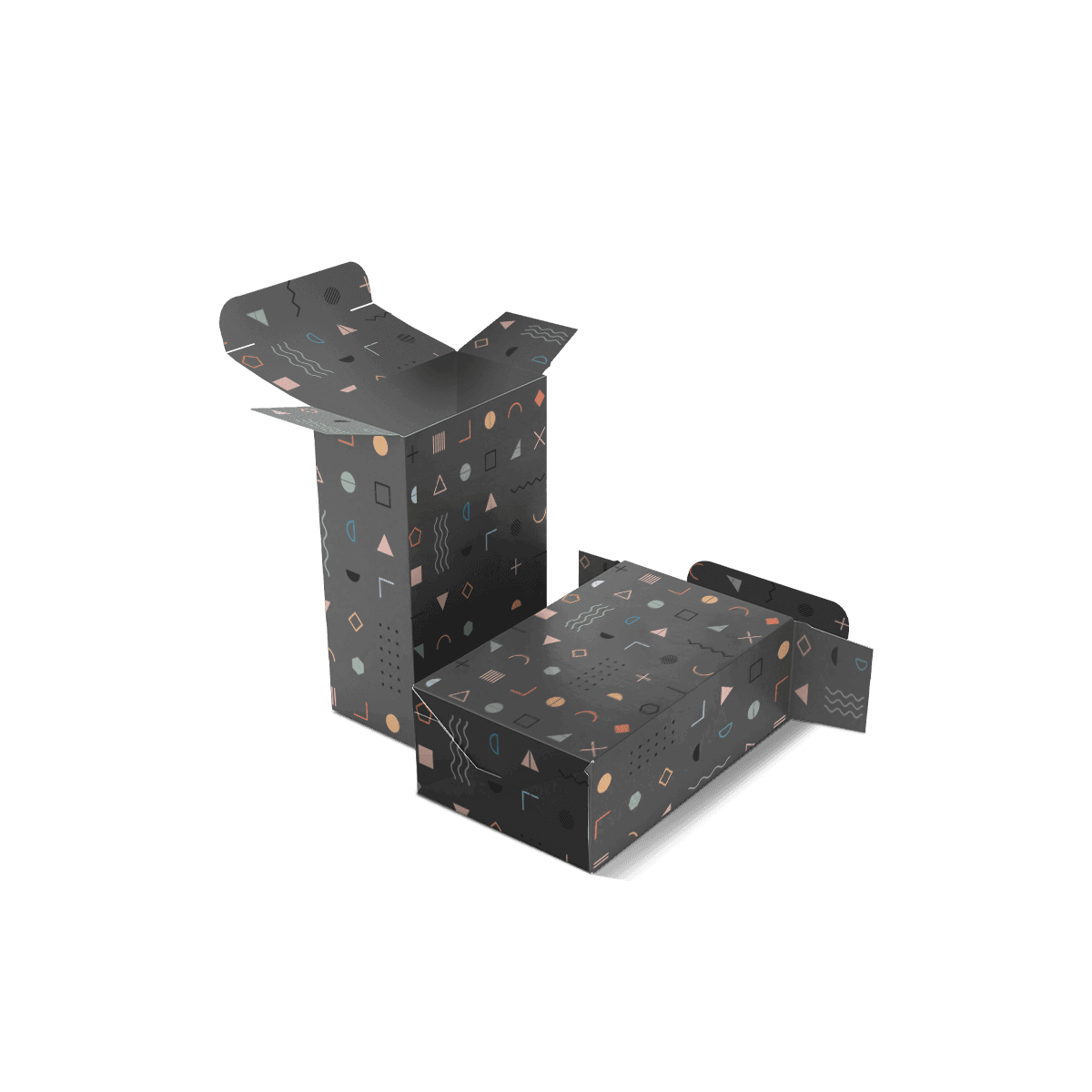
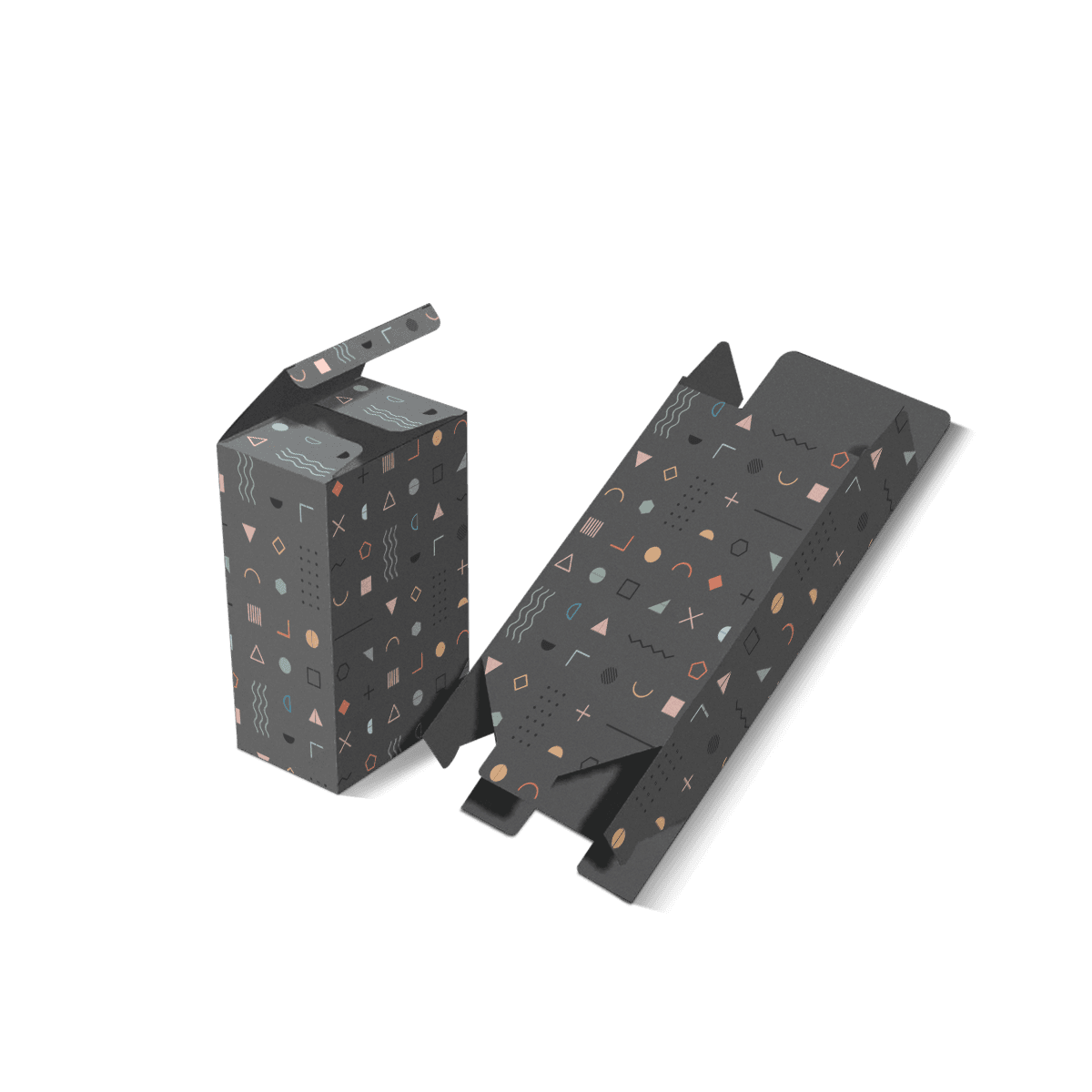
A manually interlocking bottom gives Custom Snap-Lock Bottom Boxes a formed floor without requiring the packing team to apply adhesive or tape. The structure arrives flat; staff square the body, fold the supporting panels in the correct sequence and engage the final locking tab before loading.

The mechanism is the same manual interlock often called a 1-2-3 bottom. The product decision here is how the assembled floor performs under the actual contents of a hand-packed box, particularly where a kit has several components or concentrated contact points.

The added folding movements may be acceptable when products are packed in small batches or already require careful insertion. A pre-glued crash-lock construction is a different labor trade-off, not a different name for the manual lock.

What Holds the Bottom

The bottom panels overlap to distribute load. The final tab or retaining edge captures the assembly, so it must be properly engaged before the product rests on the floor.

A carton that stands empty is not necessarily locked. Its flaps may appear closed while the tab remains outside the intended retaining position.

The False-Lock Risk

Consider a hypothetical kit containing a charger, cable and small metal adapter. An operator folds the lower panels out of order; the bottom looks finished on the table but separates when the adapter is loaded.

The adjustment is to correct the folding sequence and make engagement easy to confirm. A heavier board will not repair the incorrect lock.
Load Position Sets the Requirement

The amount of weight matters, but its location matters too. A broad-bottomed bottle spreads pressure differently from a component standing on two narrow feet.

The bottom's geometry and material must work as one structure. There is no universal load limit for every snap-lock box.

A Centered Load

A centered product may load the supporting panels relatively evenly. An offset item can create greater bending near one side and disturb the assembled stance.

Measure the actual packed product rather than the nominal dimensions of the main component. Include any protective wrap or support platform.

Kits With Uneven Weight

In a kit containing several components, the heaviest item can dominate the base requirement. A folded insert can establish a stable position and transfer force across a larger area.

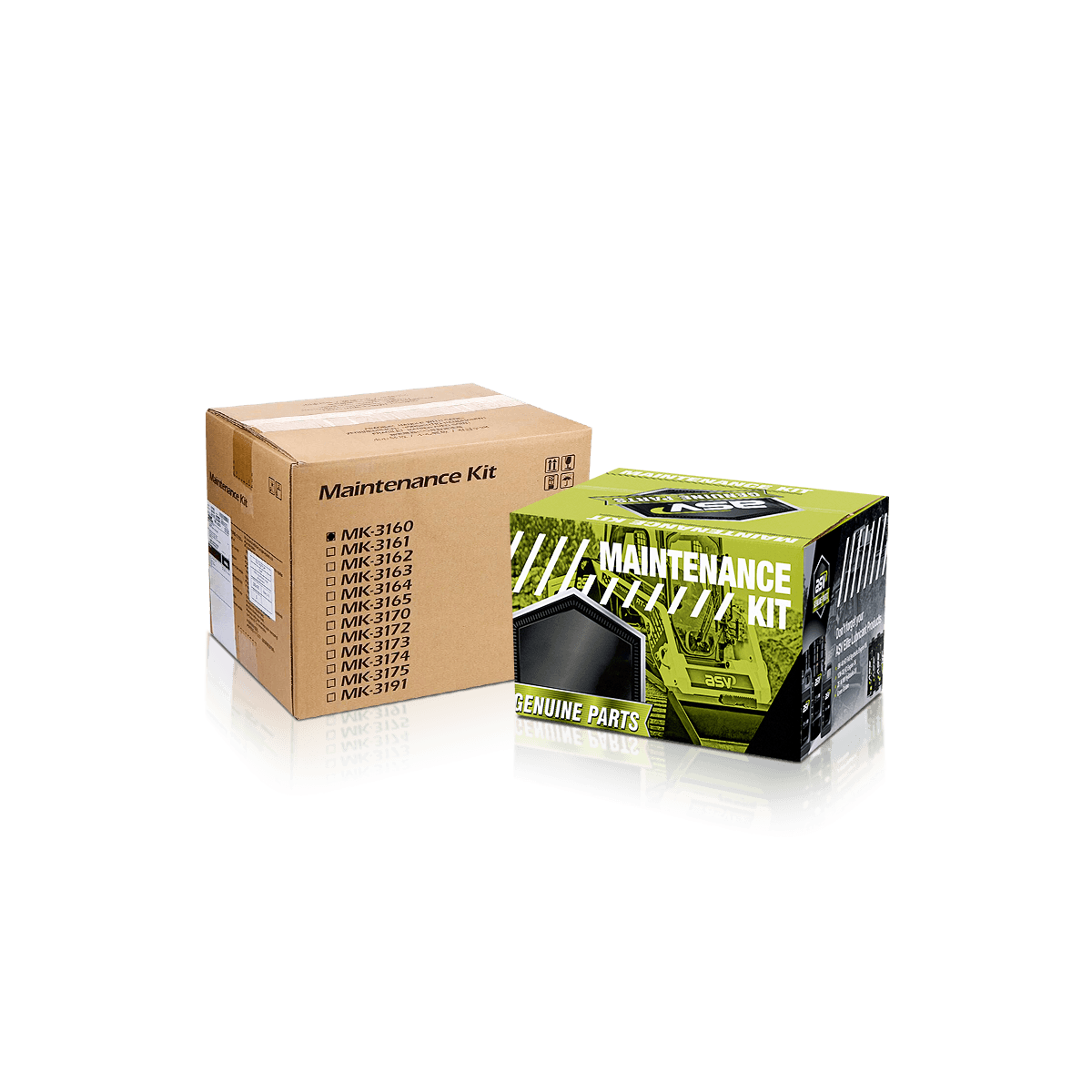
For maintenance kit boxes, the internal arrangement should hold loose components without transferring all their weight to one bottom tab.

Loading Versus Carrying

Pushing a tight insert into position can create more force than the stationary contents exert after packing. Avoid using the bottom as a stop against which staff force an unsuitable fit.

If the finished weight is too demanding for the selected carton, an appropriately specified shipping or rigid construction may be necessary.

A Practical Hand-Pack Sequence

The packer should know how to form the lock consistently without searching for the correct flap order. The approved dieline establishes that sequence.

Unlike a pre-glued automatic bottom, this structure transfers the lower-flap work to the packing station. Decide whether that work is economical across the actual daily quantity.

Open and Square

Bring the flattened body to its intended rectangular shape before folding the lower panels. A twisted body can keep the final tab from reaching its retaining position.

Check the side seam and creases if repeated correction is needed.

Fold the Supporting Panels

Position the panels in their intended order. The first folds create the lower support, while the last movement completes the mechanical connection.

The 1-2-3 Bottom Folding Cartons construction expresses this folding order as a training routine. Its underlying locking mechanism is the same.

Confirm Engagement

The finished bottom should give the operator a clear indication that the retaining feature is engaged. Staff should not need to press randomly against the floor to make the carton stand.

For unfamiliar shapes, a representative assembled sample can establish the correct feel and appearance.

Inserts Without Lock Interference

An insert can improve stability, but it must not defeat the mechanical connection beneath it. The fitment should rest on suitable support areas and remain clear of the locking tab.

Establish the complete kit arrangement before approving the outer dimensions.

The Bottom Contact

A folded paperboard platform can spread concentrated pressure when the product's contact area is small. Its lower edges should not pry apart overlapping flaps.

The platform may need a different fold arrangement from the one used in a conventional tuck-end carton.

A Stable Component Layout

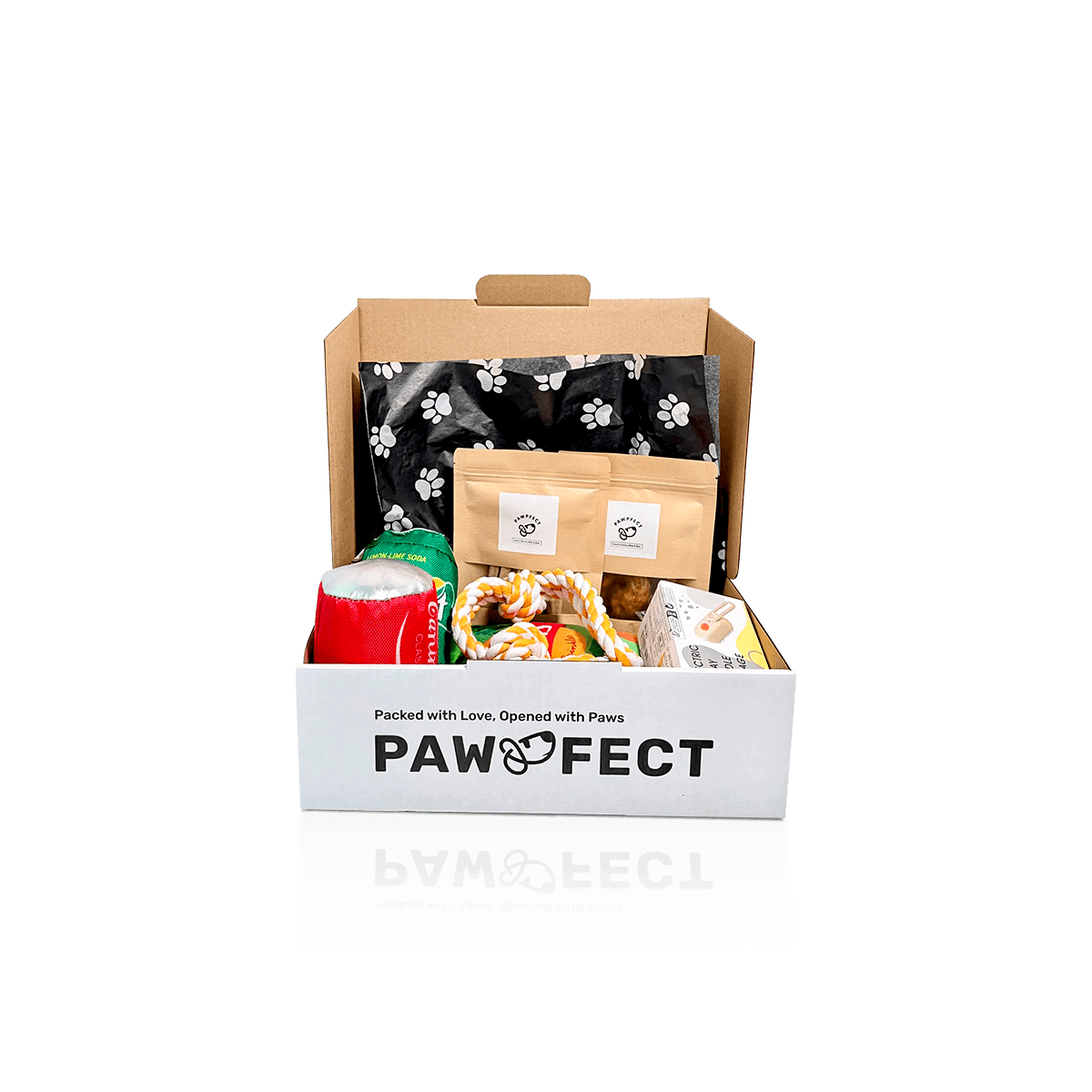
For gadget accessory boxes, cables and adapters should be separated when loose components would shift against the primary product.

An insert should also support practical product removal. A kit that is difficult to unpack is not improved merely because the lower carton is securely locked.

The Top Still Controls Access

A manually locked bottom can support the product while the top remains unsuitable for filling or consumer use. Select the upper closure for the actual product and intended opening frequency.

The lower lock does not require one particular top-flap construction.

A Conventional Tuck

A tuck top can suit a hand-packed kit because it closes without a separate adhesive operation and can be reopened where appropriate.

Dust flaps need clearance from tall components and inserts. A securely formed bottom does not compensate for an obstructed upper opening.

Product Removal

An item pressed deeply into the carton may be difficult for the recipient to grip. A fitment can establish an accessible position, but it should remain in place as the primary item is removed.

Plan removal before finalizing the internal cavity and insert.

A Fixed Seal

A product intended to remain enclosed until first use may need an adhesive-sealed upper closure. That introduces bonding and first-opening requirements beyond the manual base.

An ordinary tuck or glue joint is not automatically tamper-evident or child-resistant. Such properties require a separately specified and validated design.

Board That Will Actually Fold

Board stiffness supports the loaded box, but the manual lock still needs workable creases. A very stiff stock can make the final tab difficult to engage or damage its edges.

SBS paperboard is suitable for fine retail graphics and a white print surface. Kraft board can give a brown appearance, subject to the selected grade's structural suitability.

Tab and Crease Clearance

The tab must enter its receiving feature without excessive force. A change in board thickness can alter both the opening and the retention fit.

The packaging dieline should be developed for the approved board and dimensions rather than reused unchanged after a material substitution.

Suitable Surface Treatments

Matte and gloss coatings, CMYK printing and Pantone colors may be used where compatible with the carton stock and intended folds.

Avoid raised finishing treatments across functional crease areas or locking features. A decorative cutout near the tab may weaken the connection.

Recycled content and recyclability should be confirmed for the actual material and complete construction rather than inferred from its appearance.

Artwork That Survives Assembly

The front panel carries retail identification; the lower flaps are structural surfaces that become overlapped or hidden.

Put required product statements, barcode zones and primary artwork on panels that remain legible in the assembled carton.

Windows and Weak Panels

A window can improve product visibility but removes material. Its location must not compromise the sidewalls or bottom locking features.

When a kit uses several product sizes, the window should align with the actual loaded arrangement rather than the empty interior.

Artwork Across Folds

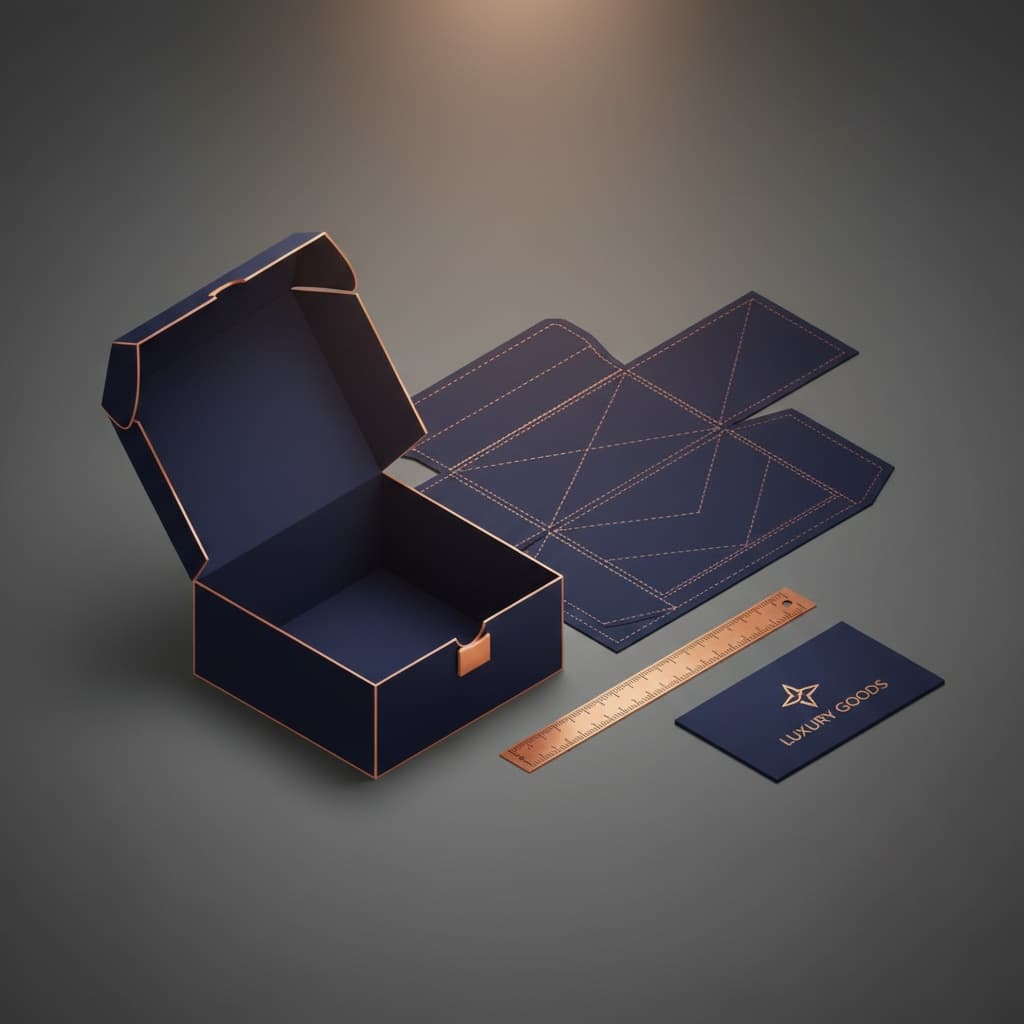
The final dieline identifies folds and safe areas. Check the assembled carton rather than assuming that continuous graphics on the flat blank will line up after erection.

Custom Packly supports free design assistance, dieline checks and free 3D mockups. Physical folding and loaded fit may still justify a paid fully custom sample.

The Alternative Is Pre-Glued

Auto-Lock Bottom Boxes use a pre-glued crash-lock base that forms as the carton is opened. They remove the manual sequence required by a snap lock.

The better commercial arrangement depends on the manufacturing quotation, packing labor and actual order volume, not the assumption that one construction is universally stronger.

For lighter goods that do not need an interlocking floor, a conventional folding carton may reduce unnecessary structural complexity.

Compare Complete Packout

Time the entire process: erecting, locking, inserting the fitment, loading and closing. A lock that takes only a few seconds may still matter across a large repeat run.

The cost of custom tuck boxes is influenced by board usage, die cutting, print and production quantity. Include the labor left for the packing team.

Cost at Modest Packing Volumes

The commercial case for manual interlocking depends on whether its manufacturing requirements and the remaining hand labor suit the actual order.

A promotional run may involve several minutes of product arrangement per kit, making the bottom-folding movements a relatively small part of the complete task.

Converting Requirements

The die-cut panel shape influences material consumption and the number of blanks that fit on a sheet.

Compare alternative quotations using the same internal dimensions, stock, artwork and quantity before attributing a price difference solely to the mechanism.

Complete Labor Cost

Count the time spent squaring, locking, fitting, loading and closing. Include any corrections of incompletely engaged locks.

A mechanism that is quick for an experienced worker may need clearer instructions for a mixed packing team.

Storage and Quantity

Flat-packed supply can support intermittent or seasonal demand, but unused blanks still require storage.

Select a production quantity using realistic product demand and the possibility that the item or artwork will change before the next run.

The Packing Standard Belongs on Site

Once the carton is approved, establish the folding order used by every packing shift. A clear sample or short illustrated instruction is especially appropriate when the panel arrangement is unfamiliar.

The objective is to prevent false locks rather than teach employees to compensate for a difficult blank.

Loading Approval

For a dense product or an insert that contacts the floor, evaluate a filled sample with the intended hand-packing movement. Confirm that the base stays engaged when the carton is lifted and turned.

The packaging testing process can help identify the relevant checks without treating an empty-carton demonstration as proof of loaded performance.

Order Requirements

Custom Packly's USA MOQ starts from 100 boxes. Free design and dieline support, US production and free shipping are part of the current offer; standard turnaround is 4–6 days after final artwork and specifications are approved, with complex work potentially requiring longer.

A fully custom physical sample may be paid. Once the lock, board, packed weight and quantity are settled, request a custom quote for the finished construction.

The box should remain flat in storage, lock consistently by hand and carry its contents without additional bottom-sealing operations.

FAQs

A correctly specified snap-lock bottom can give a denser product more support than a basic tuck bottom. The actual result depends on panel geometry, board grade and product load.

A correctly engaged lock can support suitable bottles and kits, but weight capacity depends on the exact board, dimensions and product contact points.

Snap-Lock Bottom Boxes need manual bottom assembly, so they are often chosen when brands want stronger support but do not need the faster pop-open setup of a pre-glued crash bottom. Auto-Lock Bottom Boxes are better for speed on the packing line, while Snap-Lock Bottom Boxes can be a more practical choice when cost control and manual assembly are acceptable.

SBS, kraft and other suitable folding carton stocks can be specified according to load, print and crease behavior. Coatings must remain compatible with the folding and any adhesive areas.

Yes. A die-cut window, divider, or personalized insert can be added when the product needs more visibility, separation, or retention inside the carton.

Process

How it works

Your Packaging Journey, From Idea to Production and Delivery

01

Tell Us Your Specs

Custom packaging boxes

Tell Us Your Specs

Provide size, quantity, printing, and finishes.

02

Get a Fast Quote

Custom packaging boxes

Get a Fast Quote

Instant transparent pricing, no hidden fees.

03

Design and Approval

Custom packaging boxes

Design and Approval

Artwork checks, revisions, and final sign-off.

04

Produce

Custom packaging boxes

Produce

Expert manufacturing to meet deadlines.

05

Ship to Your Door

Custom packaging boxes

Ship to Your Door

Hassle-free, flexible delivery options.

Get Your Quote for Custom Snap-Lock Bottom Boxes

Share your product details, size, quantity and artwork needs. We’ll help choose the right packaging style and send a clear quote.