Skip to content
Details

Custom Wig Boxes

Packaging planned around the complete hairpiece, with room for crown volume, protected lace edges, controlled interior contact and a shape that can remain useful for storage after unboxing.

The Crown Cannot Be Flattened Into the Box

A wig occupies space differently from loose extensions. The cap creates a three-dimensional center, the hair builds volume around it and the finished style can extend well above the surface on which the wig initially rests.

Custom Wig Boxes therefore need to follow the hairpiece in its intended storage position.

A box that is technically long and wide enough can still be wrong if the lid compresses the crown, pushes against styled volume or forces the wig into a flatter shape than intended. Extra depth alone is not the answer either. An oversized cavity can let the entire hairpiece migrate during handling.

The starting point is the prepared wig: cap position, crown height, hairstyle, folded length and the way it should look when the customer first removes it.

Cap Position Sets the Center

The cap gives the wig a structural reference point.

If that center shifts toward one side of the box, the surrounding hair usually follows. Long fibers may collect against an end wall while the crown no longer sits where the interior was planned to support it.

A shallow support, shaped platform or controlled tissue arrangement can establish where the cap belongs without trying to clamp the hairpiece into place.

The support should distribute contact rather than create one hard pressure point beneath the crown.

Volume Needs Deliberate Headroom

Curled, waved, layered or high-volume styles may need more usable height than a flatter straight style with similar overall length.

That height should be measured with the wig prepared as it will actually be packed.

Do not compress a styled sample until it fits a preferred stock dimension and then treat the resulting measurement as the specification. The packaging should follow the stored product rather than teaching staff to reshape the product for the box.

When dimensions, internal support and product orientation must follow the actual hairpiece, custom product packaging should be planned from the physical wig rather than a predetermined carton.
Lace Fronts Need a Safe Edge

The lace area deserves its own position inside the pack.

It should not be trapped against an abrupt internal edge, crushed beneath a care booklet or allowed to fold unpredictably as the lid closes. The surrounding hair can tolerate movement differently from the lace construction itself, so treating the whole wig as one soft mass can create a poor interior.

A simple internal layout can establish where the front of the wig sits and keep secondary components away from it.

Accessories Should Sit Elsewhere

Wig caps, clips, care instructions, bands or other accessories should not be scattered over the hairpiece simply because there is room above it.

A small accessory compartment, envelope or separate recess can prevent harder items from pressing into the wig during storage and shipping.

This is especially important when the customer is expected to return the wig to the box after use. A clear place for accessories makes the storage system easier to repeat rather than asking the customer to reconstruct the original pack from memory.

Removal Should Not Catch the Front

The customer should be able to lift the wig without dragging the lace front against a retaining tab or rough carton edge.

An interior can hold the cap area securely while still leaving enough access to place fingers beneath or around the product.

Protection and removal are part of the same decision. A cavity that restrains the wig perfectly but makes it awkward to lift out is too restrictive.

Long Hair Needs a Gentle Storage Path

Wig length matters, but it does not translate directly into box length.

A long wig may be stored with the hair following a controlled bend or loose fold around the cap. Another style may be packed with more of its length extended. Braided, straight, wavy and highly textured pieces can behave differently even when their listed lengths are similar.

That separates this product from Hair Extension Boxes, where the main structural problem is flatter wefts, bundles, clip-ins and attachment-point organization.

For wigs, the cap and hairstyle remain part of the packed shape.

The fold path should avoid forcing all of the hair into one tight turn. If long fibers always accumulate against the same narrow end wall, the pack may technically contain the wig while presenting it poorly when opened.

A little extra horizontal room can sometimes be more useful than simply making the box deeper.

Interior Surfaces Touch the Product

The inside of a wig box does more than create visual presentation. Hair can remain in direct contact with those surfaces while the product sits in inventory, travels to the customer and later returns to storage.

That makes interior construction worth examining closely.

Edges around inserts, platforms or compartments should not unnecessarily catch fibers. Paper components that touch the wig should be finished cleanly and positioned so exposed structural edges are not repeatedly pulled through the hair during removal.

Loose decorative material also needs a reason to be there.

Tissue can help control presentation and support a prepared shape, but excessive layers can add pressure, make repacking difficult and conceal the product rather than supporting it.

The strongest interior is usually the one that does enough to hold the wig’s storage state without surrounding it with unnecessary components.

The Box May Stay in the Customer’s Closet

Many product packages finish their job after the first unboxing. Wig packaging can continue working after that.

A customer may need somewhere to return the wig between wears. That changes which structural details matter.

The box should reopen without damaging the closure, give the hairpiece enough room to return to its intended position and remain understandable after the original tissue or accessory arrangement has been disturbed.

A Rigid Cosmetic Box adds firm walls and can support a more permanent interior when the package is expected to stay with the product beyond first purchase.

A lighter carton may still be appropriate for lower-volume styles, wholesale distribution or products where long-term storage is not part of the proposition.

The product value alone should not dictate the board. Decide whether the customer is expected to keep using the package.

Wig Type Changes the Internal Space

There is no single cavity that suits every wig in a brand’s assortment.

A low-volume bob, full lace unit, curly long wig and braided style can demand different height, footprint or internal support even if the brand wants all four packages to look visually connected.

Low-Volume Styles Can Stay Compact

Shorter or flatter styles may not benefit from a deep presentation box.

Reducing unnecessary internal space can improve product control and make the package easier to store and ship. The exterior artwork can remain consistent with larger boxes even when dimensions change.

Fuller Styles Need Vertical Freedom

High-volume curls or heavily styled pieces should not be forced into the depth established for a flatter SKU merely to standardize the packaging line.

If the crown or surrounding hair repeatedly touches the lid, internal support should be reconsidered before the product is compressed.

Heavier Hair Needs Base Support

Long or dense hairpieces can place more mass toward one area of the box.

The base and internal platform should support that load without relying on the cap or delicate front area to hold everything in position.

The cosmetics and personal care packaging system can stay visually consistent at brand level even while individual hair products use different physical specifications.

Opening Direction Changes Hair Handling

The way the box opens affects how much the customer needs to touch the wig before removing it.

A simple lift-off lid exposes the entire interior immediately. That can work well where the hairpiece needs unobstructed top access.

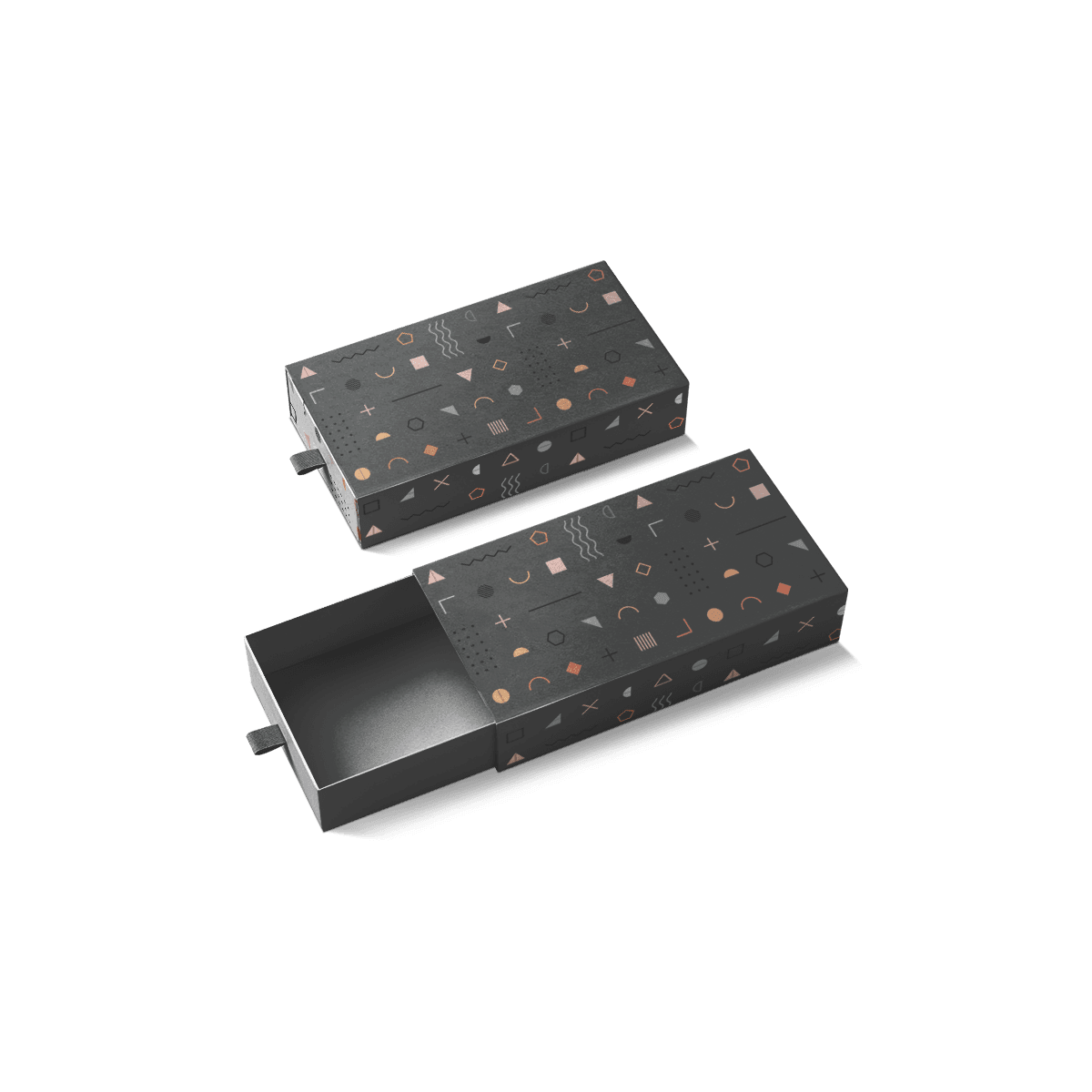
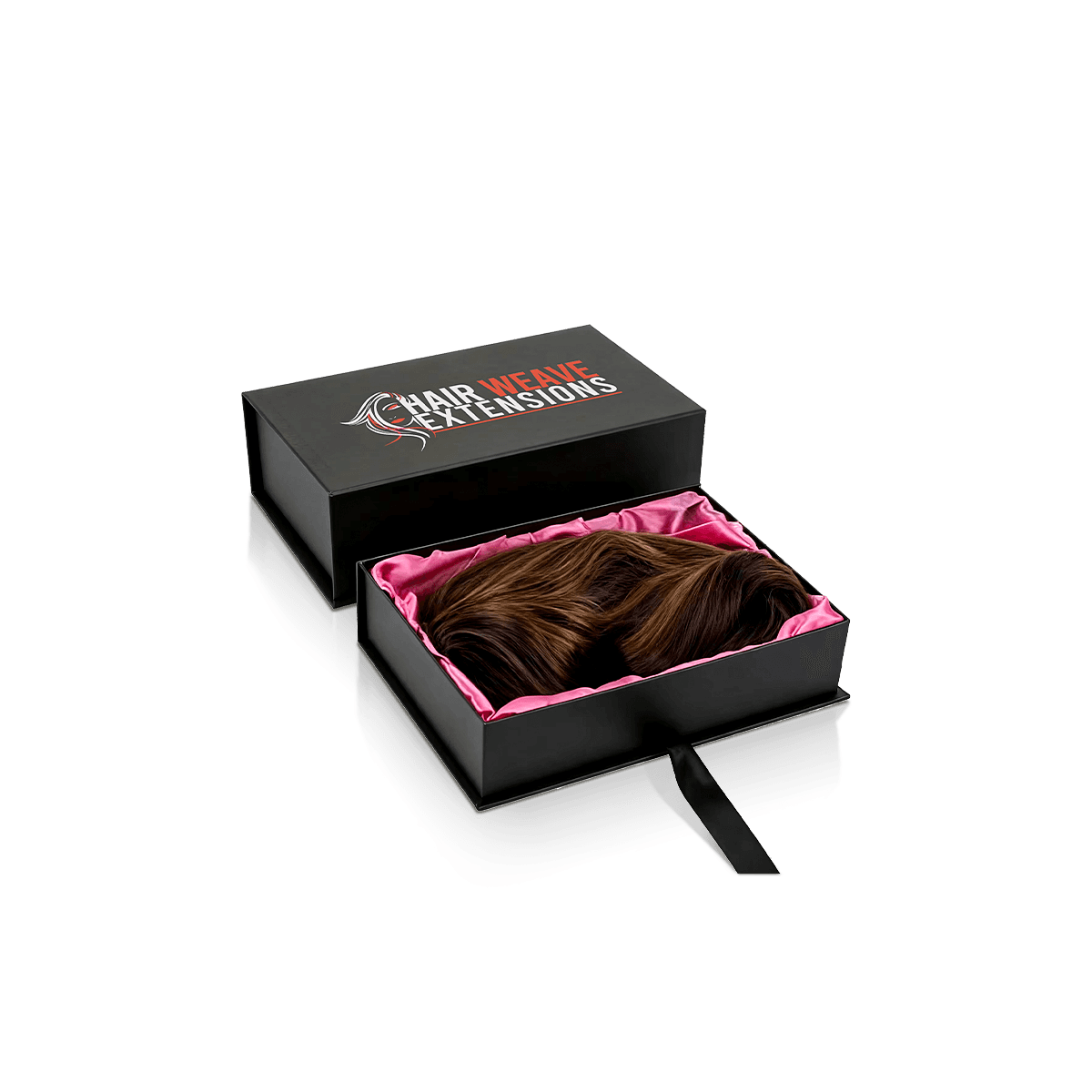
A drawer creates a different motion. The product travels horizontally as the tray moves out of the sleeve, so the wig and its internal support need to remain stable during that movement. Drawer-Style Rigid Boxes can suit premium presentations when the slide-out reveal adds value and the wig is properly controlled inside the tray.

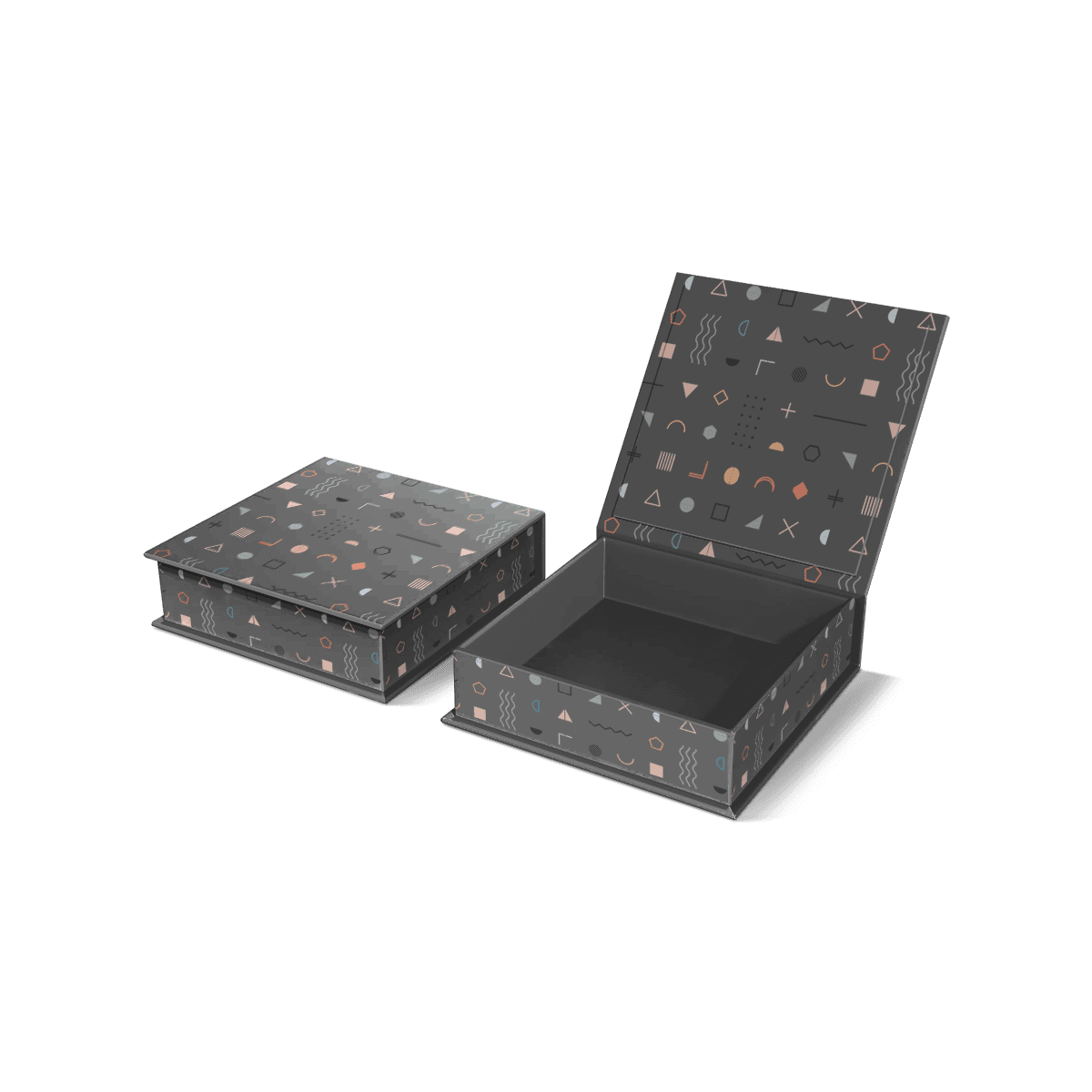
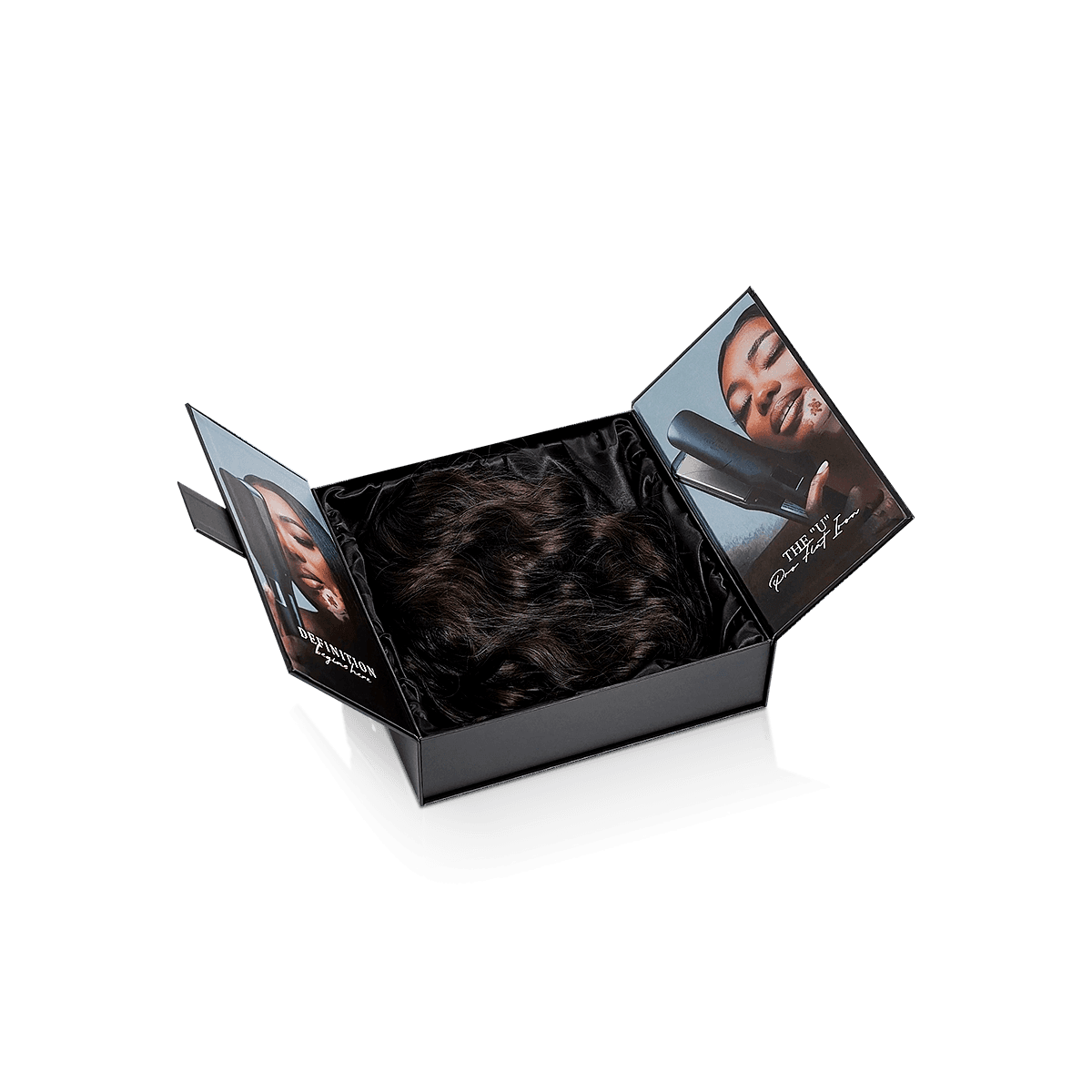
A hinged magnetic structure can provide broad top access while keeping the lid attached. A Custom Magnetic Closure Rigid Box can support repeated storage when an attached lid and reclosable presentation are part of the intended experience.

No opening style fixes a poor interior.

The box should first hold the wig correctly. The reveal mechanism comes after that requirement.

A Deeper Box Was Not the Fix

A lace-front wig on a raised internal support can reveal a different problem: the open sample looks balanced, but closing the lid places light pressure on the front of the styled crown.

The immediate response might be to increase the entire box depth.

That would create more vertical room, but it could also add empty space around the rest of the product and increase the outer package unnecessarily.

The better adjustment may be lower inside the box.

Reducing the support height slightly and spreading its contact over a wider area can preserve the cap position while moving the crown away from the lid. The lace-front area can remain in its protected zone and the external box dimensions may not need to change at all.

The important point is that excessive contact above the wig does not always mean the outer box is too small.

Sometimes the internal support is placing the product too high.

Testing the complete packed hairpiece exposes that distinction.

Branding Should Survive Repeated Handling

A reusable wig box may be opened, closed, moved and stacked many more times than a disposable retail carton.

Surface treatments should suit that behavior.

Premium offset printing can reproduce detailed brand artwork and controlled color. Foil, embossing, debossing and spot UV can add emphasis, but their position should take repeated hand contact into account.

The top panel often gives the cleanest branding area because the wig itself does not require a viewing window to communicate shade in the same way as some smaller cosmetics. Inside printing can then continue the visual identity after the lid opens without adding loose decorative pieces around the hair.

For brands carrying several wig types, custom printed boxes can keep the main visual system consistent while style names, shade codes and SKU labels change between versions.

Packaging graphics should help distinguish those versions without forcing one physical box onto every hairstyle.

The Presentation Box Should Not Take Courier Abuse

A reusable wig box and an ecommerce shipping container solve different problems.

The wig box controls presentation, storage and product shape. The outer parcel handles compression, labels, sorting equipment and normal courier contact.

Using the presentation box as the only shipping layer can expose decorative corners, wraps and closures to wear before the customer sees them.

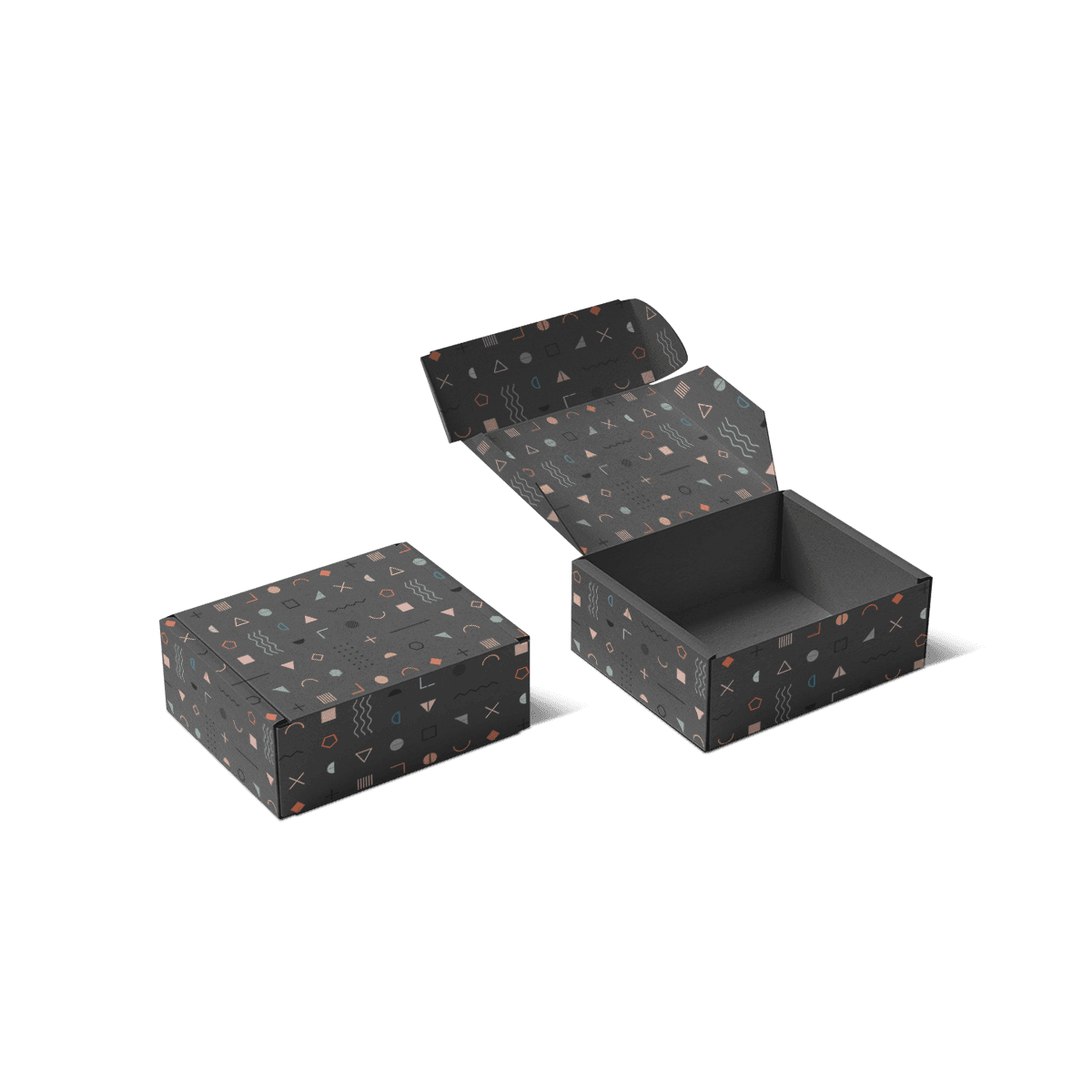
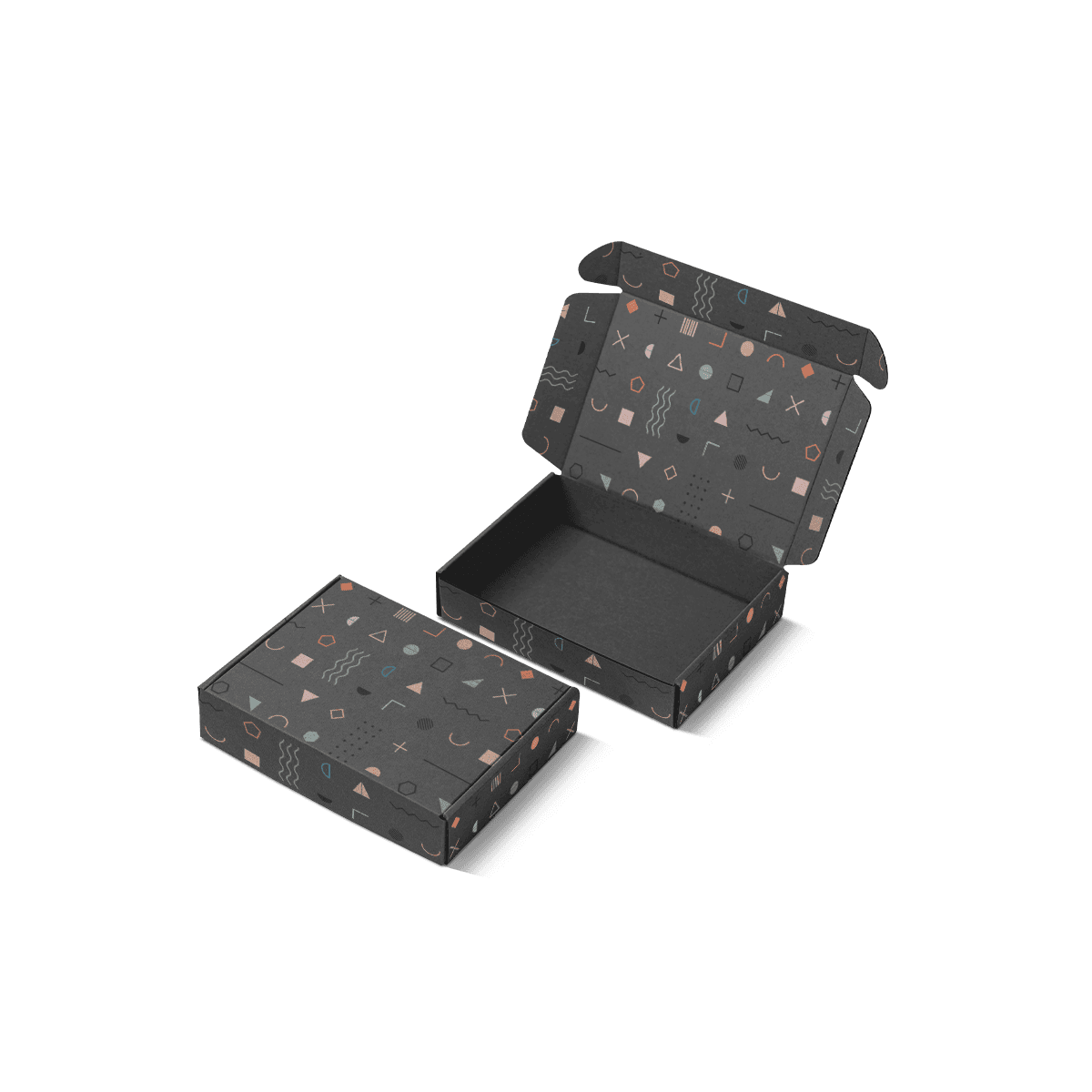
A fitted custom mailer box can carry the wig package when the branded inner box needs to arrive clean.

The space between the two should still be controlled. An oversized outer shipper that lets the wig box repeatedly move from wall to wall does not create a better transit system simply because another layer has been added.

This separation is particularly worthwhile when the inner box is intended for ongoing wig storage.

Sampling Needs the Finished Hairstyle

An empty structural sample cannot verify the main risk.

The production-intent wig should be prepared exactly as it will be packed, including the cap position, crown volume, styling, tissue, accessories and any internal support.

Close the box without forcing the lid. Reopen it and inspect the lace, crown and longest hair sections. Move the closed sample through the orientations it is likely to experience during handling, then check whether the product returns to the same position.

A 3D mockup can establish artwork, box proportion and interior planning before production. Custom Packly also provides design and dieline support, while an exact fully custom pre-production sample can be arranged as a paid sample when the physical storage position needs approval.

Free sample examples of previous work are available where relevant.

Custom Packly is an experienced US packaging company with extensive customization and 24/7 packaging expert support, which can be particularly useful when several wig styles need different internal specifications under one brand system.

Launch the Box Around Real Wig Groups

A wig brand may have dozens of product names without needing dozens of physical box sizes.

Group the line by packed behavior.

Several low-volume wigs may share one structure. Fuller styles may need a second depth. Extra-long or unusually heavy pieces may justify another specification because their storage path and internal support differ materially.

That approach avoids two extremes: forcing every wig into one oversized box or manufacturing a unique structure for every minor SKU variation.

USA orders start from 100 boxes, which can support an initial specification before the physical system expands across a larger assortment.

Those quantities matter only after the product groups are correct. A quick replenishment cannot compensate for a cavity that flattens one style and wastes space around another.

Decide What the Customer Keeps

The final wig-box decision should be based on what remains after the initial unboxing.

If the customer is expected to discard the package, a well-sized folding structure may be sufficient.

If the package becomes the wig’s normal storage place, the box needs to support repeated opening, easy product return, accessory organization and the hairpiece’s resting shape after first wear.

That decision affects the structure more than another decorative finish.

It also changes the value of the interior. A temporary presentation can rely on a carefully arranged first pack. A reusable storage box needs an arrangement that the customer can understand and recreate without specialist packing knowledge.

The strongest Custom Wig Boxes therefore preserve more than the product at delivery. They give the cap a repeatable position, leave the crown enough room, protect sensitive front areas and make it practical to put the wig away again.

That is the specification worth carrying from sampling into production.

FAQs

Enough room to protect the hairpiece without letting it slide around. A box that is too tight can flatten the wig, while too much empty space can lead to tangling and messy presentation during shipping.

No. Single wigs can sometimes be packed well with tissue and a planned fold, but inserts become more useful when accessories, care tools, extra bands, or premium presentation are part of the offer.

Yes when the product has a full cap construction and needs more interior volume or shape control. Hair Extension Boxes are better for bundled wefts and flatter hair formats, while Wig Boxes are better for complete hair systems, lace fronts, and packs that include accessories.

Paperboard works well for everyday retail cartons and lighter programs, while rigid board or stronger wrapped structures are often chosen for boutique presentation, PR kits, and reusable storage.

Often yes. Many buyers keep the box for storage between wears, which makes organized interiors and sturdy construction more valuable than they are in single-use packaging.

Process

How it works

Your Packaging Journey, From Idea to Production and Delivery

01

Tell Us Your Specs

Custom packaging boxes

Tell Us Your Specs

Provide size, quantity, printing, and finishes.

02

Get a Fast Quote

Custom packaging boxes

Get a Fast Quote

Instant transparent pricing, no hidden fees.

03

Design and Approval

Custom packaging boxes

Design and Approval

Artwork checks, revisions, and final sign-off.

04

Produce

Custom packaging boxes

Produce

Expert manufacturing to meet deadlines.

05

Ship to Your Door

Custom packaging boxes

Ship to Your Door

Hassle-free, flexible delivery options.

Get Your Quote for Custom Wig Boxes

Share your product details, size, quantity and artwork needs. We’ll help choose the right packaging style and send a clear quote.