Skip to content
Details

Custom Hair Extension Boxes

Packaging for wefts, clip-ins, tape-ins and extension sets that keeps the packed hair organized, makes shade and length easy to identify and supports retail or direct-to-customer presentation.

Nominal Length Is Not Box Length

An 18-inch or 24-inch extension does not automatically need an 18-inch or 24-inch box. The correct size comes from the way the hair will actually be prepared for packing.

A bundle may be laid relatively straight, gently folded, rolled around the weft or secured to a header. Clip-in sets add stacked clips and extra thickness near the attachment points. Tape-in extensions create a different flat pack because the adhesive tabs need to remain organized. Multi-bundle sets may place several wefts together rather than treating each extension separately.

Custom Hair Extension Boxes should therefore be sized from the finished packed bundle, not the nominal hair length printed on the SKU.

Measure the Packed Hair

Prepare the extension exactly as it will enter production packaging before taking box dimensions.

Include the weft, ties, clips, backing card, protective sleeve and any care card that stays with the product. Measure the longest, widest and deepest points without compressing the hair simply to make a smaller carton work.

This prevents an artwork-approved box from becoming too shallow once the real product reaches the packing table.

Attachment Points Change Depth

The fibers may look flat while the top of the pack is noticeably thicker.

Sewn wefts, clips, tapes and attachment hardware can create a concentrated high point even when the rest of the hair occupies very little depth. If that point is ignored, the carton may press against it while leaving unnecessary room elsewhere.

The cavity should account for the thickest part of the prepared extension set.
Stop the Bundle From Traveling

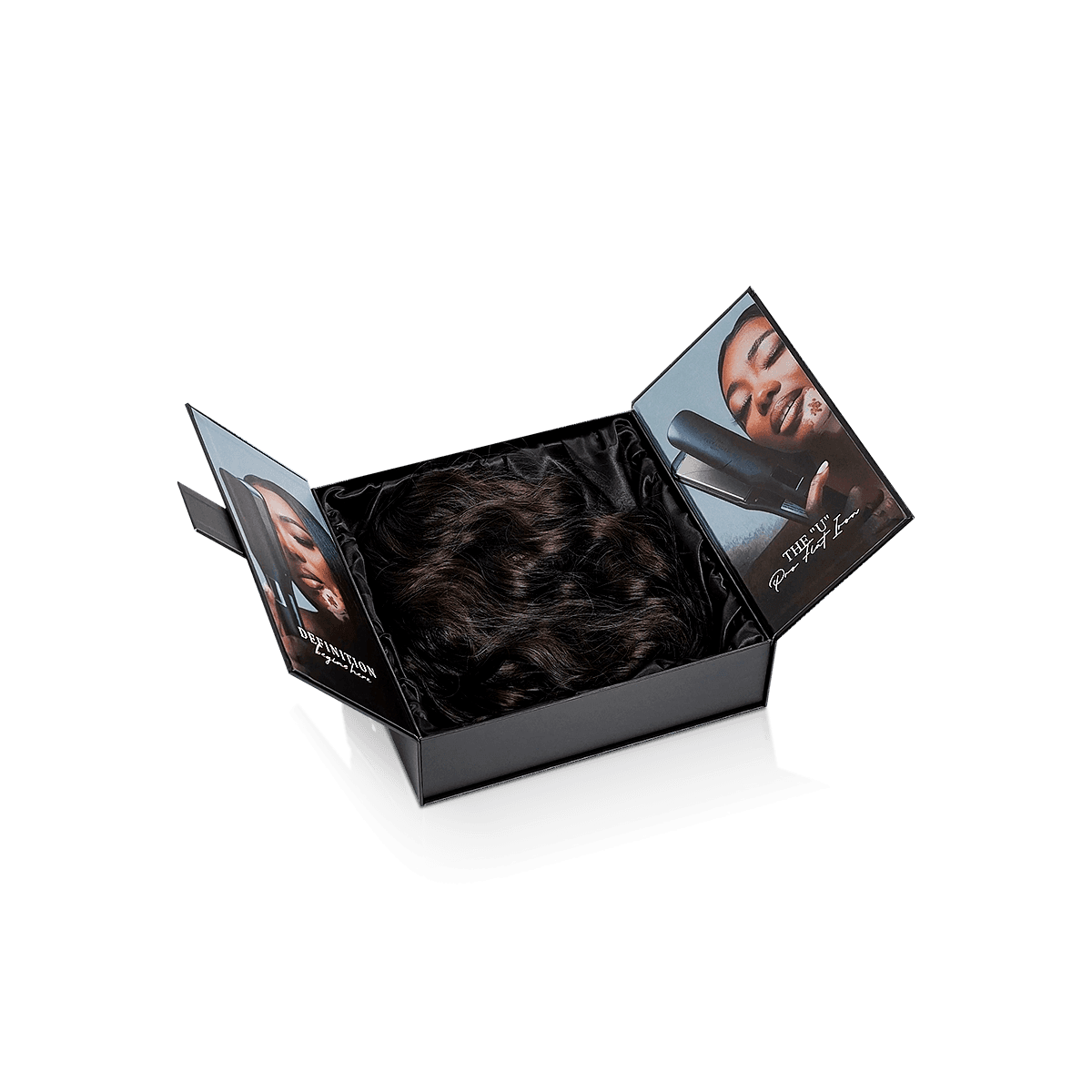
Hair extensions do not need heavy cushioning in the same way as glass or electronics, but they do need positional control.

A long bundle left loose inside an oversized box can slide toward one end during handling. Several bundles can cross over each other. Clip-in pieces can move away from their intended order. A neatly prepared product can therefore reach the customer looking less organized even when nothing is technically broken.

The answer is usually light restraint rather than dense protective material.

A backing card, paperboard retaining tab, shallow tray or carefully positioned band can keep the weft end in place while leaving the hair itself relatively free. For multi-piece kits, small divisions can prevent attachment points from collecting in one corner.

When the internal component must control movement without adding unnecessary bulk, packaging inserts should be chosen around the actual bundle and attachment points.

Restrain the Weft, Not Every Strand

Hair should not need to be clamped tightly along its full length.

Controlling the heavier or more structured part of the extension often does more useful work. Once the weft, clip strip or top attachment point is held consistently, the remaining fibers can lie naturally within the available space.

That keeps the internal construction simpler and makes removal easier for the customer.

Extension Types Need Different Interior Logic

One cavity should not automatically be copied across every extension SKU.

The correct internal arrangement depends on how the product attaches and how many separate pieces need to remain organized.

Bundles Need Weft Control

Sewn or bundled extensions often concentrate their mass at the weft.

The pack can secure that top area while giving the hair enough length and width to sit without being forced against a sharp internal edge. For several bundles sold together, separation near the wefts can make the set easier to count and present.

Clip-Ins Add Hardware

Clip-in sets contain several pieces that may differ in width.

The clips create thickness and can catch neighboring fibers when everything is allowed to migrate freely. A backing system that keeps the separate pieces in order can make the pack easier to open, inspect and repack.

Tape-Ins Benefit From Flat Organization

Tape-in pieces are relatively flat but usually arrive as multiple sections.

Keeping the tabs aligned and preventing loose pieces from shifting across one another can matter more than creating a deep cavity. A flatter carton with controlled placement may make more sense than a heavy rigid construction.

That is why cosmetics and personal care packaging should be narrowed to the actual hair product rather than applying one beauty-box structure to every SKU.

Show the Hair Without Unpacking It

Color, texture and finish are central to the purchase decision for hair extensions. Packaging can help customers inspect those characteristics without asking them to remove the entire product.

A strategically positioned window can expose a controlled part of the bundle while preserving enough printed surface for the brand, shade, length and product details.

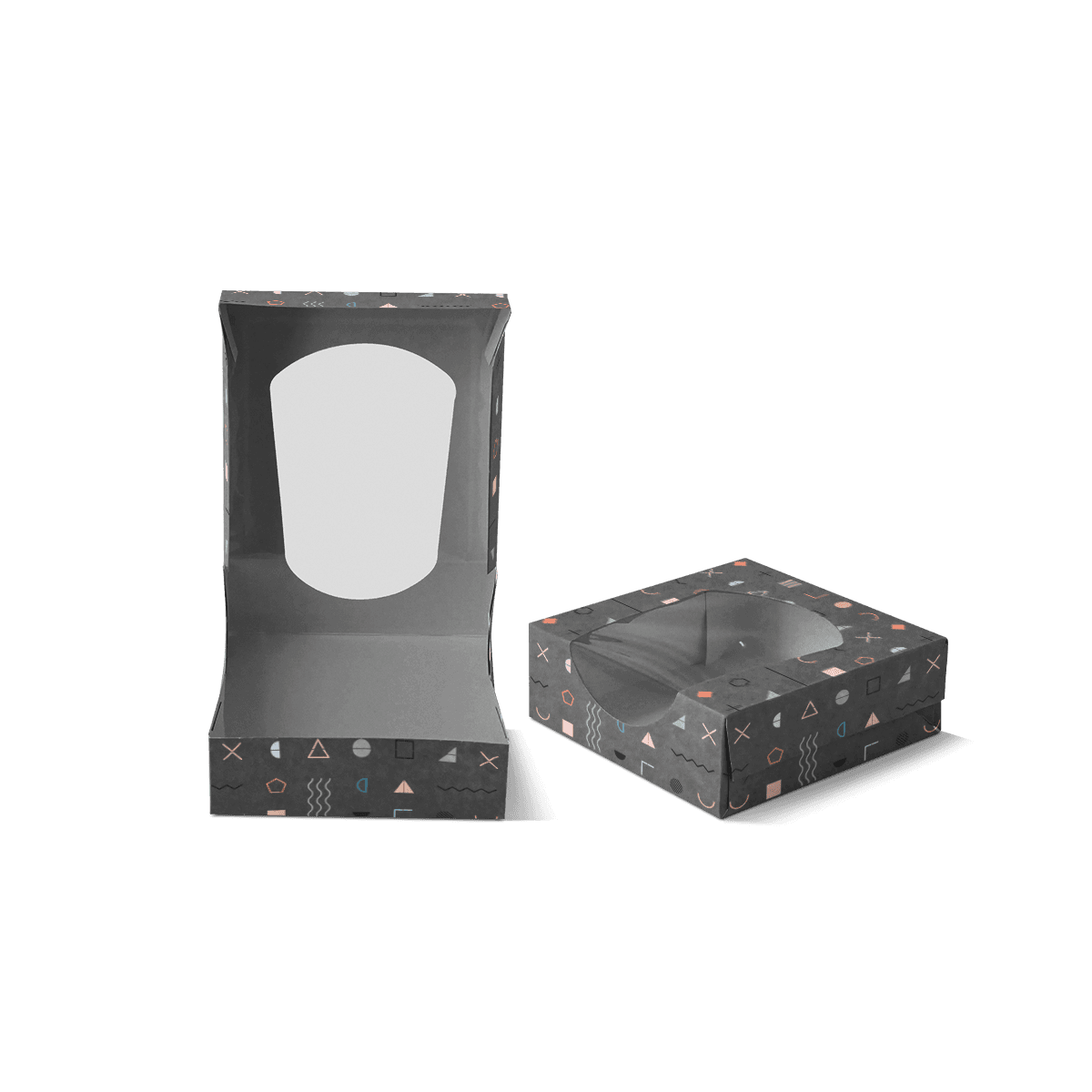
Windowed Folding Cartons can expose part of the extension bundle while leaving enough paperboard for branding and SKU text.

Put the Window Over the Hair

A decorative window is wasted if it reveals mostly backing card or empty space.

Position it after the product arrangement has been established so the visible area consistently shows a useful section of the extensions.

For textured hair, the opening should reveal enough surface to communicate the curl or wave character. For color-led SKUs, the visible area should show the actual hair rather than a narrow edge that tells the customer very little.

Do Not Sacrifice the Information Panel

Large windows reduce printable area.

Hair extension packs often need quick identification of length, shade or color, texture, bundle count and product type. Retailers may also need barcodes and SKU references in fixed positions.

A window should therefore be large enough to aid inspection without forcing essential information into crowded corners.

Variant Coding Has to Work at a Glance

Hair extension programs can accumulate many closely related SKUs.

One product line may combine several lengths with multiple shades, textures and bundle quantities. The artwork can look almost identical while the contents differ substantially.

Packaging should make those differences easy to check before the carton is opened.

A fixed identification zone can carry details such as:

  • length
  • shade or color reference
  • texture
  • extension type
  • bundle or piece count
  • SKU or barcode

The location should remain consistent even when artwork changes across the line.

That helps store staff, salons and packing teams distinguish similar packs without searching several panels.

Premium offset printing can keep the main identity consistent across repeated artwork versions while controlled color blocks, labels or typography distinguish individual SKUs. Where many printed variants share one brand system, custom printed boxes can support the artwork and print planning across repeat production.

Hanging and Shelf Packs Solve Different Jobs

Some extension packs need to stand or stack. Others need to hang vertically so a store can display long packs without using a deep shelf.

That merchandising decision should influence the structure early.

A hang tab adds load to the top of the carton when the pack is suspended. The area around the slot therefore needs to work with the filled weight and carton construction rather than being treated as an artwork-only detail.

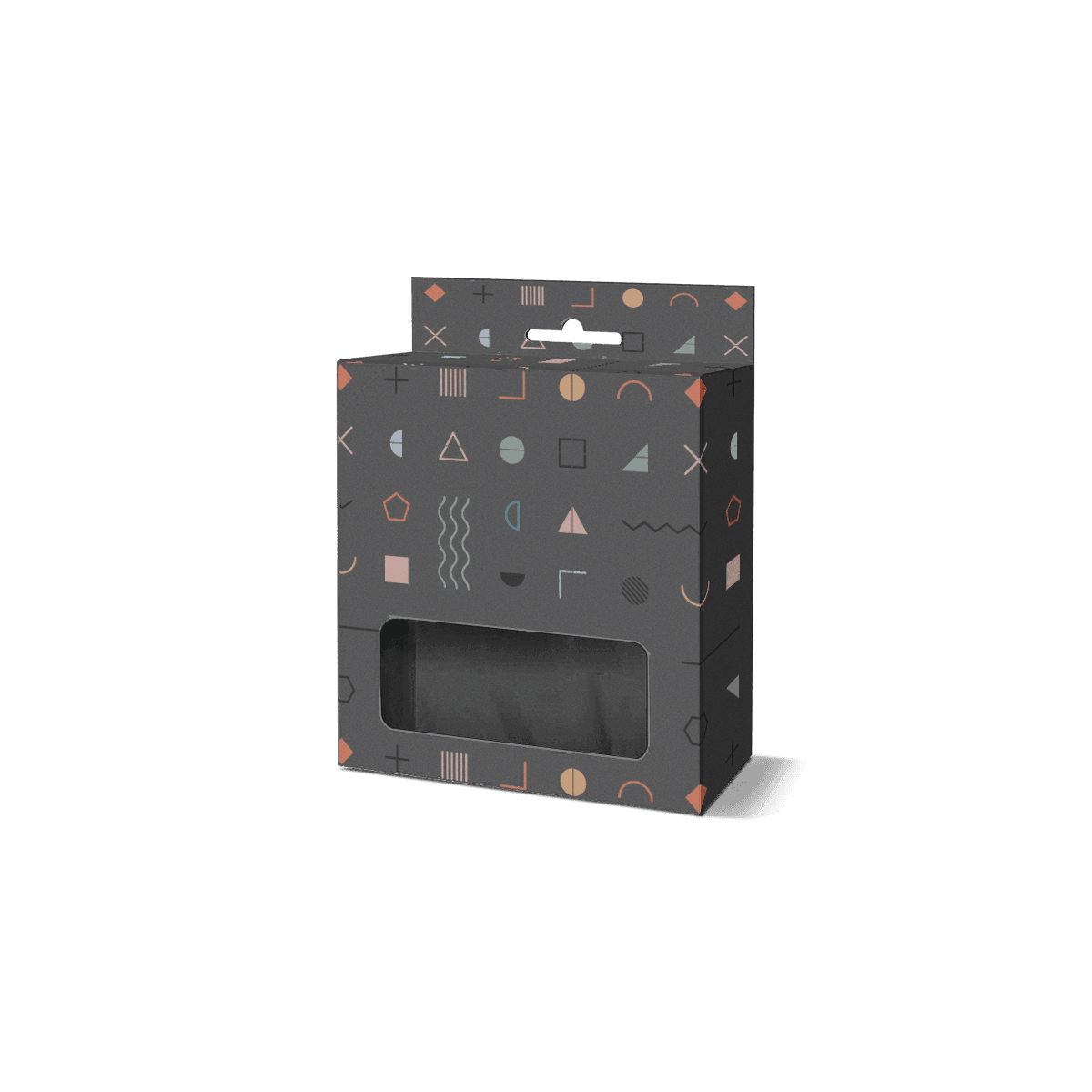
Hang-Tab Display Boxes suit retail programs where the extension pack needs to hang from hooks while keeping the front visible.

Shelf packs can use the top and side panels differently. They may prioritize stacking, front-facing branding or a larger viewing window instead of a suspension feature.

For salon counters or premium retail shelves, the pack may also be handled repeatedly before purchase. Surface finish and closure choice should account for that contact.

Premium Sets Need More Than a Larger Carton

A high-value extension set does not become premium simply because it is placed inside an oversized box.

The structure should change only when the product experience requires it.

A folding carton can work well for repeat retail SKUs because it stores efficiently, gives ample print area and can accommodate windows or backing systems. A rigid box makes more sense when several bundles, accessories or a complete extension kit need a more substantial presentation.

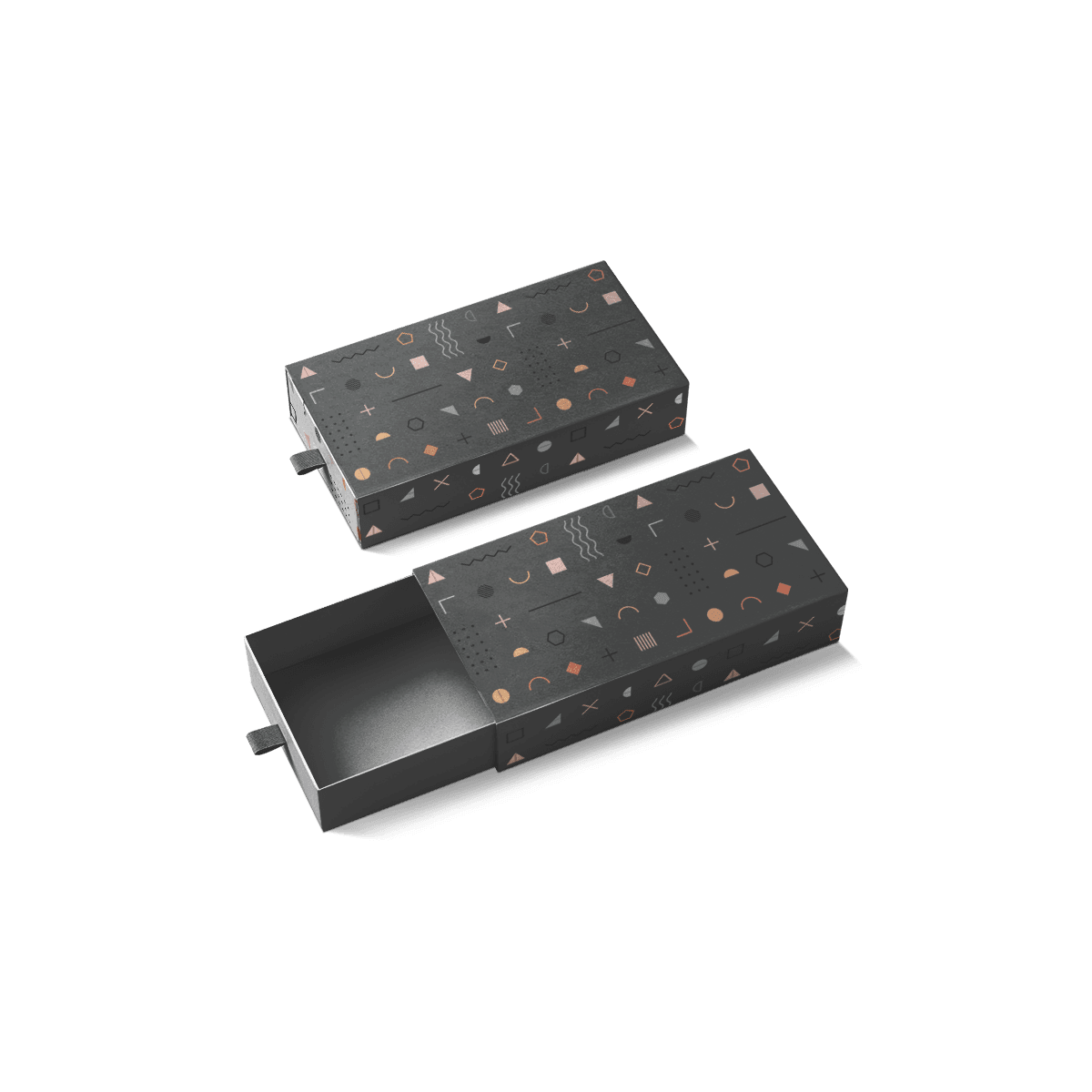
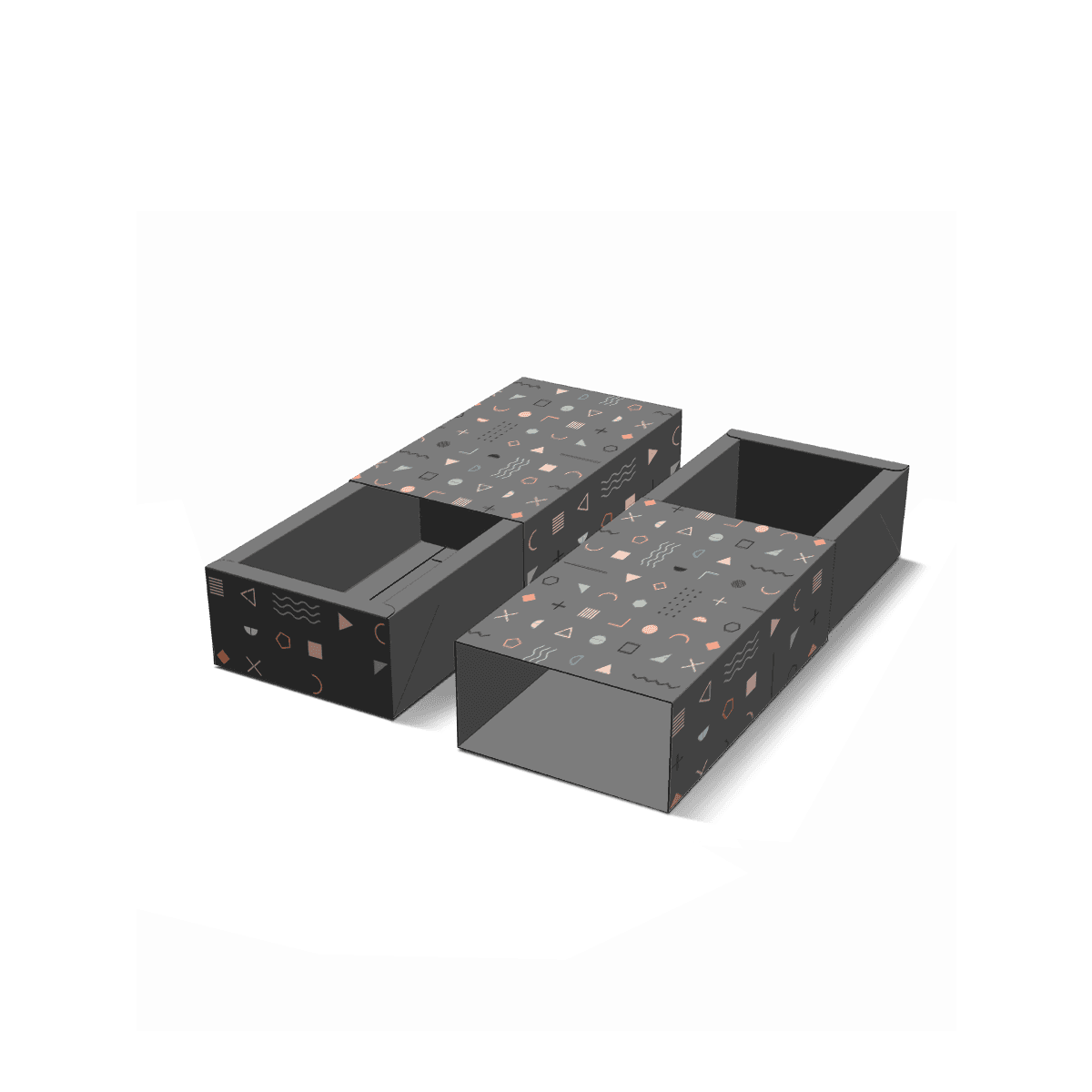
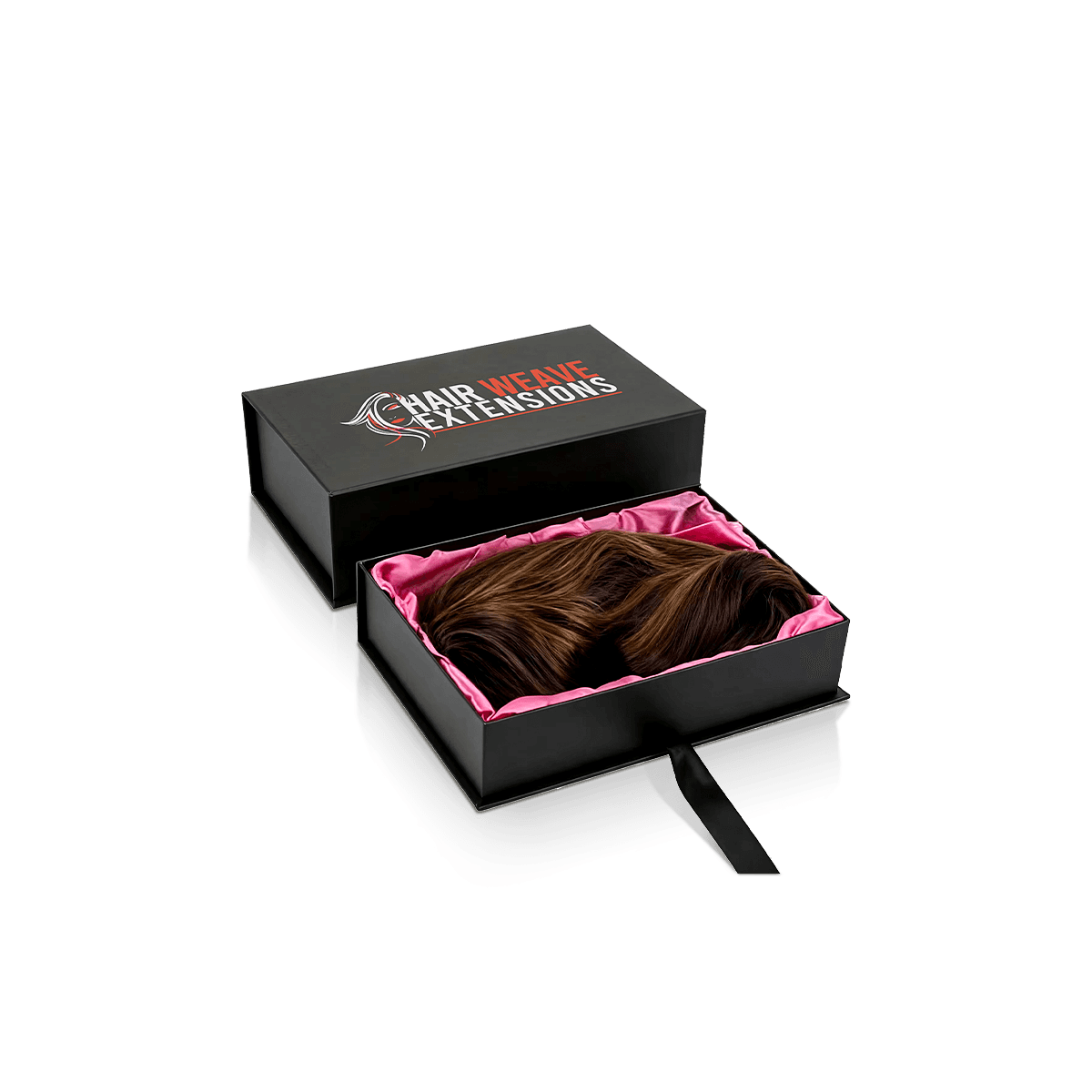
Drawer-Style Rigid Boxes can create a controlled horizontal reveal for a premium set, while Rigid Cosmetic Boxes suit beauty programs where firm walls and organized interiors are part of the value proposition.

Do not upgrade to rigid board simply because the hair is expensive. The structure should improve organization, presentation or reuse enough to justify the additional material and production work.

Hair Extensions Are Not Wigs

The distinction affects the cavity.

Hair extensions are commonly packed as relatively flat bundles, wefts, tapes or clip-in pieces. Their packaging can focus on length management, attachment-point control and SKU identification.

A wig occupies volume differently because the cap, crown and full hairpiece must be accommodated together. Flattening a wig into extension-style packaging can compromise the presentation the structure is supposed to preserve.

Wig Boxes are the more appropriate direction when a full hairpiece, cap construction or shaped interior needs to be protected.

Keeping those jobs separate also prevents a brand from using one oversized box across products that have very different internal geometry.

Shipping Should Not Disturb the Retail Pack

A polished extension carton can organize the hair and present the brand without necessarily being suitable as the parcel shipper.

This matters for long narrow cartons because an exterior presentation pack may still be vulnerable to crushing or corner wear when it moves through ecommerce handling without another protective layer.

For direct-to-customer orders, the extension box can remain the branded product pack while an appropriately sized outer mailer handles distribution. Printed Branded Mailers can fill that role when a branded shipping experience is wanted without asking the hair carton to perform both jobs.

The outer package should also prevent the product box from sliding excessively inside the parcel.

That separation lets the extension packaging concentrate on product organization and presentation.

One Box Size Can Create Three Problems

Using a single carton across several extension lengths can look efficient on a spreadsheet while creating poor fit at both ends of the SKU line.

A three-length weft line exposes the problem quickly when one carton is sized around the middle SKU. The shorter bundle leaves a long empty area and migrates toward one end during handling. The longest bundle has to be folded more tightly to fit. The medium version looks correct, but only one-third of the product line actually suits the structure.

Adding more tissue would hide some of the empty space without fixing either fit problem.

A stronger approach is to group SKUs by packed geometry. Two box sizes may cover the line more effectively, with the same logo position, typography and identification system carried across both. The shorter extensions gain better positional control and the longest extensions no longer have to follow a fold chosen solely by the carton.

The packaging stays visually consistent even though the physical dimensions change.

This is a better use of customization than forcing every length into an identical shell.

Approve the Hair Inside the Sample

The physical product should be present when final fit is judged.

An empty carton can confirm print and construction but cannot show whether clips create a pressure point, whether a backing card bows under the bundle or whether the hair settles differently after the box has been handled.

Pack the sample exactly as production staff will.

Close it, turn it vertically if it will hang in retail, lay it flat if it will be stacked and reopen it after handling. Confirm that the extension remains organized and can be removed without catching against the insert or carton edges.

Free 3D mockups help establish dimensions and artwork before production. Custom Packly also provides design and dieline support. Free sample examples of previous work are available, while fully custom pre-production samples can be arranged as paid samples when the exact structure needs physical validation.

USA orders start from 100 boxes, which can suit a first run across approved sizes or artwork variants without forcing one physical carton onto the whole line.

Build the Line Around Pack Families

A hair extension line becomes easier to manage when physical box sizes follow packed behavior rather than product names.

Group SKUs by extension type, prepared length, thickest attachment point and the backing or insert they use. Several lengths may share one structure if the shorter product stays controlled and the longer product still has comfortable clearance.

If two SKUs need different folds, different attachment-point depth or different retention, they should not be treated as the same pack simply because the exterior branding matches.

When several hair SKUs are produced together but replenished at different rates, bulk custom boxes can keep quantities, artwork versions and repeat specifications aligned.

The packaging line should expand by packed geometry. That keeps new shades and lengths visually consistent without turning one carton into a compromise for every extension type.

FAQs

That depends on how the product is merchandised. Windowed cartons and hanging formats work well for visible store display, while drawer or rigid formats suit premium sets and curated bundle presentation.

Often yes, especially when the pack includes more than one bundle, a closure piece, or smaller accessories. Inserts help hold the contents in place so the presentation stays clean and the product does not shift around in transit.

More than just the brand name. Buyers usually need fast access to length, color family, texture, quantity, and care guidance, while retailers also need barcode and SKU placement planned into the layout.

Hair Extension Boxes are usually the better fit when the product is sold as bundles, clip-ins, closures, or flatter extension sets that benefit from organized placement and visible product details. Wig Boxes are more suitable when the pack needs to hold fuller hair volume or protect a shaped hairpiece.

Yes, if the structure matches the shipping method and product layout. Many brands use folding cartons or stronger premium formats that balance shelf presentation with enough protection for direct-to-customer orders.

Process

How it works

Your Packaging Journey, From Idea to Production and Delivery

01

Tell Us Your Specs

Custom packaging boxes

Tell Us Your Specs

Provide size, quantity, printing, and finishes.

02

Get a Fast Quote

Custom packaging boxes

Get a Fast Quote

Instant transparent pricing, no hidden fees.

03

Design and Approval

Custom packaging boxes

Design and Approval

Artwork checks, revisions, and final sign-off.

04

Produce

Custom packaging boxes

Produce

Expert manufacturing to meet deadlines.

05

Ship to Your Door

Custom packaging boxes

Ship to Your Door

Hassle-free, flexible delivery options.

Get Your Quote for Custom Hair Extension Boxes

Share your product details, size, quantity and artwork needs. We’ll help choose the right packaging style and send a clear quote.