Skip to content
Details

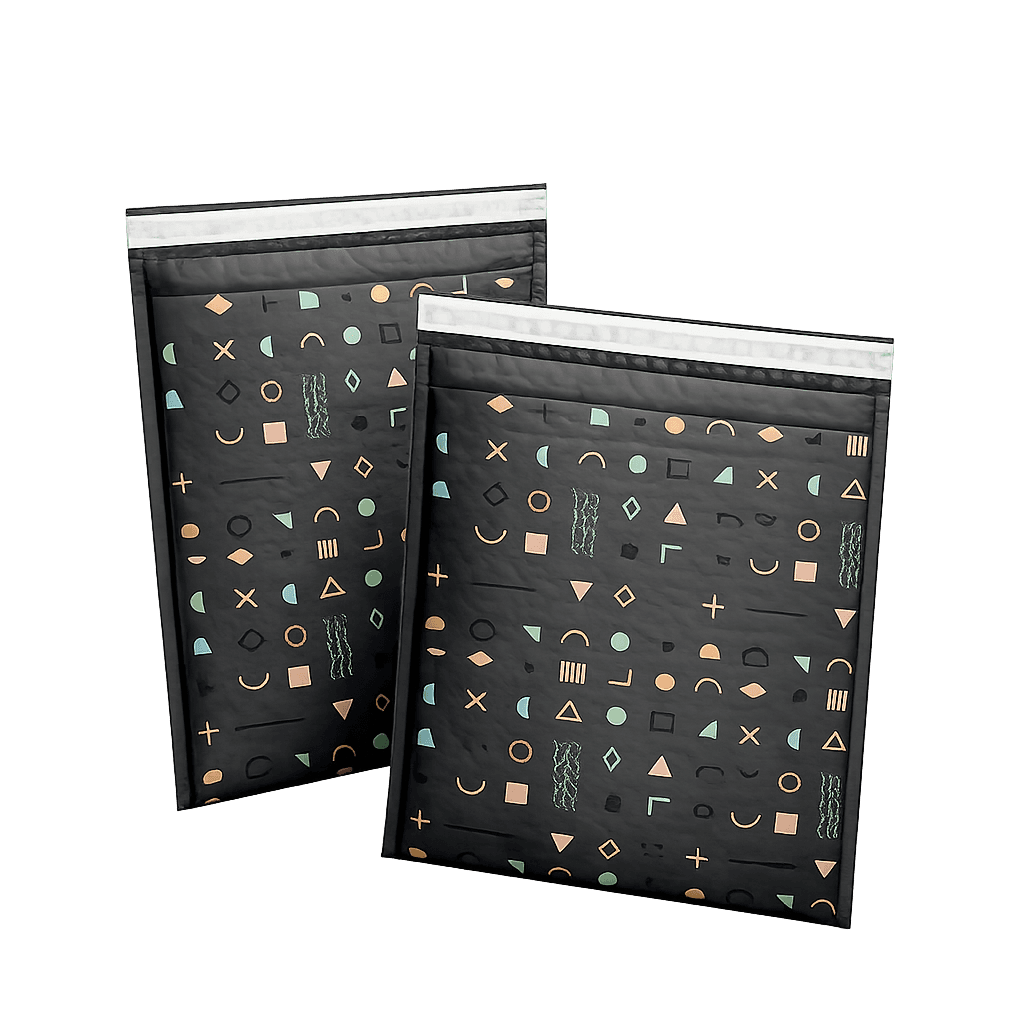
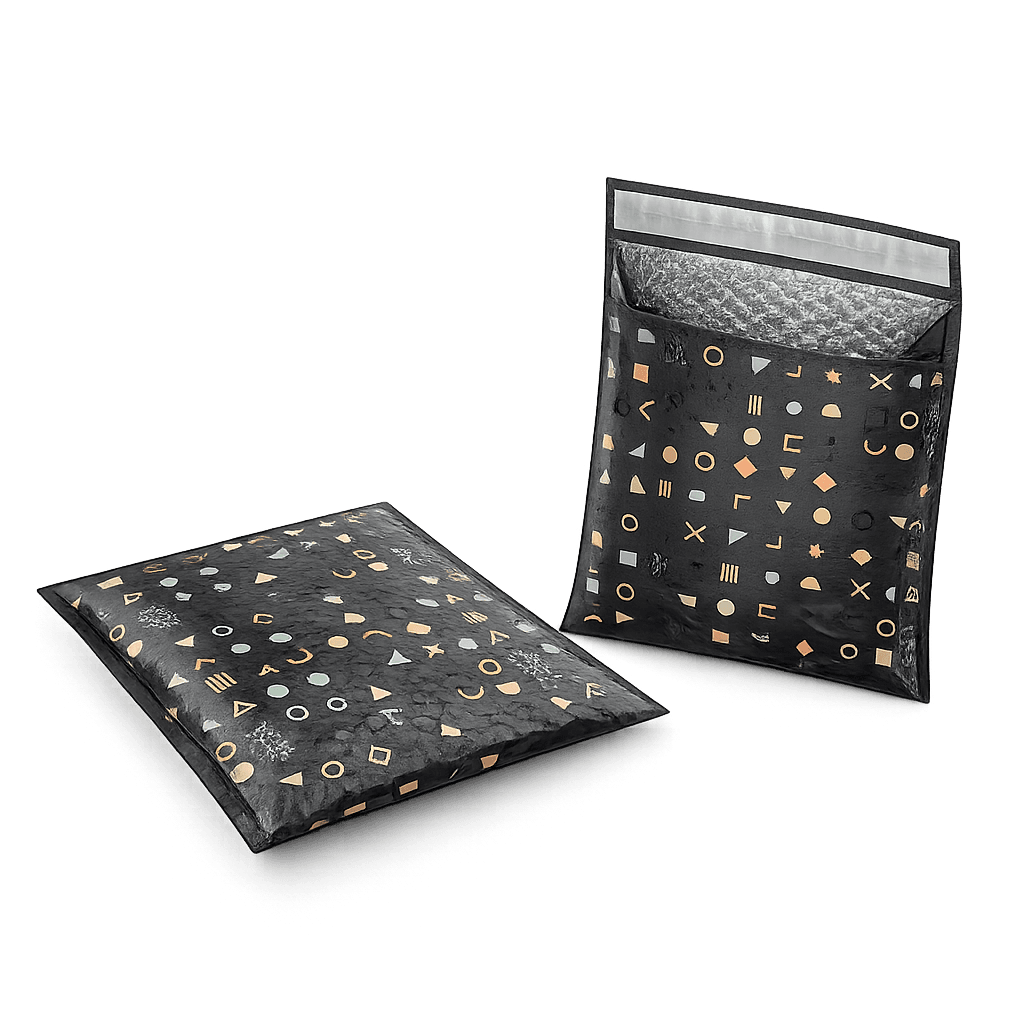
Custom Bubble Lined Boxes

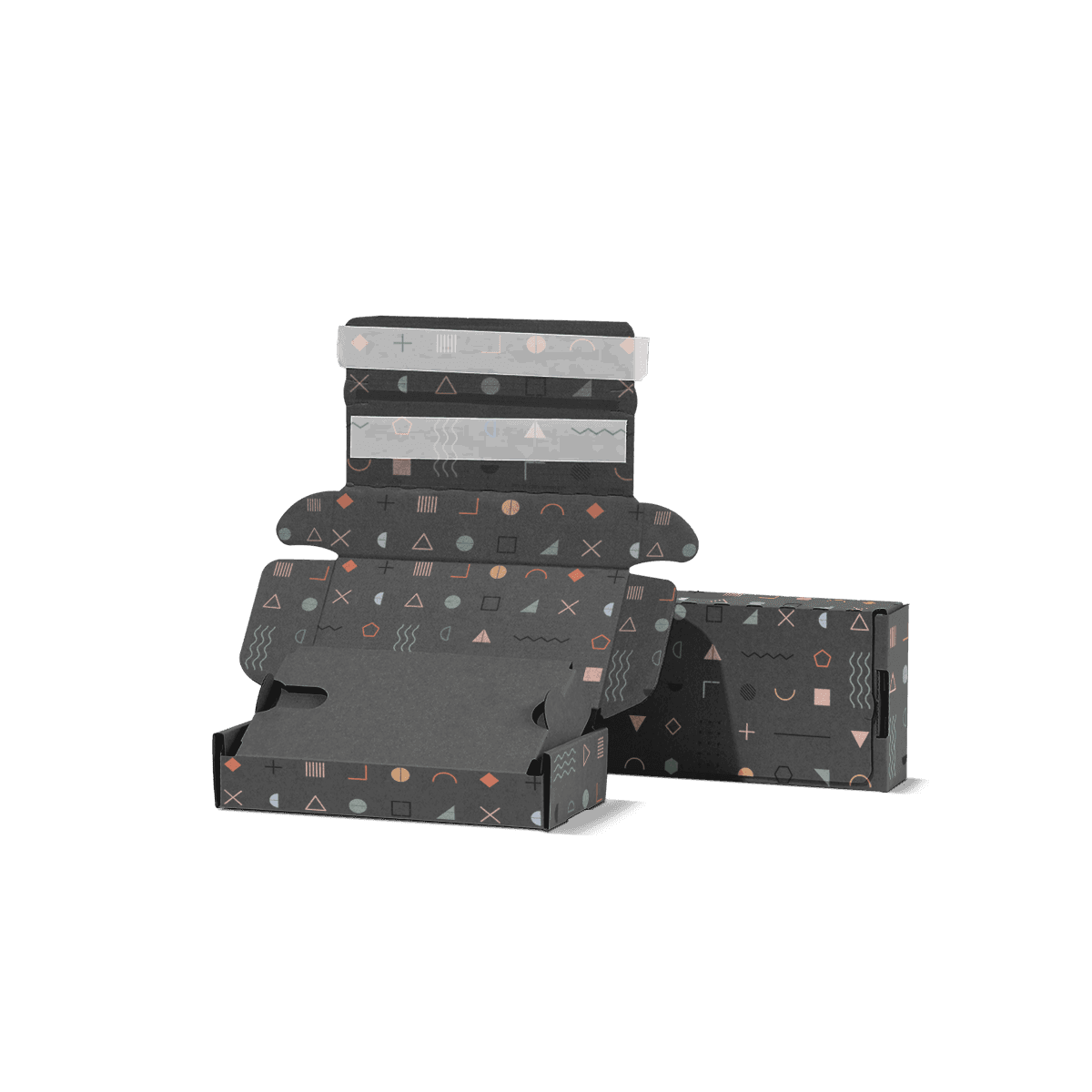
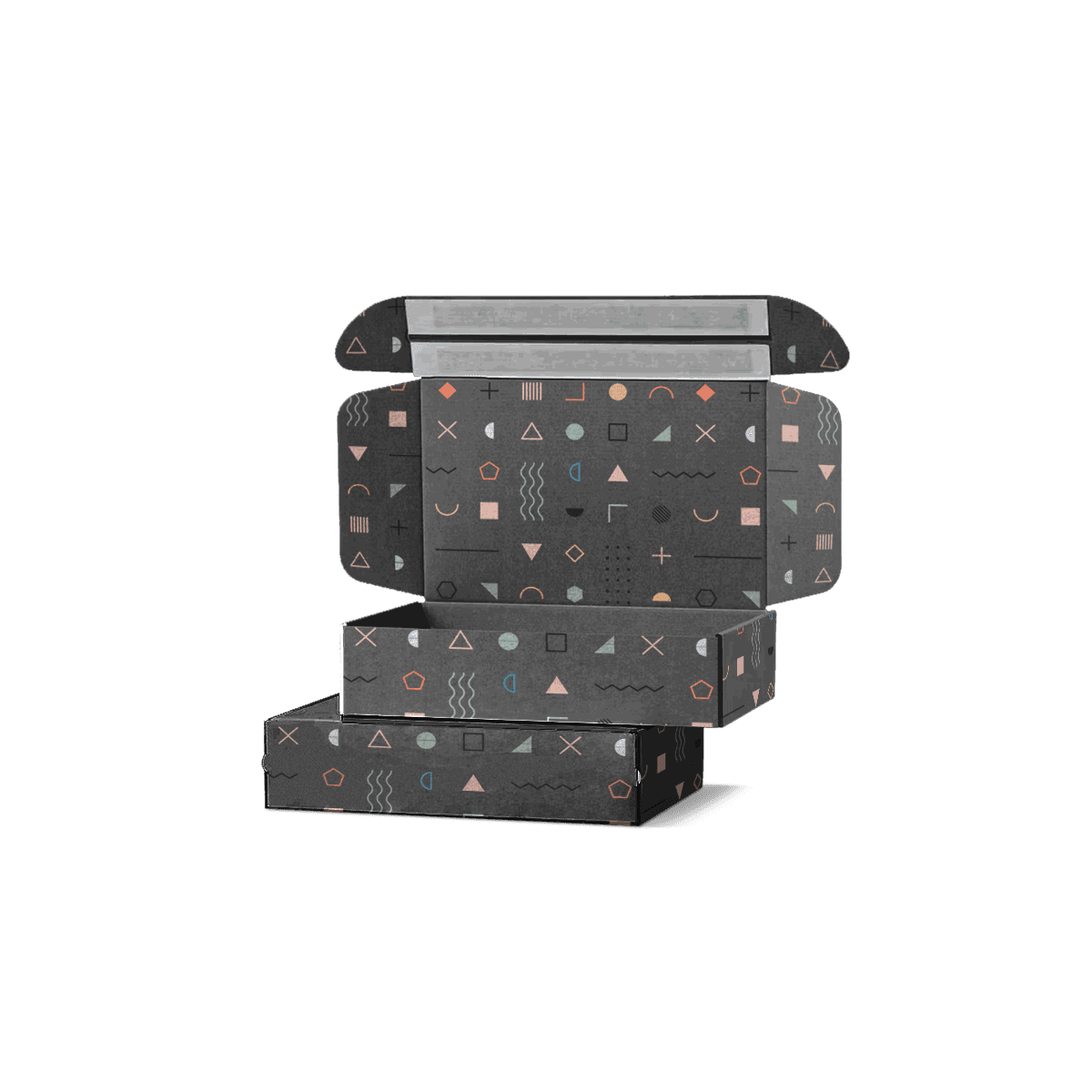
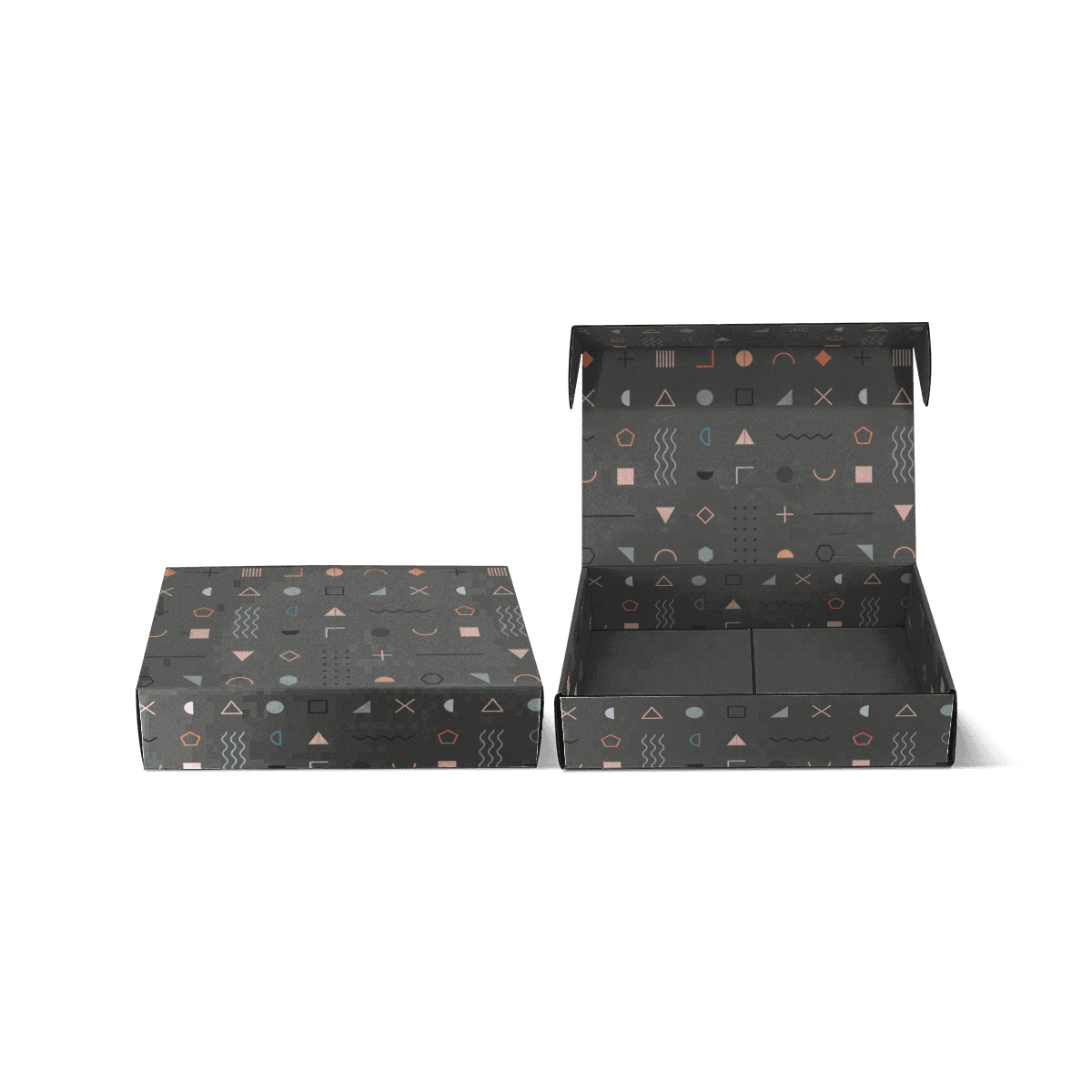
Corrugated e-commerce boxes with integrated cushioning for small fragile or scratch-prone products that need more shape retention than a padded envelope without relying on loose wrap at every packout.

An Intact Box Can Hide Interior Damage

The outer carton can arrive looking perfectly normal while the product inside is scratched, chipped or repeatedly knocked against a hard surface.

That happens because outer-box strength and interior cushioning solve different problems.

Custom Bubble Lined Boxes combine a corrugated shell with a cushioning layer inside the pack. The outer structure helps the parcel retain its shape. The lining gives smaller fragile or surface-sensitive products a softer contact zone during handling.

That combination places the format between two familiar packaging choices.

A flexible padded envelope can cushion a lightweight item but offers limited shape retention. A standard corrugated box holds its form but may still need separate wrap, filler or inserts around the product.

For suitable e-commerce retail packaging, a lined box can bring those functions together in one repeatable packing format.

It is most relevant when the product needs modest impact and surface protection but does not justify a precision-cut protective insert.

Cushioning Does Not Fix Empty Space

A soft inner surface is not enough if the product can travel from one side of the box to the other.

Movement builds momentum.

The item can still strike the walls through the cushioning, collide with another component or rotate into a vulnerable orientation.

Box dimensions and cushioning therefore have to work together.

A right-sized cavity reduces the distance the product can travel. The lining then softens the remaining contact.
Built-In Cushioning Changes the Packing Bench

Loose bubble wrap creates a decision at every packout.

How much should the packer use?

Should the product be wrapped once or several times?

Where should the seam sit?

Has another operator packed the same SKU the same way?

An integrated lining moves part of that decision into the packaging specification.

The worker opens the box, places the product into an interior that already contains its cushioning layer and completes the closure.

That can make repeated orders easier to standardize.

The benefit is not that all fragile products suddenly need no other protection. It is that one recurring cushioning step can become part of the box instead of being improvised around every unit.

Consistency Matters More Than Maximum Padding

One employee may wrap a product heavily.

Another may use half as much material.

A third may leave one exposed corner.

The shipment now has three protection standards even though all three use the same outer carton.

A fixed interior creates a more repeatable baseline.

For fulfillment operations shipping the same small fragile SKU every day, that consistency can matter as much as the cushioning material itself.

Bubble Mailers Solve a Different Problem

The word “bubble” often points buyers toward padded envelopes first.

That is reasonable.

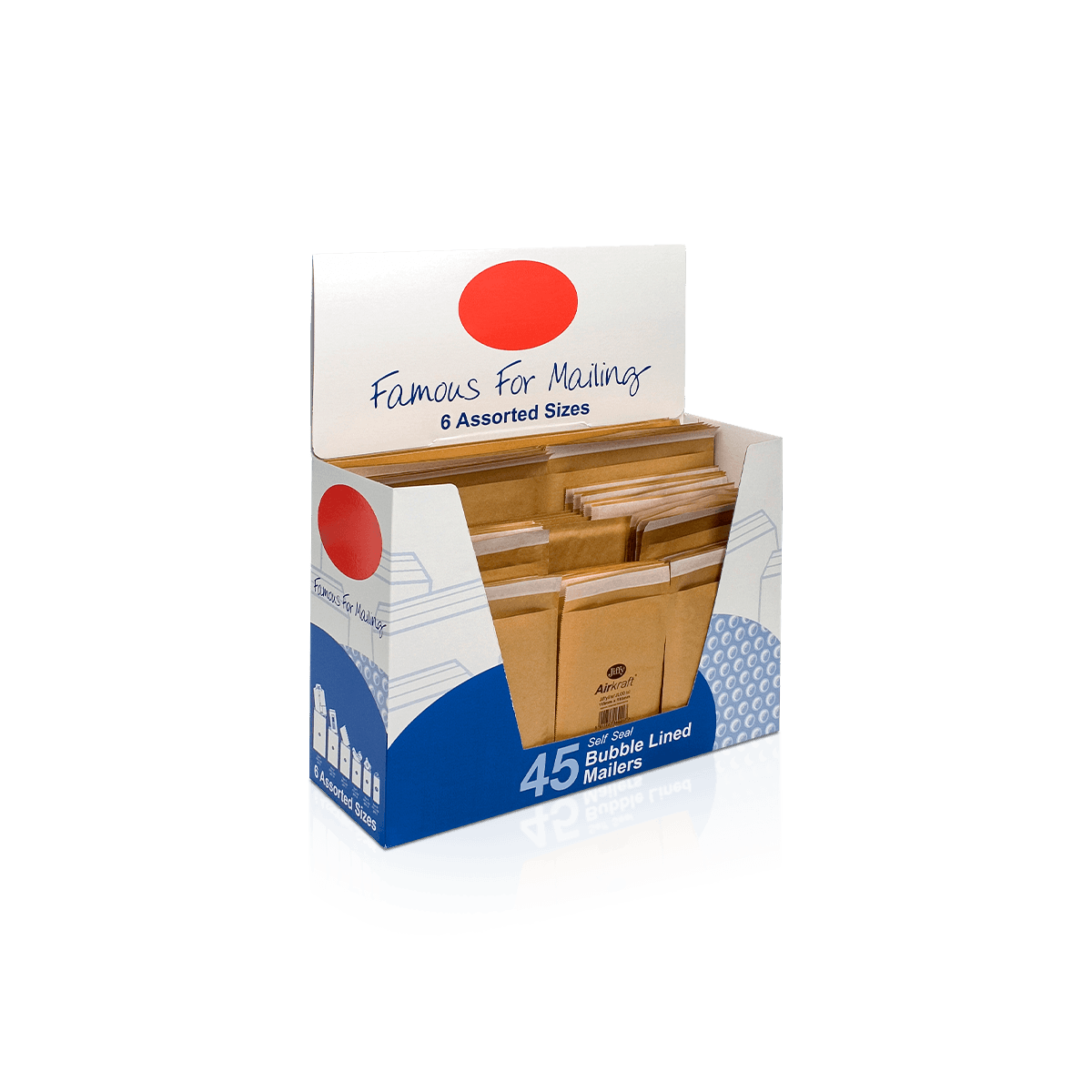
Bubble Mailers work well when the product is compact, relatively light and able to tolerate the flexible outer shape of an envelope.

The mailer bends around the contents.

A Bubble Lined Box does not.

Its corrugated walls keep a defined rectangular form around the product.

That difference matters for items with crush-sensitive corners, finished retail cartons, protruding components or presentation requirements that should not be compressed inside a flexible mailer.

Padded Mailers Favor Flexibility

Padded Mailers make more sense when low packaging bulk and quick envelope-style fulfillment matter more than rigid side walls.

They can be efficient for apparel accessories, books, small flat goods and products that mainly need light cushioning.

The box becomes more relevant when shape retention is part of the protection system.

This is not a question of one format being universally safer.

The product decides whether flexible cushioning is enough.

Product Surfaces Can Be the Fragile Part

Not every fragile shipment contains glass.

A polished housing can scratch.

A coated accessory can rub against corrugated board.

A watch case, decorative component or finished device can arrive fully functional and still be unacceptable because the cosmetic surface has been marked.

That changes the protection problem.

A soft lining can separate the product from the harder corrugated interior while the box carries the external load.

For custom product packaging, surface sensitivity should therefore be recorded alongside dimensions, weight and breakable points.

A durable metal item and a painted metal item of identical dimensions may need different internal treatment.

Protect the Finish Without Hiding a Fit Problem

Cushioning should not become a soft substitute for correct dimensions.

If the product is substantially smaller than the box, lining every wall still leaves too much movement.

If the product is squeezed hard enough to stay still, the cushioning may place continuous pressure on decorative surfaces, switches or protrusions.

The target is controlled contact.

The item should sit securely without being crushed between soft materials.

Integrated Lining and Precision Inserts Are Not the Same

A general cushioning layer protects surfaces and softens contact.

A fitted insert controls exact position.

That distinction becomes important for irregular products.

A compact rectangular accessory may sit securely against a lined interior with modest clearance.

A camera component, delicate instrument or device with a vulnerable lens may need a defined cavity that prevents rotation and keeps pressure away from specific areas.

Protective Foam Insert Boxes move the design toward product-specific cavities when precise retention becomes the dominant requirement.

The choice comes down to what must be controlled.

If the product mainly needs softer contact inside a strong box, a lining can be enough.

If it must remain in one exact orientation, a shaped insert is the stronger direction.

Multi-Part Kits Usually Need Separation

Bubble cushioning around the perimeter does not stop two hard products from striking each other.

A charger and adapter may both be cushioned against the box while still colliding in the center.

A jewelry item and accessory can rub together.

A replacement-part kit can contain several dense components that behave independently.

In those cases, a divider or secondary fitment may still be needed.

The packaging insert material should follow whether the kit needs cushioning, positioning or separation.

Lining Thickness Changes the Usable Cavity

The outside box dimension is not the product space.

Any cushioning added to the walls consumes interior room.

That becomes especially important in compact packaging where a small dimensional change represents a meaningful portion of the cavity.

The box should therefore be sized around the finished lined interior rather than an empty corrugated shell.

A product that fits perfectly before the lining is installed can become too tight afterward.

The opposite mistake also occurs.

A company starts with an oversized box, adds cushioning and assumes the added material has corrected the size. The product still has room to shift because the original cavity was too large.

Cushioning allowance belongs in the dimensional specification from the beginning.

Projections Need Local Clearance

Products are rarely perfect rectangles.

A button, connector, clasp, crown, switch or decorative edge may extend beyond the main body.

Soft lining can compress around some projections, but it should not place constant pressure on components that were never intended to carry load.

Measure the product at its true maximum points and identify areas that should remain free of pressure.

Cushioning Has to Survive Repeated Compression

A protective layer is only useful while it behaves as intended.

The product can compress the same area while stored, stacked and shipped.

A denser object may press deeply into the cushioning before the parcel ever encounters a drop.

That means the complete packed weight matters.

A very light accessory and a compact metal component may share similar dimensions while loading the lining differently.

The outer corrugated specification must also carry its share of the work.

The box walls should resist external pressure rather than depending on the cushioning layer to become structural.

This division of responsibility keeps the system clear:

the corrugated board carries the box form;

the interior lining manages product contact and modest shock;

the product fit limits movement.

The Failure Point May Move After You Add Padding

Adding cushioning can solve one problem and expose another.

Consider a compact electronic accessory with a glossy housing.

In the original corrugated box, the product moves enough to collect surface marks during shipping.

A soft liner is added.

The scratching improves, but the finished cavity is now tighter. One connector projects into the cushioned side wall and remains under pressure whenever the lid is closed.

The next problem appears at the connector instead of the housing.

The correct fix is not automatically more padding.

The product may need a small relief area around the projection, a revised orientation or slightly different internal dimensions.

Protective packaging should follow the weak point that actually matters.

The Closure Cannot Compress the Product

Interior cushioning adds material not only around the sides but potentially above and beneath the item.

That can change how the lid closes.

If the top cushioning is too thick for the box depth, closing the parcel may compress the product continuously.

For some items, gentle compression is acceptable.

For others, it can transfer load into buttons, caps, glass surfaces or decorative finishes.

The closure should seat naturally once the fully lined product is in position.

Do not use tape, an adhesive strip or a tighter locking flap to force the box around an overfilled interior.

The correct depth should accommodate the intended cushioning before closure pressure is considered.

Branding Still Has to Survive Parcel Handling

The corrugated exterior can carry the brand even when protection is the main reason for the structure.

Logos, product identity, return instructions and customer-facing graphics can be printed on the outer panels.

The shipping label still needs a practical landing area.

For designs using stronger exterior artwork, custom printed boxes can coordinate CMYK or Pantone color with the board and production method.

Inside artwork needs more thought.

A fixed cushioning layer may cover portions of the interior surface that would normally carry print. The artwork plan should be based on which areas remain visible after the lining is installed.

That can make the inside lid more valuable than the base.

Premium offset printing can support developed branded layouts where the construction and order suit that process, while a free 3D mockup can help review the visible exterior before production.

More Cushioning Is Not Always More Protection

A heavily padded package can still fail.

The item may move as one large cushioned mass.

A hard component can migrate into another.

An unsupported corner can remain exposed.

The outer box can be too weak for the total load.

The shipping damage problem should therefore be diagnosed before more cushioning is added.

Start with the observed failure.

Surface abrasion points toward contact protection.

Rattling points toward movement.

A crushed retail carton points toward external load or insufficient clearance.

Broken glass may require a more developed cushioning system.

A bent connector points toward local pressure or orientation.

Each failure leads to a different packaging correction.

Test the Lined Pack as One Unit

A bubble layer cannot be approved separately from the box and product.

Load the actual product.

Close the parcel.

Turn it through different orientations. Check whether the item migrates. Inspect pressure points. Open it again and examine the product surface.

For a multi-component pack, confirm that the pieces remain separated.

The packaging testing process should reflect the real shipping unit rather than an empty box or loose cushioning sample.

A paid fully custom pre-production sample can be particularly valuable when the fit between product, lining and corrugated shell is close enough that small dimensional changes matter.

Free examples of previously produced work can help evaluate manufacturing quality, but they cannot prove the fit of a different product.

Exact protection needs an exact packed sample.

Packing Speed Is Part of the Value

Built-in cushioning is most compelling when it replaces a repetitive manual step.

Suppose every order currently uses:

a corrugated box, a separate sheet of bubble wrap, tape around the wrapped product and paper filler around the remaining space.

A lined box may simplify that process if the product can enter directly into its cushioned cavity.

The packaging component itself may cost more than a plain carton.

The packout may require fewer separate materials and fewer decisions.

That is the commercial comparison that matters.

Do not compare only the cost of one empty box against another.

Compare the packed order.

Custom Packly's USA MOQ starts from 100 boxes, so a product can move into a custom protective format without beginning with an extremely large run.

Design and dieline support can then account for the lined internal dimensions rather than sizing the corrugated shell first and adding cushioning afterward.

Keep Bubble Lining for the Products That Need It

A growing e-commerce business should not automatically add integrated cushioning to every SKU.

Group products by handling need.

One class may contain soft or flexible goods that ship efficiently in ordinary mailers.

Another may contain small durable products that need only a right-sized corrugated box.

A third may contain scratch-prone or moderately fragile items where the combination of firm outer walls and built-in cushioning genuinely improves the shipment.

The most delicate products may move beyond a simple lining into fitted foam, corrugated supports or another engineered insert.

That protection ladder keeps the packaging proportional to the product.

It also prevents a specialized box from becoming a default format simply because it feels safer.

Once the cushioned class is identified, an instant custom packaging quote can be based on the lined internal size, outer construction, quantity and print requirement rather than the dimensions of an empty standard box.

FAQs

They are best for compact items that are somewhat fragile or scratch-prone, such as device accessories jewelry sets wellness kits sample packs and small replacement parts that benefit from both cushioning and carton support.

Choose Bubble Lined Boxes when the item needs firmer walls better stacking and stronger shape retention. Bubble Mailer Boxes are better for lighter products that need padding but do not need the same level of structure.

Often yes for small single-item shipments, but highly delicate products may still need a sleeve insert or added wrap if there is headspace inside the pack. The safest rule is simple: if the item can move when shaken, add more protection.

A personalized exterior layout can keep one panel open for labels while the remaining space carries color branding return details or handling information, so the package stays readable and still feels intentional when it arrives.

Yes when the product is small and moderately fragile. A right-sized cushioned box can reduce excess filler and avoid moving up to a much larger shipper, while heavier or highly breakable items may still need thicker corrugated protection.

Process

How it works

Your Packaging Journey, From Idea to Production and Delivery

01

Tell Us Your Specs

Custom packaging boxes

Tell Us Your Specs

Provide size, quantity, printing, and finishes.

02

Get a Fast Quote

Custom packaging boxes

Get a Fast Quote

Instant transparent pricing, no hidden fees.

03

Design and Approval

Custom packaging boxes

Design and Approval

Artwork checks, revisions, and final sign-off.

04

Produce

Custom packaging boxes

Produce

Expert manufacturing to meet deadlines.

05

Ship to Your Door

Custom packaging boxes

Ship to Your Door

Hassle-free, flexible delivery options.

Get Your Quote for Custom Bubble Lined Boxes

Share your product details, size, quantity and artwork needs. We’ll help choose the right packaging style and send a clear quote.