Skip to content
Details

Custom Wax Paper

Printed wax paper for wraps, liners and interleaving, specified around food contact, grease and moisture exposure, sheet size, fold pattern and service speed.

The Service Job Comes Before the Print

Custom Wax Paper should be specified around what the sheet does during service. Wrapping a sandwich, lining a basket and separating bakery items create different fold, grease, moisture and handling demands even if the artwork is identical.

Start by naming the job: full wrap, partial wrap, tray liner, basket liner, interleaf or presentation sheet. Then record the food condition, contact time and whether the paper is handled warm, chilled, oily, moist or relatively dry.

That service brief prevents a decorative printed sheet from being mistaken for a material specification.
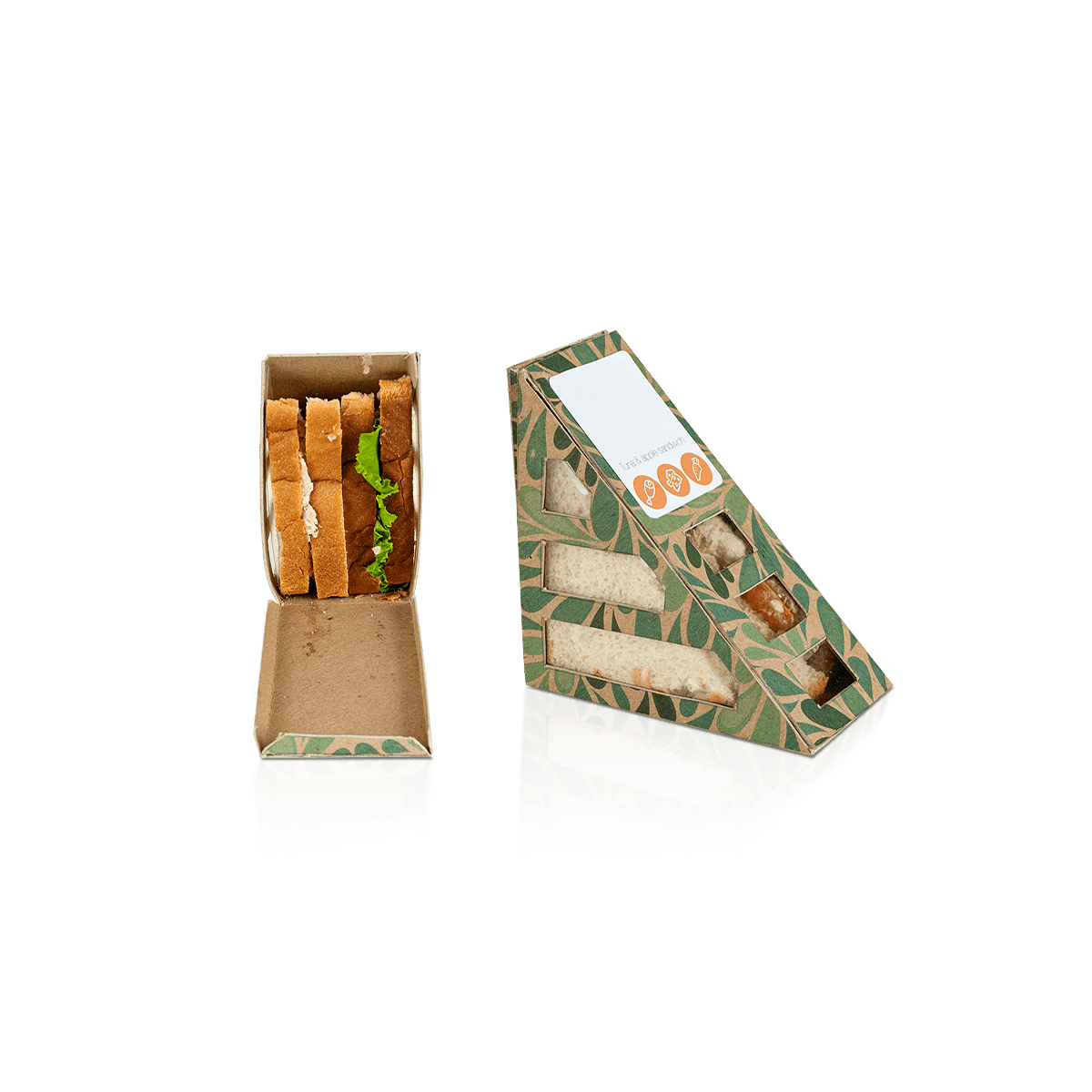
Wax, Greaseproof and Deli Paper Are Not Interchangeable

Food-service paper names are often used loosely online. Wax-coated paper, grease-resistant paper, parchment and deli-style sheets can differ in coating, heat behavior, moisture resistance and print surface.

Do not choose the material from the product name alone. Confirm the exact paper, coating, ink system and intended food-contact conditions for the job before production.

Custom Packly should not make a blanket food-safe claim for an unverified stock. Suitability has to be confirmed for the exact construction and intended use.

Hot Food Changes Paper Faster Than Cold Food

Temperature changes how moisture and fat move into a paper sheet. A wrap that performs acceptably around a cool bakery item may soften, become translucent or lose handling strength when used around a hot sandwich with steam and oil.

Describe the service temperature and expected contact time when selecting the sheet. If food is wrapped immediately after cooking, test the material under that condition rather than using a room-temperature sample as the only approval.

The specification should reflect the hardest normal service condition, not an idealized presentation sample.

Sheet Size Follows the Fold

A wrap sheet needs enough paper to cover the food with a controlled overlap without creating a large wad of excess material. A liner needs a different relationship between sheet size and tray or basket footprint.

Measure the item as it is served, not as a raw ingredient. A burger with a tall bun, a filled sandwich and a pastry in a shallow tray all create different diagonal and fold paths.

Run a paper mockup with the proposed sheet dimensions. If staff have to stretch corners, refold several times or trim excess by hand, the size is not ready.

Grease and Moisture Exposure Change the Specification

A dry cookie creates a very different paper requirement from a hot sandwich with oil, steam or sauce. The longer the contact and the more aggressive the food condition, the more important it is to confirm the sheet construction.

Do not use heavy branding to hide a poor material fit. Staining, translucency, tearing or surface softening are performance issues, not graphic-design issues.

For boxed foods where the outer package also affects moisture and presentation, Custom Food Packaging can keep the paper sheet and carton roles separate.

Basket Liners Need Overhang Without Waste

A tray or basket liner often works best when enough paper rises above the rim to create a clean visual edge and make removal easy. Too little paper disappears under the food; too much can fold back into sauces, snag during service or look untidy.

Measure the internal footprint and rim height of the actual basket. Then test the sheet with the typical portion, not an empty container, because food volume changes where the paper creases.

A consistent liner size can serve several baskets only when the fold and overhang remain practical across all of them.

The Printed Repeat Has to Work After Folding

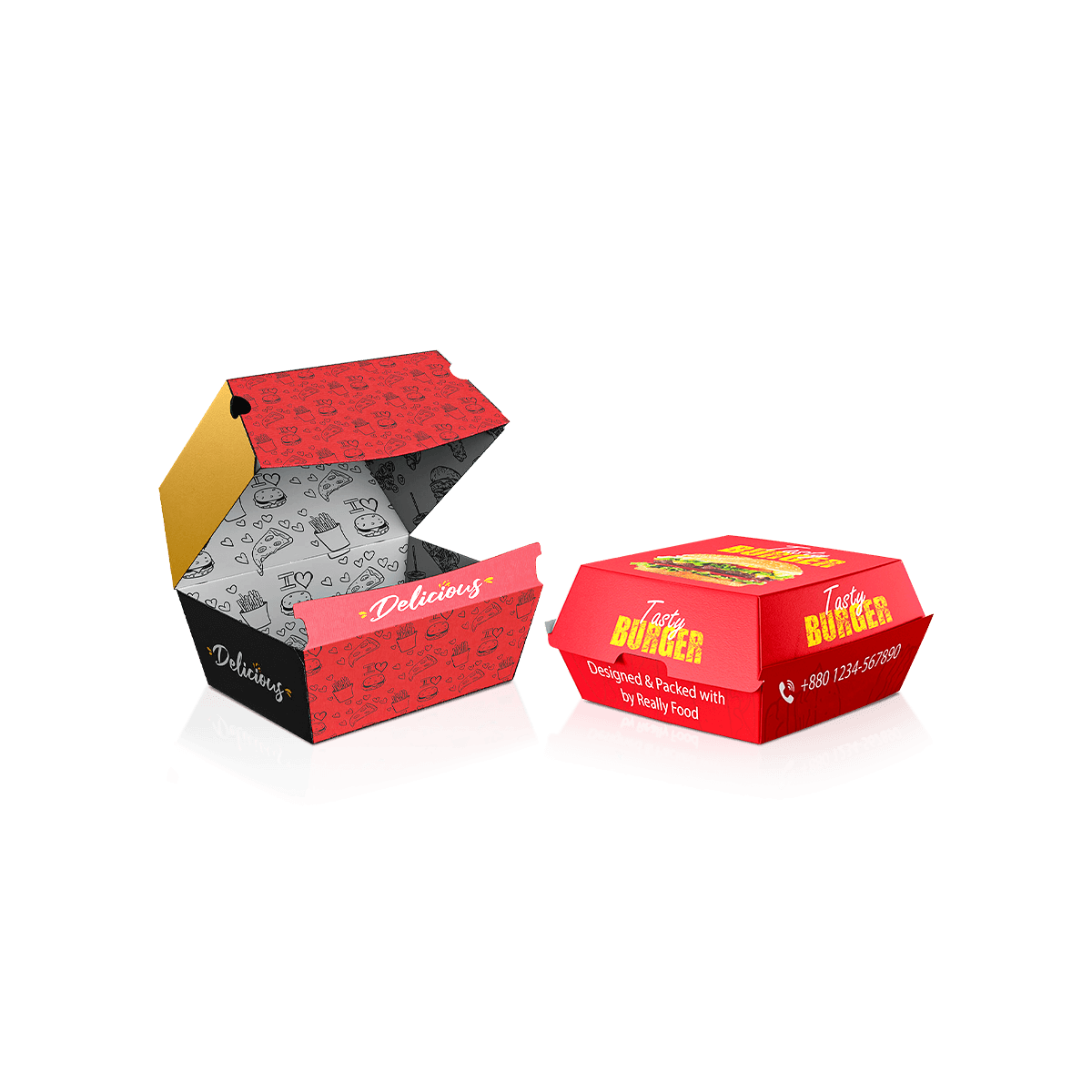
A repeating logo pattern may look balanced on a flat sheet and become crowded or disappear after the paper is folded around the food. Large one-position graphics can have the opposite problem if the fold hides the mark completely.

Map the likely fold lines on a real-size sheet before approving artwork. For wraps, a smaller repeating identity often survives varied packing motions better than one oversized mark. For tray liners, the central visible area may carry more value.

Keep critical text away from areas likely to be tucked under the food or covered by sauce, stickers or closure labels.

Print Coverage Should Match the Paper Surface

The base paper and coating influence ink appearance. Fine lines, pale colors and dense solids can behave differently on coated food paper than on a folding carton.

Approve the color on the intended stock rather than assuming it will match a box or bag automatically. If one brand color must remain recognizable across several packaging materials, use a controlled print target and realistic tolerances.

When color selection needs a common production language, CMYK and Pantone printing can help set the method.

Interleaving Solves a Different Job Than Wrapping

Interleaving sheets separate food pieces or layers rather than enclosing the serving. That changes the size, surface exposure and handling requirement. The paper may need to release cleanly from a pastry, burger patty or confection without adding a bulky fold.

Use an interleaf dimension close to the contact area instead of borrowing a much larger wrap size. The smaller sheet can reduce material and keep stacks more uniform.

If the food is frozen, oily or unusually sticky, confirm the exact material behavior under those conditions before assuming a general wax-paper specification is suitable.

Paper Can Simplify the Full Food Pack

A liner or wrap can keep a box cleaner, separate components or add branding without requiring every carton surface to carry print. It can also let a plain tray or basket take on the campaign identity for a shorter promotion.

The paper should still fit the outer package. Oversized sheets can bunch under a lid, interfere with closure or make a small food item look lost.

For baked goods, Custom Bakery Boxes can carry the structural job while the printed sheet manages contact, separation or presentation.

Packing Speed Is a Real Design Constraint

Food-service packaging is handled repeatedly and quickly. A sheet that requires a precise decorative fold may slow staff during peak periods even if it photographs well.

Watch one complete packing motion. Note where the sheet is picked up, where the food lands, how many folds are made and whether the printed orientation matters to the server.

A slightly larger or smaller sheet can change labor more than a decorative finish. The best size is the one staff can use consistently without excessive waste.

One-Color Repeats Can Be More Practical Than Dense Coverage

Food-service sheets are often folded, stained and partially hidden within seconds of use. Dense full-sheet graphics can add cost without creating more visible brand value if most of the print ends up beneath the product.

A controlled one- or two-color repeat can keep the identity visible across different folds and portions. More elaborate artwork can still make sense for open tray liners or presentation sheets where a larger area remains visible.

Choose print coverage from the actual viewing moment rather than treating maximum ink coverage as the premium option.

Multiple Locations Need One Sheet Standard

Restaurant groups and multi-location brands should define the sheet by dimensions, material construction, print repeat and artwork version rather than relying on a nickname such as 'burger paper.'

That specification makes replenishment easier and reduces variation when different stores order at different times. If several menu items can share one sheet without awkward folding or excessive waste, one common size may simplify inventory.

Warehousing and scheduled deliveries can support larger repeat programs when production quantity and local storage need to be balanced.

Proof the Real Fold

A digital proof verifies artwork placement, but it cannot show how the finished sheet behaves around the actual food or tray. Test the proposed dimensions as a liner or wrap before the final run.

Check whether the logo stays visible, whether the paper tears at sharp food edges, whether grease or moisture changes handling and whether the sheet interferes with the outer box or bag.

If the project also uses printed cartons, packaging finishes such as matte and gloss belong on the box decision rather than being assumed to transfer directly to food-contact paper.

Quote the Sheet as a Production Item

For pricing, send sheet width and length, quantity, intended use, paper or coating requirement if known, print coverage, artwork status and shipping ZIP code. If the material is not yet selected, describe the food condition and service method instead of guessing.

Custom Packly provides US production, free shipping, free design support and 3D mockups where they materially help the project. Standard turnaround is 4–6 days after final artwork and specifications are approved when the selected material and production route fit the standard path.

The strongest custom wax paper specification is easy to pack with, sized for the real fold and clear about the material conditions it is expected to handle.

If several sheet sizes or artwork versions are being considered, quote them as separate line items rather than combining the total volume. That makes it easier to see whether one standardized sheet genuinely saves enough to justify a less efficient fold on some menu items. Keep the approved material and sheet dimensions with the artwork so a future reorder does not substitute a visually similar paper with different handling behavior.

Replenishment Should Follow Consumption Rate

Wax paper is consumed one sheet at a time, so volume planning is closely tied to covers, orders or portions served. Estimate usage by location and menu item rather than treating the packaging quantity as an isolated purchase.

For several stores, record sheets per pack, packs per case and the normal weekly or monthly consumption. That makes reorder points clearer and helps prevent one location from holding excess stock while another runs short.

If artwork changes seasonally, separate structural stock planning from campaign quantities so core service paper is not trapped behind an outdated promotion.

Sheet Dispensing Can Affect Service Speed

Wax paper is often pulled from a dispenser, stack or carton during a fast service sequence. Sheet curl, static, sticking and an awkward pack count can slow staff even when the material itself performs correctly around the food.

Test how the sheets separate with the actual dispensing method. A printed sheet that needs two hands to peel apart can create more labor than the branding is worth during a lunch rush.

For high-consumption operations, the pack configuration should make it easy to count stock and replenish the station without exposing unused sheets unnecessarily.

Print Direction Matters on Repeated Artwork

A repeated logo can be technically correct and still look inconsistent if the sheet is routinely picked up in random orientations. If orientation matters to the brand, the packing routine and artwork repeat should work together.

For wrappers that are folded several ways, a multidirectional or deliberately neutral repeat can be more forgiving. For tray liners that are placed consistently, a defined top direction may be useful.

Decide that behavior before the repeat tile is built so the printer is not asked to solve an orientation problem that belongs to service.

Storage Conditions Can Change Paper Handling

Paper that is stored near heat, moisture, steam or open food preparation can behave differently from stock kept in a dry storeroom. Curling or softening can make sheets harder to dispense and fold.

Keep bulk stock protected and stage only the quantity the service station needs. If a location has unusually humid or hot conditions, include that in the material discussion rather than assuming the same setup will behave identically everywhere.

Operational storage is part of the packaging system because the paper still has to arrive at the food in usable condition.

Process

How it works

Your Packaging Journey, From Idea to Production and Delivery

01

Tell Us Your Specs

Custom packaging boxes

Tell Us Your Specs

Provide size, quantity, printing, and finishes.

02

Get a Fast Quote

Custom packaging boxes

Get a Fast Quote

Instant transparent pricing, no hidden fees.

03

Design and Approval

Custom packaging boxes

Design and Approval

Artwork checks, revisions, and final sign-off.

04

Produce

Custom packaging boxes

Produce

Expert manufacturing to meet deadlines.

05

Ship to Your Door

Custom packaging boxes

Ship to Your Door

Hassle-free, flexible delivery options.

Get Your Quote for Custom Wax Paper

Share your product details, size, quantity and artwork needs. We’ll help choose the right packaging style and send a clear quote.