Dual-Action Openings
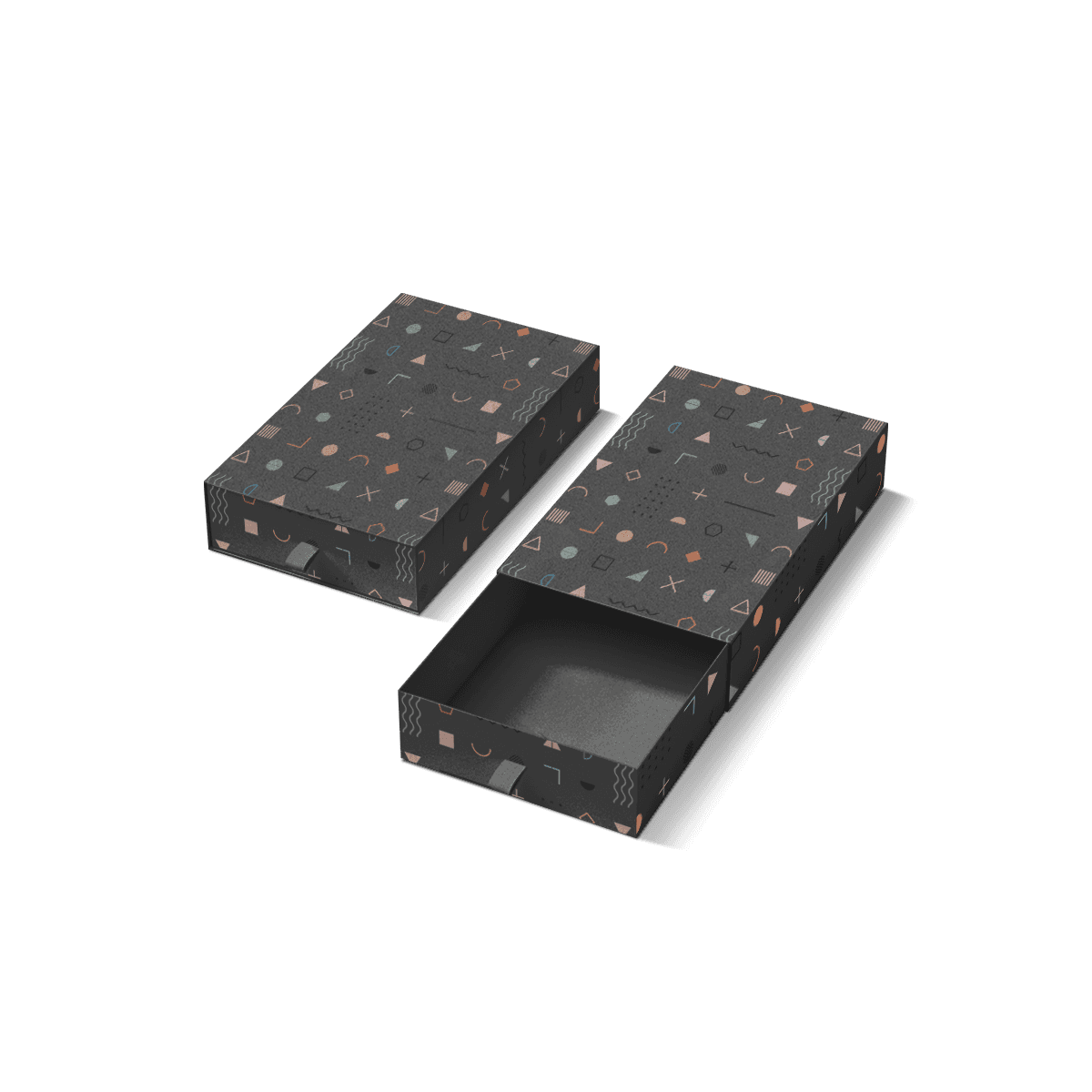
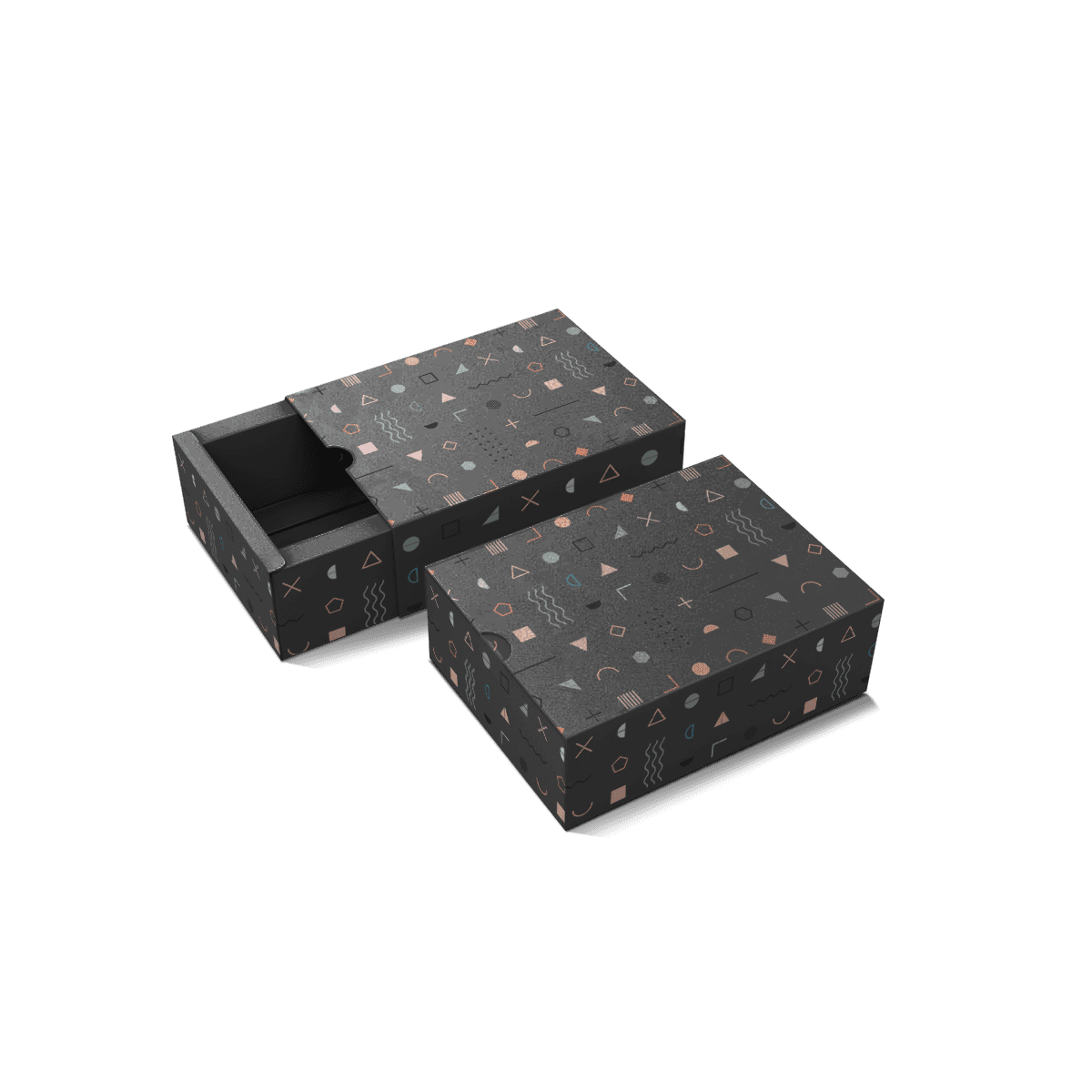
Push-and-slide or press-release layouts add friction where standard cartons open too easily.
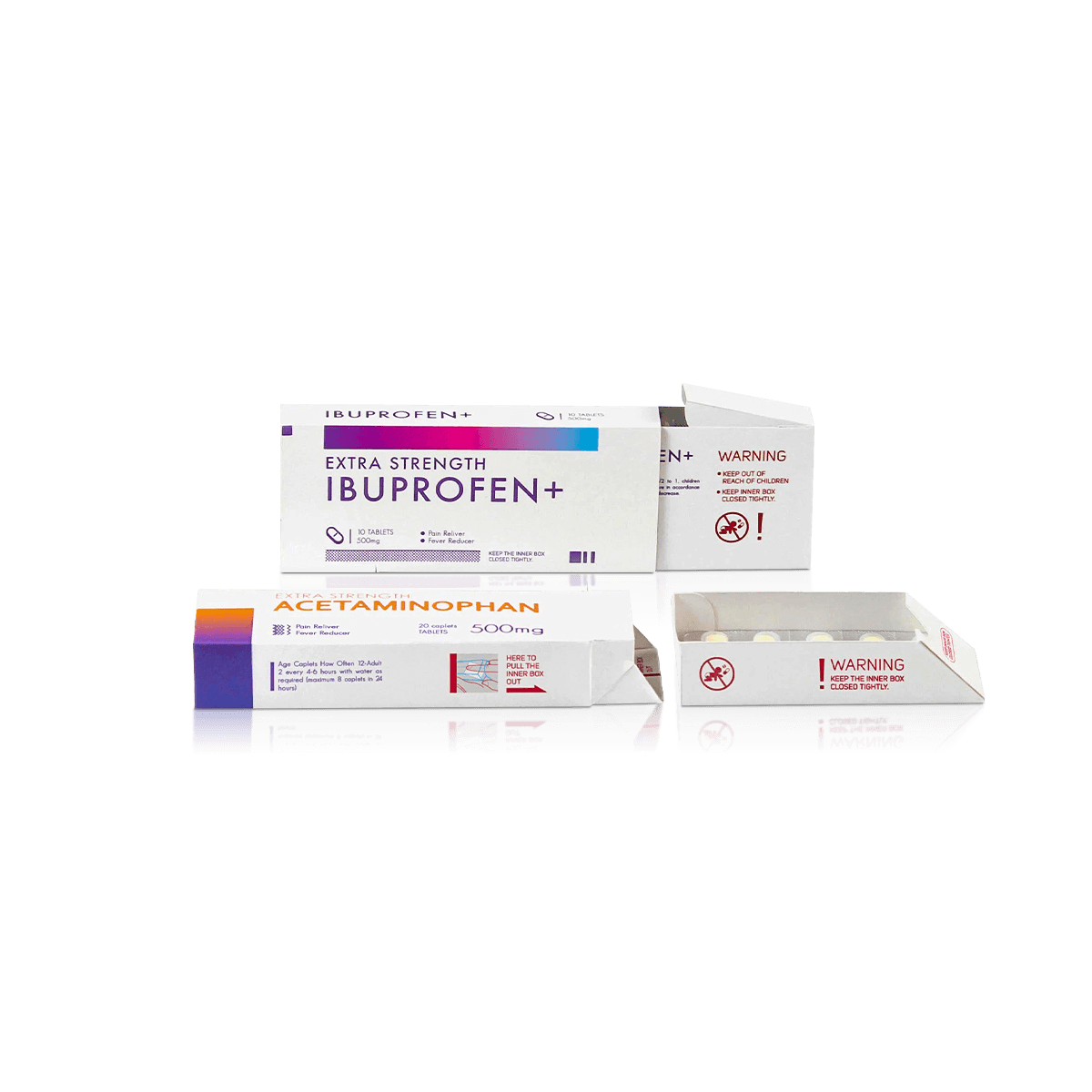
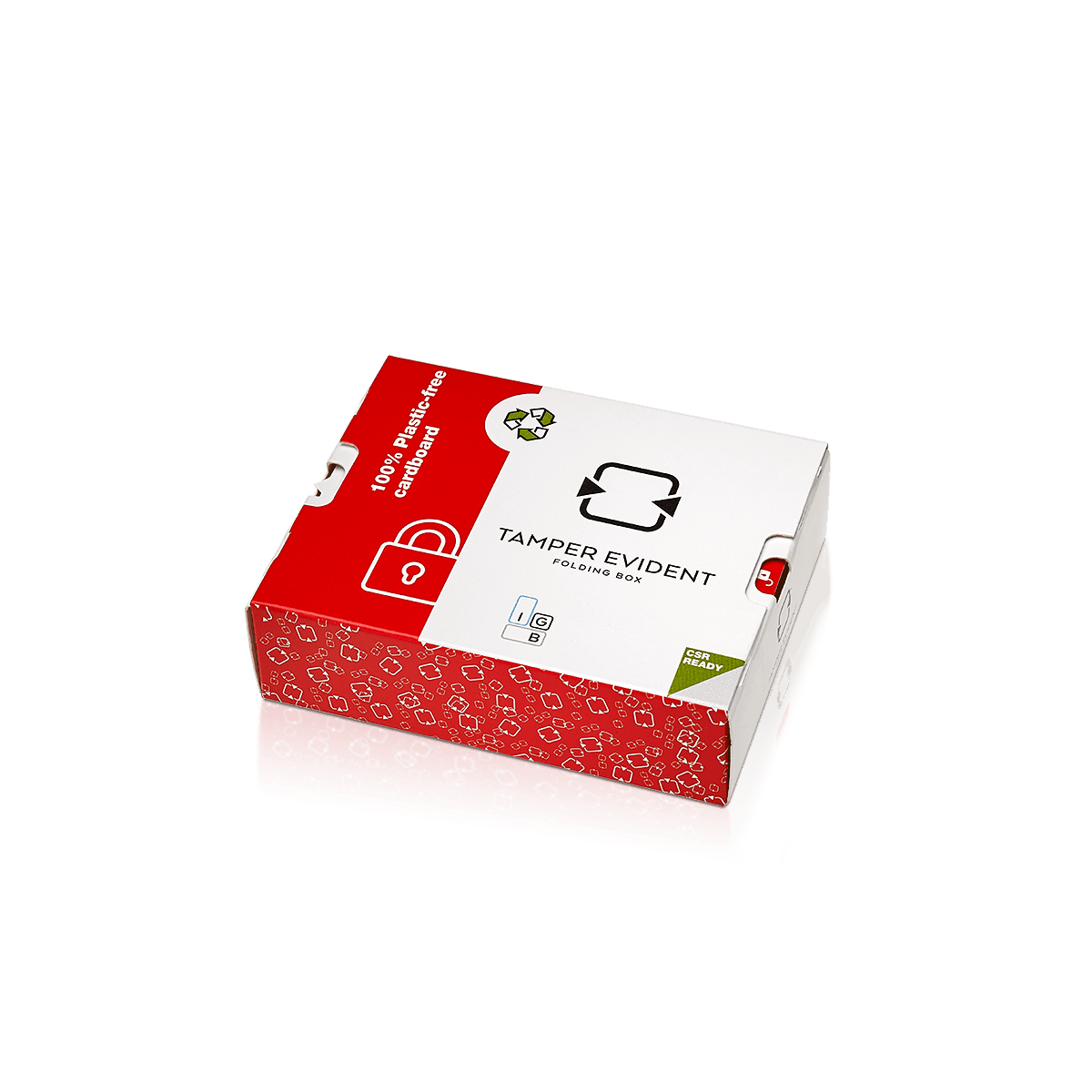
A safety-focused carton has to do two jobs at once: slow down child access and still feel manageable for adult use. Child-Resistant Boxes are chosen when standard tuck cartons are not enough and the pack needs a locking format, clearer warning space and a more controlled structure for regulated or higher-risk products.
Free Design Support
Clear Pricing
Flexible Quantities
Unlimited Customization
Premium Materials
Offset Precision
Free Shipping
Quick Turnaround
Access control is the main reason brands move into Child-Resistant Boxes. Instead of relying on a basic carton, this format can be engineered around push-release, slide-out or hidden-tab opening paths while still leaving room for instructions, batch details, barcode placement and branded presentation. In the US, child-resistant packaging is treated as special packaging that must be significantly difficult for children under 5 to open while still not being difficult for adults to use properly.
Reduces the risk of easy child access
Gives warnings and dosage copy cleaner panel space
Helps organize inner trays, bottles or blister formats
Creates a steadier pack for retail storage and handling
Supports more deliberate SKU separation across regulated lines
Push-and-slide or press-release layouts add friction where standard cartons open too easily.
Opening paths can be planned to feel more intuitive for adult users without losing control.
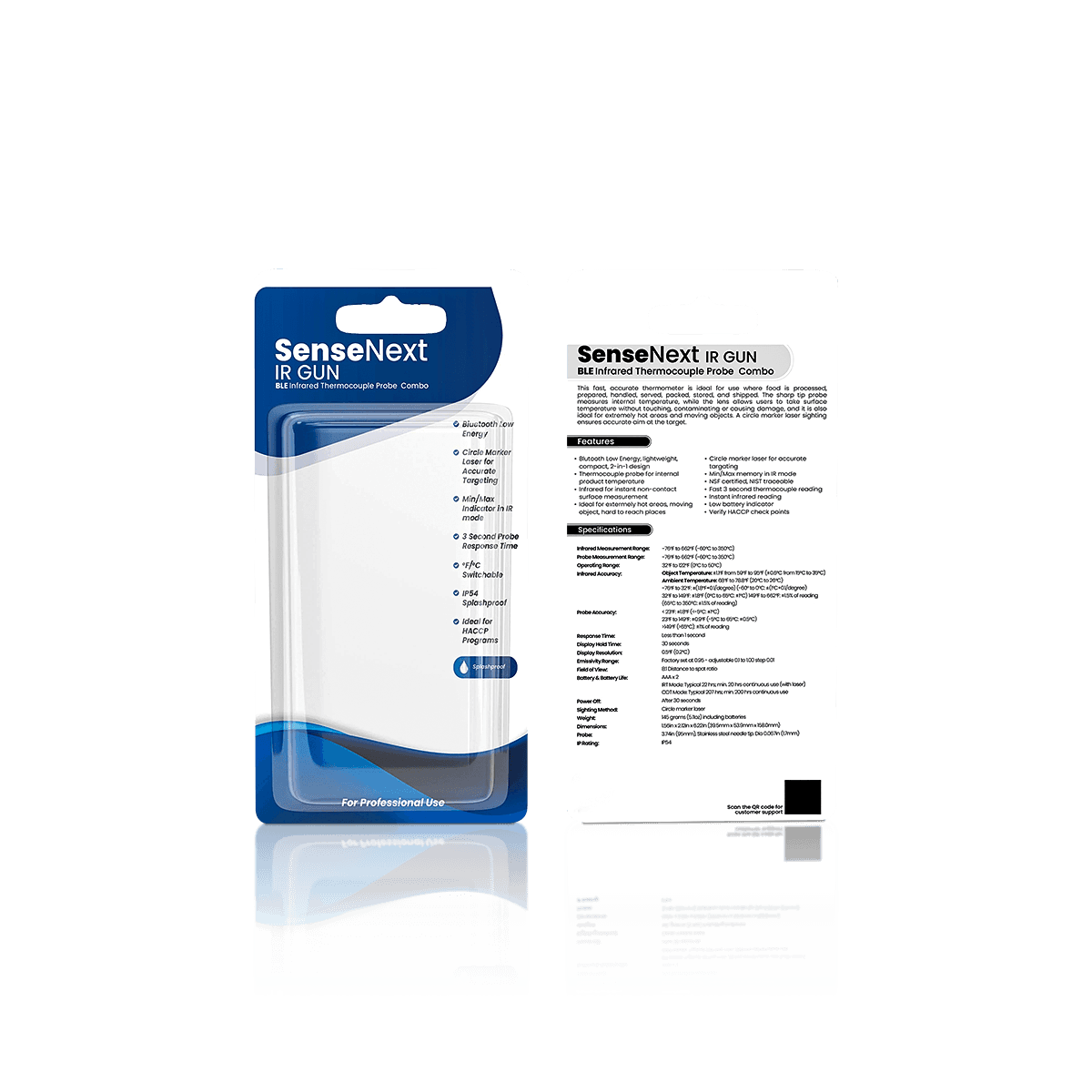
Paperboard trays, inserts or sleeves help keep vials, blisters and small containers from shifting.
Front and side panels can prioritize caution text, count callouts and scan data.
Tailor-made sizing, custom artwork and selective finishes help separate strengths, formulas and variants.
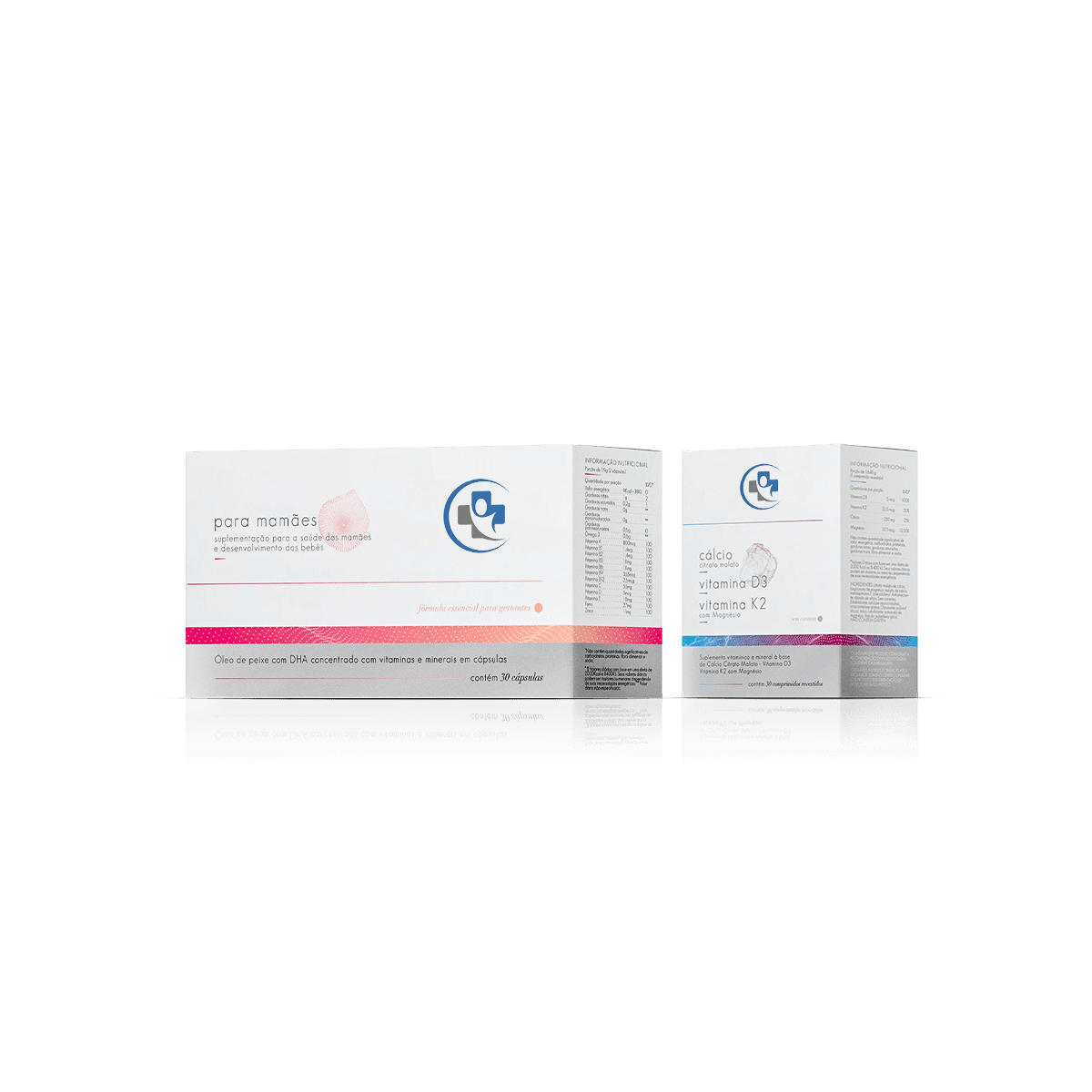
Unit-dose wellness products packed with an inner tray or blister card
Small ingestible formats that need stronger shelf and storage control
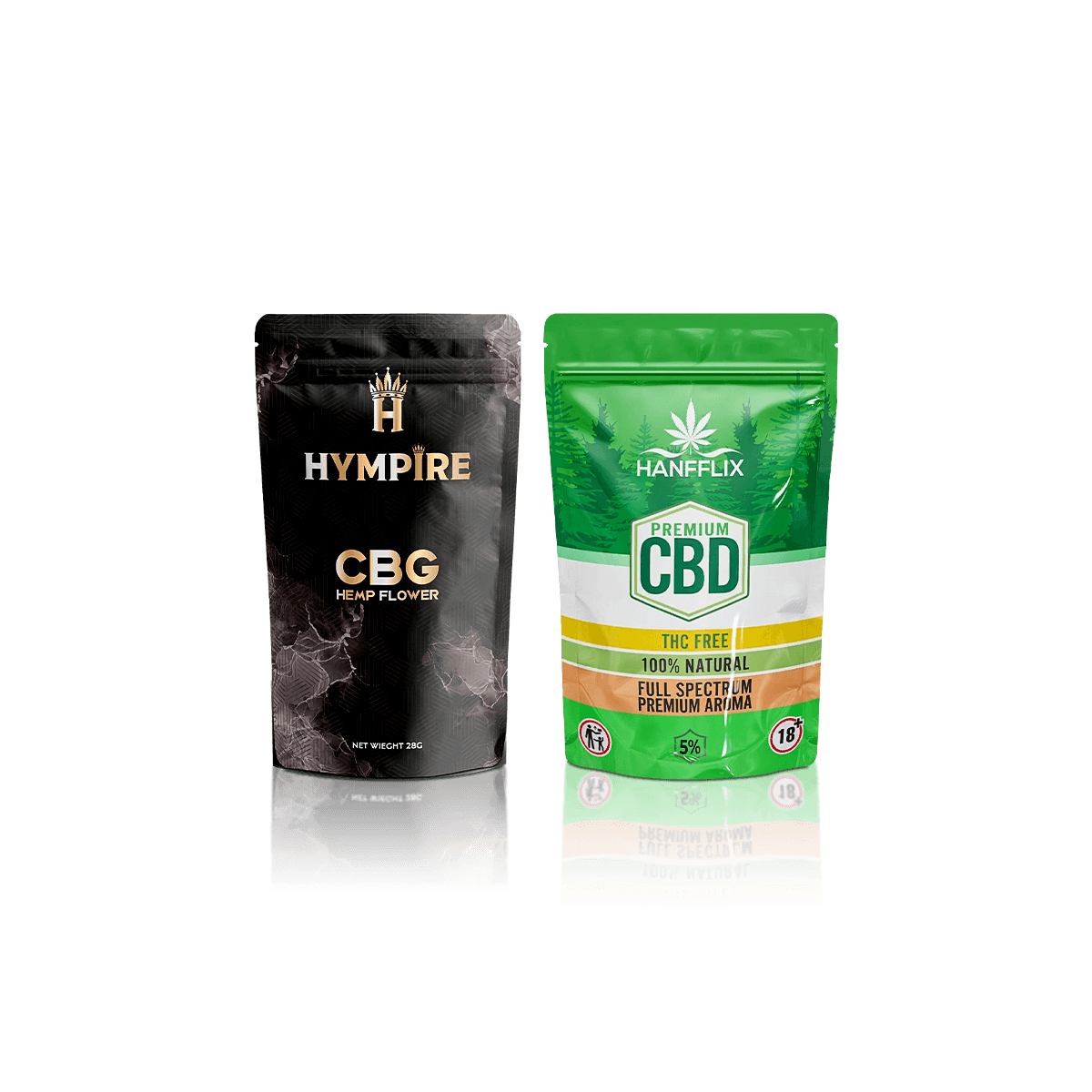
Hemp-derived or CBD items sold in markets that expect access restriction
Trial packs where warnings, inserts and count data need more room
Retail programs with multiple strengths, formulas or dosage variants
Simple steps from idea to delivery
Tell Us Your Specs
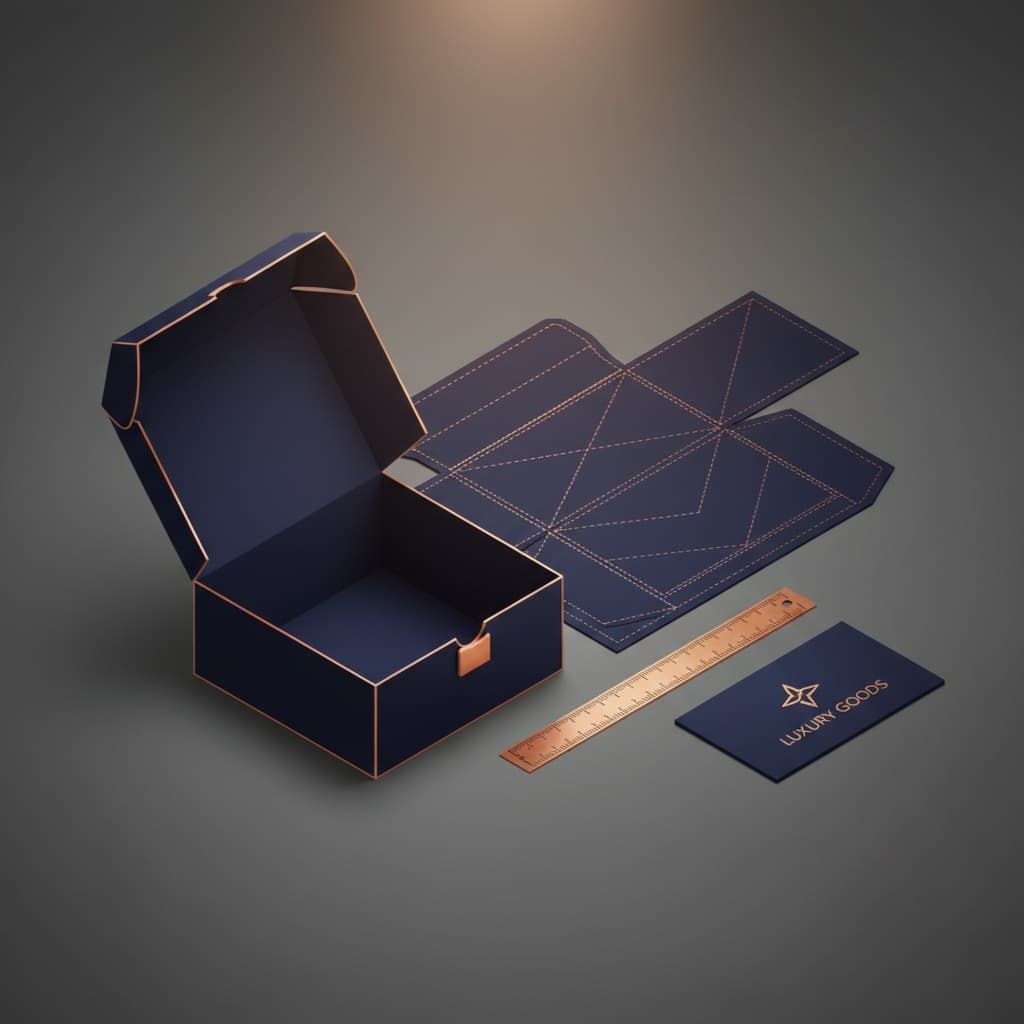
Provide size, quantity, printing, and finishes.
Get a Fast Quote

Instant transparent pricing, no hidden fees.
Design and Approval

Artwork checks, revisions, and final sign-off.
Produce

Expert manufacturing to meet deadlines.
Ship to Your Door

Hassle-free, flexible delivery options.
Send your dimensions and we’ll respond quickly